
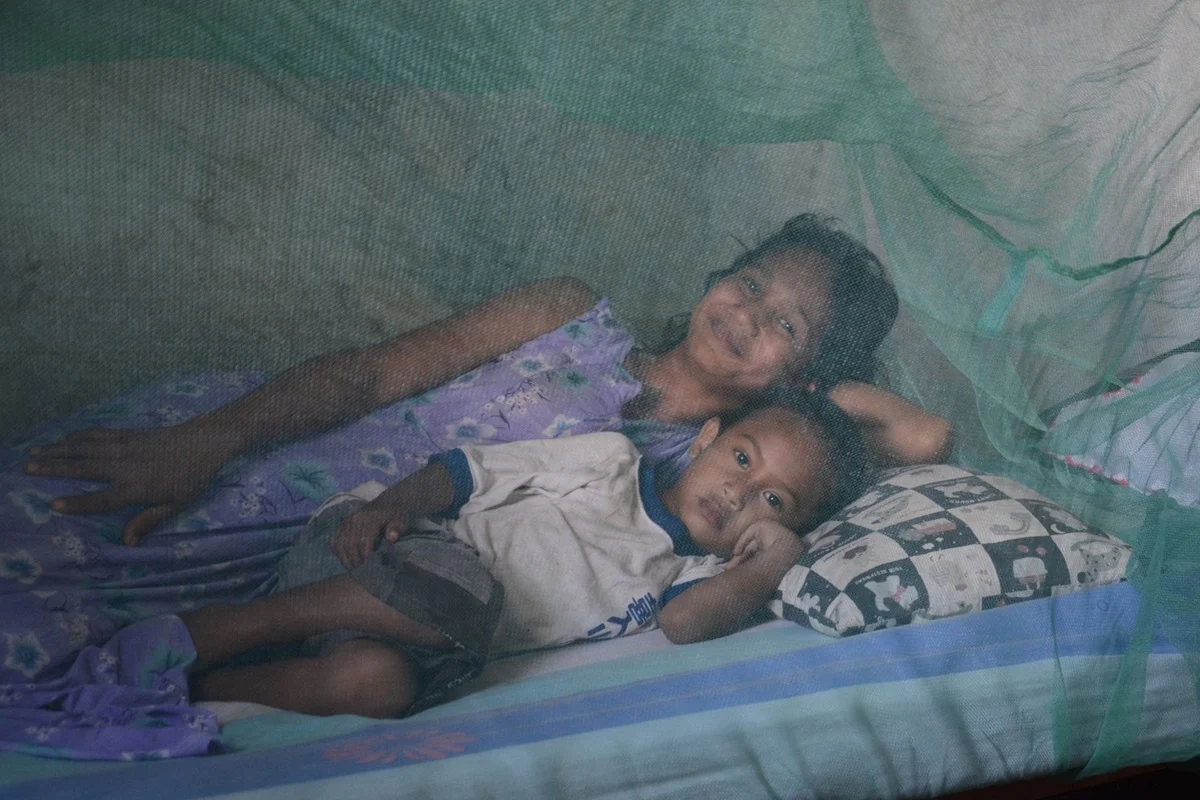
The World Health Organization (WHO) has officially certified Timor-Leste as malaria-free, marking a historic achievement for the Southeast Asian nation. This milestone represents the culmination of a rigorous, multi-decade public health campaign that transformed the country from a high-burden region into a model for malaria elimination. The certification confirms that the nation has successfully interrupted the chain of indigenous malaria transmission for at least three consecutive years, a standard required by the WHO to verify the total elimination of the parasite.
Timor-Leste now joins a select group of 47 countries and one territory that have achieved this status globally. Within the WHO South-East Asia region, the country is only the third to be granted this certification, following the Maldives in 2015 and Sri Lanka in 2016. This accomplishment is particularly noteworthy given the country’s post-independence trajectory, which began in 2002 under challenging socioeconomic conditions and limited healthcare infrastructure.
A Chronology of Progress: From 223,000 Cases to Zero
The journey toward a malaria-free Timor-Leste began shortly after the nation gained its independence. In 2002, the public health landscape was fraught with systemic obstacles, including a lack of diagnostic facilities, a shortage of trained medical personnel, and a high prevalence of tropical diseases. Malaria, in particular, acted as a severe barrier to economic development and human wellbeing.
The pivotal turning point occurred in 2003, when the Ministry of Health established the National Malaria Programme (NMP). Initially operating with a skeleton crew of only two full-time officers, the NMP focused on creating a centralized strategy for planning, monitoring, and executing malaria control interventions. The following timeline outlines the key stages of this transformation:
- 2003: Foundation of the National Malaria Programme to provide technical leadership and managerial oversight.
- 2006: The peak of the malaria burden, during which the country recorded over 223,000 clinically diagnosed cases. This year served as the catalyst for intensified, large-scale intervention.
- 2009: With support from the Global Fund to Fight AIDS, Tuberculosis and Malaria, the country initiated nationwide vector control, including the mass distribution of long-lasting insecticide-treated nets (LLINs) and the implementation of indoor residual spraying (IRS).
- 2010–2015: Expansion of diagnostic capabilities, incorporating microscopy and rapid diagnostic tests (RDTs) at the point of care in local health posts.
- 2016–2020: Sustained vigilance and the implementation of an integrated, real-time surveillance system to monitor transmission patterns at the village and border levels.
- 2021: Timor-Leste reported zero indigenous malaria cases, a status it has maintained through the present year.
Strategic Interventions and Healthcare Infrastructure
The success of the malaria elimination program was not merely the result of medical technology but of a profound structural reorganization of the Timorese healthcare system. Recognizing that top-down directives would fail without local engagement, the government developed a three-tier health system designed to ensure that the majority of the population could access medical care within one hour of travel.
This network—comprising national hospitals, regional reference hospitals, community health centers (CHCs), and local health posts—was bolstered by the government’s policy of providing free universal healthcare. By removing the financial barriers to diagnosis and treatment, the Ministry of Health ensured that symptomatic individuals sought care early, thereby preventing the secondary transmission of the parasite.
Furthermore, the integration of mobile clinics and community outreach programs proved essential in reaching remote, rural, and mountainous populations. These units were tasked not only with delivering care but also with ongoing education regarding the use of insecticide-treated nets and the symptoms of malaria. The use of artemisinin-based combination therapy (ACT) as the standard of care, combined with the widespread availability of rapid diagnostic tests, allowed health workers to treat patients effectively at the first point of contact, reducing the window of time during which an infected individual could transmit the parasite to the local mosquito population.
Official Responses and Global Recognition
The certification was formally acknowledged by Dr. Tedros Adhanom Ghebreyesus, Director-General of the WHO, who highlighted the nation’s achievement as a blueprint for other developing countries. "Timor-Leste’s success proves that malaria can be stopped in its tracks when strong political will, smart interventions, sustained domestic and external investment, and dedicated health workers unite," Dr. Tedros stated during the announcement.
Dr. Élia António de Araújo dos Reis Amaral, the Minister of Health for Timor-Leste, characterized the achievement as a victory for the resilience of the Timorese people. "We did it. Malaria has been one of our most relentless enemies—silent, persistent, and deadly. We lost too many lives to a disease that should be preventable. But our health workers never gave up, our communities held strong, and our partners, like WHO, walked beside us," she noted.
Dr. Arvind Mathur, the WHO Representative to Timor-Leste, underscored the personal and systemic grit required for this victory. "As a young nation, Timor-Leste stayed focused—testing, treating, and investigating swiftly. Ending transmission and maintaining zero deaths takes more than science; it takes grit. This victory protects generations, present and future, and shows what a determined country can achieve," he added.
Broader Implications and Future Vigilance
The elimination of malaria in Timor-Leste carries significant implications for the region and the global public health community. It demonstrates that rapid elimination is achievable even in countries with limited historical resources, provided that there is a clear strategic framework and strong international collaboration.
However, the WHO and the Timorese government have cautioned that "malaria-free" status does not imply an end to monitoring. The threat of re-introduction remains, particularly due to the mobility of populations across regional borders. The country’s real-time, integrated case-based surveillance system is now being pivoted to act as a shield against potential re-emergence. Trained health workers continue to screen for malaria at border checkpoints and within high-risk communities to ensure that any imported cases are detected and contained before they can establish a new chain of indigenous transmission.
This certification serves as a testament to the efficacy of the WHO’s certification process, which involves a rigorous review by the Technical Advisory Group on Malaria Elimination and Certification, followed by validation from the Malaria Policy Advisory Group. For Timor-Leste, the status is not just a badge of international recognition; it is a fundamental shift in the nation’s health security, allowing resources previously dedicated to malaria management to be redirected toward other critical health priorities, such as maternal health, nutrition, and the management of non-communicable diseases.
As the nation looks toward the future, the lessons learned from the malaria campaign—specifically the importance of data-driven policy and community-based health engagement—are expected to form the cornerstone of future national health strategies. Timor-Leste’s triumph serves as an encouraging precedent for other nations currently struggling with high malaria burdens, proving that with consistent political commitment and community-led action, even the most persistent of public health threats can be overcome.
