
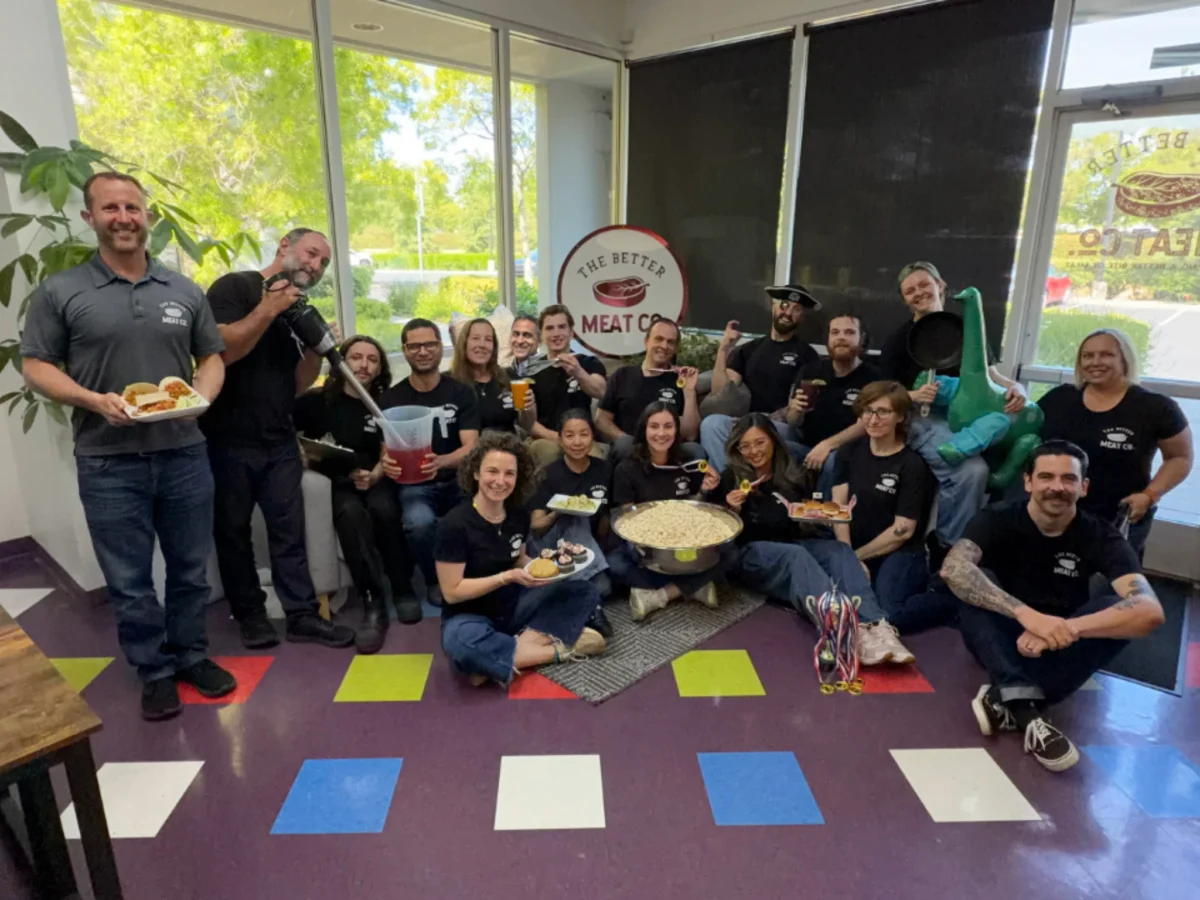
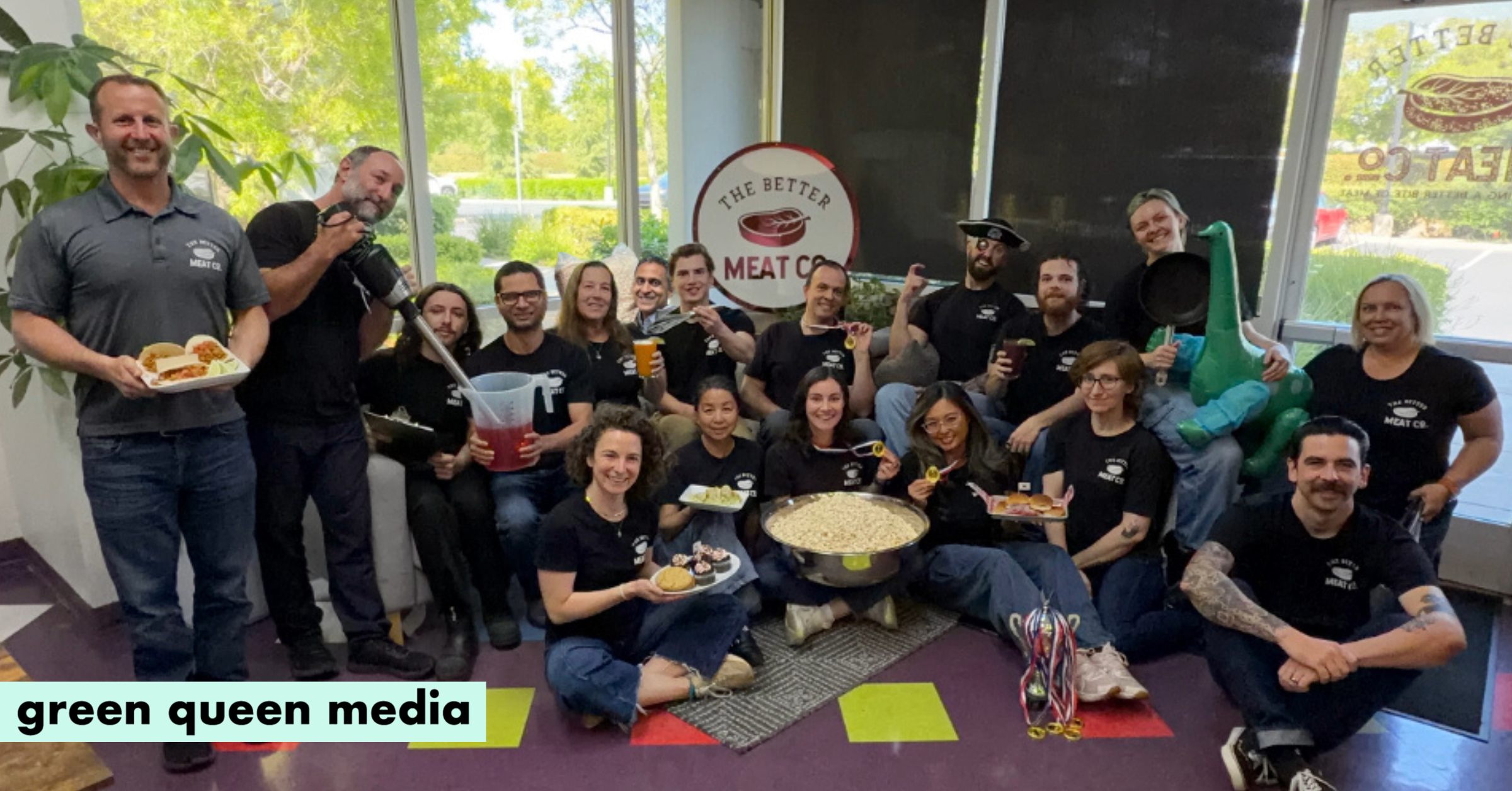
The landscape of alternative proteins in South Asia is undergoing a structural transformation as regulatory bodies adapt to innovations in cellular agriculture and fermentation technology. BMC Ingredients, a prominent California-based food technology startup formerly known as The Better Meat Co., has officially secured regulatory clearance from the Food Safety and Standards Authority of India (FSSAI) to commercialize its flagship ingredient, Rhiza mycoprotein. This milestone marks the fourth major international market to greenlight the mycelium-derived protein, following prior regulatory clearances in the United States, Singapore, and Canada.
With the official approval letter issued by India’s apex food regulator, BMC Ingredients is positioning itself to capture a significant share of the country’s rapidly evolving functional food and protein market. The company has slated its official commercial debut in India for the second quarter of 2027, aligning with broader scaling initiatives across international supply chains. This strategic market entry arrives at a critical juncture for Indian consumer demographics, characterized by an escalating demand for sustainable, high-protein alternatives that bypass traditional animal agriculture and heavily processed isolates.
The Biological Foundation and Production Methodology of Rhiza Mycoprotein
At the core of BMC Ingredients’ commercial offering is Rhiza, a versatile mycoprotein derived through the submerged fermentation of the fungal strain Neurospora crassa. Unlike novel lab-grown animal tissues or heavily processed plant protein extracts, Neurospora crassa boasts a long historical precedent of human consumption. It is traditionally utilized in the production of regional staples such as oncom—a fermented Indonesian delicacy primarily manufactured from soybean processing byproducts—as well as specialized fermented cheeses like Roquefort.
The manufacturing process leverages state-of-the-art fermentation infrastructure. During the growth cycle within industrial bioreactors, the microbes naturally synthesize a dense, intertwined network of microscopic fungal fibres. This biological architecture inherently provides a desirable, chewy texture reminiscent of animal muscle tissue, entirely eliminating the need for energy-intensive fractionation, chemical isolation, or mechanical texturization processes.
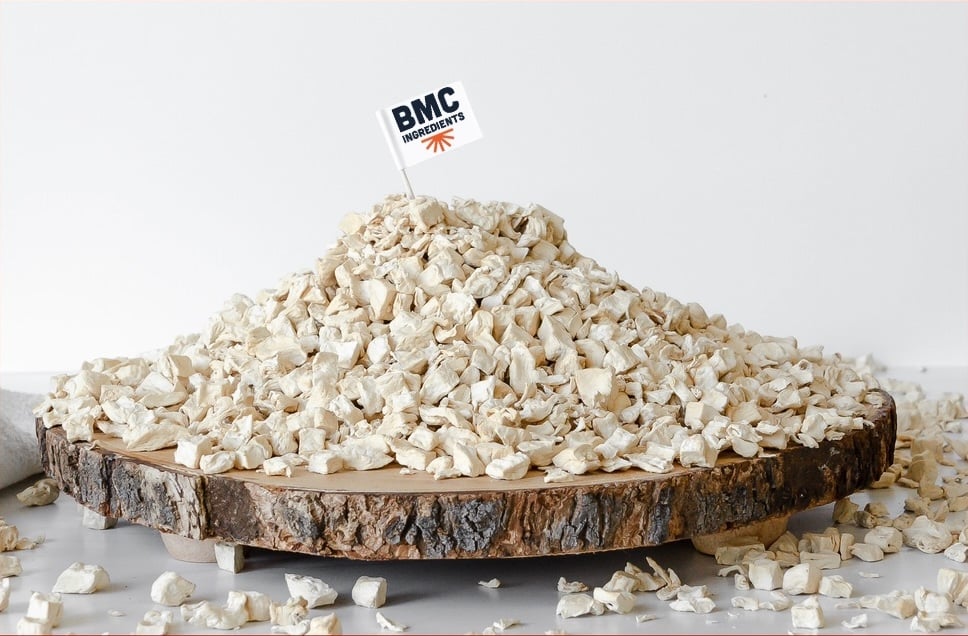
Once the fermentation cycle concludes, the resulting wet biomass undergoes a mechanical filtration phase to separate it from the growth medium. The moist microbial cake is subsequently diced into manageable portions, subjected to a controlled heat treatment dehydration step, and finally milled, sieved, and packaged for commercial distribution.
Nutritional Profile and Longevity Compounds
Nutritional analyses indicate that Rhiza mycoprotein offers a compelling macronutrient and micronutrient profile designed to compete directly with conventional animal proteins. The dry biomass typically consists of 45% to 51% protein—surpassing the protein content found in standard whole eggs—alongside roughly 30% dietary fiber, which exceeds the fiber concentration of oats. Furthermore, the protein digestibility-corrected amino acid score (PDCAAS) ranges between 0.87 and 0.96, placing its biological availability on par with premium benchmarks such as dairy-derived casein, beef, and whole eggs.
Beyond macronutrients, Rhiza is dense in essential micronutrients, exhibiting higher concentrations of bioavailable iron and zinc than beef, and greater potassium levels than bananas. Crucially, the ingredient is entirely free of cholesterol and contains negligible amounts of saturated fat.
Recent biochemical evaluations have also identified the presence of specialized longevity-linked compounds within the mycelium, notably ergothioneine and spermidine. Ergothioneine functions as a potent antioxidant protecting cellular mitochondria, while spermidine plays a vital role in promoting cellular autophagy and renewal processes. To accommodate diverse industrial manufacturing requirements, BMC Ingredients commercializes Rhiza in two distinct B2B formats: RhizaTex, a structured chunk variant engineered for whole-cut meat analogues and blended meat products, and RhizaPro, a soluble, functional protein powder tailored for dairy alternatives, nutritional bars, functional beverages, and baked goods.
Strategic Timing and the Socioeconomic Dynamics of India’s Protein Sector
BMC Ingredients’ entry into the Indian market coincides with a profound cultural and economic pivot regarding dietary protein consumption. For decades, public health discourse in India has centered around perceptions of widespread protein deficiency. Although recent comprehensive nutritional analyses of household food intakes suggest that the actual risk of protein deficiency among healthy adults is lower than frequently cited—particularly when adjusted for true digestible quality—the overarching societal demand for protein fortification remains remarkably high.
Market research underscores this behavioral shift. Data compiled from recent consumer polls and trade analyses indicate that per capita protein consumption in India is projected to triple, rising from approximately 9.5 kilograms in 2025 to an estimated 30 kilograms by 2070. Furthermore, consumer sentiment surveys reveal that roughly 37% of Indian shoppers actively seek to incorporate more plant-based and alternative proteins into their regular diets.
This dietary evolution is predominantly spearheaded by India’s Gen Z demographic. Industry studies indicate that 82% of Indian Gen Z consumers view daily protein consumption as a vital health priority, while an overwhelming 91% express a willingness to adopt plant-based and alternative protein foods primarily to fulfill their nutritional targets. Additionally, nearly one-third of consumers across the broader market demonstrate a willingness to pay a financial premium for functional foods enriched with advanced protein ingredients.
Competitive Landscape and Fermentation Sector Momentum
The burgeoning interest in alternative proteins has catalyzed a wave of innovation within India’s domestic biotechnology and food tech sectors. Fermentation-derived ingredients, in particular, are rapidly gaining commercial traction. Domestic and international brands operating within the Indian market—ranging from high-profile startups like SuperYou, Yoga Bar, Cosmix, Sugarfit, BeastLife, and Fuel One to legacy giants such as Unilever’s Horlicks—have increasingly integrated microbial and yeast-derived protein formulations into powders, nutritional supplements, and functional beverages.
Many of these local product lines rely on specialized regional suppliers like Arboreal Bioinnovations, which secured substantial Series A funding to scale domestic bioprot and sugar-reduction technologies. Within this competitive ecosystem, BMC Ingredients intends to position Rhiza not as a direct competitor to local agriculture, but as a complementary, highly functional ingredient that empowers domestic food manufacturers to upgrade the nutritional density of traditional and modern culinary formulations alike.
Global Scaling Operations and Commercial Roadmap
The regulatory approval granted by the FSSAI is a critical operational milestone in BMC Ingredients’ broader international expansion strategy. The company, which closed a $31 million Series A funding round, currently operates a 9,000-litre demonstration bioreactor at its facility in Sacramento, California, capable of generating thousands of pounds of mycelium.
To support its commercial deployments in India and Canada slated for the second quarter of 2027, BMC Ingredients is actively collaborating with an established contract manufacturing partner in Asia. This upcoming production facility is engineered to scale output significantly, targeting a production capacity of up to 100 dry metric tonnes of mycoprotein per month.
To date, BMC Ingredients has successfully finalized five major supply agreements with leading conventional meat producers across North America, South America, and Asia. These strategic partnerships are collectively projected to generate approximately $13 million in annualized recurring revenue as commercial manufacturing capacities come fully online. By securing regulatory footholds in key international jurisdictions like India, the company aims to establish mycelium fermentation as a foundational pillar of global food security and sustainable nutrition in the decades ahead.
