
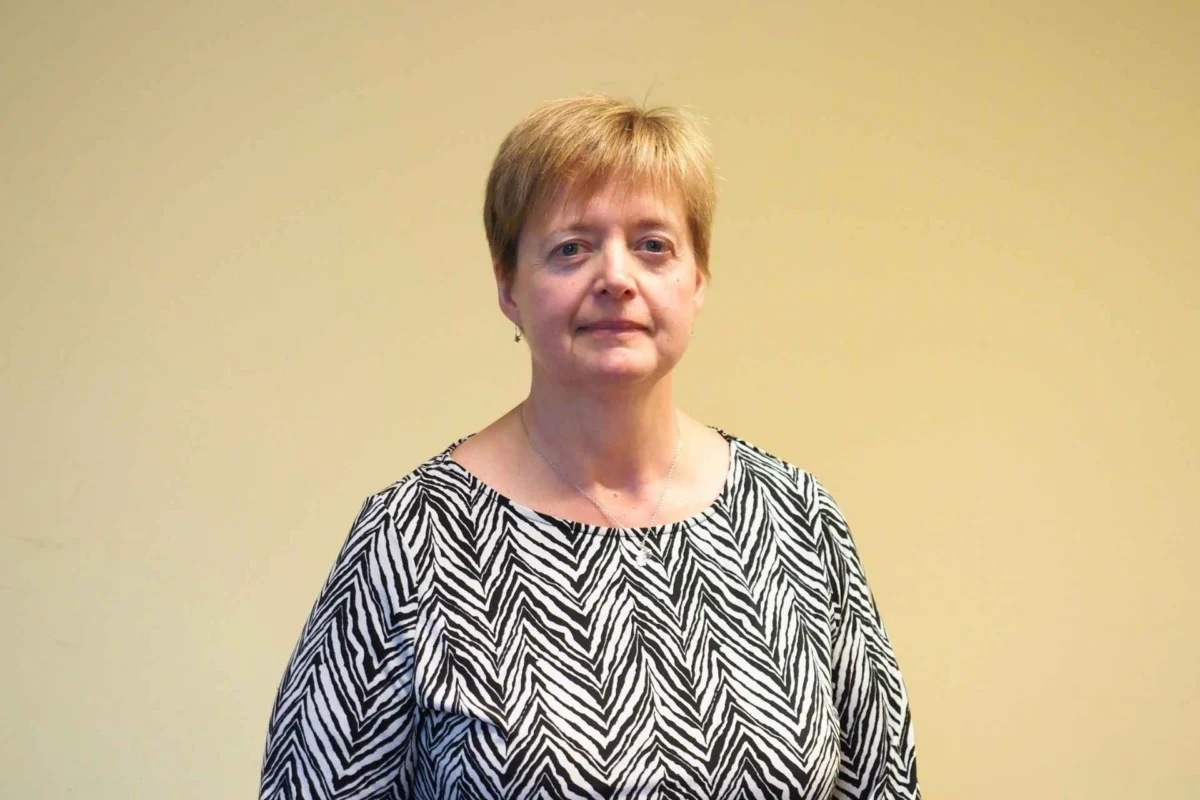
The human gut microbiome has emerged as a cornerstone of modern medical research, yet much of what science understands about this complex internal ecosystem is limited to populations living in industrialized nations. In a groundbreaking effort to bridge this knowledge gap, Emma Allen-Vercoe, a professor and researcher at the University of Guelph in Canada, has focused her scientific inquiry on the Yanomami, an indigenous population residing in the remote rainforests of southern Venezuela and northern Brazil. This group, which has lived in relative isolation for thousands of years, possesses what many scientists consider the most diverse human microbiome ever recorded. Through rigorous fieldwork and innovative laboratory techniques, Allen-Vercoe and her team are working to preserve and analyze these microbial communities, offering a glimpse into a biological past that may hold the key to treating modern chronic diseases.
The Yanomami people have long intrigued the scientific community due to their exceptional cardiometabolic health. Unlike populations in Westernized societies, the Yanomami show almost no incidence of hypertension, obesity, or Type 2 diabetes, even as they age. While genetic factors and lifestyle play a role, researchers increasingly point to their gut bacteria as a primary driver of this resilience. The recent interview with Allen-Vercoe details an extensive expedition into the Amazon, the subsequent culturing of rare microbes, and the launch of a new service designed to democratize access to these "hidden" microorganisms for the broader scientific and commercial world.
The Amazonian Expedition: A Race Against Time and Biology
The process of studying the Yanomami microbiome begins far from the sterile environment of a Canadian laboratory. It starts in the dense, humid terrain of the Amazon basin. For Allen-Vercoe, the primary challenge was not merely reaching these remote communities, but ensuring that the biological samples collected remained viable for live-culture analysis. While many studies rely on DNA sequencing—which identifies the presence of microbes by their genetic "fingerprints"—Allen-Vercoe’s work focuses on culturing, which requires keeping the bacteria alive.
Collecting stool samples in a tropical environment presents immense logistical hurdles. Most gut bacteria are anaerobic, meaning they die quickly when exposed to oxygen. To circumvent this, the expedition utilized specialized preservation kits and portable anaerobic chambers to stabilize the samples immediately after collection. These samples were then transported under strictly controlled conditions back to the University of Guelph.
The success of this expedition allowed for the creation of a diverse "library" of live isolates. Unlike frozen or chemically preserved samples used for sequencing, these live cultures allow researchers to observe how the bacteria behave, what they consume, and how they interact with human cells. This methodology is essential for the development of "next-generation probiotics," which aim to reintroduce specific, beneficial strains that have been lost in industrialized populations due to diet, antibiotic use, and sanitized environments.
The Great Microbial Extinction: Industrialization vs. Isolation
A central theme in Allen-Vercoe’s research is the "hygiene hypothesis" or the "missing microbes" theory. This concept suggests that as human societies transitioned from hunter-gatherer lifestyles to urbanized, industrial environments, they experienced a significant loss of microbial diversity. The Yanomami serve as a biological control group, representing the "ancestral" state of the human microbiome.
Comparative data highlights the stark contrast between the two groups. Studies have shown that the Yanomami harbor approximately 40% more bacterial species than the average American or European. Furthermore, many of the bacterial taxa found in the Yanomami are entirely absent in Western guts. These missing microbes are often those responsible for fiber fermentation and the production of short-chain fatty acids (SCFAs), which are critical for regulating inflammation and maintaining the integrity of the gut barrier.
Allen-Vercoe’s work suggests that the high-fiber, low-sugar diet of the Yanomami, combined with their constant exposure to diverse environmental microbes, supports a robust internal ecosystem. By isolating these specific strains in the lab, researchers can begin to test whether reintroducing them into Westernized guts can mitigate the rise of autoimmune and metabolic disorders.
Overcoming the Challenges of "Unculturable" Microbes
One of the most significant contributions of Emma Allen-Vercoe’s laboratory is the development of advanced culturing techniques. Historically, a large portion of the human microbiome was labeled "unculturable" because these organisms would not grow in standard petri dishes using conventional media. Allen-Vercoe’s team utilizes a sophisticated system known as the "Robogut."
The Robogut is a bioreactor designed to mimic the conditions of the human large intestine. It maintains precise levels of pH, temperature, and nutrient availability, while strictly excluding oxygen. By simulating the natural environment of the Yanomami gut, the Guelph team has successfully isolated and grown microorganisms that were previously known only through DNA sequences.
The characterization of these isolates involves genomic sequencing paired with phenotypic testing. This means the researchers are not just looking at what the bacteria are, but what they do. For example, some isolates may be particularly adept at breaking down complex plant polysaccharides, while others may produce metabolites that signal the human immune system to dampen inflammation. This functional understanding is the prerequisite for any future clinical applications or probiotic formulations.
Chronology of Microbiome Discovery and the Guelph Initiative
The timeline of research involving the Yanomami and the subsequent developments in Allen-Vercoe’s lab reflects a decade of accelerating discovery:
- 2008–2010: Initial pilot studies establish the unique microbial signature of indigenous Amazonian tribes.
- 2015: A landmark study published in Science Advances reveals that a Yanomami village had the highest level of bacterial diversity ever reported in a human group, including antibiotic-resistant genes despite no known exposure to modern drugs.
- 2018–2021: Emma Allen-Vercoe’s team conducts targeted expeditions and laboratory scaling, focusing on "culturomics"—the high-throughput culturing of microbes.
- 2023: The formalization of a new culturing service at the University of Guelph to assist external partners in isolating rare microbes.
- 2024: Current efforts focus on the safety profiling and metabolic mapping of Yanomami-derived isolates for potential therapeutic use.
A New Frontier: The Specialized Culturing Service
Recognizing that many laboratories lack the specialized equipment and expertise required for anaerobic culturomics, Allen-Vercoe has introduced a new culturing service. This initiative is designed to support both academic researchers and commercial biotech firms. The service provides access to the University of Guelph’s proprietary media and bioreactor technology, allowing partners to isolate specific microorganisms from their own samples or to study existing isolates from the Yanomami collection.
This service addresses a major bottleneck in microbiome research. While sequencing has become cheap and accessible, the ability to turn a sequence into a living, testable product remains difficult and expensive. By providing this infrastructure, Allen-Vercoe aims to accelerate the transition from "descriptive" microbiome science (observing what is there) to "functional" microbiome science (using microbes to fix health problems).
Ethical Considerations and Indigenous Sovereignty
The study of indigenous microbiomes is not without controversy, and Allen-Vercoe’s work emphasizes the importance of ethical engagement. Historically, indigenous populations have often been exploited by Western researchers who took biological samples without providing benefits to the community or respecting their sovereignty.
The interview highlights that the research conducted with the Yanomami involves rigorous ethical oversight. This includes ensuring that the indigenous communities are informed of the research goals and that the data and microbial isolates are handled with respect for the "Nagoya Protocol," an international agreement on access to genetic resources and the fair and equitable sharing of benefits arising from their utilization. Allen-Vercoe advocates for a model where indigenous populations are seen as partners in discovery rather than merely sources of biological material.
Implications for Global Health and Future Therapeutics
The implications of unlocking the Yanomami microbiome extend far beyond the rainforests of South America. As the global burden of non-communicable diseases (NCDs) continues to rise, the need for novel therapeutic interventions is urgent. The microbes isolated from the Yanomami could lead to a new class of "Live Biotherapeutic Products" (LBPs).
Unlike current probiotics found in yogurt or over-the-counter supplements—which are often based on a few well-studied species like Lactobacillus or Bifidobacterium—these next-generation probiotics would be tailor-made to restore specific ecological functions. For instance, if a patient with Crohn’s disease is found to be missing a specific anti-inflammatory bacterium common in the Yanomami, doctors could potentially "recolonize" the patient’s gut with that specific strain.
Furthermore, this research provides a baseline for what a "healthy" microbiome looks like in the absence of modern stressors. This data is invaluable for public health officials as they develop dietary guidelines and strategies to protect the microbial health of future generations.
In conclusion, Emma Allen-Vercoe’s work represents a pivotal shift in microbiology. By combining adventurous field research with cutting-edge laboratory technology, her team is preserving the biological heritage of the Yanomami and translating it into a resource for modern medicine. The "hidden diversity" of the human gut, once thought lost to the march of industrialization, is being rediscovered, one culture at a time. This endeavor not only honors the unique biology of the Yanomami but also offers a path toward a more resilient and healthy future for all of humanity.
