
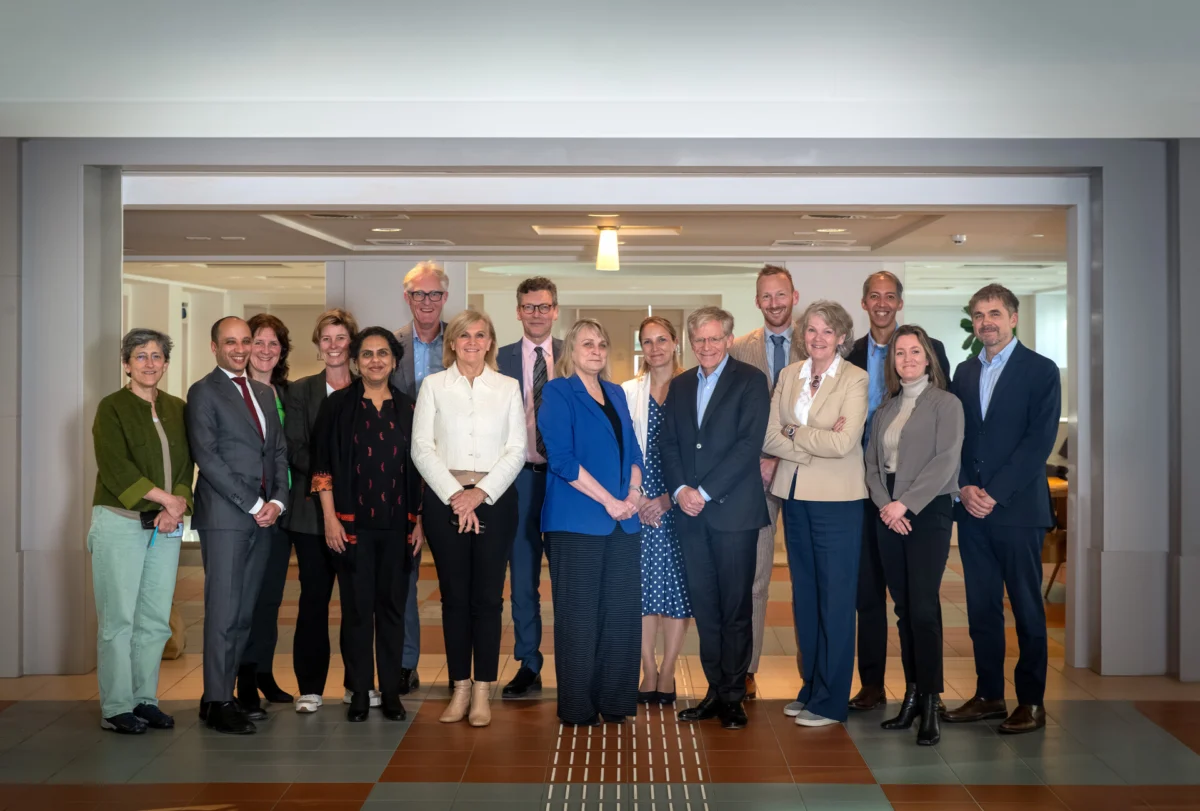
The World Health Organization (WHO) and the Kingdom of the Netherlands convened in The Hague on 10 April 2024 to formalize a renewed strategic alignment, marking a pivotal moment in a multi-decade partnership dedicated to improving health outcomes worldwide. This high-level dialogue serves as a cornerstone for future cooperation, specifically synchronizing the Dutch Global Health Strategy with the WHO’s upcoming 14th General Programme of Work. As the global community navigates a complex intersection of geopolitical volatility, climate-induced health crises, and post-pandemic economic recovery, the meeting underscored the necessity of a stable, well-funded, and technically robust global health architecture.
A Legacy of Collaboration and Strategic Alignment
The partnership between the WHO and the Netherlands is not a recent development but rather a long-standing commitment rooted in the Dutch prioritization of human rights, equitable access to healthcare, and the principle of Universal Health Coverage (UHC). Historically, the Netherlands has positioned itself as a bridge-builder in international diplomacy, and its involvement in global health reflects this identity.
The Strategic Dialogue held in The Hague was designed to move beyond traditional donor-recipient dynamics, evolving instead into a collaborative framework for policy innovation. By aligning the Dutch Global Health Strategy—which emphasizes a "One Health" approach, sexual and reproductive health and rights (SRHR), and pandemic preparedness—with the WHO’s long-term operational mandates, the two entities aim to maximize the impact of their shared resources.
Chronology of Engagement: From 2022 to 2024
To understand the significance of the 2024 dialogue, one must examine the progression of this relationship over the last two years:
- 2022: The previous Strategic Dialogue established a call to action for deeper synergy. Following the conclusion of the COVID-19 pandemic’s acute phase, both parties recognized that health security was inextricably linked to domestic system stability. The 2022 talks prioritized the integration of the new Dutch Global Health Strategy into the WHO’s regional and global programming.
- 2022–2023: A period of intensive financial and technical support. The Netherlands solidified its position as a top-tier contributor, providing over US$ 106 million in funding. During this time, the focus shifted toward "flexible" funding, allowing the WHO to deploy resources to emerging crises rather than being restricted by rigid, pre-allocated budgets.
- April 2024: The current dialogue took place in The Hague. The primary objective was to audit the progress made since 2022 and to secure commitments for the WHO’s inaugural Investment Round, a new mechanism designed to stabilize the organization’s financial future.
Financial Commitment and the Role of Flexible Funding
The financial data regarding the Dutch contribution reveals a clear strategy of supporting the WHO’s operational agility. Between 2022 and 2023, the Netherlands contributed over US$ 106 million to the organization. Critically, approximately US$ 93 million of this total was voluntary funding, reflecting a high level of trust in the WHO’s leadership and institutional capacity.
Furthermore, the Netherlands emerged as one of the top five global contributors of "flexible" funding, amounting to nearly US$ 19 million in core voluntary contributions. This distinction is vital in the context of global health economics. Unlike earmarked funds, which are restricted to specific projects or regions, flexible funding allows the WHO to respond rapidly to unforeseen health emergencies, such as disease outbreaks, climate-related disasters, or sudden surges in mental health needs. By prioritizing this type of support, the Netherlands helps the WHO maintain the administrative and technical staff required to provide global health governance.
Official Perspectives on the Partnership
The dialogue featured key figures from both the Dutch government and the WHO, who emphasized the intersection of domestic and international health policy.
Ms. Marjolijn Sonnema, Director General for Public Health at the Netherlands’ Ministry of Health, Welfare and Sport, noted that the sessions throughout the dialogue demonstrated a profound commitment to deepening the partnership. "The alignment between our respective priorities and objectives ensures that our investments are not just contributions, but catalysts for systemic change," she stated.
Dr. Bruce Aylward, WHO Assistant Director-General for Universal Health Coverage, Life Course, underscored the moral and practical imperatives of the partnership. "At a time when inequity in health is widening, disproportionately impacting the poor and most vulnerable, the Netherlands stands as a global leader," Dr. Aylward said. He emphasized that the collaboration is not merely about financial transfers but about a shared commitment to gender equity, mental health, and the resilience of health systems against the backdrop of a changing climate.

Implications for Global Health Architecture
The 2024 Strategic Dialogue carries significant implications for the future of the WHO, particularly regarding the 14th General Programme of Work. Several key areas of focus were identified as critical for the coming years:
1. Antimicrobial Resistance (AMR)
The silent pandemic of AMR remains a top priority. Both the Netherlands and the WHO are advocating for a "One Health" approach, acknowledging that the health of humans, animals, and the environment are interconnected. By funding research and implementing global surveillance programs, the partnership aims to mitigate the rise of drug-resistant pathogens.
2. Climate Change and Health
The escalating impact of climate change on public health is no longer a future threat; it is a present reality. The dialogue highlighted the need to build climate-resilient health infrastructure. The Netherlands, with its historical expertise in water management and environmental adaptation, is uniquely positioned to assist the WHO in developing guidelines for countries facing extreme weather events.
3. Strengthening Pandemic Preparedness
The lessons learned from the COVID-19 pandemic have led to a consensus on the need for a more robust global surveillance and response system. The dialogue affirmed the importance of the ongoing negotiations for a pandemic treaty, with both parties stressing that national security is inherently dependent on global health security.
4. Mental Health Support
Mental health has been elevated from a peripheral issue to a core component of the WHO’s agenda. The collaboration intends to increase support for mental health services, particularly in regions affected by conflict and humanitarian crises, where psychosocial trauma is often overlooked in traditional aid packages.
Sustaining the Future: The WHO Investment Round
A major focus of the 2024 talks was the upcoming WHO Investment Round. This initiative represents a paradigm shift in how the WHO is funded. For decades, the organization has struggled with a reliance on earmarked funds, which often leads to fragmented programming. The Investment Round seeks to mobilize predictable, sustainable, and flexible resources, ensuring the organization has the financial runway to operate effectively without constant cycles of budget instability.
The Netherlands’ early and vocal support for this initiative serves as a signal to other donor nations. By committing to this new financing model, the Netherlands is reinforcing the WHO’s role as the central coordinating body for global health, rather than merely a technical advisory agency.
Conclusion: A Model for Future Partnerships
The 2024 Strategic Dialogue between the Netherlands and the WHO serves as a template for how middle-to-large power nations can effectively support global health goals. By combining high-level financial support with technical secondments—such as the Junior Professional Officer Programme, which trains the next generation of global health leaders—the Netherlands has ensured that its impact is both immediate and sustainable.
As the international community faces a period of "polycrisis"—characterized by overlapping health, economic, and geopolitical shocks—the partnership between the WHO and the Netherlands offers a stabilizing force. The outcomes of the 2024 meeting are expected to guide resource allocation for the next several years, ensuring that the global health community remains focused on the core mission: the attainment by all peoples of the highest possible level of health. In an era of fragmentation, this commitment to a unified, evidence-based, and equitably funded global health strategy remains more essential than ever.
