
A groundbreaking study published in The Journals of Gerontology, Series A: Biological Sciences and Medical Sciences has unveiled a potential paradigm shift in the diagnosis of depression. Researchers have identified a promising link between the aging process of specific white blood cells and the manifestation of emotional and cognitive symptoms of depression, moving scientists closer to a reliable biological marker for this pervasive mental health condition. This research offers a beacon of hope for earlier and more accurate identification of depression, a disorder that impacts an estimated 1 in 5 adults in the United States, according to the National Institute of Mental Health.
The Diagnostic Challenge of Depression
Currently, the diagnosis of depression relies heavily on subjective patient reports and clinical observation. While physicians meticulously rule out other physical ailments through laboratory tests, a definitive, objective biological test to confirm depression or detect it in its nascent stages remains elusive. This diagnostic gap is further complicated by the heterogeneous nature of depression; its presentation varies significantly from one individual to another. Some individuals experience predominantly somatic symptoms, such as profound fatigue, noticeable changes in appetite or sleep patterns, and physical restlessness. In contrast, others are primarily afflicted by emotional and cognitive disturbances, including pervasive feelings of hopelessness, significant difficulties with clear thinking and concentration, and anhedonia – the profound inability to experience pleasure and a marked loss of interest in activities once cherished.
Dr. Nicole Beaulieu Perez, an assistant professor at NYU Rory Meyers College of Nursing and lead author of the study, emphasized this variability: "Depression is not a one-size-fits-all disorder – it can look really different from person to person, which is why it’s so important to consider varied presentations and not just a clinical label. Our study reveals unique biological underpinnings of mental health that are often obscured by broad diagnostic categories." This sentiment underscores the critical need for diagnostic tools that can capture the nuanced realities of the disorder.
Depression’s Intersection with Immune Health and HIV
The study also sheds light on the particularly high prevalence of depression among individuals with immune-related conditions, such as Human Immunodeficiency Virus (HIV). This heightened risk is understood to be a complex interplay of factors, including chronic inflammation inherent to these conditions, the pervasive societal stigma associated with them, and the attendant economic challenges. Women living with HIV are disproportionately affected, and the presence of depression can significantly impede their ability to adhere to medical care regimens, including the consistent and timely intake of antiretroviral medications – a cornerstone of managing HIV infection.
Dr. Perez highlighted the specific implications for this population: "For women with HIV who may be experiencing depression, we want to better understand what’s going on and catch it earlier so that it doesn’t harm their whole overall health." This focus on a vulnerable demographic underscores the real-world implications of the research, aiming to improve health outcomes for those most at risk.
Unveiling Biological Aging Through Epigenetic Clocks
To delve deeper into the biological underpinnings of depression, the research team explored indicators of accelerated biological aging within the body. Biological age, a measure distinct from chronological age, can be estimated using sophisticated tools known as "epigenetic clocks." These innovative technologies work by quantifying subtle chemical modifications to DNA that accumulate over time, acting as molecular markers of aging.
The study involved a cohort of 440 women, meticulously selected from the Women’s Interagency HIV Study. This group comprised 261 women living with HIV and 179 women without HIV, providing a valuable comparative dataset. Depression symptoms were systematically assessed using the Center for Epidemiologic Studies Depression Scale (CES-D), a widely recognized 20-item questionnaire designed to evaluate both somatic and non-somatic (emotional and cognitive) dimensions of depressive symptomatology.
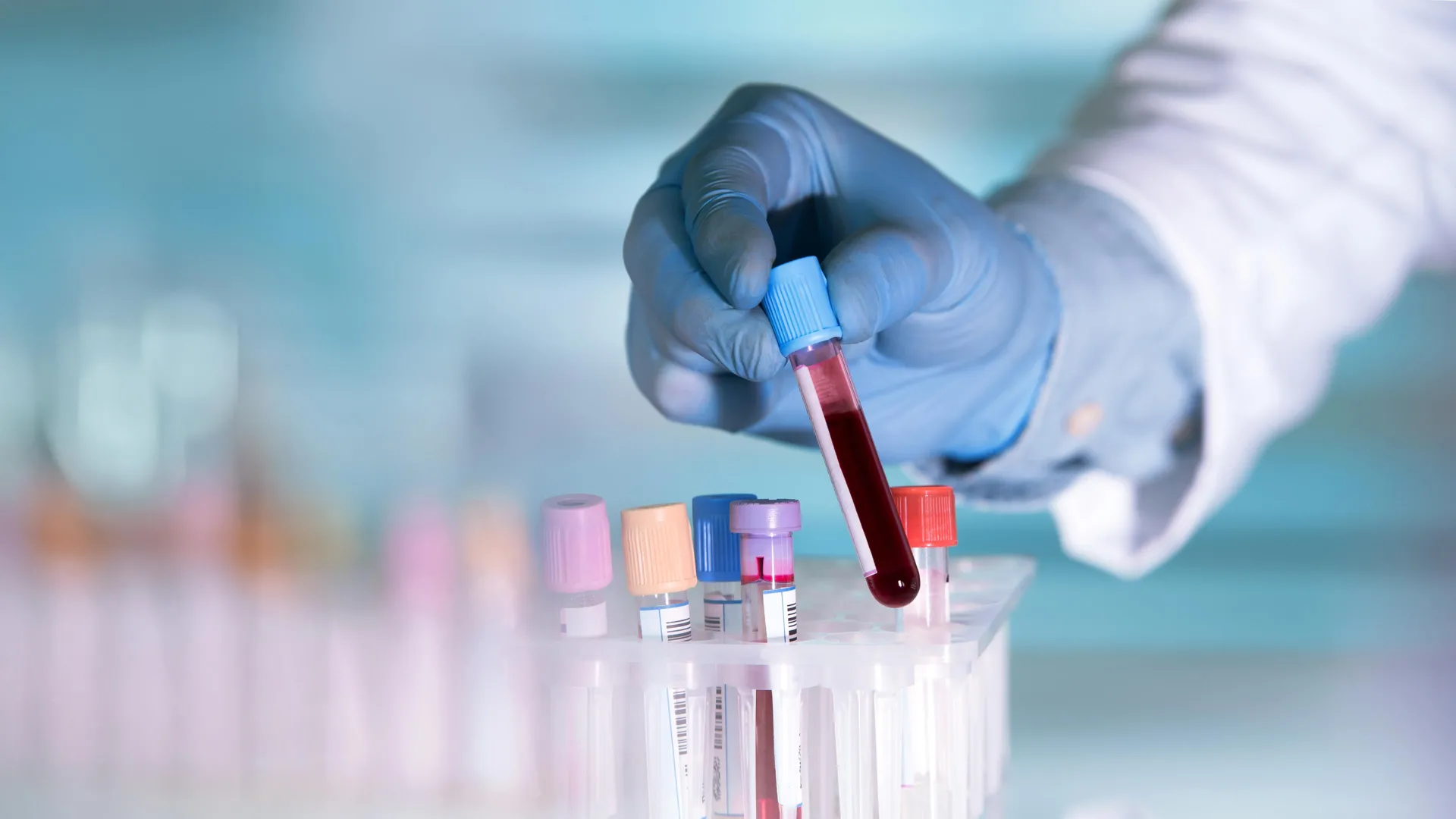
In parallel, blood samples from these participants were subjected to rigorous analysis to measure biological aging. This was achieved through the application of two distinct types of epigenetic clocks. The first clock provided a broad assessment of aging across multiple cell types and tissues, offering a systemic view of biological wear and tear. The second, more targeted clock, focused specifically on monocytes. Monocytes are a crucial type of white blood cell integral to the body’s immune responses, playing a significant role in the pathogenesis of HIV infection and frequently found in elevated numbers in individuals experiencing depression.
A Striking Correlation: Aging Immune Cells and Emotional Distress
The findings from this comprehensive analysis revealed a robust and compelling association between the aging of monocytes and the presence of non-somatic symptoms of depression. This correlation was observed consistently across both women with and without HIV, encompassing symptoms such as anhedonia, profound feelings of hopelessness, and a pervasive sense of personal failure.
"This is particularly interesting because people with HIV often have physical symptoms like fatigue that are attributed to their chronic illness rather than a depression diagnosis," explained Dr. Perez. "But this flips that on its head because we found that these measures are associated with mood and cognitive symptoms, not somatic symptoms." This observation is critically important, as it suggests that the aging of these specific immune cells may be a more direct indicator of the emotional and cognitive toll of depression, potentially circumventing the confounding factor of physical symptoms often present in chronic illnesses like HIV.
Intriguingly, the broader epigenetic clock, which measured aging across a wider array of cell types, did not demonstrate a similar linkage to depression symptoms. This specificity suggests that the aging process within monocytes holds unique significance in the context of depressive symptomatology.
Implications for Early Detection and Precision Medicine
While Dr. Perez and her team emphasize that further extensive research is imperative before these findings can be translated into routine clinical practice, the results offer a tantalizing glimpse into a future where depression could be identified with greater speed and accuracy through objective biological testing. Such advancements hold the potential to revolutionize the diagnostic landscape of mental health.
The implications extend beyond mere detection. This research could pave the way for more personalized and effective treatment strategies. By understanding the specific biological underpinnings of an individual’s depression, clinicians might be better equipped to predict which therapeutic interventions, including pharmacological treatments, are most likely to yield positive outcomes for that specific patient. This move towards precision mental health care promises to optimize treatment efficacy and minimize the trial-and-error often associated with current psychiatric interventions.
"I think about the adage, ‘What gets measured gets managed,’" Dr. Perez stated. "An aspirational goal in mental health would be to combine subjective experience with objective biological testing. Our findings bring us a step closer to this goal of precision mental health care, especially for high-risk populations, by providing a biological framework that could guide future diagnosis and treatment." This vision of integrating subjective patient experience with objective biological data represents a significant leap forward in the quest for comprehensive mental health management.
Broader Impact and Future Directions
The scientific community has long sought objective biomarkers for mental health conditions, recognizing the limitations of purely subjective diagnostic criteria. This study, by pinpointing a specific biological mechanism – the aging of monocytes – that correlates with key depressive symptoms, provides a crucial piece of this complex puzzle. The ability to differentiate between the somatic and emotional/cognitive presentations of depression through biological markers could lead to more targeted interventions. For instance, individuals whose depression is strongly linked to monocyte aging might benefit from treatments that address inflammation or immune dysregulation, in addition to traditional antidepressant therapies.
The study’s inclusion of women with HIV is particularly noteworthy. Depression is a significant barrier to long-term health management for this population, impacting adherence to life-saving medications and overall quality of life. A diagnostic tool that can reliably identify depression in this group, irrespective of their physical symptoms, could lead to earlier interventions and improved health outcomes, potentially reducing the burden of co-morbid depression and its sequelae.
A Glimpse into the Research Timeline
The research leading to these findings represents a culmination of several years of dedicated scientific inquiry. The Women’s Interagency HIV Study, a longitudinal cohort study established in the early 1990s, has been instrumental in providing the robust data and participant base necessary for such complex investigations. The initial conceptualization of exploring biological markers for depression, particularly in relation to aging and immune function, likely emerged in the late 2010s, as advancements in epigenetics and immunology offered new avenues for research. The recruitment and detailed phenotyping of participants for this specific study would have occurred over a period of several years, followed by extensive laboratory analysis of blood samples and sophisticated statistical modeling. The publication in The Journals of Gerontology marks a significant milestone, indicating peer review and validation by the scientific community. This timeline underscores the rigorous and protracted nature of scientific discovery.
Official Responses and Endorsements
While direct official responses from major mental health organizations were not detailed in the original article, the implications of this research would undoubtedly be met with significant interest. Organizations such as the National Institute of Mental Health (NIMH) and the World Health Organization (WHO), which advocate for improved mental health diagnostics and treatments, would likely view these findings as a crucial step forward. Funding bodies like the National Institute of Mental Health (grant numbers F32MH129151, P30MH075673) and the National Institute on Minority Health and Health Disparities (grant number K08MD019998) demonstrate the recognized importance of this line of research in addressing significant public health challenges. The scientific consensus generally supports the pursuit of objective biomarkers for mental health conditions, recognizing the limitations of current subjective diagnostic methods.
The Path Forward: Precision Mental Health
The ultimate aspiration, as articulated by Dr. Perez, is a future of "precision mental health care." This vision entails a diagnostic framework that seamlessly integrates the individual’s lived experience of symptoms with objective biological data. Such an approach promises not only earlier and more accurate diagnosis but also the tailoring of treatments to an individual’s unique biological profile, thereby enhancing therapeutic effectiveness and minimizing adverse outcomes. The continued exploration of epigenetic markers, alongside other biological indicators, is poised to redefine our understanding and management of depression, moving us closer to a more scientifically informed and patient-centered approach to mental well-being. The collaborative efforts of institutions like NYU Rory Meyers College of Nursing, Yale University, Johns Hopkins University, Albert Einstein College of Medicine, the University of Miami Miller School of Medicine, Stroger Hospital of Cook County Health System, the University of Alabama at Birmingham, UNC Chapel Hill, Downstate Health Sciences University, Georgetown University, and Emory University highlight the interdisciplinary nature of this critical research endeavor.
