
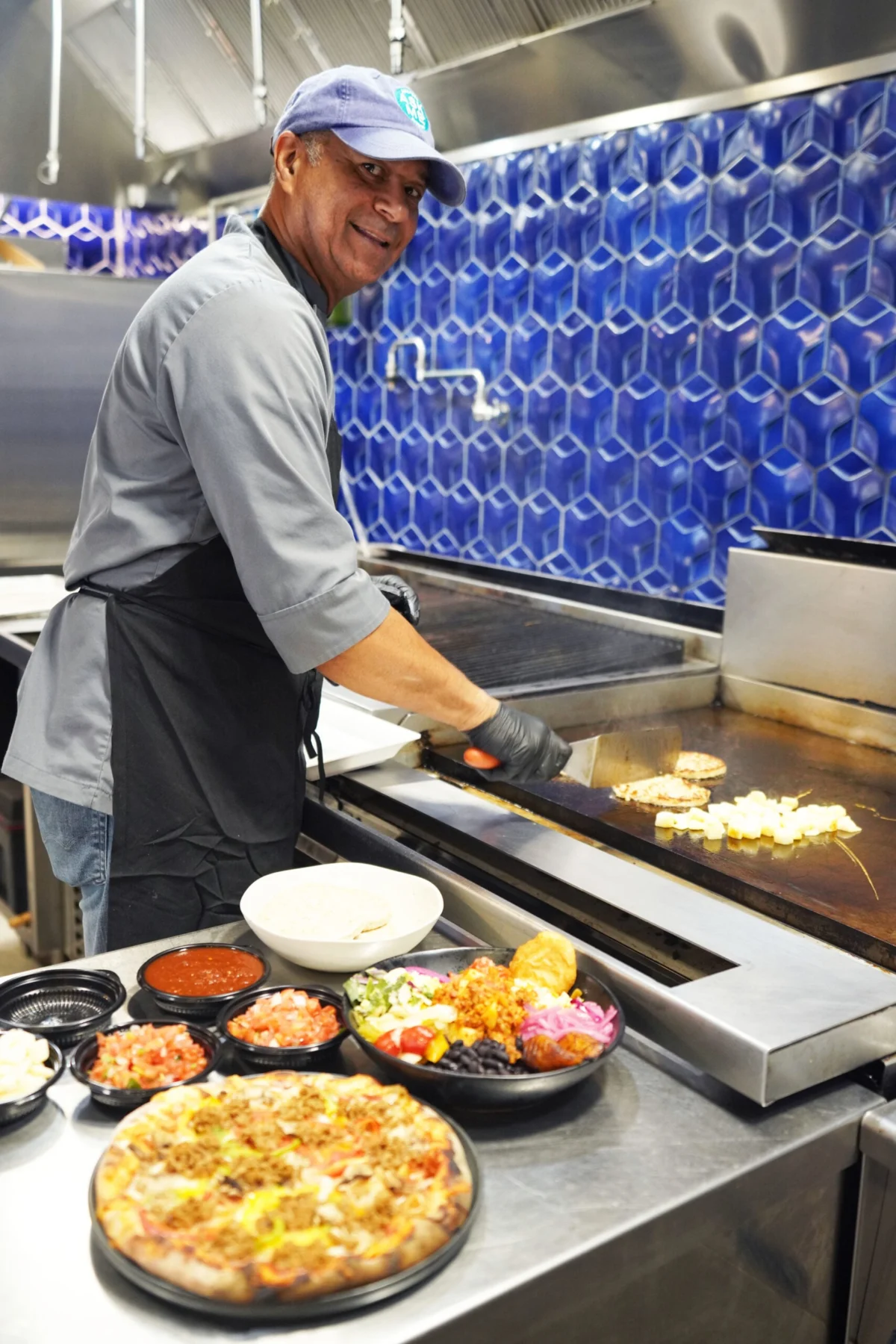
Duke University has announced a major expansion of its campus sustainability initiatives, confirming a strategic partnership with Dubai-based plant-based protein manufacturer Nadura Foods. Beginning with the Fall 2026 semester, Duke Dining—the university’s comprehensive foodservice program in North Carolina—will integrate Nadura’s clean-label, rice- and pea-protein-based meat alternatives into menus across campus. This development marks a significant milestone in higher education catering, as universities increasingly look toward innovative food technology to meet climate goals, satisfy evolving student demographics, and address the growing demand for nutritious, sustainable campus dining experiences.
The collaboration involves introducing Nadura’s versatile range of plant-based beef, chicken, and kebab alternatives to diverse dining locations operated under the Duke Dining umbrella, including popular campus eateries managed through Brenen’s Restaurant Group partners such as Sazón, Il Forno, The Chef’s Kitchen, Sub Central, and the Breezy Beverage Company. By shifting focus from niche vegetarian alternatives to fully integrated, center-of-the-plate protein options, the university aims to normalize plant-forward eating habits for thousands of undergraduate and graduate students, faculty members, and campus visitors.
Background Context of the Partnership and the Rise of Plant-Forward Campus Dining
The decision by Duke University to partner with an international alternative protein producer highlights a broader transformation taking place across higher education institutions in North America. For decades, campus dining halls struggled to offer compelling, protein-dense vegetarian options that extended beyond traditional beans, lentils, and processed soy patties. However, the rise of the "flexitarian" consumer—individuals who actively reduce their meat consumption without fully committing to a vegetarian or vegan diet—has forced university foodservice operators to rethink their culinary strategies.
Concurrently, universities are under mounting pressure from student bodies, faculty councils, and institutional investors to address their carbon footprints. Animal agriculture is widely recognized as a major contributor to global greenhouse gas emissions, land use change, and water consumption. By incorporating plant-forward menus that mirror familiar flavors and textures, major research universities like Duke can significantly lower their scope 3 emissions—indirect emissions associated with supply chains—while simultaneously educating the campus community on the intersection of nutrition, human health, and environmental stewardship.

Nadura Foods, launched in 2024 as a subsidiary of the legacy Emirati manufacturer Food Specialties Limited, entered the alternative protein sector specifically to solve the logistical and culinary challenges faced by professional chefs. Unlike many ultra-processed retail meat alternatives that rely on long lists of artificial additives, chemical preservatives, and stabilizers, Nadura’s product line focuses on a clean-label ethos. Utilizing a base of rice and pea protein, the company formulates burgers, ground mince, nuggets, and kebabs designed to withstand the rigorous demands of high-volume commercial kitchens while retaining moisture, texture, and nutritional value.
Chronology and Implementation Timeline Leading to Fall 2026
The integration of Nadura Foods into Duke Dining’s operations is the result of months of culinary testing, administrative planning, and sustainability auditing. The timeline for this institutional shift reflects the meticulous nature of university foodservice procurement:
- 2024: Nadura Foods is officially launched in the United Arab Emirates by Food Specialties Limited, quickly establishing itself as a specialized B2B ingredient provider for Middle Eastern hospitality and foodservice providers under the leadership of co-founders Neha Jamani and Dhruv Dhawan.
- Early 2025: Duke Dining leadership establishes updated sustainability benchmarks, committing to measurable goals that increase the visibility and availability of plant-forward proteins across all campus dining locations.
- Mid-to-Late 2025: Culinary teams at Duke University begin testing various international alternative protein products to evaluate consistency, ease of preparation, nutritional profile, and student appeal. Nadura’s products are selected for their adaptability across diverse global cuisines.
- Early 2026: Formal negotiations and partnership agreements are finalized between Duke Dining, Brenen’s Restaurant Group, and Nadura Foods. Distribution channels are established in the United States via major foodservice distributors Sysco and US Foods.
- Fall 2026 Semester: The official rollout takes place across Duke University campus dining halls, introducing Nadura-based beef, chicken, and kebab substitutes into daily breakfast, lunch, and dinner rotations.
Nutritional Profiling and Culinary Versatility in Professional Kitchens
A primary hurdle for institutional caterers adopting plant-based meats has been nutritional consistency and culinary flexibility. Many early-generation meat analogs suffered from excessive sodium levels, lack of dietary fiber, or structural degradation when subjected to high-heat commercial cooking methods.
Nadura’s product formulations are explicitly engineered to overcome these limitations. Depending on the specific product variant, offerings deliver between 12 and 25 grams of protein per 100-gram serving, alongside 2 to 3 grams of dietary fiber (with the exception of nuggets, which contain less than 1 gram of fiber). Furthermore, the absence of artificial preservatives and chemical flavor enhancers aligns with growing consumer preference for clean-label foods.
For executive chefs and culinary staff, working with unfamiliar ingredients often demands extensive recipe retraining. Culinary medicine chef and Nadura co-founder Neha Jamani emphasized that the product line was designed from the perspective of a working professional kitchen. By providing a neutral yet savory protein base, chefs can apply their own signature sauces, marinades, and regional flavor profiles without losing structural integrity.
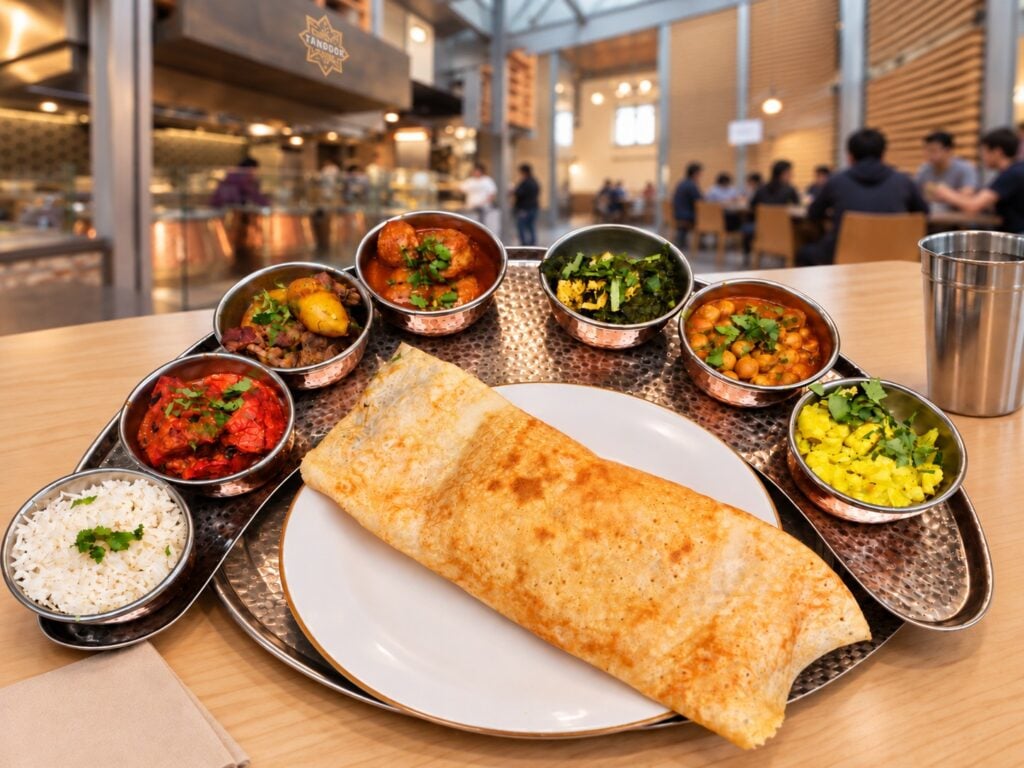
At Duke University, this adaptability has allowed the culinary team to experiment far beyond traditional burger patties. The upcoming Fall 2026 menus feature Nadura proteins seamlessly integrated into a wide array of international dishes, including savory crepes, artisanal pizzas, gourmet pastas, authentic ramen bowls, Indian dosas, and spiced chorizo-style preparations.
Official Statements and Stakeholder Reactions
The partnership has garnered enthusiastic responses from university administrators, foodservice developers, and the executive leadership of Nadura Foods.
Grayson Crabtree, Program Director of Duke Dining, underscored the practical benefits of the collaboration for everyday campus life. "This collaboration gives Duke Dining another versatile way to bring plant-forward and protein-rich options into everyday menus while continuing to expand the variety and quality of our offerings," Crabtree stated. "Most importantly, it allows us to provide choices that we believe our students and the broader Duke community will genuinely enjoy."
Don Qualls, Vice President for University Dining Development at Brenen’s Restaurant Group—which oversees key campus dining concepts such as Sazón, Il Forno, The Chef’s Kitchen, Sub Central, and Breezy Beverage Company—described the agreement as a significant operational leap forward. "Nadura gave our chefs the freedom to create plant-forward dishes that are satisfying and fully integrated into the dining experience, rather than simply offered as an alternative," Qualls noted.
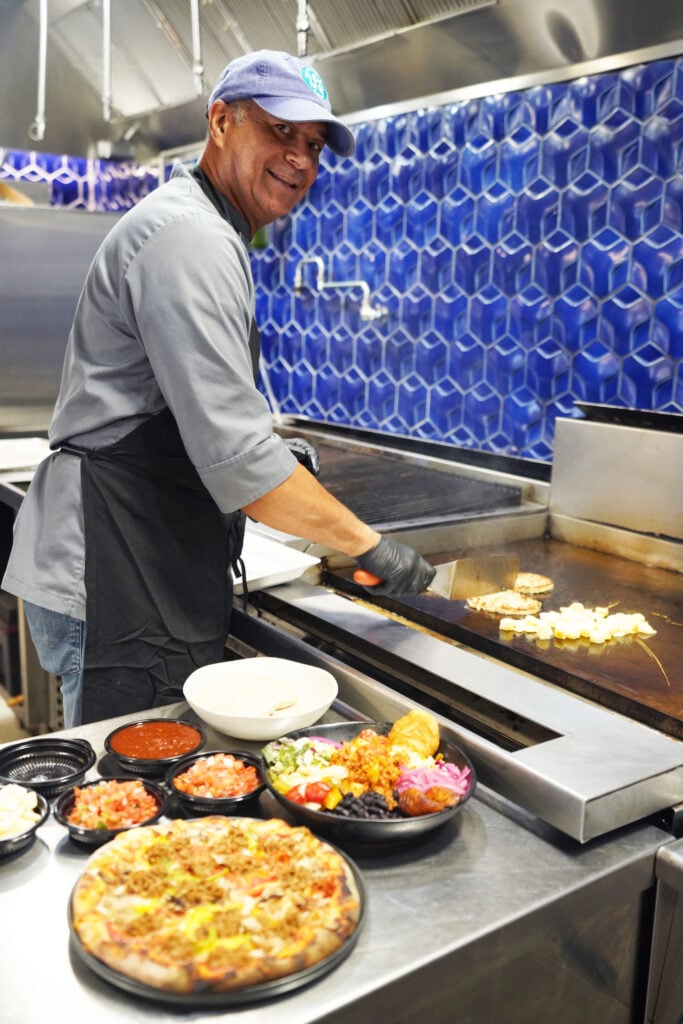
From the manufacturing perspective, Nadura’s executive leadership views the Duke University partnership as a strategic gateway into the North American institutional market. Dhruv Dhawan, co-founder and executive director of Nadura Foods, pointed out the unique demographic balance required in modern university dining. "Duke Dining is showing how a leading university can meet the needs of vegans and vegetarians while also appealing to the broader flexitarian audience seeking familiar flavors, satisfying meals, and strong protein content," Dhawan remarked.
Broader Industry Implications and Future Market Outlook
The collaboration between Duke University and Nadura Foods reflects a broader paradigm shift in how alternative protein companies market their products. Rather than relying solely on retail grocery shelves—where competition with legacy meat brands and established plant-based giants is fierce—emerging B2B brands are increasingly targeting institutional foodservice sectors, including universities, healthcare systems, corporate campuses, and hospitality venues.
By securing high-profile institutional clients like Duke University, international startups can achieve substantial volume sales while building direct brand awareness among Generation Z consumers—a demographic statistically more likely to prioritize environmental sustainability and ethical consumption in their purchasing decisions.
As major broadline distributors such as Sysco and US Foods continue to streamline the supply chain for international clean-label proteins, the barriers to entry for sustainable institutional catering are steadily decreasing. For Duke University, this partnership serves as both a practical dining solution and a public reaffirmation of its institutional sustainability pledges. As the Fall 2026 launch approaches, industry observers will closely monitor student adoption rates, menu diversity metrics, and the potential replication of this foodservice model at other major American research institutions.
