
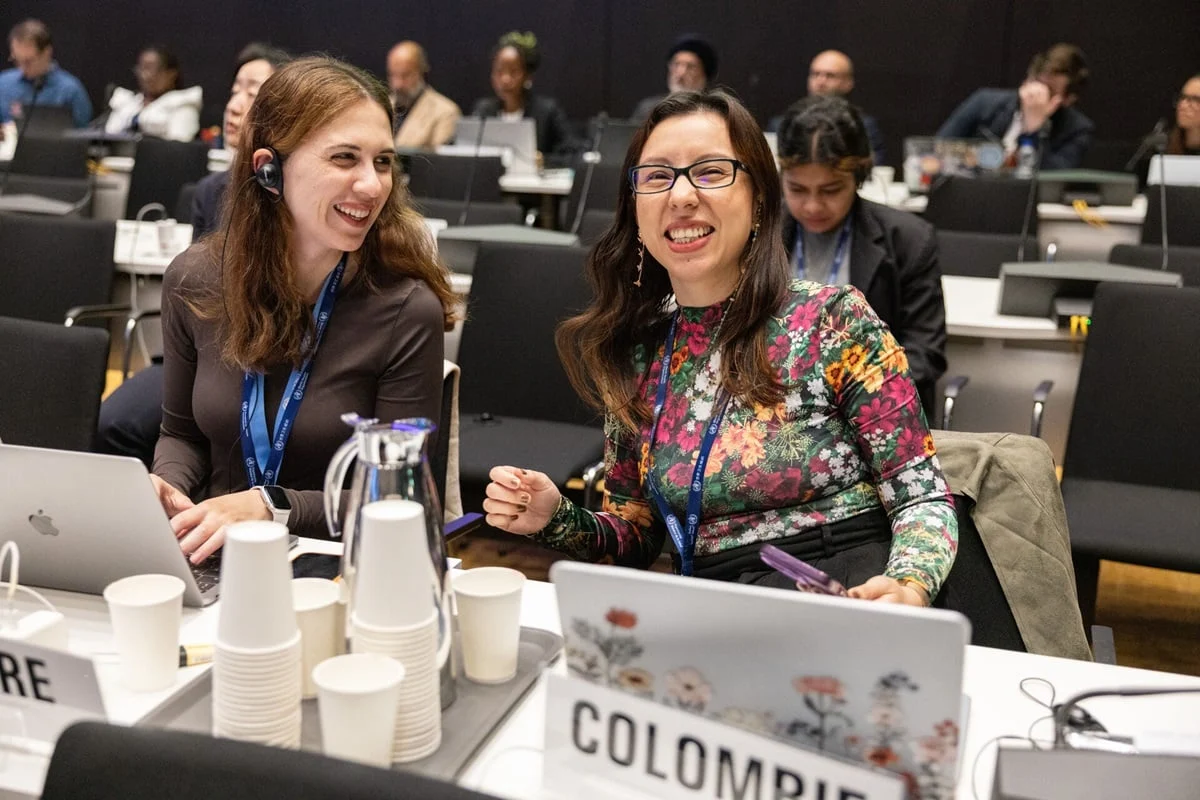
The Seventy-ninth World Health Assembly (WHA79) concluded this week in Geneva, Switzerland, marking a pivotal moment in international public health governance as Member States adopted more than 20 decisions and 13 resolutions designed to reshape the global health landscape. Bringing together delegations from 194 Member States, the Assembly addressed a formidable range of clinical, administrative, and political challenges, ranging from the immediate threats of antimicrobial resistance and infectious diseases to the structural reform of the global health architecture. The week-long session served as a platform for high-level diplomacy, resulting in significant policy updates for stroke management, liver disease, tuberculosis, diagnostic imaging, and radiation safety. Beyond clinical guidelines, the Assembly signaled a shift toward a more integrated approach to health, emphasizing the inextricable links between economic policy, workforce ethics, and universal health coverage.
Strengthening the Global Health Architecture and Administrative Reform
A primary focus of the Assembly was the systemic reform of how the world prepares for and responds to health emergencies. Member States reached a consensus to reform the global health architecture through a process that is notably Member State-led but hosted by the World Health Organization (WHO). This joint process aims to streamline international cooperation, ensuring that the WHO remains the central coordinating authority while allowing individual nations to have a more direct hand in shaping emergency protocols. This decision comes in the wake of the COVID-19 pandemic, which exposed significant vulnerabilities in international communication and resource distribution.
At the closing ceremony, WHO Director-General Dr. Tedros Adhanom Ghebreyesus expressed his gratitude to the Assembly’s leadership. He presented ceremonial gavels to the President of the Seventy-ninth WHA, Dr. Víctor Atallah Lajam, Minister of Health of the Dominican Republic, and to the Chairs of the two main committees: Dr. Timur Sultangaziyev of Kazakhstan (Committee A) and Dr. Kwabena Mintah Akandoh of Ghana (Committee B). Dr. Tedros’s closing remarks emphasized the necessity of translation from policy to practice. He reminded the delegates that the true value of their resolutions is measured not in the halls of Geneva, but in the clinics, communities, and households where health services are delivered. He noted that the task ahead requires sustained financing and political commitment to ensure that vaccinated children and surviving mothers become the standard, not the exception.
Ethical Recruitment and the Protection of the Global Health Workforce
In a move addressing the chronic shortage of healthcare professionals worldwide, Member States approved critical amendments to the WHO Global Code of Practice on the International Recruitment of Health Personnel. This update represents the first significant revision to the Code in 16 years, since its initial adoption in 2010. The Code was originally established to mitigate the "brain drain" from developing nations, where the migration of skilled health workers to wealthier countries often leaves local health systems depleted.
The new amendments broaden the scope of the Code to include personnel recruited for employment as care workers, reflecting the growing global demand for long-term care and elderly support. Furthermore, the revisions clarify how the Code’s recommendations should be applied during global health emergencies, ensuring that international recruitment does not compromise the emergency response capabilities of source countries. A key feature of the updated resolution is the encouragement of "co-investment." This principle suggests that destination countries—those benefiting from the influx of foreign-trained talent—should invest back into the health systems and training infrastructures of the source countries. This creates a more equitable "circular" benefit, supporting global health security by maintaining a robust workforce in all regions.
The Expert Advisory Group (EAG), which recommended these changes, noted that while there has been progress in data collection regarding migrant health workers, many source countries still require substantial support to strengthen their domestic health systems. The resolution is viewed as a milestone in advancing health equity and fostering ethical governance in the international mobility of the health workforce.
The Economics of Health for All: A Paradigm Shift in Policy
One of the most forward-looking outcomes of the Assembly was the adoption of the "Strategy on the economics of health for all (2026–2030)." This decision represents a fundamental shift in how governments view health spending, moving away from the traditional perspective of health as a "cost" or a "drain on the budget" and toward viewing it as a primary driver of economic stability and prosperity.
The strategy outlines a vision where economic, fiscal, and industrial policies are systematically aligned with health outcomes. Delegates argued that health and economic prosperity are deeply interconnected; a healthy population is more productive, and a resilient health system protects the economy from the shocks of pandemics and climate change. The strategy aims to equip countries with the technical capacity to engage more effectively with finance ministries and international financial institutions. By placing well-being and equity at the center of financing decisions, the WHO intends to help countries navigate what many described as a "global health financing emergency." The focus is on creating "well-being-oriented economies" that prioritize essential public goods and the sustainable financing of universal health coverage.
Addressing the "Silent Pandemic": The 10-Year Plan for Antimicrobial Resistance
The Assembly took a decisive stand against antimicrobial resistance (AMR), often referred to as a "silent pandemic" that threatens to undo a century of medical progress. Member States approved the updated Global Action Plan on Antimicrobial Resistance (GAP-AMR) for the period 2026–2036. The urgency of this plan is underscored by staggering data: in 2021 alone, bacterial AMR was associated with an estimated 4.71 million deaths. Without intervention, projections suggest that AMR could cause up to 39 million deaths by 2050.
The new 10-year plan utilizes a "One Health" approach, which recognizes that the health of humans, animals, and the environment are linked. The strategy sets a target to reduce bacterial AMR-associated deaths by 10% by 2030, a goal aligned with the 2024 UN General Assembly targets. To achieve this, the plan emphasizes the appropriate use of existing antimicrobials, the reduction of antimicrobial use in agrifood systems, and the mitigation of environmental pollution from resistant microbes.
Currently, WHO’s Global Antimicrobial Resistance and Use Surveillance System (GLASS) reports that one in six common bacterial infections in 2023 showed resistance to standard antibiotic treatments. While 170 countries have developed national action plans since the first GAP-AMR in 2015, the new plan stresses that sustainable action requires mainstreaming AMR interventions into broader health system strengthening efforts, backed by accountable governance and sustainable financing.
First-Ever Global Resolution on Radiation and Health
For the first time in the history of the World Health Assembly, Member States agreed on a comprehensive resolution regarding radiation and health. The resolution, titled "Radiation and health: strengthening global protection, preparedness and response," covers both ionizing radiation (such as X-rays and radioactive materials) and non-ionizing radiation (such as ultraviolet rays and electromagnetic fields).
The resolution acknowledges that radiation exposure is a widespread reality stemming from medical, environmental, and occupational sources. It highlights the significant global cancer burden contributed by natural sources, such as radon gas and ultraviolet (UV) radiation. Furthermore, the Assembly recognized the unique vulnerabilities of pregnant women and children to radiation risks.
Under this new mandate, Member States have committed to strengthening national radiation protection systems. This includes better monitoring of exposure levels, enhanced workforce training, and the integration of radiation risk management into public health programs. The resolution also calls for the safe and equitable use of radiation in essential medical services like radiotherapy and diagnostic imaging. The WHO has been tasked with conducting a global mapping of radiation initiatives to identify gaps in protection and will report back on progress to the Assembly in 2028.
Clinical Breakthroughs and Broad Implications
In addition to the major strategies mentioned above, the Assembly passed resolutions addressing specific clinical conditions that contribute significantly to global mortality and morbidity. These include:
- Stroke and Liver Disease: New frameworks were established to improve the prevention, diagnosis, and treatment of these conditions, which remain leading causes of death worldwide.
- Emergency Care and Precision Medicine: Resolutions aimed at standardizing emergency medical responses and integrating precision medicine—tailoring treatment to individual genetic profiles—into public health systems.
- Haemophilia and Rare Diseases: The Assembly called for better access to specialized treatments and diagnostic tools for patients with rare blood disorders.
Analysis: The Challenge of Implementation
While the Seventy-ninth World Health Assembly has been hailed as a success in terms of policy consensus, the broader implication remains the challenge of implementation. The transition from "Geneva resolutions" to "community clinics" requires more than just signatures on a document. As Dr. Tedros noted, it requires a mobilization of political will and a significant increase in international cooperation.
The focus on the "Economics of Health for All" suggests that the WHO is increasingly aware that health goals cannot be met without the cooperation of treasury and finance departments. Similarly, the AMR action plan demonstrates a shift toward long-term, decade-long planning rather than reactive, short-term fixes. The emphasis on ethical recruitment also shows a growing recognition of the interdependence of nations; a health crisis in a source country due to a lack of doctors can quickly become a global security threat.
As the Assembly closed, the consensus among delegates was that the 2026–2030 window will be critical for achieving the Sustainable Development Goals (SDGs). The resolutions passed this week provide the roadmap, but the global community now faces the difficult task of funding and executing these ambitious plans in an era of geopolitical tension and economic uncertainty. The progress of these initiatives will be monitored closely, with several key reports due back to the Assembly between 2026 and 2030, serving as benchmarks for a world striving for universal health coverage and improved global health security.
