
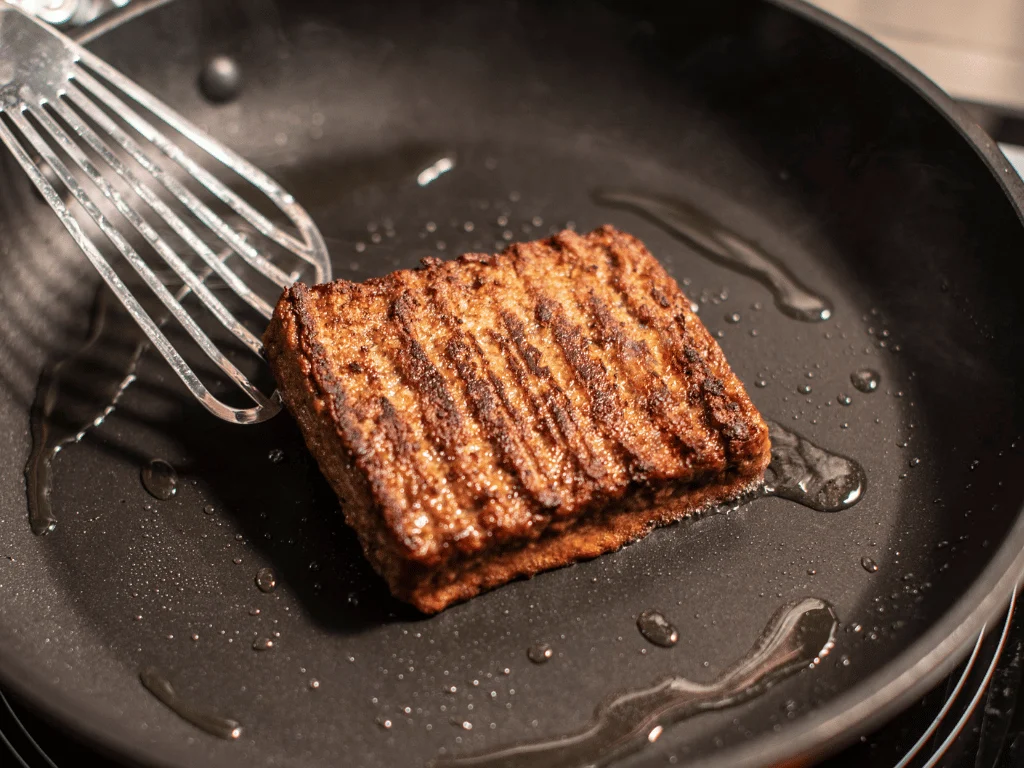
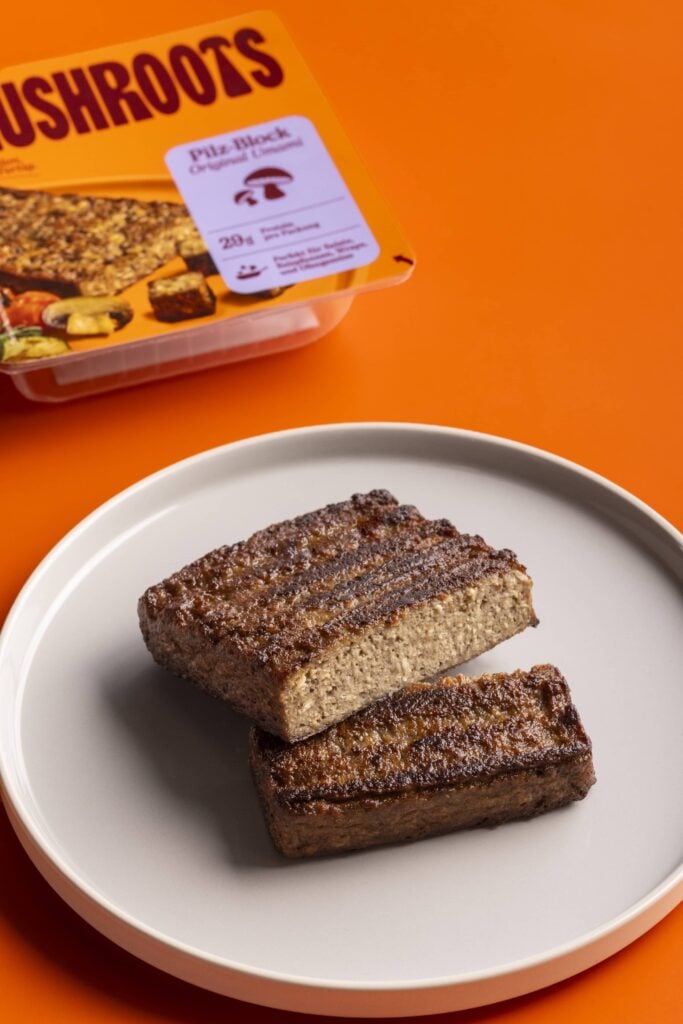
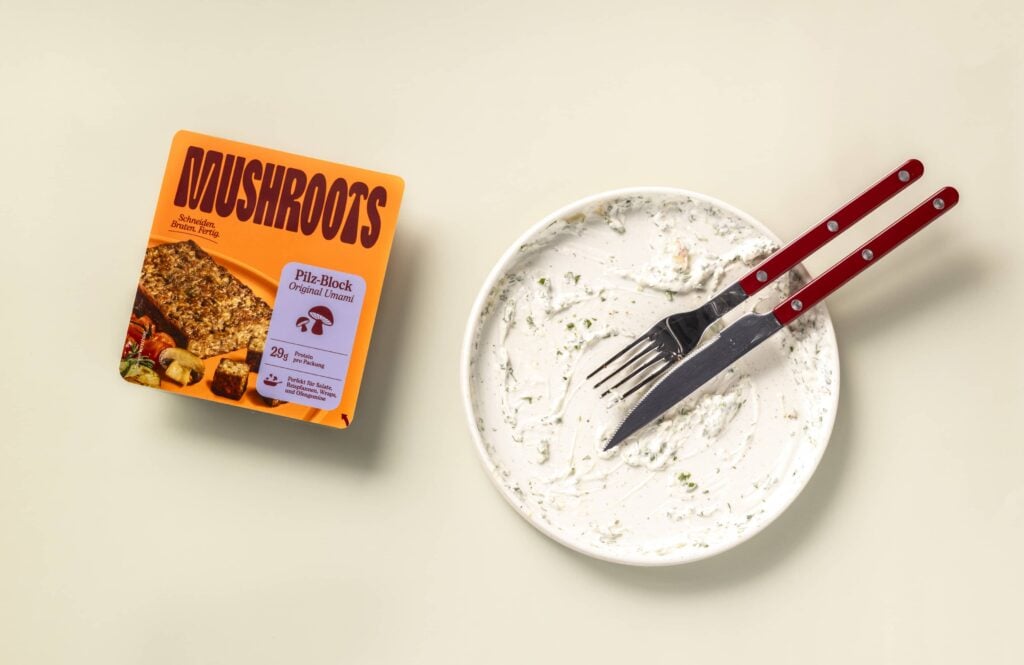
Hamburg-based fermentation innovator Infinite Roots has officially expanded its alternative protein footprint with the debut of the MushRoots Umami Block, a versatile, whole-food product crafted primarily from button mushrooms. Containing 18 grams of protein per 100-gram serving, the new release represents a strategic shift away from ultra-processed meat analogues and toward natural, nutrient-dense whole-food ingredients. The launch arrives as the company concurrently develops its advanced mycelium fermentation platform, positioning itself at the dual intersection of traditional agricultural crops and cutting-edge biotechnology.
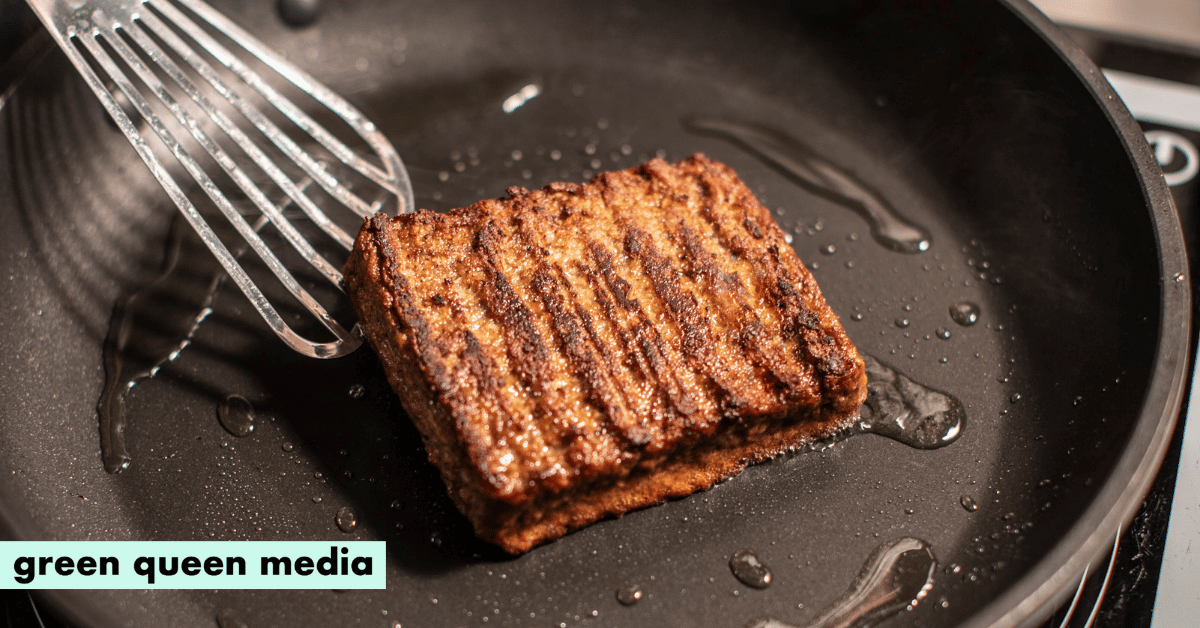
The MushRoots brand has already established a strong presence in European retail, currently stocked across more than 1,000 Rewe supermarket locations in Germany and Austria. While the brand’s previous offerings—including mushroom-based meatballs, mince, and burger patties—leveraged high percentages of whole mushrooms combined with wheat protein, the newly introduced Umami Block offers consumers a pre-seasoned, highly adaptable culinary format. Designed to be sliced for sandwiches, diced into stews, or pan-fried as a salad topper, the product aims to capitalize on the natural savory profiles inherent in fungi.
Strategic Evolution from Meat Mimics to Whole Foods
The introduction of the Umami Block aligns with a broader macroeconomic and consumer trend sweeping the European food industry. For years, the alternative protein sector focused heavily on replicating the sensory experiences of animal-based meat through highly processed formulations. However, consumer demand has increasingly pivoted toward clean-label, minimally processed foods that emphasize recognizable ingredients and nutritional transparency.
Market data underscores this shift. In Germany, which stands as Europe’s largest market for plant-based foods, sales of traditional whole-food protein alternatives such as tofu, tempeh, and seitan surged by 29% over the preceding year. By comparison, the broader category of conventional meat alternatives experienced a marginal growth rate of just 0.2%. Industry leaders are taking note of this divergence. Across the continent, companies are diversifying their portfolios to include veg-led options, ranging from mushroom-based tofu alternatives to chickpea-based innovations and whole-cut vegetable formats.
According to Infinite Roots co-founder and Chief Executive Officer Mazen Rizk, the strategic decision to embrace mushrooms as a standalone category stems from their innate culinary advantages. Rather than attempting to mask plant proteins to mimic beef, pork, or poultry, the company is leaning into the distinct texture and natural umami characteristics of mushrooms to deliver products that consumers select primarily for their superior taste and clean ingredient decks.
Product Composition and Nutritional Profile
The MushRoots Umami Block is formulated without the use of mycelium fermentation, relying instead on conventional button mushrooms as its principal component. Mushrooms comprise 45% of the total product weight. The formulation combines these fungi with complementary plant-based proteins, including wheat and potato proteins, alongside rapeseed and sunflower oils, wheat flour, onions, starch, spices, natural flavors, psyllium husk, buffered vinegar, dextrose, salt, and a touch of lemon juice concentrate.
Nutritionally, the block delivers a robust macronutrient profile. Each 100-gram serving provides 18 grams of protein, 3 grams of dietary fiber, and 11 grams of total fat, of which less than 1 gram is saturated fat. This balance allows the product to serve as a functional, high-protein meal component that fits cleanly within health-conscious dietary frameworks without relying on complex chemical binders or synthetic additives.
Because the Umami Block is manufactured using conventional edible mushrooms rather than fermented fungal biomass, it bypasses the stringent regulatory hurdles associated with novel foods. The product complies fully with standard food safety regulations and conventional food labeling mandates, allowing for a streamlined commercial rollout across retail channels in Germany and Austria.
Chronology and Corporate Growth
Founded in 2018, Infinite Roots has spent nearly a decade building an integrated biotechnology platform that spans from fermentation feedstock preparation to cultivation and final food product development. The firm’s technical capabilities hinge on optimizing fungal strains, nutrient inputs, and environmental growing conditions to tailor the flavor, texture, and nutritional output of its harvested biomass.
The company’s corporate trajectory has been marked by significant capital raises, strategic acquisitions, and international expansion efforts. To date, Infinite Roots has secured approximately $73 million in venture funding to scale its operations. A major milestone in its consolidation strategy occurred earlier in the year when the company acquired Bosque Foods, a move designed to bolster its fermentation portfolio and integrate whole-cut meat analogues into its broader product pipeline.
Concurrently, Infinite Roots has actively pursued public-private research partnerships to enhance the sustainability of its supply chain. The firm has collaborated with the Hamburg University of Technology on a specialized initiative backed by a €2.6 million grant from the German Federal Ministry of Food and Agriculture. This project focuses on developing proprietary technology capable of transforming industrial food processing waste, specifically dairy whey, into a viable, upcycled feedstock for mycelium cultivation.
Navigating Regulatory Landscapes and International Markets
While the conventional mushroom product line under the MushRoots brand provides immediate retail revenue and bypasses complex regulatory delays, Infinite Roots’ foundational technology remains rooted in submerged fermentation. This scientific process involves growing edible mushroom mycelial cells in a liquid nutrient medium, frequently utilizing agricultural and food industry side streams—such as brewers’ spent grain generated during beer production—as growth media. After a brief cultivation cycle, the mycelium is harvested, separated from the liquid, and blended with natural seasonings.
However, scaling novel fermentation products has presented regulatory challenges for the company within certain jurisdictions. Regulatory friction in the European Union previously prompted Infinite Roots to diversify its geographic market strategy. In 2024, the company formed a strategic partnership with South Korean food conglomerate Pulmuone. Through this collaboration, Infinite Roots introduced mushroom-based meatballs and steaks under Pulmuone’s Earth Diet line, successfully penetrating the East Asian market while European regulatory reviews for novel mycelium applications progressed.
Additionally, while Infinite Roots previously achieved a self-determined Generally Recognized as Safe (GRAS) designation for its oyster mushroom mycelium in the United States, the company subsequently rescinded its safety evaluation request with the U.S. Food and Drug Administration to update its comprehensive safety dossier. Leadership remains committed to advancing these regulatory pathways over the long term.
Outlook and Future Priorities
As Infinite Roots enters the next phase of its corporate development, leadership has outlined a clear two-pronged operational strategy for the coming year. The primary objectives center on advancing the company’s proprietary mycelium technology platform while aggressively scaling the MushRoots brand to firmly establish mushrooms as a recognized, autonomous category on mainstream supermarket shelves.
The successful commercialization of the Umami Block demonstrates that food tech innovators can successfully bridge the gap between advanced biotechnology and traditional agricultural sourcing. By balancing clean-label, whole-food retail products with deep scientific investments in fermentation and upcycled feedstock utilization, Infinite Roots aims to navigate shifting consumer preferences and regulatory environments while maintaining its position at the forefront of the sustainable protein sector.
