
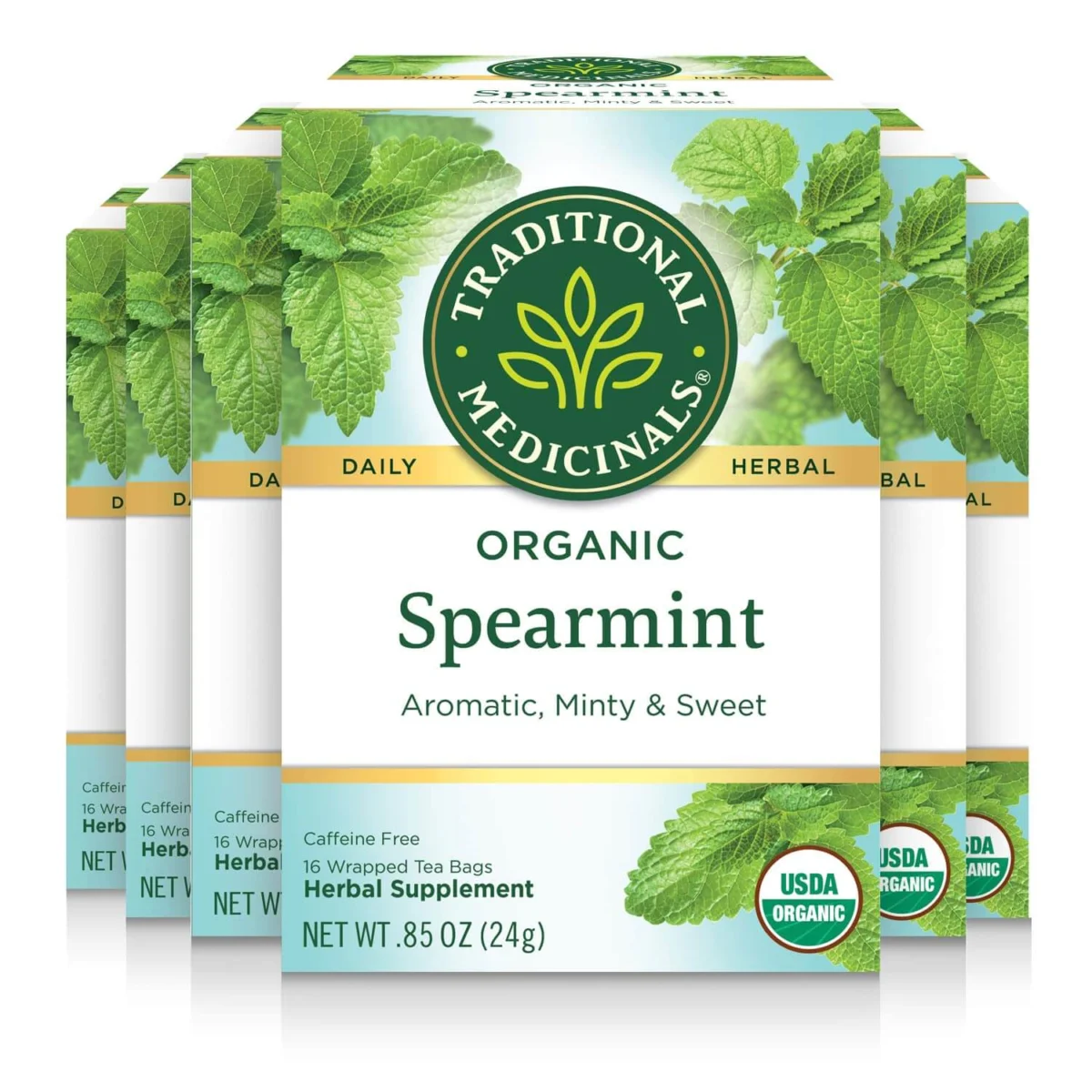
Polycystic Ovary Syndrome (PCOS) remains one of the most prevalent endocrine disorders among women of reproductive age, affecting approximately 5% to 15% of the global female population. Characterized by a complex interplay of hormonal imbalances, insulin resistance, and ovulatory dysfunction, the condition often necessitates a multi-faceted management approach. While pharmacological interventions such as oral contraceptives and metformin are standard, a growing body of clinical research is highlighting the efficacy of botanical supplements. Among these, spearmint tea (Mentha spicata) has emerged as a significant non-pharmacological agent capable of modulating androgen levels and alleviating the distressing physical symptoms associated with the syndrome.
Clinical Foundations and Research Milestones
The scientific interest in spearmint tea as a treatment for PCOS gained significant momentum following a series of clinical trials that investigated its anti-androgenic properties. The most cited evidence comes from a randomized controlled trial published in Phytotherapy Research, which examined the effects of spearmint herbal tea on 42 women diagnosed with PCOS. The participants were divided into two groups: one consuming spearmint tea twice daily for a period of one month, and a control group consuming a placebo herbal tea.
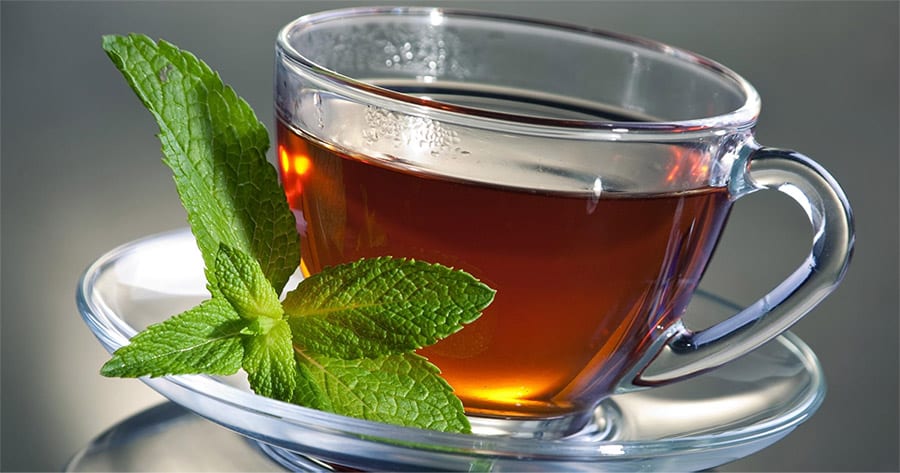
The findings were statistically significant. Women in the spearmint group demonstrated a substantial reduction in both free and total testosterone levels over the 30-day period. Conversely, there was a recorded increase in luteinizing hormone (LH) and follicle-stimulating hormone (FSH). These shifts are critical in the context of PCOS, as the disorder is often defined by a high LH-to-FSH ratio and hyperandrogenism, which inhibits normal ovulation. While the 30-day duration of the study was insufficient to observe a complete clinical reversal of hirsutism (excessive hair growth), the subjective reports from participants indicated a perceived reduction in hair density and growth rate, suggesting that longer-term consumption could yield visible dermatological improvements.
Chronology of Spearmint Research in Reproductive Health
The investigation into spearmint’s medicinal properties has evolved over the last two decades, transitioning from traditional folk medicine to evidence-based clinical application:
- Early 2000s: Initial pilot studies in Turkey first suggested that spearmint extracts could reduce androgen levels in hirsute women, though these studies lacked the rigor of double-blind, randomized trials.
- 2007: A short-term study involving 21 women showed that drinking spearmint tea for only five days during the follicular phase of the menstrual cycle resulted in a significant decrease in free testosterone.
- 2009-2010: The landmark 30-day randomized controlled trial provided the necessary clinical weight to support spearmint as a viable anti-androgen therapy.
- 2013-2015: Research expanded to include the dermatological impacts of spearmint. A 2015 study highlighted by the American Academy of Dermatology indicated that two cups of organic spearmint tea daily could reduce inflammatory acne lesions by 25% after one month and 51% after three months.
- 2017-2018: Recent inquiries have pivoted toward the metabolic and cognitive benefits of spearmint, exploring its role in insulin sensitivity and memory retention.
Mechanisms of Hormonal Modulation
The primary therapeutic value of spearmint tea lies in its ability to inhibit the synthesis of androgens. In women with PCOS, the ovaries or adrenal glands produce excessive amounts of testosterone, leading to symptoms such as hirsutism, cystic acne, and androgenic alopecia (female pattern hair loss). Spearmint is believed to interact with the hypothalamic-pituitary-ovarian axis, potentially reducing the production of ovarian androgens while simultaneously increasing the hormones required for follicular development.
Furthermore, spearmint possesses potent antioxidant properties. Women with PCOS are frequently found to have higher markers of oxidative stress, which can exacerbate insulin resistance and inflammation. The phenolic compounds in spearmint, including rosmarinic acid, act as scavengers for free radicals, thereby protecting cellular integrity and potentially improving the metabolic profile of the patient.
Impact on Hirsutism, Acne, and Hair Loss
The physical manifestations of hyperandrogenism are often the most psychologically taxing aspects of PCOS. Hirsutism, or the growth of coarse, dark hair in male-pattern areas such as the chin, chest, and abdomen, affects up to 70% of women with the condition. Because the hair growth cycle is slow—often spanning several months—the anti-androgenic effects of spearmint tea require consistency. Clinical observations suggest that while hormonal changes occur within weeks, a visible reduction in hirsutism may take six months or longer to manifest.
In terms of dermatological health, the 2015 American Academy of Dermatology report suggests that spearmint tea may serve as a natural alternative to spironolactone, a common prescription for hormonal acne. By lowering the levels of circulating androgens that stimulate the sebaceous glands, spearmint tea helps to reduce sebum production and the subsequent formation of inflammatory lesions.

Additionally, for women experiencing thinning hair on the scalp due to high testosterone, the reduction in androgens provided by spearmint may help stabilize hair follicles. While direct human trials on spearmint and androgenic alopecia are limited, the biological mechanism of lowering dihydrotestosterone (DHT) precursors supports its use as a supportive therapy for hair preservation.
Metabolic and Cognitive Considerations
Beyond reproductive health, spearmint tea demonstrates potential in addressing the metabolic disturbances often seen in PCOS. Insulin resistance is a hallmark of the syndrome, significantly increasing the risk of Type 2 diabetes. Animal studies, specifically those conducted on diabetic rat models, have shown that aqueous extracts of Mentha spicata can lower blood glucose levels and improve lipid profiles. While human-specific data on spearmint and insulin resistance in PCOS is still developing, the preliminary findings suggest a protective metabolic effect.
Cognitive symptoms, frequently described by patients as "brain fog," are also common in PCOS due to hormonal fluctuations and insulin-related energy dips. A 2018 study published in the Journal of Alternative and Complementary Medicine found that spearmint extract improved working memory and mental focus in individuals with age-associated memory impairment. The polyphenols in spearmint may enhance neurotransmitter function, providing a secondary benefit for women struggling with the cognitive fatigue associated with chronic hormonal disorders.

Guidelines for Preparation and Dosage
To achieve the therapeutic effects observed in clinical settings, the method of preparation and the dosage are critical. Most studies utilize a standardized dose of five grams of dried spearmint leaves or approximately two cups of tea per day.
- Preparation: One teaspoon (approx. 1-2 grams) of dried organic spearmint leaves should be steeped in boiling water for 5 to 10 minutes. This duration ensures the extraction of the essential volatile oils and polyphenols responsible for the anti-androgenic activity.
- Consistency: Because herbal interventions work cumulatively, practitioners recommend a minimum of 30 days of consistent use to see hormonal shifts, and 90 to 180 days for physical changes in hair and skin.
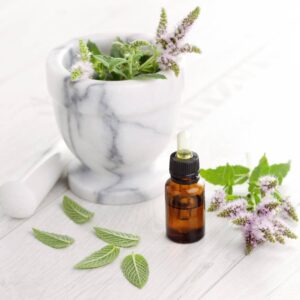
- Form: While tea is the most studied form, spearmint capsules and extracts are available. However, medical professionals caution that concentrated supplements should be taken under supervision due to the higher potency of the active compounds.
Safety, Contraindications, and Professional Oversight
While spearmint tea is generally recognized as safe (GRAS) by regulatory bodies, it is not without potential side effects. The herb is known to relax the lower esophageal sphincter, which can exacerbate symptoms of gastroesophageal reflux disease (GERD) or heartburn.
Furthermore, because spearmint has significant effects on the endocrine system, it should be used with caution by individuals who are pregnant or breastfeeding. There is also a theoretical risk of liver or kidney strain if consumed in excessive, non-dietary amounts over a prolonged period, although such cases are rare and typically associated with highly concentrated essential oils rather than aqueous tea.
Medical experts emphasize that spearmint tea should be viewed as a complementary therapy rather than a total replacement for conventional medical care. Women with PCOS should consult with their endocrinologist or primary care physician before beginning a spearmint regimen to ensure it does not interfere with existing medications, such as anti-androgens or insulin-sensitizing agents.
Broader Implications for Integrative PCOS Management
The shift toward incorporating spearmint tea into PCOS management reflects a broader trend in integrative medicine, where evidence-based natural remedies are used to enhance standard protocols. For many patients, the ability to manage symptoms through dietary changes and herbal support provides a sense of agency over a condition that can often feel unmanageable.
As research continues to validate the role of Mentha spicata in reproductive health, it may eventually lead to more standardized botanical prescriptions within the field of gynecology. For now, spearmint tea stands as a cost-effective, accessible, and scientifically backed tool for women seeking to restore hormonal balance and improve their quality of life amidst the challenges of Polycystic Ovary Syndrome. The integration of such therapies highlights the importance of a holistic view of endocrine health, where lifestyle, nutrition, and clinical intervention converge to provide the best patient outcomes.
