
For a significant demographic of women worldwide, the onset of menstruation is frequently characterized as a minor inconvenience, typically managed through over-the-counter analgesics, comfort foods, and temporary lifestyle adjustments. However, for the estimated 10 percent of women globally who suffer from Polycystic Ovary Syndrome (PCOS)—a complex endocrine and metabolic disorder—the reality of the menstrual cycle is markedly different, often demanding an entirely distinct clinical and lifestyle management approach.
Characterized clinically by hyperandrogenism (excess androgen levels), ovulatory dysfunction, and polycystic ovarian morphology, PCOS frequently manifests with irregular, highly painful periods known medically as secondary dysmenorrhea. Unlike typical menstrual discomfort, the cramping associated with PCOS can be debilitating, regularly incapacitating sufferers and rendering routine daily activities, employment responsibilities, and personal obligations difficult or impossible to maintain. Standard palliative measures frequently prove inadequate, prompting patients and clinicians alike to seek specialized, multi-faceted interventions to mitigate the physiological distress of PCOS-related dysmenorrhea.
To address these challenges comprehensively, medical professionals increasingly advocate for a combination of pharmacological interventions, targeted physical activity, thermotherapy, nutritional adjustments, and strategic dietary supplementation. Understanding the underlying pathological mechanisms driving this heightened pain is essential for developing effective, individualized treatment plans.
Pathophysiological Origins of Menstrual Pain in PCOS
The fundamental mechanism of typical menstrual cramping involves uterine contractions designed to facilitate the shedding of the functional endometrial lining. These muscular contractions are primarily regulated by prostaglandins—lipid compounds derived from fatty acids that exert significant control over female reproductive processes. While normal menstruation involves a moderate degree of prostaglandin release, primary dysmenorrhea occurs when these compounds are secreted in elevated concentrations, resulting in forceful, painful uterine ischemia and cramping.
In patients with PCOS, the physiological landscape is further complicated by chronic low-grade systemic inflammation, hormonal imbalances, and insulin resistance. Secondary dysmenorrhea in this demographic is intricately linked to the underlying reproductive and endocrine pathology of the syndrome. Consequently, patients frequently report a deep, throbbing, or stabbing ache originating in the uterus and radiating outward to the lower back, hips, and thighs. These symptoms often persist for the duration of the heavy bleeding phase, which may also feature large blood clots capable of increasing the risk of secondary medical complications such as iron-deficiency anemia.

Beyond localized pelvic pain, systemic manifestations such as gastrointestinal distress, nausea, emesis, dizziness, and profound fatigue are frequently reported. These compounding symptoms underscore the extensive clinical burden that PCOS places on long-term health and overall quality of life.
Evolution of Clinical Understanding in Women’s Health
Historically, the medical community has frequently underserved women’s health concerns, often dismissing chronic pelvic pain and menstrual irregularities as standard variations of the female experience. However, recent advancements in endocrinology, gynecology, and reproductive biology have substantially improved diagnostic criteria and therapeutic frameworks for complex endocrine disorders.
Contemporary clinical guidelines emphasize a holistic approach to managing PCOS, moving beyond simple palliative care to address systemic root causes such as hyperinsulinemia and chronic inflammation. This evolution has expanded the therapeutic toolkit available to patients, incorporating both conventional pharmacology and evidence-based lifestyle modifications designed to optimize metabolic and reproductive health.
Eight Evidence-Based Strategies for Managing PCOS Cramps
1. Targeted Pharmacological Intervention with NSAIDs
Nonsteroidal anti-inflammatory drugs (NSAIDs), such as ibuprofen and naproxen sodium, remain a foundational frontline treatment for dysmenorrhea. For individuals with PCOS whose menstrual pain has intensified, NSAIDs continue to offer substantial relief by directly targeting the biological pathways responsible for cramping.
According to a 2019 study published in Obstetrics & Gynecology Science, NSAIDs effectively reduce heavy menstrual bleeding and associated discomfort by inhibiting cyclooxygenase (COX) enzymes—specifically prostaglandin-endoperoxide synthase. By limiting COX activity, these medications suppress the production of the prostaglandins that signal uterine muscles to contract violently. Patients whose pain is refractory to over-the-counter formulations are advised to consult primary care physicians or gynecologists to explore prescription-strength alternatives.
2. Structured Physical Activity and Exercise Prescription
While acute menstrual pain often induces a natural inclination toward physical inactivity, clinical research demonstrates that regular exercise yields substantial therapeutic benefits for women with PCOS. A 2017 study featured in the Saudi Journal of Sports Medicine established that structured physical activity significantly improves menstrual cycle regularity and assists in managing weight gain—a frequent comorbidity of the syndrome.

Exercise modalities can be adapted to individual comfort levels during menstruation. While high-intensity interval training, resistance training, and cardiovascular workouts offer maximum metabolic benefits, lower-impact activities such as brisk walking, cycling, swimming, and water aerobics can effectively stimulate circulation and alleviate pelvic congestion. Consistency remains paramount, as regular movement modulates inflammatory pathways more effectively than complete sedentary behavior.
3. Hormonal Regulation via Prescription Contraception
Hormonal contraceptives, including oral contraceptive pills, vaginal rings, and transdermal patches, are frequently prescribed to manage the systemic manifestations of PCOS, including hormonal acne, hirsutism, and severe dysmenorrhea. Combination contraceptives containing both estrogen and progestin help regulate endometrial proliferation and promote predictable, lighter menstrual cycles.
For patients who cannot tolerate estrogen, progestin-only formulations (frequently termed mini-pills) offer an alternative that similarly suppresses prostaglandin production and reduces cramping. Alternative delivery systems, such as the etonogestrel/ethinyl estradiol vaginal ring or norelgestromin/ethinyl estradiol transdermal patches, provide systemic hormone delivery with distinct pharmacokinetic profiles. While effective, patients must weigh potential side effects—ranging from mild nausea and breast tenderness to mood alterations and thrombotic risks—in consultation with a healthcare provider.
4. Therapeutic Applications of Heat Therapy
Thermotherapy is a non-pharmacological, highly accessible intervention for acute menstrual cramps. The application of localized heat—via electric heating pads, heated gel packs, chemical wraps, or traditional hot water bottles—induces vasodilation in the pelvic region, relaxing uterine musculature and mitigating ischemic pain caused by intense contractions.
Furthermore, recent clinical investigations highlight broader metabolic benefits associated with regular thermal therapy. A 2019 study published in the American Journal of Physiology-Endocrinology and Metabolism reported that obese women with PCOS undergoing regular heat therapy exhibited measurable improvements in adipose tissue insulin signaling and glucose tolerance, suggesting that thermal interventions may support metabolic regulation alongside pain relief.
5. Micronutrient Optimization and Targeted Supplementation
Nutritional status plays a critical role in modulating systemic inflammation and prostaglandin synthesis during the menstrual cycle. Clinical data indicates that approximately 85 percent of women diagnosed with PCOS present with concurrent Vitamin D deficiencies. Vitamin D is essential for regulating inflammatory cascades and enhancing intestinal calcium absorption, which moderates neuromuscular excitability.

Similarly, magnesium, Vitamin E, and omega-3 polyunsaturated fatty acids exhibit potent anti-inflammatory properties capable of reducing dysmenorrhea severity. While dietary sources—such as fatty fish, nuts, seeds, and leafy greens—are optimal, targeted supplementation is frequently recommended to address specific deficiencies associated with the syndrome. Omega-3 supplementation, in particular, has demonstrated efficacy in lowering circulating testosterone levels in PCOS patients.
6. Elimination of Dietary Caffeine and Refined Sugars
Dietary management is a cornerstone of comprehensive PCOS care. Central nervous system stimulants such as caffeine, commonly found in coffee, energy drinks, and certain sodas, induce systemic vasoconstriction. When systemic blood vessels constrict, uterine perfusion is altered, potentially intensifying muscular spasms and exacerbating menstrual cramps.
Similarly, refined sugars and high-glycemic carbohydrates can trigger rapid glycemic fluctuations and stimulate inflammatory pathways, worsening both dysmenorrhea and systemic PCOS symptoms. Clinical guidelines strongly advise limiting caffeine and refined sugar consumption, particularly during the perimenstrual phase.
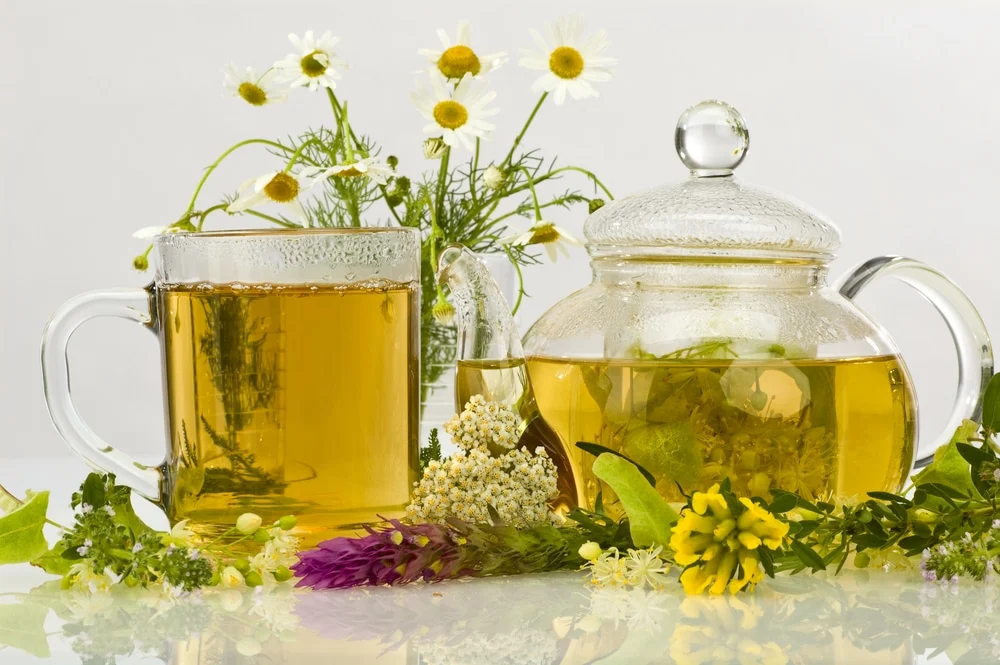
7. Integration of Functional Herbal Teas
Certain botanical infusions offer adjunctive support for managing the physiological stressors associated with PCOS. Red reishi mushroom tea contains bioactive adaptogens that assist the endocrine system in modulating the physiological response to stress, which is known to exacerbate hormonal imbalances and inflammatory pain.
Additionally, stinging nettle (Urtica dioica) tea acts as a natural anti-inflammatory agent, providing relief from menstrual cramps while supporting glycemic control and contributing to the reduction of circulating androgen levels.
8. Rigorous Hydration Protocols
Adequate systemic hydration remains a fundamental physiological requirement that directly impacts menstrual comfort. Maintaining consistent fluid intake facilitates the renal clearance of excess sodium, mitigating peripheral edema and abdominal bloating. Reducing fluid retention alleviates intra-abdominal pressure, which can otherwise compound the discomfort of uterine contractions. Consuming warm fluids throughout the menstrual phase further promotes systemic muscle relaxation.

Clinical Summary and Broader Implications
Polycystic Ovary Syndrome presents a multifaceted clinical challenge characterized by endocrine disruption, metabolic dysfunction, and severe secondary dysmenorrhea. While conventional approaches to menstrual pain are frequently inadequate for this patient population, a comprehensive management framework incorporating NSAIDs, targeted physical activity, hormonal therapy, thermotherapy, nutritional optimization, and lifestyle adjustments can substantially mitigate symptom severity.
By utilizing evidence-based, multi-disciplinary strategies, patients can effectively manage PCOS-related pain, minimizing disruption to daily functioning and improving long-term health outcomes. Continued clinical research and increased awareness within the medical community remain vital to advancing specialized care and therapeutic options for individuals affected by this complex endocrine disorder.
References
- Jeong, J.Y.; Kim, A.K; Lee, I; et al. Polycystic ovarian morphology is associated with primary dysmenorrhea in young Korean women. OBSTETRICS AND GYNECOLOGY SCIENCE, 2019.
- Shetty, D; Chandrasekaran, B; Singh, A.W; et al. Exercise in polycystic ovarian syndrome: An evidence-based review. SAUDI JOURNAL OF SPORTS MEDICINE, 2017.
- Ely, B.R; Clayton, Z.S; McCurdy, C.E; et al. Heat therapy improves glucose tolerance and adipose tissue insulin signaling in polycystic ovary syndrome. AMERICAN JOURNAL OF PHYSIOLOGY-ENDOCRINOLOGY AND METABOLISM, 2019.
