
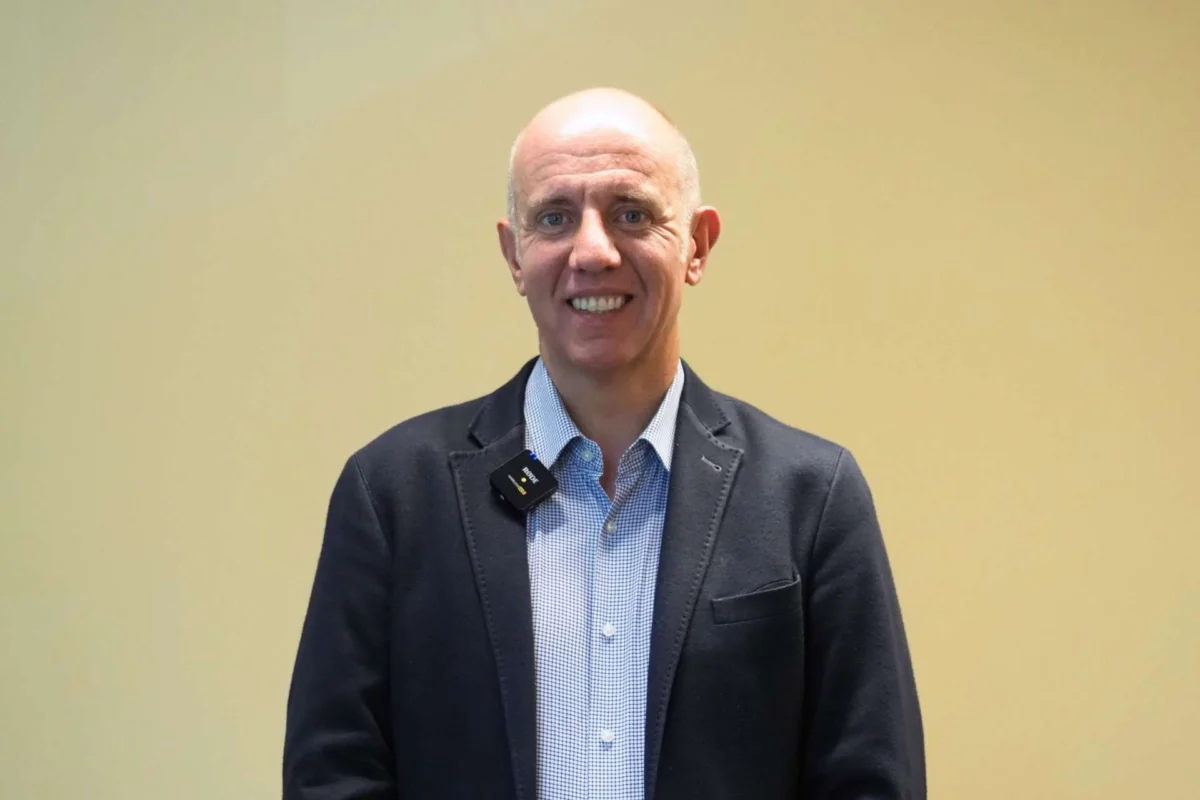
In a comprehensive exploration of the mechanisms driving global health crises, Professor Paul Wilmes of the University of Luxembourg has introduced and detailed the concept of "infective competence" within the One Health framework. This paradigm shift in microbiology moves beyond the study of individual pathogens to examine the collective capacity of entire microbial communities—microbiomes—to harbor, exchange, and express traits that lead to disease. By integrating multi-omic data across diverse environments, from the human gut to melting glaciers, Wilmes’ research aims to decode the complex interaction networks that govern how antimicrobial resistance (AMR), virulence factors, and toxins move through the biosphere.
The Concept of Infective Competence in a Connected World
Traditional clinical microbiology has historically focused on the "one microbe, one disease" postulate. However, the rise of multi-drug resistant organisms and the emergence of novel zoonotic threats have exposed the limitations of this narrow view. Professor Wilmes defines infective competence as the sum total of a microbiome’s ability to facilitate disease. This includes not only the presence of specific pathogens but also the reservoir of virulence factors, antimicrobial resistance genes (ARGs), biosynthetic gene clusters, and toxins available within a given community.
Under the One Health framework—an integrated approach that recognizes the health of people is closely connected to the health of animals and our shared environment—infective competence serves as a unifying metric. It allows researchers to quantify the "pathogenic potential" of an environment before an outbreak occurs. This is particularly relevant as planetary changes, including urbanization and climate change, alter the boundaries between natural and built ecosystems, facilitating the flow of genetic material between previously isolated microbial populations.
Methodological Innovations: The Multi-Omics Integration
At the heart of Wilmes’ research is the integration of high-resolution molecular data. To understand the emerging properties of microbial communities, his team utilizes four distinct yet overlapping "omic" layers:
- Metagenomics: Identifying the taxonomic composition and the full genetic potential of the community (the "who" and the "can").
- Metatranscriptomics: Measuring gene expression to determine which functions are active under specific conditions (the "what is being said").
- Metaproteomics: Analyzing the proteins synthesized by the community to understand functional execution (the "what is being done").
- Metabolomics: Cataloging the small molecules produced, which often serve as the primary signals for host interaction (the "what is the result").
By combining these data sets from the same samples, the research reconstructs interaction networks that reveal how microbes cooperate or compete. This holistic view is essential for identifying "emergent properties"—biological behaviors that cannot be predicted by looking at individual species in isolation but appear only when the community functions as a whole.
The PathoFact Pipeline: A Tool for Global Surveillance
A cornerstone of this research program is the development and application of PathoFact. This computational pipeline was designed to systematically profile the infective competence of diverse microbiome reservoirs. PathoFact allows researchers to scan massive genomic datasets to identify and categorize virulence factors and antimicrobial resistance genes with high precision.
The utility of PathoFact has been demonstrated across a wide chronological span of studies, particularly during the height of the COVID-19 pandemic. By applying this tool to wastewater treatment systems, researchers were able to track the community transmission of SARS-CoV-2 and monitor the simultaneous rise of secondary bacterial resistance markers. This early warning system proved that environmental monitoring can provide a snapshot of a population’s health weeks before clinical cases peak in hospitals.
Environmental Reservoirs and Gene Flow Dynamics
The research extends far beyond clinical settings, mapping the movement of resistance and virulence through various environmental "hubs."
Hospital Settings and the Built Environment
In clinical environments, the infective competence of the microbiome is often shaped by intense selective pressure from disinfectants and antibiotics. Wilmes’ findings highlight how the "built environment" of a hospital acts as a specialized reservoir for ESKAPE pathogens (Enterococcus faecium, Staphylococcus aureus, Klebsiella pneumoniae, Acinetobacter baumannii, Pseudomonas aeruginosa, and Enterobacter species). The data suggests that these environments do not just host pathogens; they facilitate the horizontal gene transfer of resistance plasmids between harmless commensal bacteria and opportunistic pathogens.
Agricultural and Animal Exposure
The use of antimicrobials in livestock remains one of the primary drivers of global AMR. Wilmes’ work shows a direct correlation between animal antimicrobial exposure and the enrichment of the "resistome" in surrounding soil and water. This creates a feedback loop where resistance genes from the farm eventually reach human populations through the food chain or environmental runoff.
Natural Ecosystems and Glacial Retreat
Perhaps most striking is the application of the infective competence framework to pristine environments, such as glacier-fed streams. As glaciers melt due to global warming, they release ancient microbial communities and genetic elements that have been sequestered for millennia. Wilmes’ research in these areas aims to determine whether these "legacy" genes contribute to the modern pool of infective competence, potentially introducing novel virulence factors into contemporary ecosystems.
Clinical Breakthroughs: The Oral-Gut Axis in Type 1 Diabetes
One of the most significant clinical applications of the infective competence model involves the study of Type 1 Diabetes (T1D). Recent findings from Wilmes’ group have linked the transmission of microbes from the oral cavity to the gut with specific inflammatory signatures in T1D patients.
The data suggests that in individuals with T1D, the "barrier" between the oral and gastrointestinal microbiomes is compromised. This allows for the translocation of oral bacteria—which often possess higher levels of infective competence, including various toxins and pro-inflammatory molecules—into the gut. Once there, these microbes trigger immune responses that may exacerbate the autoimmune pathways characteristic of diabetes. This discovery suggests that monitoring the "leakiness" of microbial niches could serve as a diagnostic tool for chronic inflammatory diseases.
From Association to Mechanism: HuMiX and Artificial Intelligence
To bridge the gap between observing correlations and proving causation, the University of Luxembourg has pioneered the use of the HuMiX (Human-Microbial Crosstalk) model. HuMiX is a representative "gut-on-a-chip" microfluidic device that allows researchers to co-culture human cells with complex microbial communities under controlled conditions.
By using HuMiX, the team can physically simulate the interactions identified through multi-omic analysis. For instance, if a specific metabolite is suspected of triggering a disease pathway, it can be introduced into the HuMiX system to observe the direct cellular response.
Furthermore, the research program is now integrating advanced Artificial Intelligence (AI) and machine learning. These tools are used to process the trillions of data points generated by multi-omics to identify "causal molecules"—specific proteins or metabolites that serve as the "smoking gun" in the development of disease. AI models are also being trained to predict how a microbiome’s infective competence might evolve in response to specific interventions, such as a change in diet or the introduction of a new antibiotic.
Supporting Data: The Rising Threat of AMR
The urgency of Professor Wilmes’ work is underscored by current global health statistics. According to the 2022 Global Research on Antimicrobial Resistance (GRAM) report, bacterial AMR was directly responsible for 1.27 million deaths in 2019 and played a role in an additional 4.95 million deaths. The World Health Organization (WHO) has projected that if current trends continue, AMR could cause 10 million deaths annually by 2050, surpassing the current mortality rate of cancer.
Wilmes’ research provides a vital framework for addressing these numbers. By identifying the reservoirs of resistance before they manifest in lethal infections, public health officials can implement more targeted surveillance and intervention strategies.
Broader Impact and Future Implications
The shift toward viewing infection through the lens of community competence has profound implications for policy and medicine.
- Public Health Surveillance: Wastewater monitoring and environmental sampling can become standardized parts of national security, providing real-time data on the "pathogenic temperature" of a region.
- Personalized Medicine: Understanding an individual’s unique microbiome competence could lead to personalized risk assessments for diseases ranging from diabetes to colorectal cancer.
- Environmental Policy: The link between planetary change (like glacial melting) and microbial gene flow provides a new biological argument for climate action.
As the research program at the University of Luxembourg continues to expand, the focus remains on the "interconnectedness" of all microbial life. Professor Wilmes concludes that infective competence is not a static trait but a dynamic, emerging property of the biosphere. In an era of rapid environmental transition, the ability to map and predict the flow of these disease-relevant determinants is not just a scientific endeavor—it is a critical necessity for the preservation of global health.
The work of Wilmes and his colleagues stands as a testament to the power of systems biology. By looking at the "whole" rather than the "parts," the scientific community is finally beginning to understand the invisible networks that define our health, our diseases, and our future in a changing world.
