
Polycystic Ovary Syndrome (PCOS) remains one of the most prevalent endocrine disorders among women of reproductive age, affecting an estimated 6% to 12% of women globally, or as many as 5 million individuals in the United States alone. Characterized by hormonal imbalances, metabolic dysfunction, and ovulatory dysfunction, PCOS is widely recognized as a leading cause of female subfertility. For individuals diagnosed with the condition, the journey to conception often involves navigating complex physiological hurdles, ranging from insulin resistance and hyperandrogenism to irregular menstrual cycles and unpredictable ovulation.
Clinical research increasingly highlights the profound impact that targeted lifestyle modifications—specifically medical nutrition therapy and evidence-based supplementation—can exert on reproductive outcomes for patients with PCOS. While pharmaceutical interventions such as letrozole, clomiphene citrate, and metformin remain standard components of fertility care, a growing body of endocrinological and nutritional science emphasizes the foundational role of diet and metabolic regulation in preparing the body for conception and supporting a healthy pregnancy.

Clinical Background and the Pathophysiology of PCOS-Related Infertility
The intersection of PCOS and pregnancy is defined largely by hormonal dysregulation. At the core of the syndrome’s impact on fertility is the disruption of the hypothalamic-pituitary-ovarian (HPO) axis, which frequently prevents the regular development and release of mature oocytes. This anovulation or oligo-ovulation translates directly to irregular menstrual cycles, making the timing of conception exceedingly difficult for patients.
Pathophysiologically, insulin resistance plays a central and exacerbating role in approximately 50% to 70% of PCOS cases, regardless of whether the patient is classified as overweight or lean. When cells fail to respond effectively to insulin, the pancreas compensates by secreting higher levels of the hormone into the bloodstream. Hyperinsulinemia, in turn, directly stimulates the theca cells of the ovaries to overproduce testosterone and other androgens. These elevated male hormones interfere with normal follicular development, resulting in the hallmark polycystic ovarian morphology and arresting ovulation.
Furthermore, estrogen imbalances—frequently manifested as estrogen dominance—compound these challenges. Exogenous endocrine-disrupting chemicals, such as xenoestrogens found in plastics and conventional personal care products, as well as hormones administered in conventional livestock production, can further disrupt endogenous hormonal equilibrium. Consequently, clinical strategies aimed at restoring fertility in PCOS patients prioritize the stabilization of blood glucose, the reduction of circulating androgens, and the minimization of endocrine-disrupting exposures.

Nutritional Interventions: Managing Insulin, Testosterone, and Estrogen
Medical nutrition therapy serves as a frontline defense in the management of PCOS-related metabolic and reproductive dysfunction. Clinical guidelines consistently advocate for dietary patterns that minimize glycemic variability and reduce systemic inflammation.
Carbohydrate Quality and Insulin Regulation
The primary objective of carbohydrate management in PCOS is the mitigation of postprandial glycemic spikes and the subsequent reduction of circulating insulin. Diets rich in low-glycemic index (GI) carbohydrates—such as whole grains, legumes, non-starchy vegetables, and high-fiber fruits—slow the rate of glucose absorption into the bloodstream. When these complex carbohydrates are paired with adequate protein and healthy fats, the insulin response is further moderated. By lowering overall insulin levels, clinicians observe a corresponding reduction in ovarian androgen synthesis, gradually unblocking the pathways necessary for normal follicular maturation and regular ovulation.
The Role of Dietary Estrogen and Phytoestrogens
Estrogen regulation is equally critical for patients attempting to conceive. Phytoestrogens—plant-derived compounds found in foods such as flaxseeds, lentils, and soy products—exhibit weak estrogenic or anti-estrogenic activity by binding to estrogen receptors. While some dietary sources can be safely incorporated into a balanced diet, specific phytoestrogens, notably soy isoflavones, have been scrutinized in clinical literature. Research indicates that high intakes of unfermented soy products may exert weak estrogen-agonist effects that can interfere with normal HPO axis feedback loops, potentially leading to delayed ovulation or anovulatory cycles. Consequently, many reproductive endocrinologists and clinical nutritionists recommend that patients actively trying to conceive moderate or temporarily eliminate processed soy products from their regimens.
Animal Products and Hormonal Contamination
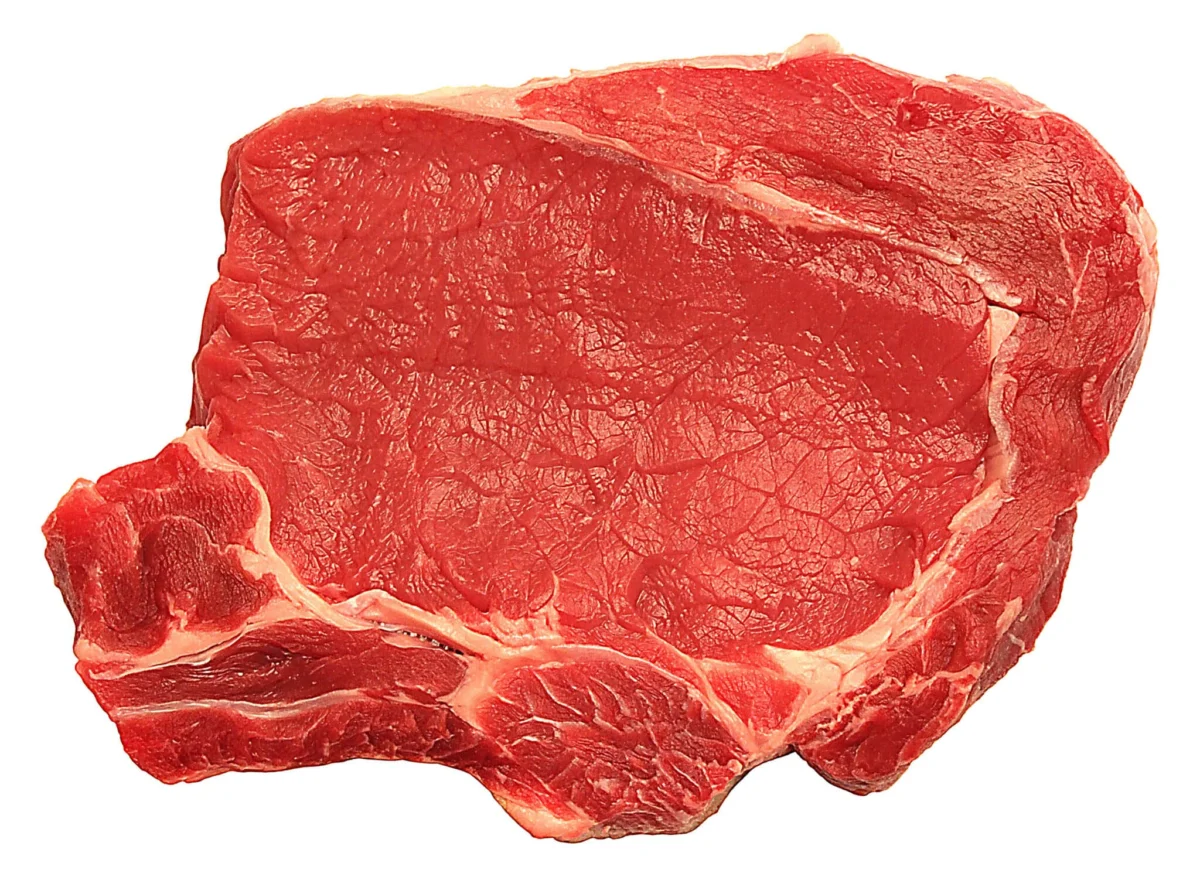
Beyond plant-based considerations, the source of animal protein consumed by patients warrants careful evaluation. Conventional livestock farming frequently utilizes growth hormones and low-dose antibiotics to accelerate animal yield. When ingested, these exogenous residues can contribute to the total hormonal load of the human body, exacerbating existing endocrine disorders. To counteract this, clinical nutrition protocols often advise patients to select organic, grass-fed, and pasture-raised animal proteins, which are free from synthetic hormone additives, thereby reducing the inadvertent ingestion of endocrine-disrupting compounds.
Weight Management as a Metabolic Catalyst
Weight management remains a cornerstone of fertility optimization for patients with PCOS. Clinical data demonstrates that a modest weight loss of just 5% to 10% of total body weight can significantly improve insulin sensitivity, reduce serum free testosterone, and restore spontaneous ovulation in a substantial percentage of previously anovulatory women. However, due to the metabolic adaptations and insulin resistance characteristic of PCOS, weight loss is frequently reported by patients as exceptionally challenging, underscoring the necessity of structured, sustainable dietary frameworks rather than restrictive crash dieting.
Evidence-Based Supplementation for PCOS and Fertility
In addition to whole-food nutrition, targeted micronutrient supplementation addresses specific biochemical deficiencies commonly documented in the PCOS population. Nutritional deficiencies can impair oocyte quality, disrupt luteal phase length, and impede early embryonic development.
Chromium and Glucose Metabolism
Chromium is an essential trace mineral that potentiates the action of insulin and facilitates intracellular glucose transport. Clinical studies suggest that chromium supplementation can improve insulin sensitivity, thereby lowering circulating glucose and insulin levels in women with insulin-resistant PCOS. By reducing hyperinsulinemia, chromium indirectly supports the downregulation of ovarian androgen production. However, clinical oversight is advised for patients concurrently prescribed pharmaceutical insulin-sensitizing agents, such as metformin, to prevent synergistic hypoglycemia.
Vitamin D and Calcium Synergy
Vitamin D deficiency is disproportionately prevalent among women diagnosed with PCOS, with rates exceeding 70% to 85% in certain clinical cohorts. Vitamin D receptors are widely distributed throughout reproductive tissues, including the ovaries, endometrium, and placenta. Adequate vitamin D status is strongly correlated with improved insulin receptor expression, enhanced follicular development, and optimized endometrial receptivity. Clinical trials combining vitamin D and calcium supplementation have demonstrated positive outcomes regarding the restoration of menstrual regularity, the increase in the number of mature follicles, and the overall enhancement of clinical pregnancy rates in fertility treatments.
B-Complex Vitamins, Folate, and Oocyte Integrity
The B-vitamin family plays a multifaceted role in reproductive endocrinology. Vitamin B6 (pyridoxine) is instrumental in modulating progesterone concentrations during the luteal phase, supporting adequate endometrial thickening, and regulating systemic homocysteine levels. Elevated homocysteine is frequently observed in insulin-resistant states and is associated with diminished oocyte quality and recurrent early pregnancy loss. Furthermore, folic acid—or its bioavailable derivative, L-methylfolate—is universally recommended for women of childbearing potential to ensure proper closure of the neural tube during the embryonic stage, thereby mitigating the risk of neural tube defects such as spina bifida.
Omega-3 Polyunsaturated Fatty Acids
Omega-3 fatty acids, specifically eicosapentaenoic acid (EPA) and docosahexaenoic acid (DHA) found abundantly in cold-water fatty fish and high-grade fish oils, exhibit potent anti-inflammatory properties. In the context of PCOS, omega-3 supplementation has been shown to ameliorate systemic low-grade inflammation, improve lipid profiles, and significantly lower serum testosterone concentrations. By mitigating hyperandrogenism and supporting vascular health within reproductive organs, omega-3 supplementation contributes to a more favorable physiological environment for conception and early gestation.
Broader Implications and Clinical Outlook
The management of PCOS-related subfertility extends far beyond the immediate goal of achieving a positive pregnancy test; it encompasses the optimization of maternal metabolic health and the programming of a healthy intrauterine environment.
Public health analyses indicate that untreated metabolic dysfunction during pregnancy increases the baseline risk for gestational diabetes mellitus, pregnancy-induced hypertension, and macrosomia. By implementing rigorous, evidence-based nutritional strategies and addressing specific micronutrient insufficiencies preconceptionally, patients can proactively modify these risk factors.

As reproductive medicine continues to evolve, interdisciplinary collaboration between gynecologists, reproductive endocrinologists, and clinical registered dietitians remains vital. Emphasizing personalized medical nutrition therapy and targeted supplementation empowers patients to reclaim a degree of agency over an often unpredictable endocrine disorder, establishing a robust physiological foundation for both conception and the long-term health of mother and child.
