

Polycystic Ovary Syndrome (PCOS) remains one of the most prevalent yet underdiagnosed endocrine disorders among women of reproductive age globally. Despite affecting an estimated 8% to 13% of women, the path to a formal clinical diagnosis is frequently characterized by significant delays, medical gaslighting, and a lack of standardized information. Peer-reviewed research, including a landmark study published in the journal Human Reproduction, indicates that it can take an average of two years and consultations with at least three different healthcare providers before a patient receives a definitive PCOS diagnosis. This diagnostic lag presents a substantial barrier to early intervention, exacerbating the long-term health risks associated with the condition.
The emergence of at-home diagnostic solutions, such as the PCOS Home Test developed by Let’s Get Checked, represents a pivotal shift in the landscape of reproductive health. By utilizing advanced laboratory analytics and telemedicine frameworks, these kits aim to bridge the gap between symptomatic distress and clinical confirmation. As the medical community grapples with the complexities of hormonal health, the democratization of diagnostic data through at-home testing is becoming an essential tool for patient advocacy and streamlined clinical care.
The Clinical Complexity of PCOS Diagnosis
The primary challenge in diagnosing PCOS lies in its heterogeneous nature. It is not a disease with a single identifiable cause but rather a syndrome—a collection of symptoms that vary significantly between individuals. To standardize the diagnostic process, the medical community predominantly relies on the Rotterdam criteria, established in 2003. Under these guidelines, a patient must present at least two of the following three conditions to be considered for a diagnosis:
- Oligo-ovulation or Anovulation: This is characterized by irregular menstrual cycles, typically fewer than eight periods in a year, or the complete absence of menstruation for four consecutive months or longer.
- Hyperandrogenism: This involves elevated levels of "male" hormones, such as testosterone. Clinically, this may manifest as biochemical evidence (high levels in blood tests) or physical symptoms, including hirsutism (excessive hair growth on the face, chest, or back), severe acne, or androgenic alopecia (thinning scalp hair).
- Polycystic Ovaries: Visible via ultrasound, this condition occurs when the ovaries contain 12 or more small follicles (fluid-filled sacs) or have an increased volume.
The diagnostic process is further complicated by the necessity of a "diagnosis of exclusion." Because the symptoms of PCOS overlap with several other serious endocrine disorders, physicians must rule out alternative causes before confirming the syndrome. Common conditions that mimic PCOS include hypothyroidism, hyperprolactinemia, Cushing’s syndrome, and congenital adrenal hyperplasia. The requirement for multiple blood tests and physical examinations often contributes to the multi-year delay reported by patients.
The Role of At-Home Diagnostics in Modern Medicine
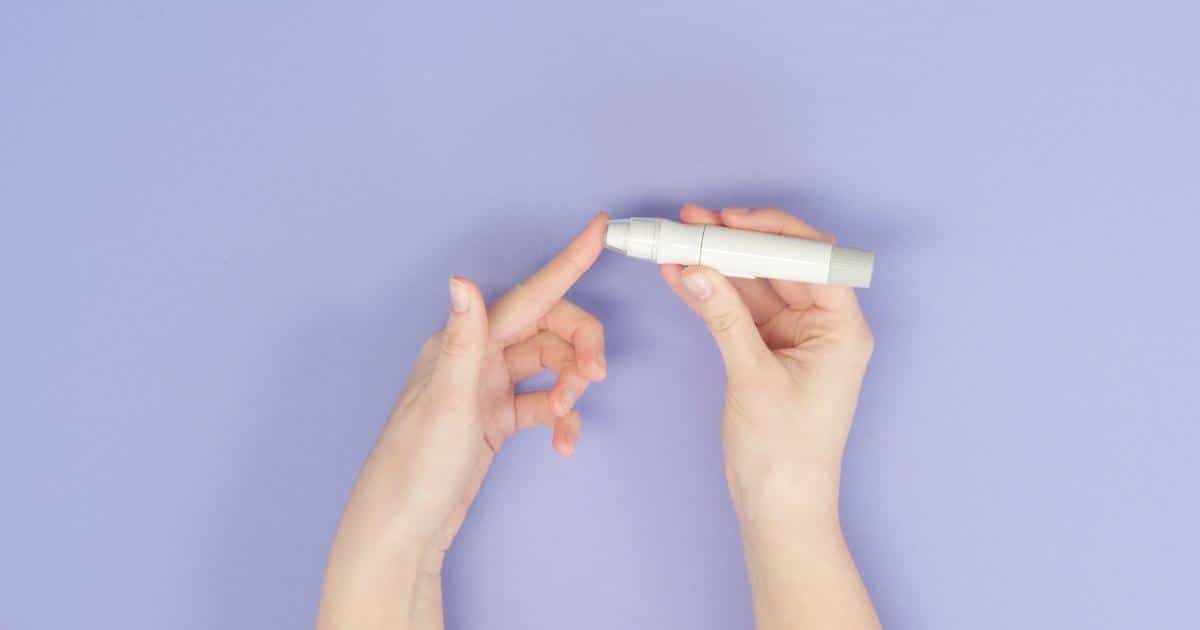
In response to the systemic delays in traditional healthcare settings, the biotechnology sector has seen a surge in at-home hormone monitoring kits. The Let’s Get Checked PCOS Home Test utilizes a capillary blood sample—collected via a simple finger prick—to analyze a comprehensive panel of hormones relevant to the Rotterdam criteria. Unlike generic fertility tests, this specific panel is designed to provide a "probable diagnosis" by measuring key biomarkers that clinicians use to identify hormonal imbalances.

The test analyzes several critical hormones, including:
- Testosterone and Sex Hormone Binding Globulin (SHBG): Used to calculate the Free Androgen Index (FAI), a primary indicator of hyperandrogenism.
- Follicle-Stimulating Hormone (FSH) and Luteinizing Hormone (LH): The ratio between these two hormones can provide insight into ovulatory dysfunction.
- Prolactin and Cortisol: These are included to assist in the differential diagnosis process, helping to rule out pituitary issues or adrenal overactivity.
By providing lab-grade results from CLIA-certified and CAP-accredited laboratories, these tests offer patients a data-driven foundation to present to their primary care physicians or reproductive endocrinologists. This proactive approach has been shown to reduce the time spent in the "observation phase" of clinical visits, allowing for a more immediate transition to management and treatment.
Chronology and Protocol for Hormonal Testing
Accuracy in hormonal testing is heavily dependent on timing, as reproductive hormones fluctuate throughout the menstrual cycle. For women with regular cycles, the clinical recommendation for the PCOS home test is to collect the sample on day 3, 4, or 5 of the menstrual cycle. This period, known as the early follicular phase, provides the most stable baseline for comparing FSH and LH levels.
However, a hallmark of PCOS is the lack of a regular cycle. For individuals experiencing amenorrhea (absence of periods) or highly irregular cycles, the protocol shifts. In these instances, testing can be conducted on any three consecutive days. The laboratory experts then interpret the results through the lens of cycle irregularity, which itself serves as a diagnostic marker.
A critical contraindication for these tests is the use of hormonal birth control. Contraceptives, such as the pill, patch, or hormonal IUD, work by suppressing the body’s natural hormone production to prevent ovulation. Consequently, any blood test taken while on these medications will reflect the synthetic hormone levels rather than the patient’s underlying endocrine function. Medical experts advise a washout period—often three months—after discontinuing birth control before attempting to test for PCOS.
The Broader Impact of Delayed Diagnosis
The implications of a two-year delay in diagnosis extend far beyond reproductive health. PCOS is a systemic metabolic disorder with significant long-term comorbidities. Women with undiagnosed or unmanaged PCOS face a drastically increased risk of developing:
- Type 2 Diabetes: Over 50% of women with PCOS develop pre-diabetes or diabetes by age 40 due to insulin resistance.
- Cardiovascular Disease: High levels of androgens and insulin resistance are linked to hypertension and high cholesterol.
- Endometrial Cancer: Chronic irregular periods lead to the thickening of the uterine lining, which increases the risk of malignancy.
- Mental Health Disorders: Studies indicate that women with PCOS are three times more likely to suffer from anxiety and depression compared to the general population, often stemming from the physical symptoms and the stress of seeking a diagnosis.
By streamlining the diagnostic process, at-home testing may serve as a critical intervention point for preventative health. When a probable diagnosis is identified early, patients can implement lifestyle modifications, such as targeted nutritional changes and insulin-sensitizing medications like metformin or inositol, significantly reducing their long-term disease burden.
Industry Analysis and Future Outlook
The rise of at-home testing is a reflection of a broader trend toward "patient-centric" medicine. Industry analysts suggest that the global home diagnostics market is expected to grow at a compound annual growth rate (CAGR) of over 5% through 2030. This growth is driven by increasing healthcare costs, a shortage of specialists, and a growing consumer demand for privacy and convenience.
Critics of at-home testing often cite the potential for patient anxiety or misinterpretation of results. However, the Let’s Get Checked model addresses this by including a clinical review by a nursing team for every abnormal result. This ensures that the data is not delivered in a vacuum but is accompanied by professional guidance on the necessary next steps, such as a referral to a reproductive endocrinologist.

Furthermore, the integration of these tests into the patient-doctor relationship is becoming more seamless. Many physicians now accept third-party laboratory results if they are processed by accredited facilities. This synergy between digital health platforms and traditional clinical practice is likely to become the new standard for managing chronic hormonal conditions.
Conclusion: Empowering the Patient Journey
The journey toward a PCOS diagnosis has historically been a source of frustration and exhaustion for millions of women. The traditional model, requiring multiple appointments and extensive wait times, has often failed to provide timely answers for a condition that affects nearly every aspect of a woman’s well-being.
The introduction of specialized at-home diagnostic kits like the Let’s Get Checked PCOS Home Test offers more than just convenience; it offers a reclamation of agency. By providing accessible, affordable, and accurate hormonal data, these tools empower women to navigate the healthcare system with evidence in hand. As awareness of PCOS continues to grow, and as diagnostic technology becomes more refined, the goal of reducing the diagnostic gap from two years to a matter of weeks is becoming an achievable reality. For the millions of women currently struggling with the symptoms of polycystic ovary syndrome, these advancements represent a significant step toward a future of proactive, informed, and personalized healthcare.
