

Polycystic Ovary Syndrome (PCOS) remains one of the most prevalent endocrine disorders among women of reproductive age, affecting approximately 8% to 13% of the global female population. As the medical community seeks more integrated approaches to manage its complex array of symptoms—ranging from metabolic dysfunction to infertility—the plant-derived alkaloid known as berberine has emerged as a focal point of clinical interest. Long utilized in traditional Chinese medicine for its antimicrobial and anti-inflammatory properties, berberine is now being scrutinized through the lens of modern pharmacology as a potent insulin sensitizer and metabolic regulator. Recent clinical trials and systematic reviews suggest that this natural compound may offer a therapeutic efficacy comparable to conventional pharmaceuticals, such as metformin, but with a distinct profile of secondary benefits.
The Biochemical Profile and Historical Context of Berberine
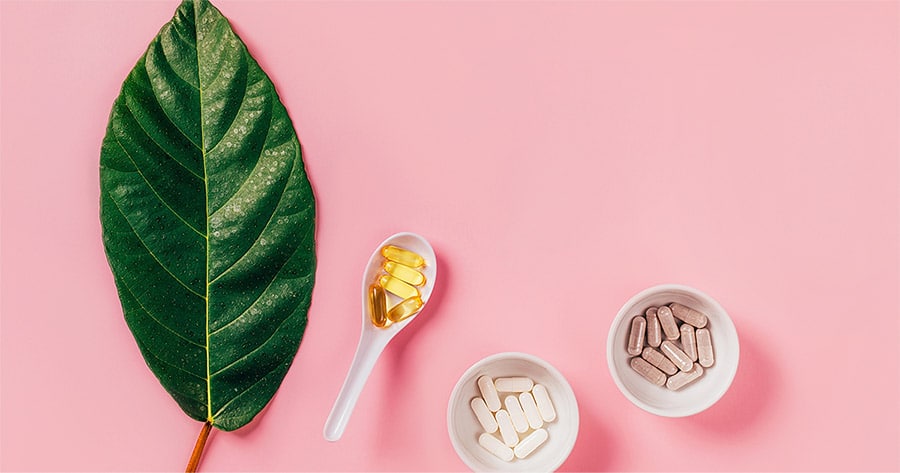
Berberine is a quaternary ammonium salt belonging to the group of benzylisoquinoline alkaloids. It is naturally synthesized in the roots, rhizomes, and stems of various botanical species, most notably within the genus Berberis (such as barberry), Coptis chinensis (goldthread), and Hydrastis canadensis (goldenseal). Historically, its use as a medicinal agent dates back over 3,000 years in Asia, where it was primarily employed to treat gastrointestinal infections and inflammatory conditions.
In the contemporary medical landscape, the "Westernization" of berberine research began in earnest during the late 20th century as researchers identified its ability to interact with Adenosine Monophosphate-activated Protein Kinase (AMPK). Often referred to as the body’s "metabolic master switch," AMPK plays a critical role in regulating energy homeostasis. By activating this enzyme, berberine enhances glucose uptake in muscle cells, inhibits glucose production in the liver, and promotes fatty acid oxidation, making it a formidable tool against the metabolic disturbances that characterize PCOS.

The Pathophysiological Link: Insulin Resistance and PCOS
To understand the impact of berberine, it is essential to establish the role of insulin signaling in the progression of PCOS. A significant majority of women with the condition—estimates suggest up to 70%—exhibit some degree of insulin resistance, regardless of body mass index (BMI). When cells become resistant to insulin, the pancreas compensates by overproducing the hormone. This state of hyperinsulinemia is a primary driver of PCOS pathology; it stimulates the ovarian theca cells to produce excess androgens (male hormones) and suppresses the production of Sex Hormone-Binding Globulin (SHBG) in the liver.
This hormonal cascade leads to the hallmark symptoms of the disorder: hirsutism, acne, irregular menstrual cycles, and anovulation. By improving insulin sensitivity at the cellular level, berberine addresses the root cause of these symptoms rather than merely masking them. Clinical data indicates that berberine treatment can effectively lower circulating insulin and glucose levels, thereby restoring a more favorable hormonal environment for follicular development.

Clinical Efficacy in Weight Management and Body Composition
One of the most challenging aspects of PCOS management is the resistance to weight loss often experienced by patients. The metabolic "gridlock" caused by high insulin levels promotes fat storage, particularly in the visceral region. A clinical study involving 37 individuals diagnosed with metabolic syndrome highlighted berberine’s potential in this area. After 12 weeks of consistent use, participants showed a significant reduction in BMI, with the average falling from 31.5 to 27.4.
The mechanism behind this weight loss is multi-faceted. Beyond improving insulin sensitivity, berberine has been shown to reduce fat storage by downregulating genes involved in adipogenesis (the creation of fat cells) and increasing energy expenditure. Furthermore, research has noted that berberine can improve body composition even in the absence of significant total weight loss. Specifically, it has been observed to reduce waist circumference, which serves as a proxy for visceral fat—the metabolically active fat that surrounds internal organs and contributes to systemic inflammation.

Cardiovascular Protection and Lipid Metabolism
Women with PCOS face a significantly elevated risk of developing cardiovascular disease (CVD) later in life, driven by a combination of chronic inflammation and dyslipidemia. Berberine has demonstrated a remarkable ability to improve lipid profiles. Research published in PubMed suggests that berberine is nearly as effective as simvastatin, a common cholesterol-lowering medication, in reducing Low-Density Lipoprotein (LDL) cholesterol.
In a specific study focusing on women with PCOS, eight weeks of berberine supplementation resulted in significantly lower levels of triglycerides and total cholesterol, while simultaneously increasing High-Density Lipoprotein (HDL), the "good" cholesterol. This dual action on lipids and glucose makes berberine a comprehensive tool for reducing the "metabolic syndrome" footprint often associated with the disorder.

Restoring Reproductive Health and Fertility
Infertility, primarily due to anovulation, is a major concern for many women with PCOS. The restoration of regular menstrual cycles is often the primary goal of treatment. Comparative studies have placed berberine side-by-side with metformin, the gold standard for insulin-sensitizing medication. A study published in the Journal of Clinical Endocrinology monitored 100 women and found that both berberine and metformin improved ovulation rates and menstrual regularity.
However, berberine showed a distinct advantage in its effect on SHBG levels. Higher levels of SHBG are crucial because they bind to free testosterone in the blood, rendering it inactive and reducing androgenic symptoms. Additionally, berberine has been found to improve endometrial receptivity, which is the window of time when the uterine lining is most prepared for embryo implantation. This suggests that berberine not only helps a woman ovulate but also improves the physiological conditions necessary for a successful pregnancy.

Anti-Inflammatory Effects and Systemic Health
PCOS is increasingly recognized as a state of low-grade chronic inflammation. This inflammation is both a result of and a contributor to insulin resistance. Berberine exerts a potent anti-inflammatory effect by inhibiting the production of pro-inflammatory cytokines and acting as an antioxidant. By reducing oxidative stress, berberine may help protect egg quality, which is often compromised in women with inflammatory metabolic profiles.
This systemic anti-inflammatory action extends to the liver. Women with PCOS are four times more likely to develop Non-Alcoholic Fatty Liver Disease (NAFLD) compared to the general population. Berberine has been identified as an effective intervention for NAFLD, working to reduce liver fat accumulation by improving lipid metabolism and reducing hepatic inflammation.

Psychological Implications: Addressing Depression and Anxiety
The psychological burden of PCOS, including high rates of depression and anxiety, is frequently overlooked in clinical settings. These mood disorders are often exacerbated by hormonal imbalances and the physical symptoms of the condition. Emerging evidence suggests that berberine may possess neuroprotective and antidepressant properties. By modulating neurotransmitters and reducing systemic inflammation—which is increasingly linked to clinical depression—berberine treatment has shown potential in improving the overall quality of life and mental well-being of patients.
Long-term Management: From Menopause to Body Composition
As women with PCOS age, their health risks shift. Following menopause, the decline in estrogen levels can exacerbate insulin resistance, further increasing the risk of Type 2 diabetes and cardiovascular events. Berberine’s role as an insulin sensitizer remains relevant throughout the lifespan. Its ability to manage metabolic health can alleviate some of the metabolic shifts seen during the perimenopausal and postmenopausal transitions, helping to maintain a healthier body composition and reducing the risk of age-related metabolic decline.
Clinical Recommendations and Safety Profile
The standard clinical dosage for berberine in the context of PCOS management is typically 500mg, taken two to three times per day. Medical professionals generally recommend Berberine Hydrochloride (HCl) due to its superior bioavailability. Because berberine has a short half-life, spreading the dose throughout the day and taking it with meals helps maintain stable blood levels and maximizes its effect on post-meal glucose spikes.
In terms of safety, berberine is generally well-tolerated. Clinical trials have reported few serious adverse events. The most common side effects are gastrointestinal in nature, including temporary bouts of diarrhea, constipation, or abdominal bloating. These effects often subside as the body adjusts to the supplement or can be mitigated by starting with a lower dose and gradually increasing it. While berberine is considered safe for long-term use, patients are advised to consult with healthcare providers, particularly if they are already taking glucose-lowering medications or hormonal contraceptives, to ensure there are no contraindications.

Future Outlook and Broader Implications
The shift toward natural compounds like berberine represents a broader trend in endocrinology: the move toward "integrative" or "functional" medicine. For many women, the side effects of metformin—such as severe gastrointestinal distress—make it difficult to maintain long-term compliance. Berberine offers a viable alternative that addresses the same metabolic pathways while providing additional benefits for cholesterol, liver health, and inflammation.
As research continues to evolve, the integration of berberine into standard PCOS treatment protocols seems increasingly likely. Its multi-target approach makes it uniquely suited for a syndrome that is defined by its complexity. By addressing the underlying insulin signaling irregularities, clinicians can offer patients a path toward symptom resolution that is both scientifically grounded and naturally derived. The broader impact of such a shift could mean better long-term health outcomes, improved fertility rates, and a reduction in the chronic disease burden associated with Polycystic Ovary Syndrome.
