

Polycystic Ovary Syndrome (PCOS) remains one of the most prevalent yet underdiagnosed endocrine disorders globally, affecting an estimated 8% to 13% of reproductive-aged women. Despite its high prevalence, medical research indicates a significant diagnostic gap that often leaves patients in a state of clinical limbo for years. A landmark study published in the journal Human Reproduction, and later highlighted by the National Center for Biotechnology Information (NCBI), reveals that it can take upwards of two years and a minimum of three separate physician consultations for a woman to receive a definitive PCOS diagnosis. This delay has spurred a shift in the healthcare landscape, leading to the development of accessible diagnostic tools such as the Let’s Get Checked PCOS Home Test, which aims to streamline the identification of hormonal imbalances from a patient’s residence.
The Diagnostic Challenge and the Rotterdam Criteria
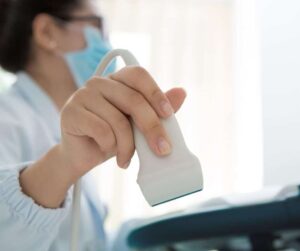
The complexity of PCOS stems from its nature as a syndrome—a collection of symptoms rather than a single disease with a solitary biomarker. Currently, the international gold standard for diagnosis is the Rotterdam criteria, established in 2003. To be diagnosed with PCOS, a patient must present at least two of the following three clinical features: irregular menstrual cycles (oligo-ovulation or anovulation), clinical or biochemical signs of hyperandrogenism (excessive male hormones), and the presence of polycystic ovaries as viewed via ultrasound.
Irregular menstrual cycles are defined as having fewer than eight periods per year or experiencing cycles longer than 35 days. Hyperandrogenism often manifests physically as hirsutism—excess hair growth on the face, chest, or back—as well as persistent acne or androgenic alopecia (thinning hair on the scalp). The third criterion, polycystic ovaries, involves the presence of 12 or more small follicles in at least one ovary, often described as a "string of pearls" appearance.
The difficulty in diagnosis arises because these symptoms frequently overlap with other medical conditions. Physicians must engage in a process of elimination to rule out disorders such as hypothyroidism, hyperprolactinemia, Cushing’s syndrome, or non-classic congenital adrenal hyperplasia. This rigorous process of differential diagnosis is a primary contributor to the multi-year delay many women experience.
The Rise of At-Home Diagnostic Technology
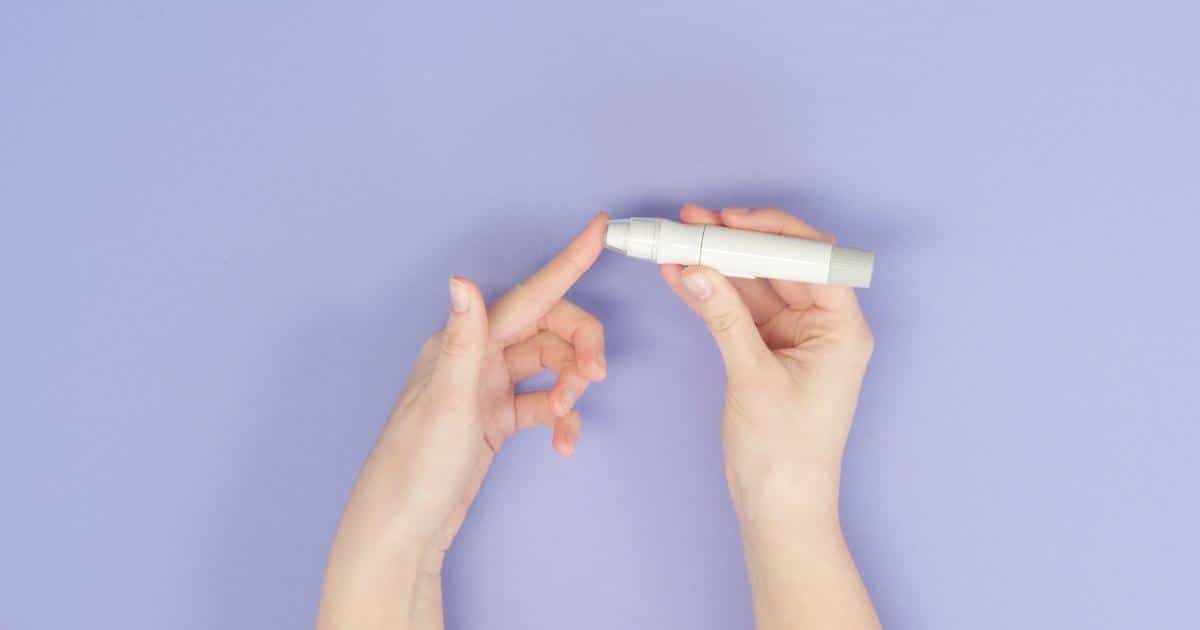
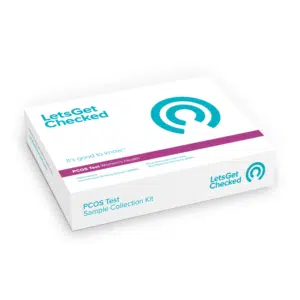
In response to the frustrations of delayed clinical intervention, the medical technology sector has introduced at-home hormone testing kits. The Let’s Get Checked PCOS Home Test represents a significant advancement in patient-led screening. By utilizing a capillary blood sample—obtained through a simple finger prick—patients can gain a comprehensive overview of their endocrine health without an initial office visit.

The home test focuses on a specific panel of hormones that are critical indicators of PCOS. These include Testosterone, Sex Hormone-Binding Globulin (SHBG), Free Androgen Index (FAI), Luteinizing Hormone (LH), Follicle Stimulating Hormone (FSH), and Prolactin. An elevated LH-to-FSH ratio, for instance, is a common biochemical marker found in women with PCOS, as is elevated testosterone. Once the sample is collected, it is processed in CLIA-certified and CAP-accredited laboratories, the same facilities utilized by traditional hospitals and clinics.
This decentralized approach to testing does not replace a physician’s final word but serves as a "probable diagnosis" tool. It provides patients with concrete data to bring to their healthcare providers, potentially shortening the diagnostic timeline from years to weeks.
Chronology of a Typical PCOS Diagnostic Journey
The journey to a PCOS diagnosis often follows a frustrating timeline that begins in late adolescence or early adulthood.
- Initial Symptom Recognition: Most women first notice irregularities in their menstrual cycle or sudden physical changes like adult acne and weight gain in their late teens or early twenties.
- First Consultation: Patients typically visit a General Practitioner (GP) or a gynecologist. At this stage, symptoms are often dismissed as "stress-related" or a byproduct of lifestyle factors.
- The Period of Observation: Physicians may recommend waiting to see if cycles regulate themselves, especially if the patient is recently off hormonal contraceptives. This phase can last 6 to 12 months.
- Secondary Symptoms and Mental Health Impact: As symptoms persist, patients often experience increased anxiety or depression due to the lack of answers. Issues with fertility may also become a concern for those trying to conceive.
- Specialist Referral and Testing: Eventually, a referral is made to an endocrinologist or a reproductive specialist. This leads to a battery of blood tests and transvaginal ultrasounds.
- Final Confirmation: Following the integration of medical history, physical exams, and lab results, a diagnosis is finally reached.
The introduction of home testing kits effectively moves "Step 5" to the beginning of this chronology, empowering the patient with information before their first or second doctor’s visit.
Supporting Data and Long-term Health Risks
The importance of a timely diagnosis extends far beyond the management of cosmetic symptoms. PCOS is a systemic metabolic disorder with significant long-term health implications. Data from the Centers for Disease Control and Prevention (CDC) suggests that more than half of women with PCOS will develop Type 2 diabetes by age 40.
Furthermore, the hormonal imbalances associated with the syndrome increase the risk of:
- Gestational Diabetes and Preeclampsia: Pregnant women with PCOS are at a higher risk for complications that can affect both mother and child.
- Cardiovascular Disease: Women with PCOS often have higher levels of LDL (bad) cholesterol and lower levels of HDL (good) cholesterol, alongside increased rates of hypertension.
- Endometrial Cancer: Infrequent ovulation leads to the continuous buildup of the uterine lining, which can increase the risk of cancer over several decades.
- Nonalcoholic Steatohepatitis (NASH): A severe liver inflammation caused by fat buildup in the liver.
By securing a diagnosis early through tools like the Let’s Get Checked kit, women can implement lifestyle interventions—such as specialized dietary protocols and exercise regimens—to mitigate these metabolic risks.
Medical Community Reactions and Professional Analysis
The medical community has expressed a mix of cautious optimism and rigorous scrutiny regarding home diagnostic kits. Proponents argue that these tests increase health literacy and allow women to advocate for themselves in a medical system that has historically marginalized female reproductive concerns.
Dr. Helena Teede, a lead researcher in the 2017 PCOS diagnostic study, has noted that dissatisfaction among women with PCOS is largely driven by the time taken to reach a diagnosis and the lack of information provided. At-home tests address both of these issues by providing rapid results and detailed reports.

However, clinical experts emphasize that a "probable diagnosis" from a home kit must be followed by a clinical consultation. A finger-prick test cannot perform an ultrasound to check for polycystic morphology, nor can it conduct a physical exam to assess for clinical hirsutism. The consensus among endocrinologists is that home testing should be viewed as a powerful screening tool that initiates a broader clinical conversation rather than a standalone conclusion.
Broader Impact on Healthcare Equity and Access
The availability of the PCOS Home Test also addresses significant barriers to healthcare access. For women in rural areas or those with high-deductible insurance plans, the cost and time required for multiple specialist visits can be prohibitive. At a retail price of approximately $119 (often reduced via partnerships to under $90), the home test provides a cost-effective entry point into the healthcare system.
Moreover, the psychological impact of having "data in hand" cannot be overstated. For many women, the primary struggle with PCOS is the feeling of being "gaslit" by a medical system that ignores their symptoms. Having a lab report that confirms elevated androgens or an abnormal LH:FSH ratio provides the validation necessary to seek specialized care, such as a reproductive endocrinologist.
Conclusion and Future Outlook
As healthcare continues to move toward a more personalized and patient-centric model, the role of at-home diagnostics will likely expand. The Let’s Get Checked PCOS Home Test is a vanguard in this movement, offering a solution to the "two-year wait" that has plagued women for decades.
The integration of these tests with comprehensive management programs—such as the PCOS Weight Loss Program which focuses on insulin sensitivity and hormonal balance—represents a holistic approach to a complex condition. While the diagnostic journey for Polycystic Ovary Syndrome remains a challenge, the combination of advanced laboratory technology and increased patient awareness is finally beginning to close the gap between the onset of symptoms and the start of effective treatment. For millions of women, these advancements represent not just a medical result, but a path toward reclaiming their health and well-being.
