
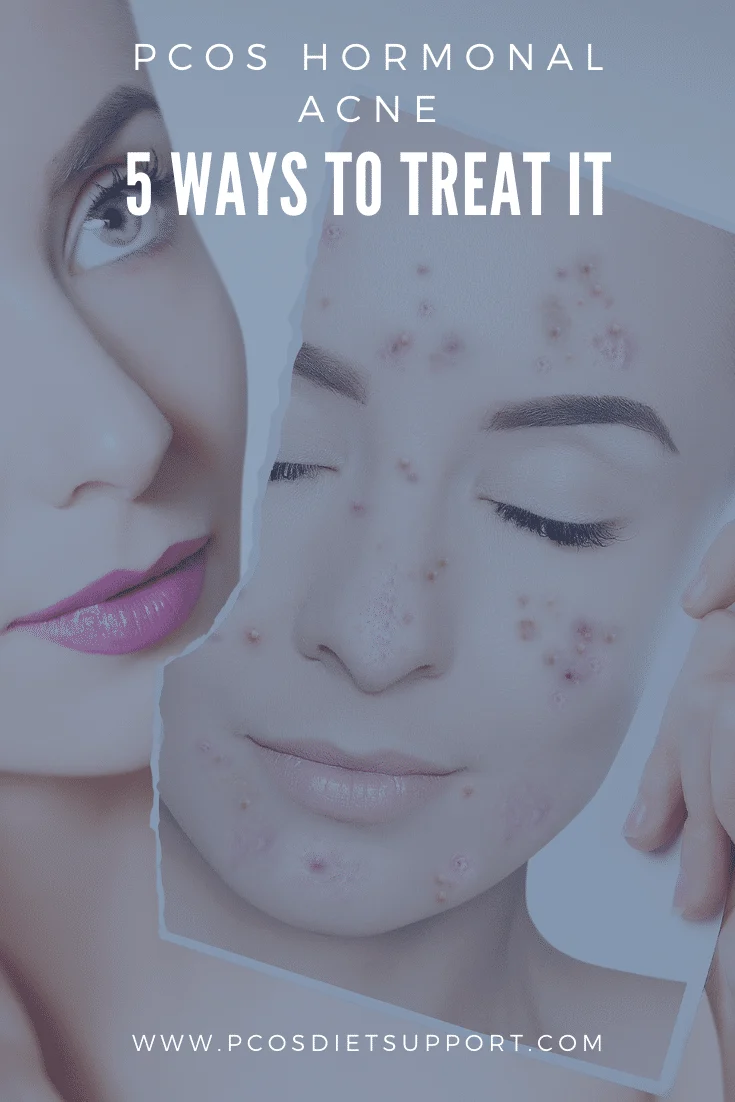
Polycystic Ovary Syndrome (PCOS) stands as one of the most prevalent endocrine disorders affecting individuals of reproductive age, impacting an estimated 6 to 12 percent of women globally, or approximately 5 million individuals in the United States alone. Characterized by a complex cascade of hormonal imbalances, the condition frequently manifests through a series of dermatological challenges, chief among them being persistent, treatment-resistant hormonal acne. Unlike conventional acne vulgaris typically linked to adolescence, sebum overproduction, or temporary lifestyle fluctuations, PCOS-related acne is deeply rooted in systemic endocrine dysfunction. As clinical researchers continue to explore the intricate connections between reproductive hormones, insulin resistance, and cutaneous health, medical professionals increasingly emphasize the necessity of targeted, multifaceted treatment protocols that extend far beyond standard over-the-counter skincare regimens.
The Pathophysiology of PCOS-Related Endocrine Disruption
To comprehend the persistence of PCOS-related acne, medical researchers examine the central command center of the endocrine system: the pituitary gland. Situated at the base of the brain, the pituitary gland regulates the synthesis and secretion of vital reproductive hormones, including estrogen, progesterone, and androgens such as testosterone. While androgens are conventionally categorized as male sex hormones, they are naturally present in the female body in tightly regulated quantities, playing critical roles in bone density preservation, cardiovascular health, and tissue repair.
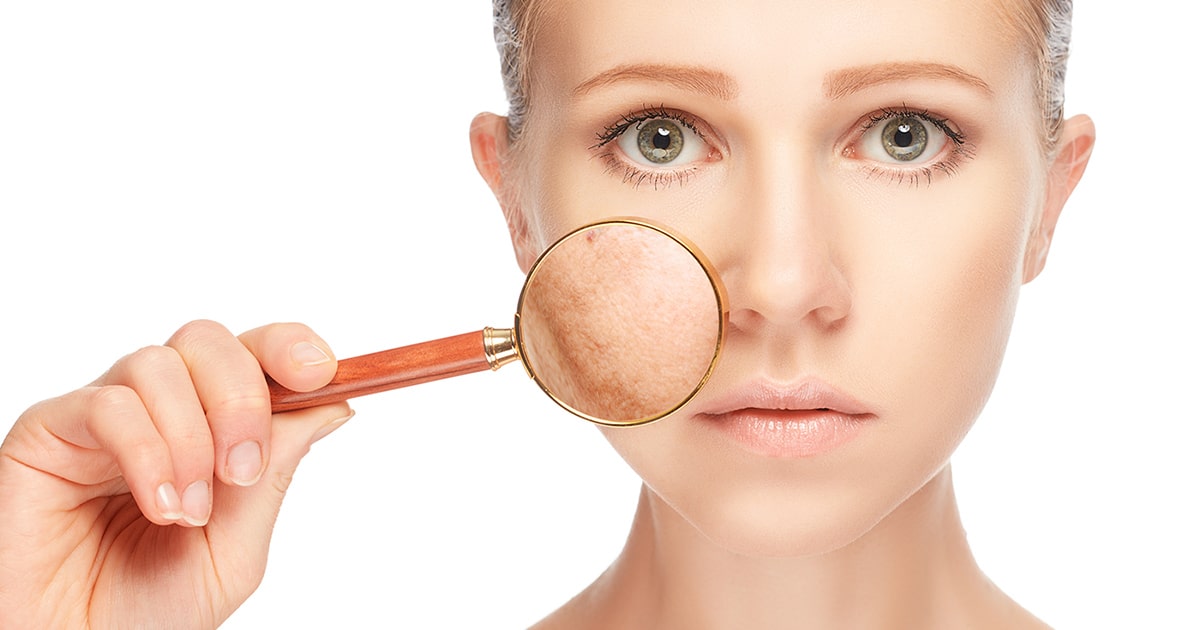
In a neurotypical endocrine profile, feedback loops allow the brain to dynamically adjust hormone production based on physiological requirements. However, in patients diagnosed with PCOS, these signaling pathways become disrupted. The ovaries, uniquely sensitive to circulating insulin levels, often overproduce androgens in response to hyperinsulinemia—a common metabolic feature of the syndrome. Simultaneously, the production of progesterone and estrogen frequently declines. This elevation in free androgens stimulates the sebaceous glands to enlarge and produce excessive sebum, an oily substance that, when combined with trapped dead skin cells, clogs pores and creates an optimal environment for the proliferation of Cutibacterium acnes bacteria.
This physiological disruption rarely occurs in isolation. The physical manifestations of PCOS—including stubborn weight gain, hirsutism (excess facial and body hair), irregular or absent menstrual cycles, and painful cystic breakouts—often exact a profound toll on psychological well-being. Clinical studies indicate a significantly higher prevalence of anxiety and depression among women diagnosed with PCOS. Crucially, psychological distress elevates cortisol levels, a primary stress hormone that can further exacerbate systemic inflammation and stimulate androgen production, thereby initiating a self-perpetuating cycle of dermatological flare-ups and emotional distress.
Chronology and Limitations of Standard Dermatological Interventions
Historically, the standard clinical approach to adult female acne has relied heavily on topical over-the-counter therapies containing ingredients such as benzoyl peroxide, salicylic acid, and alpha-hydroxy acids. While these formulations can effectively address mild, surface-level comedones, dermatological data consistently demonstrates their inadequacy when deployed against the deep-seated, nodulocystic lesions characteristic of PCOS.
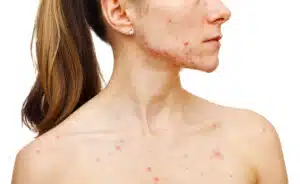
During initial diagnostic phases—often spanning months as patients navigate primary care physicians, gynecologists, and endocrinologists—individuals frequently cycle through numerous commercial products, experiential face masks, and trending skincare routines without achieving meaningful clinical remission. Dermatologists note that because the fundamental driver of PCOS acne is internal endocrine signaling, topical treatments alone fail to address the root pathology. Consequently, medical consensus has shifted toward comprehensive interdisciplinary management protocols that combine dietary interventions, targeted prescription dermatology, and systemic hormonal regulation.
Dietary Modulations and Metabolic Management
A foundational pillar in contemporary PCOS management involves addressing the metabolic underpinnings of the disorder, specifically insulin resistance. Because elevated insulin directly stimulates ovarian androgen synthesis, stabilizing blood glucose levels serves as a primary non-pharmacological intervention for reducing acne severity.
Clinical observations from nutritional epidemiology and endocrinology suggest a strong statistical correlation between specific dietary components and the exacerbation of PCOS symptoms. Dairy consumption, in particular, has emerged as a significant dietary trigger. Dairy products contain bioactive molecules and hormones derived from bovine sources—such as insulin-like growth factor 1 (IGF-1) and precursors to dihydrotestosterone—which can stimulate hepatic IGF-1 production, enhance systemic inflammation, and increase bioavailability of circulating androgens in humans.

Clinical case reviews indicate that strict elimination of dairy products can lead to noticeable improvements in inflammatory acne lesions within two to four weeks for a subset of PCOS patients. Furthermore, adopting a low-glycemic index diet rich in high-fiber whole foods, lean proteins, and healthy fats helps mitigate insulin spikes, thereby dampening the ovarian androgen response and clearing the physiological pathways responsible for persistent breakouts.
Prescription Dermatological Therapies: Retinoids and Isotretinoin
When dietary and lifestyle modifications prove insufficient for moderate to severe presentations, dermatologists frequently turn to prescription-strength retinoids and systemic retinoid therapies.
Topical retinoids, derived from vitamin A, function by accelerating cellular turnover within the epidermis. By promoting the shedding of epithelial cells and preventing them from accumulating within the hair follicles, topical formulations—such as tretinoin, adapalene, and tazarotene—effectively prevent microcomedone formation and assist in clearing existing blockages. Applied consistently, topical retinoids also stimulate collagen synthesis, potentially reducing the formation of atrophic acne scars associated with severe cystic breakouts. Clinical guidance recommends nightly or intermittent application of a pea-sized amount following thorough facial cleansing, noting that initial phases of treatment often involve transient erythema, dryness, and a temporary exacerbation of blemishes before stabilization occurs.
For severe, recalcitrant nodulocystic acne that fails to respond to topical therapies, oral isotretinoin (commonly known by legacy brand names such as Accutane) remains a powerful systemic intervention. Prescribed in weight-based dosing regimens—typically ranging from 0.5 to 1.0 milligrams per kilogram of body weight daily—a standard course spans 15 to 20 weeks. Isotretinoin induces apoptosis in sebaceous gland cells, permanently reducing sebum production and addressing the micro-environmental factors necessary for acne pathogenesis.
However, the administration of isotretinoin is subject to stringent clinical monitoring due to its extensive side-effect profile, which includes cheilitis, xerosis, musculoskeletal discomfort, and elevated hepatic enzymes or lipid panels. Most critically, because isotretinoin is a potent human teratogen associated with severe embryofetal toxicity, spontaneous abortion, and structural birth defects, female patients of childbearing potential must adhere to mandatory risk-evaluation programs, utilizing dual forms of reliable contraception throughout the treatment duration. Moreover, clinicians emphasize that while isotretinoin effectively halts sebum production and clears current acne lesions, it does not alter the underlying endocrine dysfunction of PCOS; thus, post-treatment maintenance often requires adjunctive hormonal therapy to prevent relapse.
Systemic Antiandrogens and Hormonal Contraception
To directly target the hormonal imbalances driving PCOS-related dermatological symptoms, physicians frequently prescribe systemic medications designed to suppress androgen production or block their peripheral receptor activity.
Antiandrogen medications, or androgen receptor antagonists, function by competitively binding to androgen receptors in target tissues, including the sebaceous glands and hair follicles, thereby preventing testosterone and dihydrotestosterone from exerting their physiological effects. Among these, spironolactone—a potassium-sparing diuretic utilized off-label in dermatology—has a robust clinical history spanning over three decades in the management of female pattern hair loss, hirsutism, and hormonal acne. Doses typically range from 50 to 200 milligrams daily, accompanied by periodic monitoring of serum potassium levels. Cyproterone acetate, widely utilized internationally in combination with ethinyl estradiol, represents another potent antiandrogenic agent capable of suppressing ovarian androgen synthesis and reducing sebum excretion rates.
Alternatively, combined oral contraceptives (COCs) are frequently prescribed to regulate menstrual cyclicity, suppress luteinizing hormone secretion from the pituitary gland, and increase hepatic production of sex hormone-binding globulin (SHBG), which binds free circulating testosterone and renders it biologically inactive. Progestins contained within modern COCs—such as drospirenone, which possesses inherent antiandrogenic properties—are preferentially selected for patients presenting with PCOS-related cutaneous symptoms.
Despite their efficacy, oral contraceptives and antiandrogens carry distinct risk profiles that necessitate careful clinical evaluation. COCs are generally contraindicated in patients with a history of thromboembolism, cerebrovascular disease, hormone-sensitive malignancies, uncontrolled hypertension, or severe hepatic dysfunction. Furthermore, because smoking significantly multiplies the risk of cardiovascular events, particularly in women over the age of 35, clinicians conduct thorough risk-benefit analyses prior to initiation. Endocrinologists also note that hormonal contraceptives primarily function as symptomatic palliatives; upon discontinuation of the medication, underlying endocrine imbalances typically resurface, prompting recurrence of clinical symptoms unless concurrent metabolic strategies are maintained.
Behavioral Stress Mitigation and Holistic Integration

Recognizing the bidirectional relationship between psychological stress and endocrine function, modern clinical guidelines increasingly advocate for the integration of stress-reduction protocols into comprehensive PCOS treatment plans. Chronic psychological stress stimulates the hypothalamic-pituitary-adrenal (HPA) axis, resulting in elevated cortisol and adrenal androgen production, which can directly exacerbate sebaceous activity and systemic inflammation.
Interventions such as mindfulness-based stress reduction (MBSR), cognitive behavioral therapy (CBT), regular low-impact physical activity, and structured sleep hygiene protocols have demonstrated measurable utility in lowering cortisol levels and improving quality of life indicators among chronic illness patients. When combined with targeted dietary modifications, dermatological prescriptions, and endocrinological oversight, stress management completes a multidisciplinary matrix designed to interrupt the physiological feedback loops sustaining PCOS-related hormonal acne.
Broader Implications and Future Clinical Directions
The management of PCOS-related hormonal acne underscores a broader paradigm shift within modern medicine: the necessity of viewing dermatological health not merely as an isolated surface condition, but as an external reflection of complex systemic, metabolic, and endocrine equilibria. As clinical research progresses, future therapeutic avenues aim to develop more precise, non-hormonal insulin-sensitizing agents and selective androgen receptor modulators (SARMs) that minimize systemic side effects while maximizing cutaneous relief. For patients navigating the physical and emotional complexities of PCOS, an informed, proactive partnership with healthcare providers—spanning endocrinology, dermatology, and gynecology—remains the most effective pathway toward sustained clinical improvement and enhanced overall health outcomes.
