
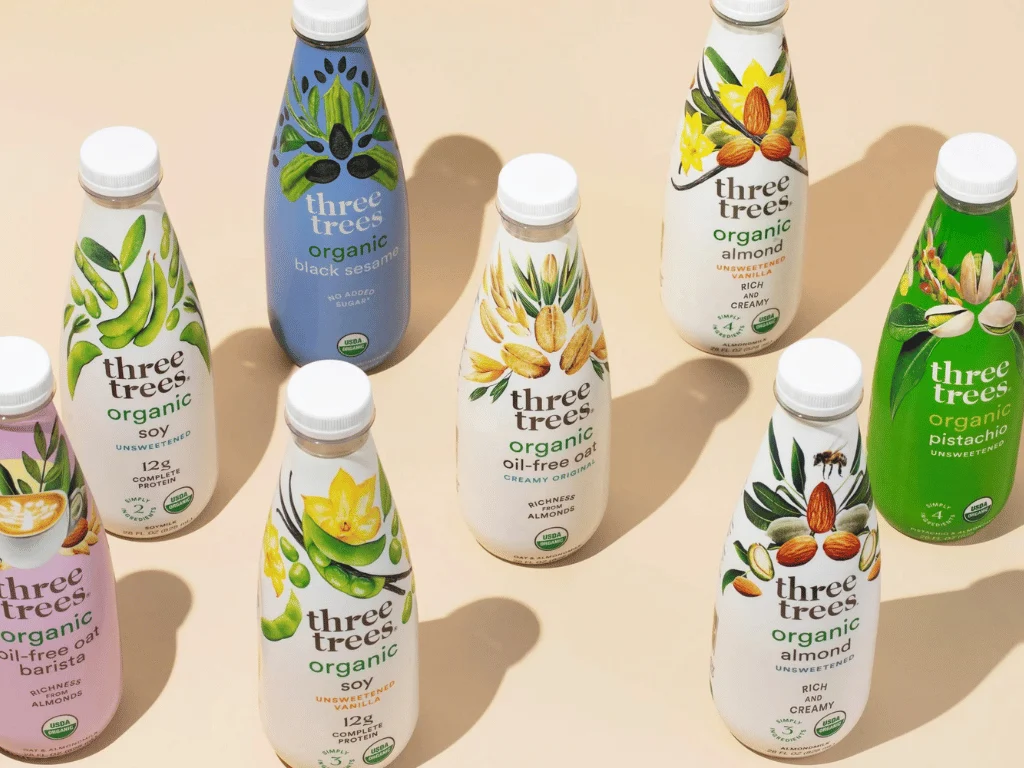
Brooklyn-based business development and brand platform Next in Natural has officially acquired Californian clean-label plant-milk startup Three Trees for an undisclosed sum. This strategic transaction represents Next in Natural’s inaugural venture into the plant-based dairy category, expanding its growing portfolio of "better-for-you" food and beverage enterprises. The acquisition brings a well-established, additive-free alternative milk brand under the umbrella of a larger New York-based firm, positioning both entities for accelerated national retail expansion and operational synergy.
The deal integrates Three Trees’ extensive non-dairy product catalog—which includes pistachio milk, black sesame milk, oil-free oat milks, and artisanal matcha and jasmine milk teas—into a broader distribution network across the United States. Furthermore, the buyout sets the stage for immediate cross-brand collaborations. Three Trees will partner with Chameleon Cold Brew, another portfolio brand acquired by Next in Natural in February of the same year. This pairing aims to combine premium cold-brew coffee options with frothable, clean-label plant-based milks designed specifically for home and commercial coffee preparation.
Origins and Evolution of a Clean-Label Pioneer
Three Trees was founded in 2012 by Jenny Eu, who began crafting plant-based milks in her home kitchen. Her culinary approach was heavily influenced by her childhood walks through forests with her grandmother, who instilled in her the philosophy that optimal foods originate directly from nature. The company’s moniker derives from the Chinese logographic character representing a dense forest, which is constructed from three individual tree symbols.
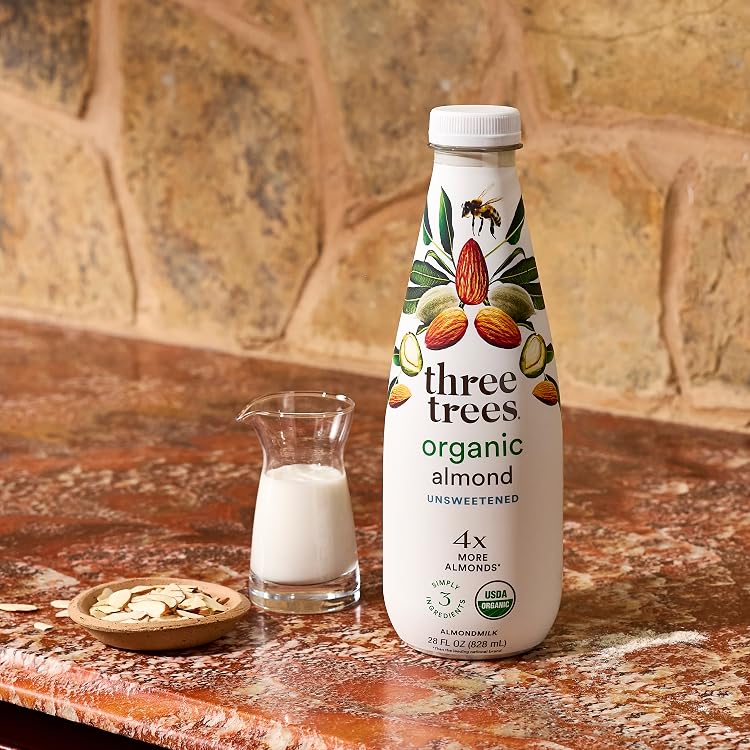
The enterprise commenced operations at local farmers’ markets in San Francisco, steadily scaling into a nationally recognized brand distinguished by its strict adherence to formulations devoid of gums, artificial oils, thickeners, and chemical emulsifiers. According to industry assessments, Three Trees utilizes up to four times the quantity of nuts found in competing commercial plant milks, creating a naturally occurring cream top and heavy-cream-like frothing capabilities without synthetic stabilizers.
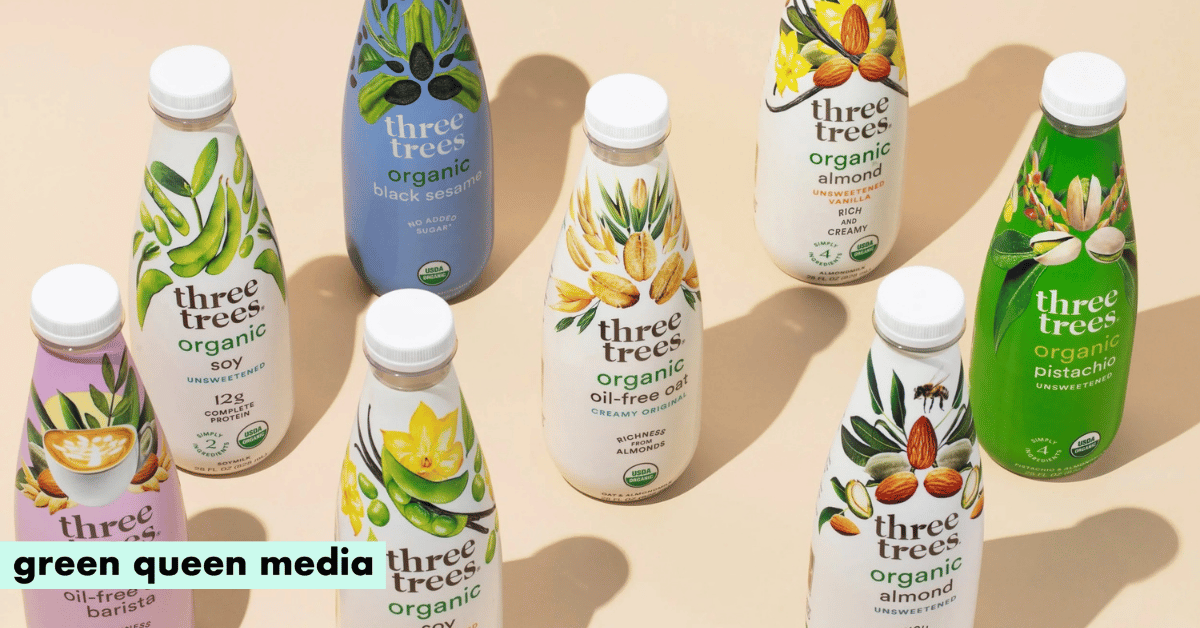
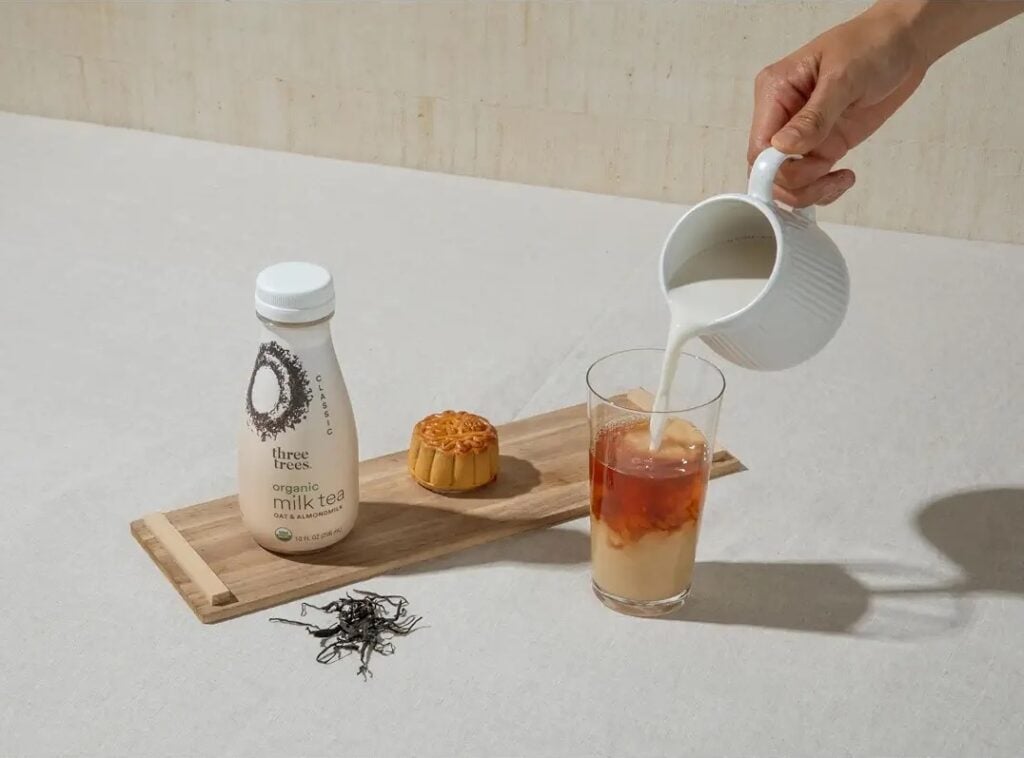
The brand’s product lineup features minimalist ingredient profiles, such as a two-ingredient soy milk and a three-ingredient almond milk consisting solely of almonds, water, and where applicable, minimal salt. Its oil-free standard and barista oat milks incorporate water, oats, almonds, chicory root fiber, baking soda, and French grey salt. In addition to traditional nut milks, Three Trees pioneered specialty variants including pistachio milk, blended with almonds and salt, and black sesame milk, formulated with almonds, dates, and salt. Its line of milk teas marries an oat and almond base with chicory root fiber, organic sugar, and salt, infused with authentic teas such as matcha, jasmine, oolong, and black tea.
Strategic Rationale and Executive Perspectives
Executives from both companies emphasize that the acquisition preserves the core mission of Three Trees while leveraging the infrastructural capabilities of Next in Natural.
"I started Three Trees to make the kind of plant-based milk I wanted to feed my own family, with nothing to hide on the label," stated founder Jenny Eu. "Next in Natural’s mission of helping make the world a better place, organically, really resonated with me. They share my obsession with best-in-class products and my respect for the people who carry and drink them. Their team will help put Three Trees in front of many more people who care about what’s in their glass."
Kristine Laurel, Chief Operating Officer of Next in Natural, highlighted the natural compatibility between the newly acquired milk brand and Chameleon Cold Brew. "Great coffee deserves great milk," Laurel noted. "Three Trees and Chameleon were made for each other. Our shared marketing, R&D, and business development teams let both brands scale symbiotically while keeping Jenny’s quality-first mission front and centre."
Lichtenstein, founder and chief executive officer of Next in Natural, echoed these sentiments regarding consumer trust and ingredient transparency. "Shoppers are reading labels more closely than ever, and Three Trees wins that test every time," Lichtenstein said. "Our Original is two ingredients, organic almonds and water, with four times the almonds. That’s not a marketing claim, it’s the product. Three Trees was my family’s go-to long before this deal. We’re honoured to carry Jenny’s vision forward and share it with a lot more households."
Industry Context: M&A Consolidation in Alternative Proteins
The acquisition of Three Trees occurs within a broader macroeconomic and industrial landscape characterized by significant consolidation, restructuring, and portfolio optimization across the alternative protein and plant-based food sectors. Market tracking data indicates that more than 90 companies within the global food technology and alternative protein space have undergone acquisitions, strategic mergers, bankruptcies, or formal closures since September 2024.
As venture capital funding models evolve and consumer packaged goods (CPG) markets mature, emerging brands increasingly seek shelter within larger, well-capitalized operational platforms. This consolidation allows smaller innovators to survive competitive pressures, secure favorable retail placement, and weather inflationary supply chain environments by sharing administrative, research, and distribution overhead with sister brands.
Meeting the Rising Demand for Clean-Label Offerings
The timing of Next in Natural’s acquisition aligns with shifting consumer preferences regarding food processing and ingredient transparency in North America. Modern retail surveys underscore a marked skepticism toward ultra-processed foods (UPFs) and synthetic additives. Data indicates that approximately 82% of shoppers believe that fewer artificial or unfamiliar ingredients correlate directly with a healthier product. Furthermore, 69% of consumers actively inspect product labels to avoid highly processed components, while 80% express a clear preference for recognizable, whole-food ingredients over laboratory-derived additives.
These consumer shifts have brought ingredient scrutiny to the forefront of regulatory and public health debates. Public discussions surrounding the classification and regulation of UPFs have intensified, with health authorities and governmental figures scrutinizing the general recognition of safety (GRAS) status for various food additives. Although regulatory bodies have stopped short of issuing immediate, sweeping bans on specific categories, the regulatory climate continues to encourage manufacturers to simplify ingredient formulations.
Within the plant-based dairy sector, scientific and nutritional debates have occasionally centered on the comparative degree of processing in meat and dairy alternatives versus animal-derived counterparts. A recent study observed that certain plant-based alternatives may contain a higher count of functional additives compared to traditional animal products. However, nutritional experts and researchers have cautioned against broad generalizations, noting that many such ingredients are essential for replicating the sensory attributes, mouthfeel, and functional performance—such as steaming and frothing—that drive consumer adoption.
"A higher number of additives does not automatically mean a product is unhealthy or unsafe," explained Roberta Alessandrini, director of the Dietary Guidelines Initiative at the Physicians Association for Nutrition. She noted that such findings should not be interpreted as a simplistic narrative that all plant-based foods are inherently inferior to animal products.
Despite the functional necessity of certain additives, market research firms confirm that clean-label formulations remain a primary driver of retail growth. According to data from Innova Market Insights, more than one in three food and beverage launches in North America featured a clean-label claim, with the absence of artificial additives and preservatives standing out as the most prominent marketing attribute.
The commercial viability of this strategy is demonstrated by the financial performance of minimalist brands within the sector. For instance, Malk Organics reported that its focus on exceptionally short ingredient lists contributed to a 46% surge in sales, bringing its total revenue to $94 million. Similarly, major market players have introduced simplified iterations, such as four-ingredient oat milks and seed-oil-free formulations, to capture health-conscious demographics.
Future Outlook for Three Trees and Next in Natural
Following the finalization of the transaction, Three Trees will operate as part of the Next in Natural portfolio alongside Chameleon Cold Brew. The integration process will leverage shared research and development capabilities to optimize the manufacturing and distribution of Three Trees’ milk and tea lines.
By scaling production while maintaining its founding commitment to zero gums, oils, and thickeners, Three Trees aims to solidify its market position as a premier option for consumers seeking transparency and functional performance in plant-based beverages. The partnership is expected to accelerate the brand’s availability across conventional and natural grocery channels throughout the United States, marking a significant milestone in the ongoing evolution of the clean-label beverage market.
