
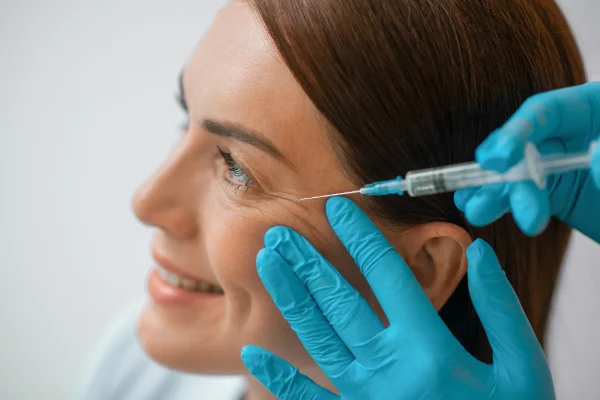
A comprehensive review titled Botulinum Toxin A Myths, Evidence, and Global Media Narratives, recently published in the prestigious journal Aesthetic Plastic Surgery, has cast a revealing light on the persistent and often damaging public misconceptions surrounding botulinum toxin type A (BoNT-A). The study, which represents one of the most extensive longitudinal analyses of its kind, meticulously examined the disconnect between clinical reality and public perception over a span of nearly a quarter-century. By synthesizing data from both academic and mainstream sources, the research team identified a significant rift in how the world’s most popular cosmetic injectable is portrayed, revealing that media narratives are disproportionately skewed toward negativity and sensationalism compared to the objective findings of the scientific community.
The researchers conducted an exhaustive analysis of 513 English-language sources published between the years 2000 and 2024. This dataset was comprised of 186 peer-reviewed academic studies and 327 mainstream media reports, including news articles, digital features, and broadcast transcripts. To navigate this vast amount of information, the study employed sophisticated artificial intelligence-assisted searches, sentiment analysis, and thematic clustering. This multi-pronged methodology allowed the authors to categorize the prevailing discourse into eight major myth categories, ranging from concerns over systemic toxicity and long-term safety to more modern anxieties regarding the aesthetic "naturalness" of the results. The findings suggest that the public’s understanding of BoNT-A is being shaped more by anecdotal evidence and alarmist media coverage than by the robust safety data available in medical literature.
The Quantitative Divide: Academic Evidence Versus Media Sensationalism
One of the most striking revelations of the study is the quantitative disparity between scientific evidence and media representation. According to the sentiment analysis, misconceptions regarding the safety and toxicity of BoNT-A appeared 3.2 times more frequently in media reports than in peer-reviewed academic journals. While clinical studies consistently highlight the high safety profile and efficacy of the toxin when administered by trained professionals, media outlets often focus on rare adverse events or hypothetical risks. This trend contributes to a "negativity bias" that can deter potential patients or create unnecessary anxiety for those seeking treatment.
The thematic clustering identified eight primary categories of myths that have dominated the public consciousness over the last 24 years. These include the "toxin as poison" narrative, fears of permanent muscle atrophy, the belief that treatments lead to a complete loss of emotional expression, and concerns about the "migration" of the toxin to the brain or other vital organs. Despite the fact that BoNT-A has been used safely for decades in both cosmetic and therapeutic capacities—ranging from the treatment of chronic migraines to spasticity in pediatric patients—the media’s emphasis on the "toxic" nature of the substance remains a powerful deterrent to accurate public understanding.
A Two-Decade Chronology: The Evolution of Aesthetic Misinformation
The study provides a detailed timeline of how BoNT-A narratives have shifted in response to external events. The researchers noted that spikes in misinformation often correlate with specific cultural and legal milestones. In the early 2000s, following the FDA’s approval of Botox Cosmetic in 2002, the narrative was largely focused on the novelty of the procedure and the "frozen" look associated with over-treatment. However, as the procedure became more mainstream, the nature of the myths began to evolve.
The mid-2000s to early 2010s saw a rise in misinformation following high-profile litigation and regulatory advisories. When legal cases involving off-label use or adverse reactions made headlines, the media often extrapolated these specific instances into general warnings about the entire class of neuromodulators. Similarly, celebrity disclosures—or the lack thereof—played a significant role in shaping public perception. When public figures were perceived to have "gone too far" with injectables, the resulting media scrutiny often reinforced the myth that BoNT-A inevitably leads to an unnatural or "plastic" appearance.
The post-2019 era has introduced an entirely new set of challenges. The researchers identified a surge in new myths emerging after the onset of the global pandemic and the rise of short-form video platforms like TikTok and Instagram. Among these new concerns are claims of "immune suppression" caused by the toxin and the concept of "patchwork aging." The latter refers to the theory that treating one area of the face causes the surrounding areas to age more rapidly or awkwardly. These claims, while lacking any substantial scientific backing, have gained significant traction in digital spaces, demonstrating the speed at which modern misinformation can propagate.
Analyzing the Impact of the Digital "Infodemic"
The rise of social media has fundamentally altered the landscape of aesthetic education. The study highlights that the "infodemic"—a term coined to describe an overabundance of information, both accurate and inaccurate—has made it increasingly difficult for patients to discern fact from fiction. AI-assisted sentiment analysis revealed that social media algorithms often prioritize high-engagement content, which tends to be sensational, controversial, or fear-based. Consequently, a single viral video claiming a "Botox disaster" can outweigh years of clinical data in the mind of a consumer.
The researchers also pointed to the role of "influencer culture" in the dissemination of myths. Unlike medical professionals, influencers are not bound by the same ethical or regulatory constraints regarding the dissemination of medical information. When an influencer attributes a health issue to a previous BoNT-A treatment without clinical confirmation, the narrative can spread globally within hours. This has created a environment where healthcare providers must spend a significant portion of their consultation time "unlearning" myths that patients have encountered online.
Official Responses and the Call for Clinical Intervention
In response to these findings, professional organizations within the aesthetic community have emphasized the need for a proactive approach to patient education. While the study itself did not feature direct quotes from every regulatory body, the implications align with the long-standing positions of organizations such as the American Society of Plastic Surgeons (ASPS) and the International Society of Aesthetic Plastic Surgery (ISAPS). These organizations have consistently advocated for the importance of "board-certified" expertise and the use of FDA-approved products to mitigate risks.
The authors of the review recommend several strategic interventions to counter the tide of misinformation. First, they suggest the development of comprehensive "pre-consultation" educational resources. By providing patients with evidence-based literature before they even enter the clinic, practitioners can establish a foundation of facts. Second, the study advocates for the use of scripted clinical responses. These scripts would allow healthcare professionals to address common myths—such as the fear of "patchwork aging"—with standardized, easy-to-understand explanations that are grounded in anatomical science.
Furthermore, the researchers call for a stronger collaboration between healthcare professionals and media organizations. By serving as expert consultants for journalists and content creators, medical professionals can help ensure that mainstream reporting on aesthetic procedures is balanced, accurate, and reflective of the actual risk-to-reward ratio.
Broader Implications for the Future of Aesthetic Medicine
The findings of the Aesthetic Plastic Surgery review have implications that extend beyond the realm of BoNT-A. The study serves as a case study for how medical procedures can be misunderstood when they intersect with celebrity culture, litigation, and rapid digital communication. As new aesthetic technologies—such as regenerative medicine, exosome therapy, and advanced laser systems—enter the market, they are likely to face similar cycles of myth-making and media sensationalism.
For the medical community, the study is a reminder that clinical excellence is only one half of the equation; communication is the other. The persistence of myths over a 24-year period suggests that simply publishing safety data in medical journals is insufficient. To truly improve public understanding, the data must be "translated" for a lay audience and disseminated through the same channels where misinformation thrives.
The concept of "patchwork aging" and "immune suppression" highlights a shift toward more complex, pseudo-scientific myths that require more sophisticated debunking. As patients become more "educated" via the internet, their questions become more specific and their anxieties more ingrained. Practitioners must stay abreast of these digital trends to maintain their role as the primary, trusted source of medical information.
In conclusion, the review Botulinum Toxin A Myths, Evidence, and Global Media Narratives provides a vital roadmap for navigating the complex information landscape of the 21st century. By identifying the root causes of public misconceptions and quantifying the media’s role in perpetuating them, the study empowers healthcare providers to take a more active role in patient education. As BoNT-A continues to be a cornerstone of aesthetic and therapeutic medicine, the industry’s ability to bridge the gap between scientific truth and public perception will be paramount in ensuring patient safety and satisfaction in the years to come.
