
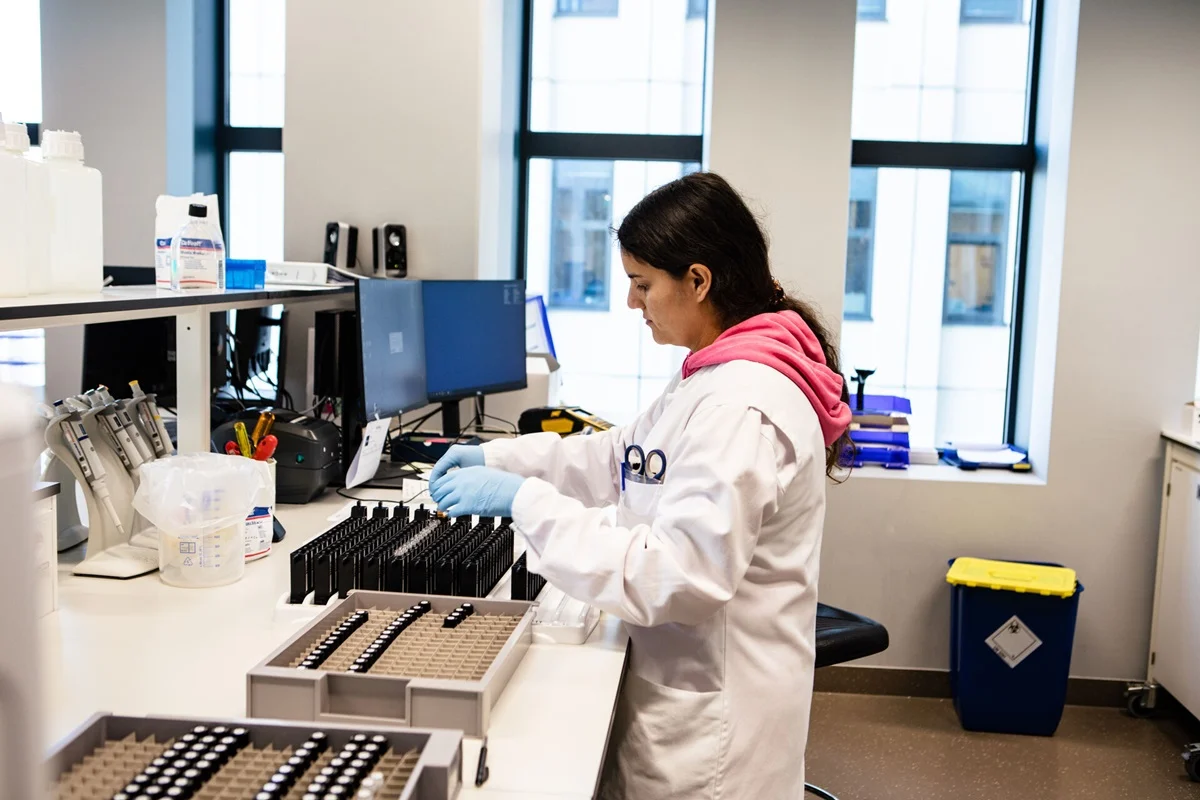
The World Health Organization (WHO) has officially launched its 2026 global health campaign, centering on the theme "Together for health. Stand with science." This initiative marks the 78th anniversary of the organization’s founding on April 7, 1948, and serves as a rallying cry for nations to prioritize evidence-based policymaking and international cooperation. Amidst a landscape of shifting global priorities and emerging biological threats, the WHO’s latest directive emphasizes that the "twin engines" of collaborative action and scientific rigor are the only viable pathways to sustainable global wellness. The campaign, which will span the entirety of the coming year, aims to bridge the gap between laboratory breakthroughs and community-level health outcomes, ensuring that the fruits of innovation are distributed equitably across all demographics.
A Legacy of Progress: From 1948 to the Present
The selection of the 2026 theme is deeply rooted in the historical successes that have defined the WHO’s tenure. Since its inception in the mid-20th century, the organization has spearheaded initiatives that have fundamentally altered the trajectory of human life expectancy. In 1948, the global community faced a world ravaged by the aftermath of total war, with infectious diseases like tuberculosis and malaria claiming millions of lives annually. The subsequent decades saw the implementation of the Expanded Programme on Immunization (EPI) and the historic eradication of smallpox in 1980—a feat achieved through unprecedented scientific consensus and cross-border logistics.
In the 21st century, the data continues to reflect the profound impact of these efforts. According to WHO records, the global maternal mortality rate has experienced a decline of more than 40% since the year 2000. Simultaneously, the mortality rate for children under the age of five has been slashed by over 50%. These milestones are not merely statistical triumphs; they represent millions of families spared from tragedy due to improved obstetric care, the widespread availability of clean water, and the scaling of basic nutritional interventions.
The evolution of medical science has also redefined what it means to live with chronic conditions. Decades ago, a diagnosis of HIV, certain types of cancer, or chronic hypertension was often viewed as a terminal sentence. Today, through the development of antiretroviral therapies, targeted oncology treatments, and advanced cardiovascular medications, these conditions have transitioned into manageable health issues. This shift has added decades of productive life to the global population, demonstrating that when scientific knowledge is applied through structured public health frameworks, the impossible becomes routine.
Current Global Challenges and the Necessity of "Standing with Science"
Despite these historic gains, the World Health Organization warns that the current global health landscape is increasingly precarious. The 2026 campaign arrives at a moment when the intersection of climate change, environmental degradation, and geopolitical instability threatens to reverse decades of progress. The WHO notes that shifting climate patterns are expanding the geographical range of vector-borne diseases such as Dengue and Zika, while extreme weather events are destabilizing the infrastructure required to deliver essential health services.
Furthermore, the rise of antimicrobial resistance (AMR) looms as a "silent pandemic," threatening to render common antibiotics ineffective and returning modern medicine to a pre-penicillin era. Dr. Sylvie Briand, WHO Chief Scientist, highlighted that the current era is defined by a paradoxical struggle: while we possess more data than ever before, the proliferation of misinformation often hampers the application of that data. "Science transforms uncertainty into understanding and reveals the pathways to protect and heal our communities," Dr. Briand stated. She cautioned that without a commitment to rigorous inquiry, society risks being swayed by bias and misconception, leading to treatments that are at best ineffective and at worst harmful.
The demographic shift toward an aging population also presents new challenges for health systems. By 2030, one in six people in the world will be aged 60 years or over. This transition requires a scientific pivot toward geriatric care, neurodegenerative disease research, and the integration of digital health tools to monitor chronic conditions remotely. The 2026 theme serves as a reminder that the health systems of the future must be built on the bedrock of current scientific foresight rather than reactionary measures.
The Lyon Summit and the One Health Framework
A cornerstone of the 2026 World Health Day activities is the One Health Summit, hosted in Lyon, France, from April 5 to 7. Convened in partnership with the G7 Presidency of France, this summit brings together Heads of State, leading researchers, and community organizers. The "One Health" approach is an integrated, unifying strategy that aims to sustainably balance and optimize the health of people, animals, and ecosystems.
The Lyon Summit focuses on the reality that human health does not exist in a vacuum. Approximately 75% of newly emerging infectious diseases are zoonotic, meaning they jump from animals to humans. By analyzing the health of livestock, wildlife, and the environment in tandem with human clinical data, scientists can identify potential spillover events before they trigger pandemics. The summit aims to formalize international protocols for data sharing and environmental monitoring, ensuring that the "Stand with science" mandate is applied to the very habitats that sustain life.
Following the summit, the WHO will host the Global Forum of its Collaborating Centres network from April 7 to 9. This network comprises over 800 academic and research institutions across 80 countries. These centers act as the technical backbone of the WHO, providing the expertise needed to set international standards for everything from vaccine composition to mental health care protocols. The forum will focus on "capacity-building," ensuring that scientists in low- and middle-income countries have the resources and institutional support to lead research that is relevant to their specific regional needs.
Official Responses and the Call for Institutional Synergy
Dr. Tedros Adhanom Ghebreyesus, Director-General of the World Health Organization, has been vocal about the role of science as a global equalizer. "Science is one of humanity’s most powerful tools for protecting and improving health," Dr. Tedros remarked during the campaign launch. He pointed to the mapping of the human genome and the development of MRI technology as examples of how abstract scientific inquiry eventually translates into life-saving bedside care. He emphasized that the average person today lives a longer and healthier life than their ancestors primarily because of the institutionalization of the scientific method in public policy.
The call to "Stand with science" is also a response to the growing trend of scientific skepticism observed during recent global health crises. Analysts suggest that the WHO’s 2026 theme is a strategic move to restore public trust in health institutions. By highlighting the tangible successes of the past century—such as the 50% reduction in child mortality—the WHO is making a data-driven argument for the continued funding and support of scientific institutions.
International health advocates have reacted positively to the theme, noting that it places the responsibility on both governments and individuals. For governments, it means funding R&D and ensuring that health policies are shielded from political interference. For individuals, it means making informed health decisions based on verified evidence rather than social media trends. The consensus among global health leaders is that the complexity of modern diseases—ranging from metabolic syndromes to pandemic influenza—requires a level of technical expertise that cannot be bypassed.
Implications for Future Health Policy and Equity
As the WHO enters its 79th year of operation, the implications of the "Together for health. Stand with science" campaign extend far beyond 2026. The organization is advocating for a fundamental shift in how health is financed and prioritized. One of the primary goals is the achievement of Universal Health Coverage (UHC), a target that requires scientific innovation in health financing and delivery.
The campaign also underscores the necessity of "equitable care." Scientific advancements are of little value if they are only accessible to the world’s wealthiest populations. The WHO is calling for a "democratization of science," where the intellectual property and manufacturing capabilities for essential medicines are shared more broadly across the globe. This would allow for a more resilient global supply chain, preventing the bottlenecks that occurred during the rollout of vaccines and essential diagnostics in previous years.
Furthermore, the emphasis on science includes the social sciences. The WHO recognizes that understanding human behavior is just as critical as understanding viral replication. By integrating behavioral science into public health strategies, the organization hopes to improve the uptake of vaccines, encourage healthier dietary habits, and reduce the stigma associated with mental health conditions.
Conclusion: A Roadmap for the Next Generation
The World Health Day 2026 campaign serves as both a celebration of human ingenuity and a sobering reminder of the work that remains. The progress made in reducing maternal and child mortality proves that coordinated, science-based action can solve even the most entrenched global problems. However, the threats of climate change, emerging pathogens, and misinformation require a renewed commitment to the principles that founded the WHO in 1948.
By bringing together the world’s leading scientific minds in Lyon and across its global network of Collaborating Centres, the WHO is setting a roadmap for the next generation of health. The message is clear: the future of human health depends on our collective ability to trust in evidence, invest in research, and work across borders. As the year-long campaign unfolds, the global community is invited to look past the "uncertainty" mentioned by Dr. Briand and toward a future where science remains the primary guide for health policy and everyday life. In "standing with science," the World Health Organization asserts that the world is not merely reacting to crises, but actively building a more equitable and resilient framework for the well-being of all people, everywhere.
