

As the European Parliament reconvenes for its latest plenary session in Brussels, a formidable coalition of 28 leading food organisations, industry associations, and multinational plant-based brands has formally sounded the alarm against impending legislative hurdles. The collective is fiercely contesting a proposed expansion of labelling restrictions on plant-based meat alternatives, warning that such regulatory barriers directly undermine the European Union’s broader agricultural and environmental ambitions, most notably the newly minted EU Protein Plan.
The brewing policy conflict centres on amendments to the Common Market Organisation (CMO) regulation. Earlier this year, the European Union voted in favour of an initial amendment prohibiting food manufacturers from using the word “meat” alongside 31 related culinary terms on the packaging of plant-based products. Published in the bloc’s official register in August, this foundational ruling provided companies a three-year transition period to overhaul their packaging and comply with the new mandates.
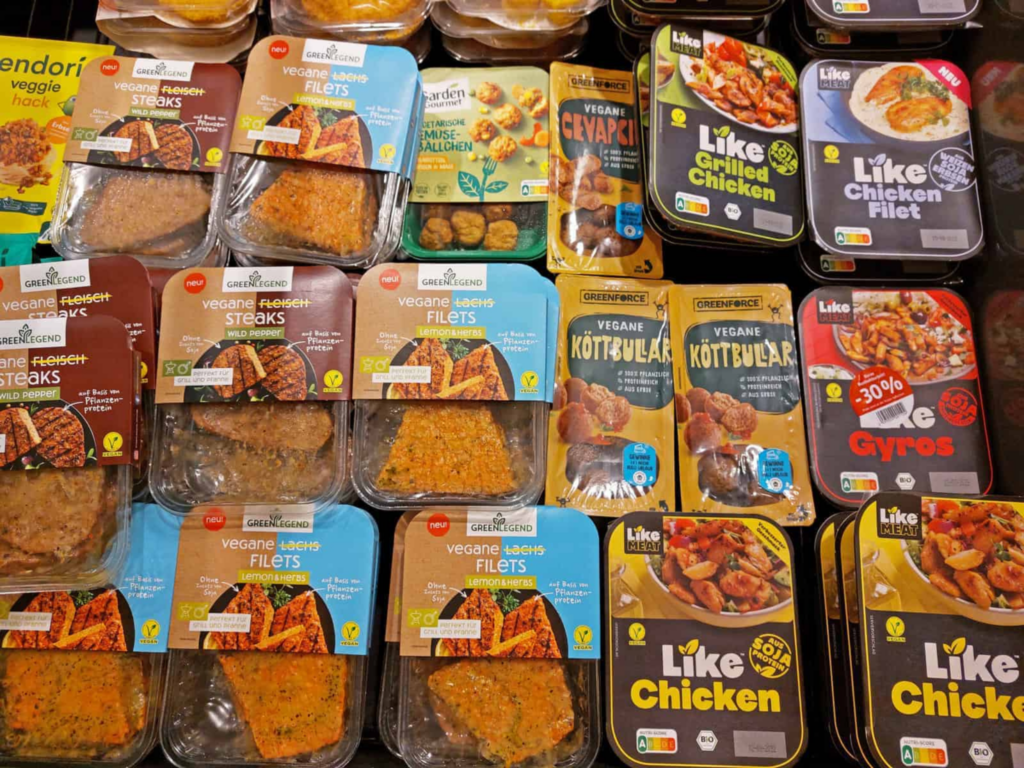
However, the regulatory landscape shifted rapidly just days after the August publication. Members of the European Parliament belonging to the European People’s Party, Patriots for Europe, and the European Conservatives and Reformists Group introduced a fresh set of CMO amendments. These supplementary proposals seek to drastically widen the scope of the censorship, extending the ban to a much broader lexicon of everyday descriptive terms long utilized by the alternative protein industry.
Legislative Timeline and Critical Milestones
The legislative trajectory for these contested amendments involves several pivotal milestones over the coming years. Technical meetings hosted by the European Parliament’s Agriculture Committee are currently underway, laying the groundwork for a critical committee vote scheduled for December. Following this phase, the wider assembly will debate the dossier ahead of a final plenary vote projected for 2027.
Industry leaders argue that if these expanded restrictions are codified into European law, the operational consequences will ripple destructively across the single market. Trade groups and corporate executives are utilizing this pre-vote window to implore Members of the European Parliament (MEPs) to reject the latest wave of restrictions, asserting that contradictory policymaking threatens the viability of Europe’s emerging sustainable food sector.
Among the prominent signatories urging lawmakers to reconsider are plant-based industry pioneers Beyond Meat, Quorn, The Vegetarian Butcher Collective, Linda McCartney Foods, and Redefine Meat. They are joined by influential institutional stakeholders, including EIT Food, an EU-backed innovation think tank, the European Alliance for Plant-Based Foods (EAPF), and Plant-Based Foods Europe.

Rutger Rozendaal, CEO of The Vegetarian Butcher Collective—a brand owned by protein giant JBS—emphasized the disconnect between regulatory efforts and consumer behavior. Pointing to current market realities, Rozendaal noted that European consumers already possess a clear and mature understanding of terms like “burger” and “sausage” when applied to plant-based items. He stressed that regulatory bodies should direct their focus toward expanding consumer choice and market accessibility rather than erecting arbitrary hurdles that complicate everyday grocery shopping.
Contradicting the European Union Protein Plan
At the core of the coalition’s opposition is a glaring policy contradiction: the simultaneous launch of the European Commission’s Protein Plan and the tightening of marketing rules for the very products driving consumer demand for domestic plant proteins.
The European Commission’s Protein Plan establishes a comprehensive framework designed to scale up regional production of plant proteins. The strategic objectives of this plan are multifaceted, aiming to reduce the European Union’s historical dependency on agricultural imports, fortify regional food security and energy resilience, unlock new revenue streams for European farmers and rural economies, and advance the bloc’s legally binding commitment to achieve climate neutrality by 2050.
Historical trade data underscores the urgency of restructuring Europe’s protein supply chains. While the European Union remains largely self-sufficient in low-protein animal feed, it currently imports approximately 74% of its high-protein feed requirements, including essential oilseeds and high-yield protein crops. This heavy reliance exposes the bloc’s agricultural sector to severe volatility in global commodity markets and recurring international supply chain disruptions.
To mitigate these vulnerabilities, the European Union has established a strategic target to increase the share of domestically produced proteins from 25.8% to 35% by 2035. However, industry critics point out that this official target is predominantly tethered to livestock feed applications rather than human food consumption, revealing an incomplete systemic approach.
The necessity for a robust domestic protein strategy was further underscored by extreme weather events across the continent. Europe recently endured its hottest summer on record, characterized by severe, prolonged droughts that devastated conventional harvests. These climatic shocks forced agricultural communities to seek out climate-resilient alternatives, including nitrogen-fixing crops and sophisticated crop rotation techniques that distribute environmental risk. Protein crops satisfy these agronomic requirements exceptionally well, but agricultural experts stress that farmers will only cultivate them at scale if a vibrant, stable commercial market exists for their harvests.
Economic Impact and Financial Burdens on Manufacturers
The coalition’s joint statement argues that plant-based foods serve as the indispensable economic engine of the EU Protein Plan. By creating high-value commercial markets for European-grown pulses, cereals, and specialized protein crops, these products anchor ingredient processing and advanced manufacturing domestically. This, in turn, provides farmers diversifying their crop yields with a reliable, expanding outlet for their annual output.
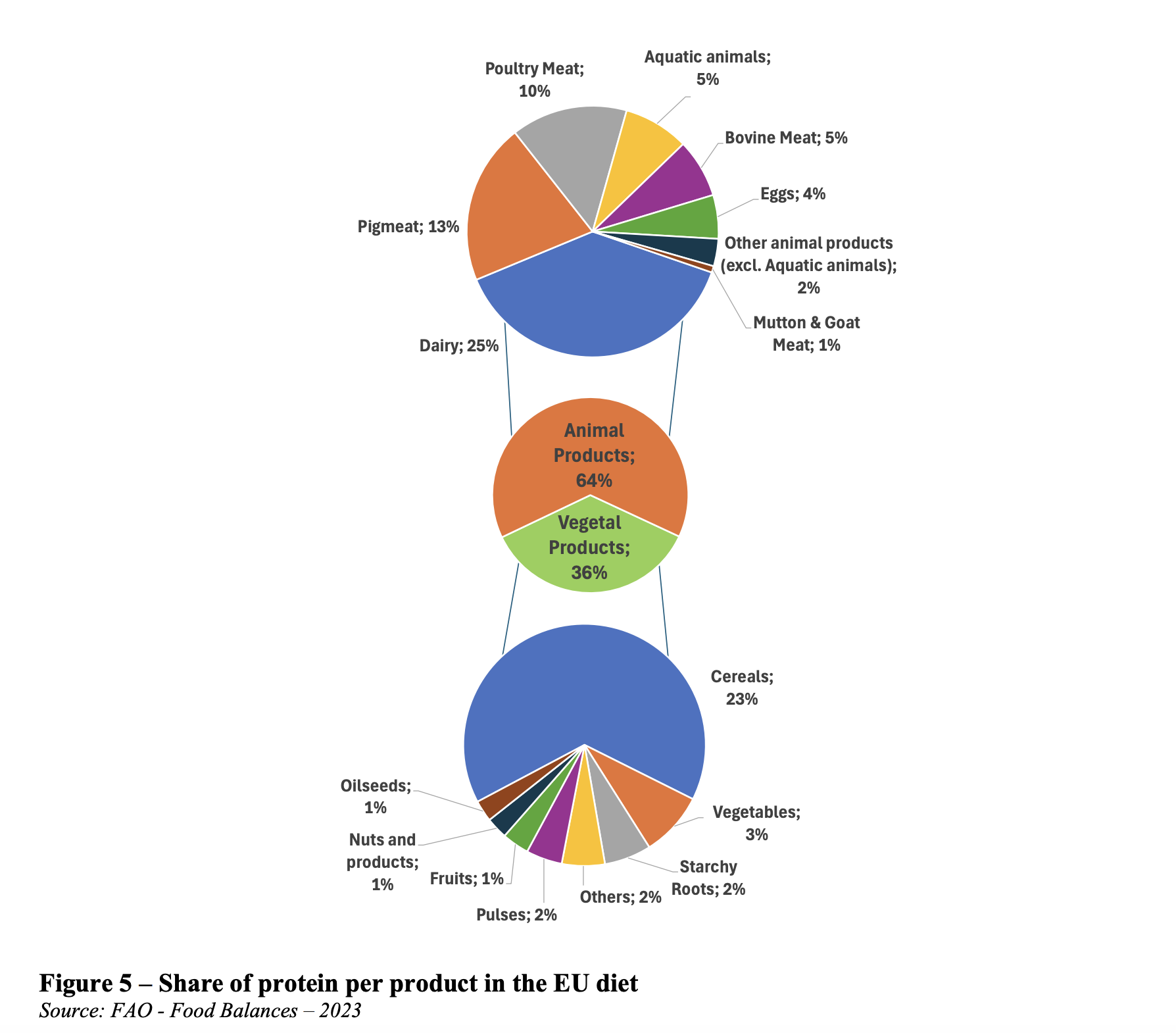
"Rising demand for plant-based foods is, in practice, rising demand for European plant protein. Suppressing that demand works against the very transition the Action Plan seeks to accelerate," the coalition’s official letter outlines.
Furthermore, the signatories contend that naming restrictions actively undermine the bloc’s competitiveness. Forcing producers to undergo costly rebranding campaigns across the European Union’s 24 official languages introduces massive administrative expenditures and stifles consumer demand. This suppression of domestic demand inadvertently perpetuates the bloc’s historical reliance on foreign agricultural imports. Additionally, economists note that weakening market competition prevents economies of scale from passing savings onto consumers, exacerbating financial pressures during an ongoing cost-of-living crisis.
Proponents of the labelling ban frequently cite consumer confusion as justification for legislative intervention. Yet, multiple independent empirical studies conducted across member states have consistently demonstrated that European shoppers can easily differentiate between animal-derived meats and plant-based alternatives.
"Further restrictions would address a problem that does not exist, while raising real barriers to choice and innovation and affecting the long-term development of the plant protein sector in the EU," the organizations argue. "It is contradictory for the EU to launch an Action Plan to expand the production and consumption of plant protein while, at the same time, hampering its demand. A credible approach requires policy that pulls in one direction."
The financial implications of these naming restrictions are projected to be substantial. Industry representatives have quantified the anticipated economic damage, warning that corporate resources will be severely diverted away from research, product innovation, and sustainability investments to fund mandatory regulatory compliance.
Fabio Ziemßen, chairman of the Berlin-based Federal Association for Alternative Protein Sources (BalPro), highlighted the scale of the financial blow. "We estimate that the naming restrictions could cause around €250 million in economic damage in Germany alone," Ziemßen stated. "And this figure does not yet account for the further restrictions currently being discussed. The more extensive the ban becomes, the greater the economic burden on companies will be."
Echoing these concerns, EAPF Secretary-General Thomas Schobesberger criticized the timing and coherence of the regulatory push. "You can’t launch a plan to grow plant protein on one day and then tie the hands of the manufacturers that drive plant protein demand with their products. Policy needs to pull in one direction. Especially after this summer, farmers need diversified opportunities and new markets, not fewer. Naming restrictions would weaken demand at exactly the wrong moment."
Industry Recommendations for Lawmakers
In light of these economic and strategic warnings, the coalition of food companies and trade associations has formulated a series of constructive policy recommendations for European lawmakers. They are formally urging the European Parliament to strike down all attempts to extend the labelling ban during the comprehensive revision of the CMO regulation and in any subsequent legislative files.
Beyond halting the proposed restrictions, policymakers are being asked to ensure absolute regulatory coherence between commercial labelling laws and the overarching protein strategy, ensuring that marketing frameworks support rather than suppress demand for European plant proteins. The coalition maintains that any future regulatory proposals of this nature must be accompanied by rigorous, independent impact assessments before advancing through parliamentary committees.
To successfully achieve the demand-side objectives outlined in the Protein Plan, the letter recommends implementing proactive market measures. These include establishing fair, transparent naming protocols, introducing value-added tax (VAT) parity between plant-based and animal-derived proteins to level the consumer pricing field, and incorporating sustainable plant-based options into public procurement frameworks across schools, hospitals, and municipal institutions. Furthermore, lawmakers must protect the integrity of the single market by instituting consistent, workable rules that prevent fragmented national regulations across member states.
Ultimately, the coalition stresses that the European Union must foster a predictable competitive framework that encourages private sector innovation.
"The young and burgeoning plant-based food industry needs planning certainty and a reliable regulatory framework," Schobesberger concluded. "Introducing new naming restrictions undermines precisely this prerequisite for the plant-based sector to thrive, create opportunities for farmers, jobs, and growth."
