
Singapore-based food technology startup Shnëdz has officially marked its first major international expansion outside of its home market, launching its flagship range of plant-based meat snacks, Protein Bites, into the Malaysian retail sector. The strategic move positions the young enterprise to tap into a rapidly evolving consumer landscape characterized by a rising demand for sustainable, health-conscious, and protein-rich food alternatives.
The cross-border rollout, scheduled to take place next month, will see the company’s products stocked across 54 prominent retail outlets throughout Malaysia. This initial distribution footprint has been secured through a partnership with major retail group The Food Purveyor, bringing the frozen snack range to well-known supermarket chains including Village Grocer, The Food Merchant, Ben’s, and BSC Fine Foods. Each 200-gram pack of Protein Bites will retail at RM19.90 ($4.87 USD), offering consumers an accessible, convenient entry point into the alternative protein category.
By choosing Malaysia as its maiden international venture, Shnëdz is not merely pursuing retail placement; the startup views the country as a vital launchpad for broader regional ambitions within Southeast Asia. The company aims to establish a robust presence in both retail and foodservice channels as part of its long-term growth strategy.
A Nutritionally Dense Product Portfolio
The newly introduced frozen range has been carefully formulated to cater to diverse meal occasions, ranging from quick main dishes and versatile meal toppers to convenient midnight snacks. Designed for rapid preparation, the products can be easily cooked within minutes using an oven, air-fryer, or standard stovetop pan.
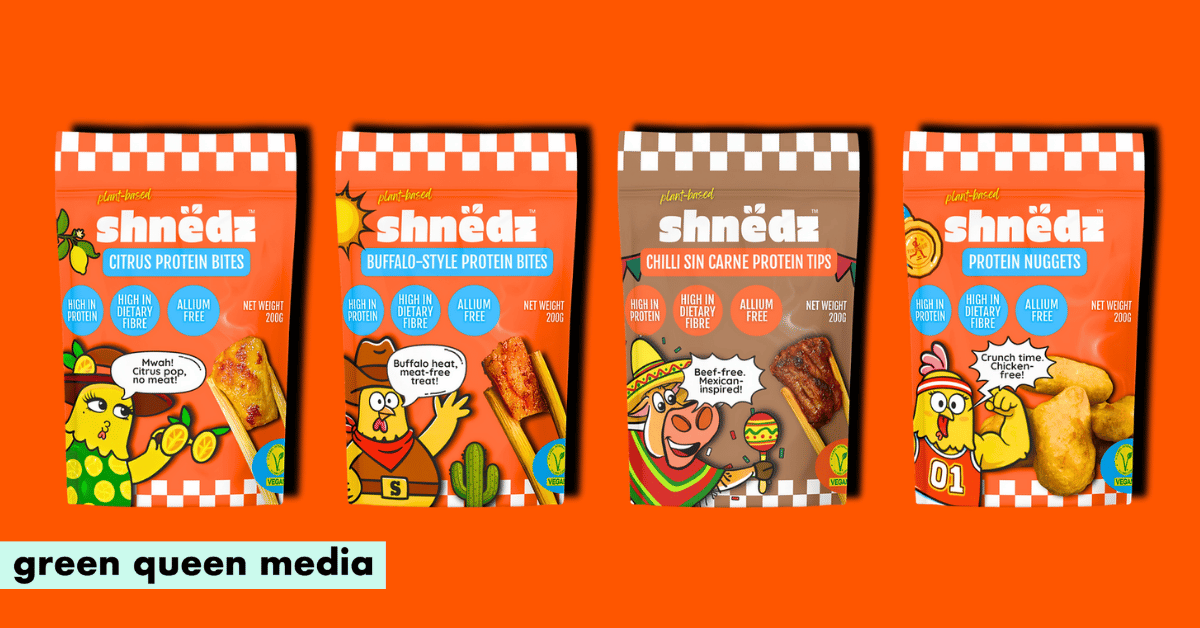
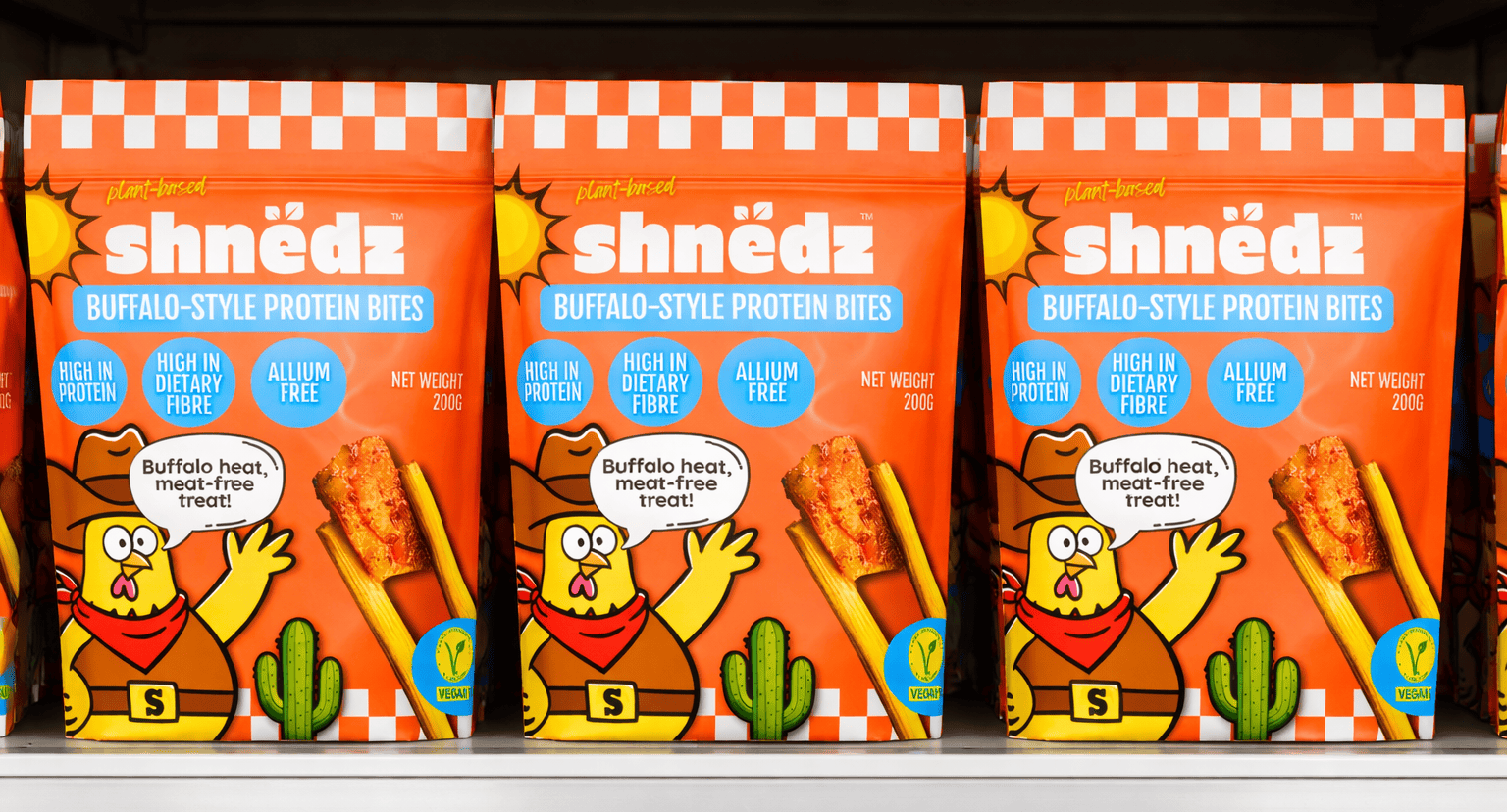
The portfolio is anchored by the Protein Bites line, which features two distinct flavor profiles: citrus and buffalo marinades. Crafted primarily from a soy protein base, these items are blended with a proprietary mix of sunflower oil, maltodextrin, dextrose, herbs, spices, and other seasonings. Nutritionally, the buffalo variant provides 18.5 grams of protein and 9.1 grams of fiber per 100-gram serving, while keeping saturated fat to a minimal 0.9 grams. The citrus variant offers a comparable nutritional profile with 16.6 grams of protein, 8.2 grams of fiber, and 1 gram of saturated fat.
In addition to the standard bites, Shnëdz is introducing chili sin carne protein tips. Utilizing a similar clean-label formulation philosophy, these tips boast 18.3 grams of protein, 8.9 grams of fiber, and 0.9 grams of saturated fat per 100 grams. Rounding out the initial lineup are plant-based protein nuggets. Made from a combination of soy protein, wheat and rice flours, palm oil, cornstarch, and modified starch, this SKU delivers 16.8 grams of protein, 6.3 grams of fiber, and 2 grams of saturated fat per serving.
Because the entire snacking range utilizes soy protein as its foundational base, the products supply all nine essential amino acids required by the human body. To capture the family demographic, the packaging features bright, playful orange designs adorned with animated animal figures. This branding strategy is intentionally tailored to busy parents seeking health-forward, convenient protein options for their children without sacrificing taste or nutritional value.
Market Timing and Consumer Shifts in Malaysia
The timing of the Shnëdz launch aligns with a notable dietary transition among Malaysian consumers. Driven by a combination of health awareness, economic factors, and mounting food security anxieties, local interest in plant-based alternatives has experienced a steady upward trajectory.
According to data compiled by the Good Food Institute Asia (GFI APAC) and referenced in consumer demand surveys, approximately 21% of Malaysian consumers have actively sought to limit their overall meat consumption. Reductions are particularly pronounced regarding beef, which 24% of consumers are cutting back on, as well as lamb, pork, and mutton, avoided by 27% of respondents. The primary motivations cited for these dietary changes include cardiovascular health improvements, weight management, and enhanced digestion.
Furthermore, market awareness of alternative proteins in Malaysia is remarkably high. Approximately 89% of survey respondents indicated familiarity with meat alternatives. While regular or monthly consumption currently sits at around 19%, the growth potential remains substantial: two-thirds of individuals who have never previously tried plant-based meats expressed an intention to sample them within the upcoming year. Among those who are already consumers of alternative proteins, 43% reported a desire to increase their intake.
These findings build upon historical consumer sentiment tracked in earlier national polls, which indicated that 47% of Malaysians were cutting back on traditional meat products while 41% were actively incorporating more plant-based foods into their routines. Preferences for specific protein sources highlighted soy-based products as the clear favorite at 37%, followed by nuts and seeds at 24%, and beans at 13%.
Government Policy and the Urgency of Food Security
The expansion of alternative protein brands into Malaysia occurs against the backdrop of proactive government initiatives designed to build a resilient and sustainable national food system. The Malaysian government’s National Food Security Policy for 2030 outlines comprehensive measures to boost domestic agricultural productivity, safeguard against climate volatility, ensure access to healthy diets, and create inclusive livelihoods.
Key pillars of the 2030 policy framework include the implementation of the "Eat Healthy, Go Local" campaign to promote domestic nutritional options, the empowerment of food producers adhering to United Nations Sustainable Development Goals (SDGs), and regulatory and logistical support for local and regional enterprises manufacturing innovative alternative dietary products.
Macroeconomic and environmental pressures have further accelerated the urgency of these policies. The ongoing impacts of the El Niño weather phenomenon have posed severe risks to regional agriculture. Projections indicate that Malaysia’s domestic crop yields could face declines of 8% to 10%, threatening traditional food supply chains. In response to these vulnerabilities, government bodies and industry stakeholders are increasingly evaluating alternative food technologies—ranging from plant-based manufacturing to cell-cultured, lab-grown meats—as strategic instruments to fortify national food security against climate-induced disruptions.
Competitive Landscape and Regional Precedents
Shnëdz enters a dynamic and competitive alternative protein ecosystem in Malaysia, joining several regional and international pioneers that have established footholds in the country.
Indonesian plant-based food pioneer Green Rebel Foods has maintained a strong presence in the Malaysian market, notably partnering with Zus Coffee, the country’s largest coffee chain, to introduce plant-based menu options across more than 200 stores. Meanwhile, local enterprise Pure Mylk has contributed to infrastructure development by launching the region’s first dedicated innovation center focused entirely on non-dairy, plant-based milk products.
Industry analysts note that as external pressures on traditional agriculture mount, cross-border collaborations between Singaporean food tech innovators and Malaysian retail giants will likely accelerate. By securing broad supermarket placement ahead of anticipated market growth, Shnëdz is positioning itself to capture significant market share as alternative proteins transition from niche specialty items into mainstream dietary staples across Southeast Asia.
