
Polycystic Ovary Syndrome (PCOS) remains one of the most prevalent endocrine disorders among women of reproductive age, affecting approximately 8% to 13% of the global female population. Characterized by hormonal imbalances, ovulatory dysfunction, and metabolic complications, the condition is frequently underpinned by insulin resistance. In recent years, clinical interest has surged regarding the efficacy of the ketogenic diet—a high-fat, moderate-protein, and very-low-carbohydrate nutritional protocol—as a primary intervention for managing PCOS symptoms. While the diet has historical roots in the treatment of pediatric epilepsy dating back to the 1920s, its application in metabolic and hormonal health has opened new avenues for patients seeking to reverse the systemic effects of hyperinsulinemia and androgen excess.
The Metabolic Framework of Ketosis and PCOS
The fundamental objective of a ketogenic diet is to shift the body’s primary metabolic fuel source from glucose to ketones. In a standard diet rich in carbohydrates, the body breaks down starches and sugars into glucose, which triggers the pancreas to release insulin. For women with PCOS, this process is often dysfunctional. Many patients exhibit insulin resistance, where cells become desensitized to the hormone, leading the body to produce even higher levels of insulin to compensate. This state of hyperinsulinemia is a primary driver of PCOS pathology, as high insulin levels stimulate the ovarian theca cells to produce excessive amounts of testosterone.
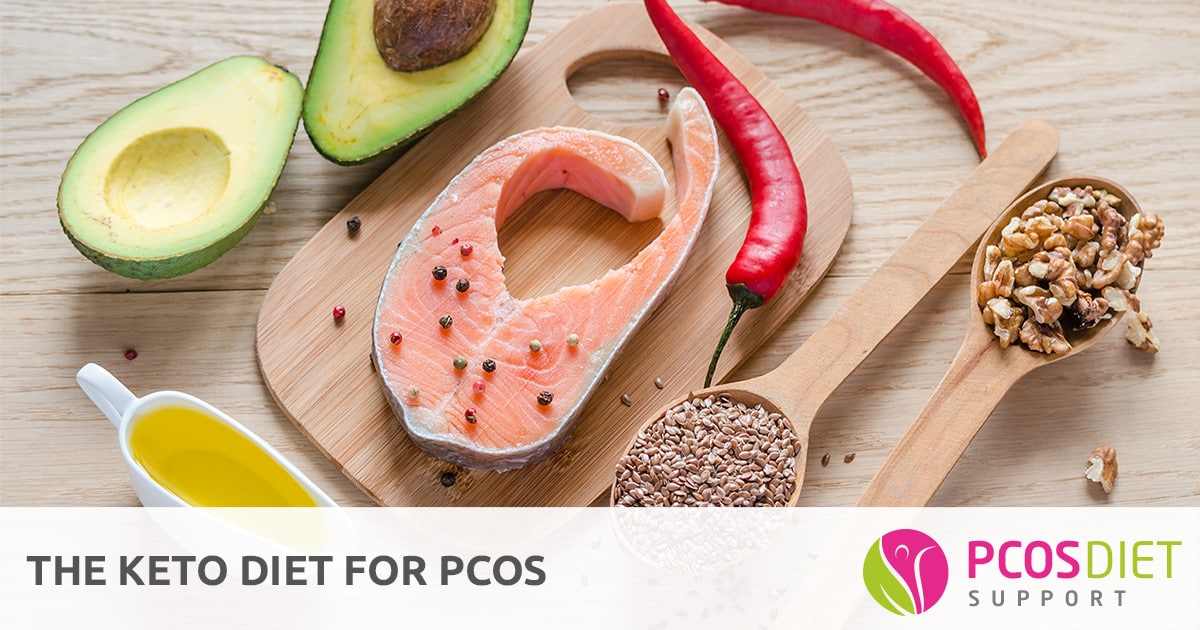
By drastically restricting carbohydrate intake—typically to between 20 and 50 grams of net carbs per day—the ketogenic diet forces the body to deplete its glycogen stores. Metabolic experts, including Dr. Jason Fung, author of The Complete Guide to Fasting, often utilize the "refrigerator and freezer" analogy to explain this transition. In this model, glycogen (stored glucose) represents a kitchen refrigerator: it is easy to access but limited in capacity. Body fat represents a basement freezer: it contains vast energy reserves but is difficult to access as long as the refrigerator is full. The ketogenic diet effectively empties the "refrigerator," compelling the metabolism to unlock the "freezer" and burn stored fat for energy. This process produces ketone bodies, which serve as an efficient alternative fuel for the brain and muscles while maintaining low, stable insulin levels.
Clinical Evidence and Hormonal Improvements
The clinical implications of this metabolic shift are significant for the PCOS hormone profile. Research has consistently shown that when insulin levels drop, the hormonal cascade that triggers excess androgen production is interrupted. A landmark pilot study published in Nutrition & Metabolism (2005) by Mavropoulos et al. examined the effects of a ketogenic diet on women with PCOS over a six-month period. The findings were striking: participants experienced a 12% reduction in total body weight, a 22% decrease in free testosterone levels, and a 36% reduction in fasting insulin. Furthermore, the ratio of Luteinizing Hormone (LH) to Follicle-Stimulating Hormone (FSH)—a key diagnostic marker for PCOS—showed marked improvement.
These hormonal shifts translate into tangible symptom relief. For many women, the reduction in circulating androgens leads to more regular menstrual cycles and improved fertility outcomes. By addressing the root cause of the hormonal imbalance—insulin—rather than merely treating the symptoms, the ketogenic diet functions as a metabolic "reset" for the endocrine system.

Dermatological and Cardiovascular Benefits
Beyond reproductive health, the ketogenic diet offers secondary benefits that address the systemic nature of PCOS. Acne and hirsutism (excessive hair growth) are common and often distressing symptoms of the disorder. These are largely driven by high levels of Insulin-like Growth Factor 1 (IGF-1) and low levels of IGF-1 binding protein. When insulin levels are chronically high, the liver produces less binding protein, leaving more "free" IGF-1 to stimulate sebum production and hair follicles. By lowering insulin, the ketogenic diet boosts IGF-1 binding protein levels, thereby reducing the bioavailable IGF-1 and clearing the skin.
Cardiovascular health is another critical area of concern, as women with PCOS are at a significantly higher risk for metabolic syndrome, hypertension, and heart disease. Contrary to earlier medical concerns that high-fat diets would damage heart health, recent data suggests that a well-formulated ketogenic diet can improve lipid profiles. Studies indicate that while total cholesterol may fluctuate, there is often a significant increase in High-Density Lipoprotein (HDL)—the "good" cholesterol—and a decrease in triglycerides. These changes are vital for reducing the long-term risk of atherosclerosis in the PCOS population.
Challenges to Sustainability and the "Keto Flu"
Despite the documented benefits, the ketogenic diet is not without significant challenges. The transition from a glucose-based metabolism to a fat-based one can be physically taxing. During the first one to two weeks of the diet, many individuals experience "Keto Flu," a collection of symptoms including headaches, nausea, brain fog, and irritability. These symptoms are primarily caused by the rapid excretion of water and electrolytes (sodium, potassium, and magnesium) as insulin levels drop and the kidneys flush out excess fluid.

Sustainability remains the most significant hurdle. The restrictive nature of the diet—eliminating grains, most fruits, starchy vegetables, and sugars—can lead to social isolation or dietary boredom. Furthermore, the reduction in fiber intake often leads to gastrointestinal issues such as constipation. Health professionals emphasize that for the diet to be successful, it must include an abundance of non-starchy vegetables, such as leafy greens, broccoli, and cauliflower, to maintain fiber levels and gut microbiome health.
Contraindications: Thyroid Function and Individual Variability
A critical consideration for women with PCOS is the prevalence of comorbid thyroid conditions, particularly Hashimoto’s thyroiditis or subclinical hypothyroidism. Medical analysis suggests that a very-low-carbohydrate diet may not be suitable for everyone. Insulin is a necessary component for the conversion of the thyroid hormone T4 (thyroxine) into its active form, T3 (triiodothyronine).
In patients whose thyroid function is already compromised, drastically lowering insulin through a ketogenic diet can lead to a further reduction in active T3 levels, potentially slowing the metabolism and exacerbating fatigue. For this subset of patients, a more moderate approach—often referred to as a "Low Carb, Healthy Fat" (LCHF) diet—may be more appropriate. This typically involves limiting carbohydrate intake to approximately 100 grams per day, which provides enough glucose to support thyroid function while still managing insulin levels more effectively than a standard high-carb diet.

Chronology of Dietary Evolution in PCOS Management
The approach to PCOS nutrition has evolved significantly over the last three decades. In the 1990s and early 2000s, the "Low Fat" craze dominated medical advice, often inadvertently leading PCOS patients to consume high amounts of "heart-healthy" grains that spiked insulin and worsened their condition. The mid-2000s saw a shift toward the Glycemic Index (GI), focusing on the quality of carbohydrates rather than just the quantity.
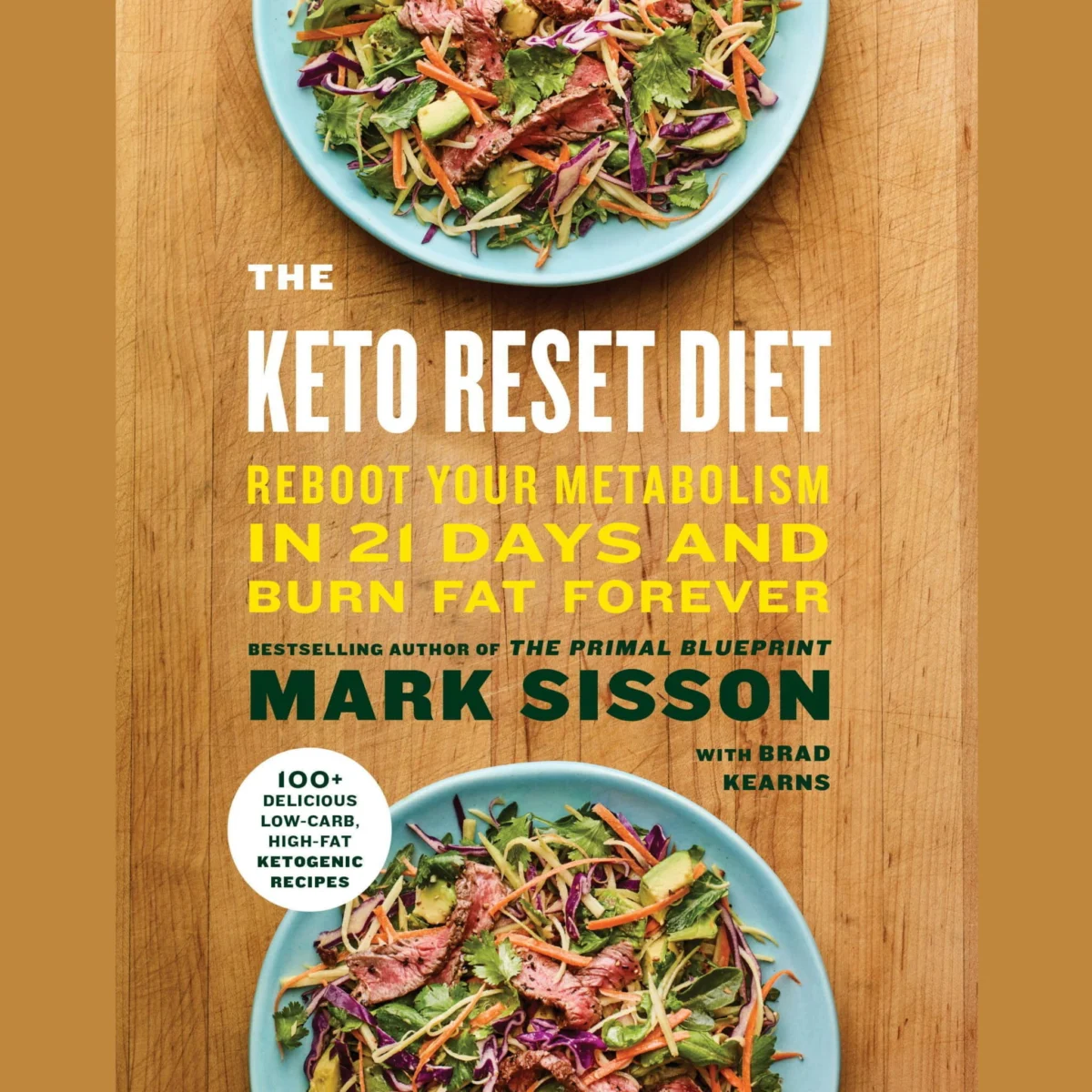
The current era, characterized by the rise of the ketogenic movement and intermittent fasting, represents a more aggressive metabolic intervention. Experts like Mark Sisson, author of The Keto Reset Diet, advocate for a "graded transition" into ketosis. This involves a 21-day "reset" period where processed sugars and grains are eliminated before moving into full ketosis. This chronological progression in dietary philosophy reflects a growing clinical understanding that PCOS is, at its core, a metabolic disease requiring a metabolic solution.
Broader Implications and Long-Term Outlook
The broader impact of the ketogenic diet on PCOS management extends beyond individual weight loss. It challenges the traditional pharmaceutical-first approach, which often relies on hormonal contraceptives or Metformin to manage symptoms. While these medications remain valuable tools, the success of nutritional interventions highlights the power of lifestyle medicine in treating complex endocrine disorders.

However, the medical community maintains a cautious stance on the long-term effects of a lifelong ketogenic diet. Most practitioners suggest that ketosis be used as a therapeutic tool for a specific duration—perhaps six to twelve months—to achieve weight loss and hormonal stabilization. Once the "metabolic freezer" has been accessed and weight goals are met, many women successfully transition to a "Mediterranean-style" low-carbohydrate diet, which offers greater flexibility and a wider range of micronutrients while still prioritizing insulin control.
In conclusion, the ketogenic diet presents a potent, evidence-based option for women struggling with the metabolic and hormonal hurdles of PCOS. By facilitating weight loss, suppressing appetite, and recalibrating the insulin-androgen axis, it addresses the physiological roots of the syndrome. Nevertheless, due to its restrictive nature and potential impact on thyroid health, it should ideally be undertaken under medical or nutritional supervision. For those who find the strictness of keto unsustainable, the core principles of the diet—reducing refined carbohydrates and focusing on whole, nutrient-dense fats—remain the gold standard for long-term PCOS management. The journey toward hormonal balance is highly individual, and while the ketogenic diet is a powerful instrument, it is one of several paths toward achieving metabolic health and reproductive wellness.
