
Polycystic Ovary Syndrome (PCOS) remains one of the most prevalent endocrine disorders among women of reproductive age, affecting approximately 8% to 13% of the global female population. Clinical research increasingly indicates that nutritional intervention is a primary pillar of management, particularly in addressing the insulin resistance and chronic inflammation that characterize the condition. For many patients, the midday meal serves as a critical juncture for metabolic stability. A properly structured PCOS-friendly lunch does more than provide satiety; it functions as a therapeutic tool to regulate glucose levels, reduce androgen production, and sustain cognitive energy throughout the afternoon.
The challenge for many women diagnosed with PCOS is the transition from restrictive dieting to a sustainable, nutrient-dense lifestyle. Medical professionals emphasize that the goal of a PCOS-specific diet is not caloric deprivation but the strategic selection of anti-inflammatory fats, lean proteins, and low-glycemic-index (GI) carbohydrates. By focusing on meals that minimize insulin spikes, patients can mitigate common symptoms such as hirsutism, acne, and weight gain, while simultaneously lowering the risk of long-term complications like Type 2 diabetes and cardiovascular disease.
The Role of Omega-3s and Anti-Inflammatory Proteins
A cornerstone of hormonal health is the consumption of high-quality proteins and healthy fats. Research published in the Iranian Journal of Reproductive Medicine (2013) highlights the efficacy of Omega-3 fatty acids in lowering testosterone levels and regulating menstrual cycles in women with PCOS. This scientific foundation underpins the recommendation for salmon-based lunches.
Salmon Caesar Salad with Mushrooms, Tomato, and Avocado
This meal reinterprets a classic dish by removing processed ingredients and focusing on nutrient density. Traditional store-bought Caesar dressings often contain soybean or canola oils, which can contribute to systemic inflammation. A homemade version using avocado oil provides monounsaturated fats that support heart health.
- Nutritional Strategy: The combination of grilled salmon (Omega-3s), avocado (healthy fats), and various vegetables (fiber) ensures a slow release of energy.
- Preparation: The salmon is seasoned with garlic, pepper, salt, thyme, and lemon, then grilled for approximately 10 minutes. The salad base consists of Romaine lettuce, mushrooms, and tomatoes. The dressing is emulsified in a food processor using egg yolks, lemon juice, Dijon mustard, and avocado oil.
Salmon Spring Rolls
For patients seeking a lighter, more portable option, salmon spring rolls utilize rice paper—a gluten-free alternative—to wrap high-protein fillings. This dish provides a textural contrast that can satisfy cravings for crunchy or fried foods without the detrimental effects of deep-frying.
- Nutritional Strategy: These rolls are pan-fried in minimal oil, providing a crisp texture while maintaining the integrity of the fish’s fatty acids.
- Preparation: Rice paper sheets are softened in warm water and filled with fresh coriander and salmon. They are pan-fried for roughly two minutes per side and served with a low-sodium soy sauce or coconut aminos.
Plant-Based Fiber and Insulin Sensitivity
Fiber is a critical component of the PCOS diet because it slows the absorption of sugar, thereby preventing the rapid insulin spikes that trigger androgen production. Legumes and cruciferous vegetables are particularly effective in this regard.
Pomegranate, Chickpea, and Broccoli Salad
This dish focuses on the synergistic effects of plant-based protein and antioxidants. Chickpeas offer a low-GI carbohydrate source, while broccoli provides sulforaphane, a compound linked to improved detoxification pathways.
- Nutritional Strategy: The addition of pomegranate seeds introduces polyphenols, which help combat the oxidative stress frequently observed in PCOS patients.
- Preparation: Red onions are soaked in cold water to mellow their flavor, while cumin is toasted to enhance its aromatic profile. The dressing—a mixture of tahini, yogurt, lemon juice, and olive oil—provides a creamy texture and healthy fats.
Sweet Potato, Quinoa, and Bean Burger
For those who prefer a hearty, "meaty" texture without the use of animal products, a bean-based burger offers a high-fiber alternative. This meal is ideal for batch cooking and meal prepping.
- Nutritional Strategy: Quinoa is a complete protein, containing all nine essential amino acids, which is rare for plant sources. Combined with sweet potato, it provides a stable source of complex carbohydrates.
- Preparation: Roasted sweet potatoes are mashed with drained beans and cooked quinoa. The mixture is seasoned with rosemary and chili flakes, formed into patties, and baked at 410°F (210°C) for 20-25 minutes.
Integrating Fermented Foods and Gut Health
Emerging research suggests a strong link between the gut microbiome and hormonal balance. Dysbiosis, or an imbalance of gut bacteria, has been linked to increased insulin resistance in women with PCOS.
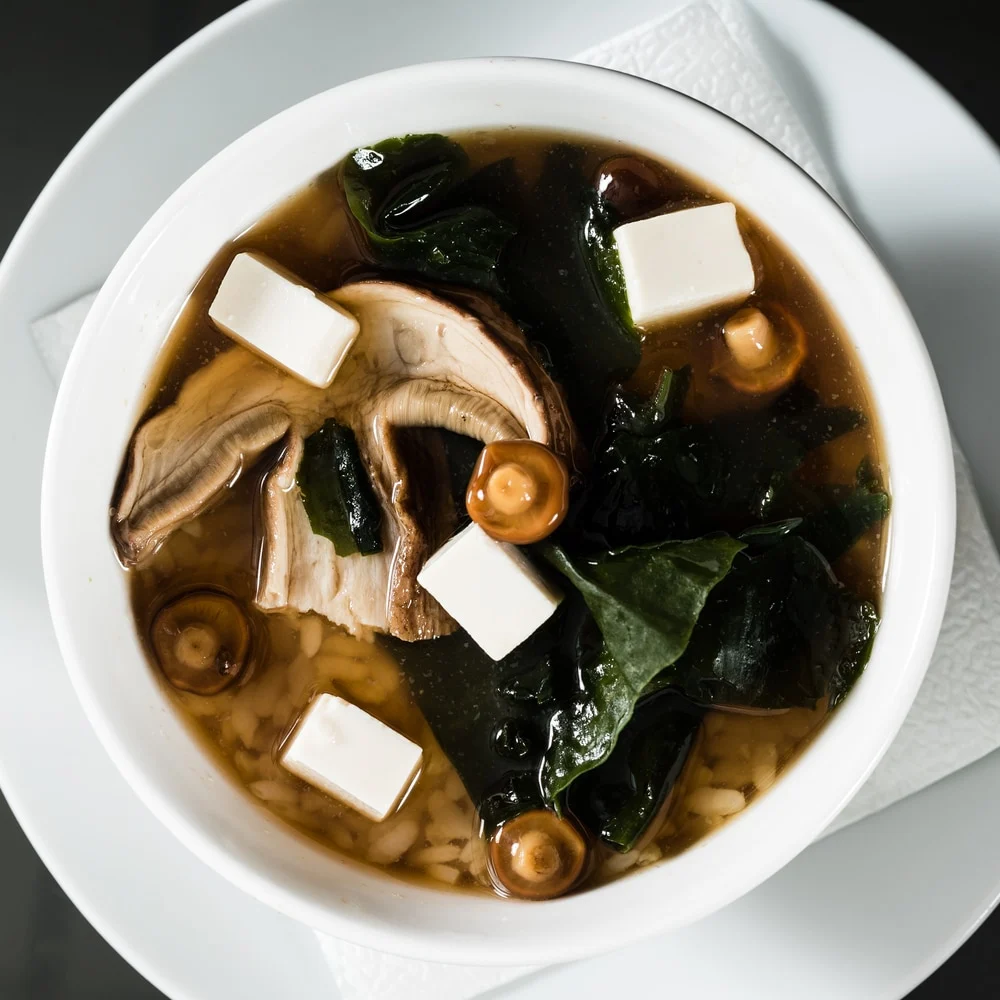
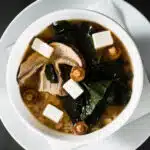
Avocado and Brown Rice Salmon Sushi with Miso Soup
By substituting white sushi rice with brown rice, patients increase their fiber intake. The accompanying miso soup provides probiotics essential for gut health.
- Nutritional Strategy: Miso is a fermented soybean paste that supports the microbiome. The inclusion of sea vegetables like arame and wakame provides iodine, which is essential for thyroid function—a common co-morbidity with PCOS.
- Preparation: Sushi is constructed using nori sheets, brown rice seasoned with rice wine vinegar, fresh salmon, and avocado. The miso soup is prepared by simmering a vegetable broth with ginger, fennel, and root vegetables, then whisking in miso paste at the end to preserve the live cultures.
Lean Meats and Gluten-Free Alternatives
While red meat can be part of a balanced diet, lean poultry like turkey and chicken are often preferred for daily consumption to keep saturated fat intake within recommended limits.
Turkey Burger with Side Salad
Turkey is a lean source of protein that contains tryptophan, which can aid in mood regulation—a significant factor for women dealing with the emotional toll of PCOS.
- Nutritional Strategy: Using a gluten-free bun or a lettuce wrap reduces the glycemic load of the meal.
- Preparation: Ground turkey is mixed with onions and seasonings, shaped into patties, and cooked to an internal temperature of 165°F. It is served with a side salad to ensure half the plate is composed of non-starchy vegetables.
Lettuce Wrap with Grilled Chicken and Mixed Greens
This is a quintessential "low-carb" lunch that focuses on high-volume, low-calorie density.
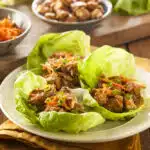
- Nutritional Strategy: Using butter lettuce as a "wrap" eliminates refined flour entirely.
- Preparation: Chicken breasts are marinated in olive oil, lemon, and herbs before being grilled. The chicken is then tucked into lettuce leaves and topped with Tzatziki or hummus for additional flavor and healthy fats.
Reimagining Takeout and Comfort Foods
The psychological aspect of dieting is often overlooked. Providing PCOS-friendly versions of "comfort foods" like fried rice or BLTs helps improve long-term adherence to the nutritional plan.
Shrimp Fried Rice with Brown Rice and Veggies
Traditional fried rice is a high-GI meal that causes significant blood sugar fluctuations. This version uses brown rice and a high ratio of vegetables to protein.
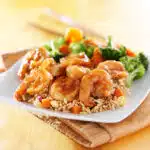
- Nutritional Strategy: Shrimp is a low-calorie, high-protein seafood option that provides selenium and zinc.
- Preparation: Shrimp are lightly sautéed with cornstarch and spices. Brown rice is fried with green onions, peas, carrots, and eggs, seasoned with sesame oil and soy sauce.
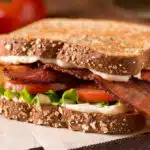
BLT Gluten-Free Sandwich with Avocado and Tempeh Bacon
Tempeh is a fermented soy product that acts as a probiotic and provides a firm, "bacon-like" texture when marinated and fried.
- Nutritional Strategy: The healthy fats from the avocado and the protein from the tempeh lower the overall glycemic load of the gluten-free bread.
- Preparation: Tempeh is sliced thin and marinated in a mixture of maple syrup (in small amounts), liquid smoke, and soy sauce, then pan-fried until crisp. It is assembled with tomato, greens, and avocado on toasted gluten-free bread.
Simple Whole-Food Solutions
Sometimes, the most effective meals are the simplest, requiring minimal processing and keeping the ingredients as close to their natural state as possible.
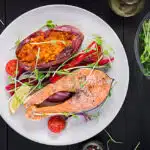
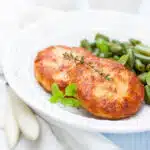
Baked Salmon with a Baked Potato
Contrary to some low-carb myths, potatoes (especially sweet potatoes) can be part of a PCOS diet when balanced with protein and fat.
- Nutritional Strategy: Baking rather than frying preserves the nutritional profile of the food. Sweet potatoes are rich in Vitamin A and fiber.
- Preparation: Salmon filets and asparagus are baked at 375°F for 15 minutes. Sweet potatoes are sliced or kept whole, tossed in coconut oil and herbs, and roasted until tender.
Cilantro Lime Shrimp Skewers with Cauliflower Rice
Cauliflower rice has become a staple in the PCOS community as a direct replacement for high-carb grains.
- Nutritional Strategy: Cauliflower is a cruciferous vegetable that contains indole-3-carbinol, which helps the body metabolize estrogen more effectively.
- Preparation: Shrimp are marinated in lime juice, garlic, and cilantro, then grilled on skewers. Cauliflower is grated or processed into "rice" and sautéed in olive oil for 8 minutes until softened.
Black Bean Burger with Sweet Potato Fries
This meal provides a plant-based alternative to the traditional burger-and-fries combo, focusing on legumes for protein.
- Nutritional Strategy: Black beans are an excellent source of folate and magnesium, both of which are often deficient in women with PCOS.
- Preparation: Black beans are dried in the oven to improve their texture, then pulsed in a food processor with sautéed onions, garlic, and peppers. The patties are baked or grilled and served with homemade sweet potato fries that are baked rather than deep-fried.
Broader Impact and Clinical Implications
The transition to a PCOS-friendly diet is not merely about weight management; it is a metabolic realignment. By consistently choosing lunches that prioritize hormonal balance, women can see significant improvements in their clinical markers. Data suggests that a reduction in insulin levels directly correlates with a decrease in ovarian androgen production, which can restore regular ovulation and improve fertility.
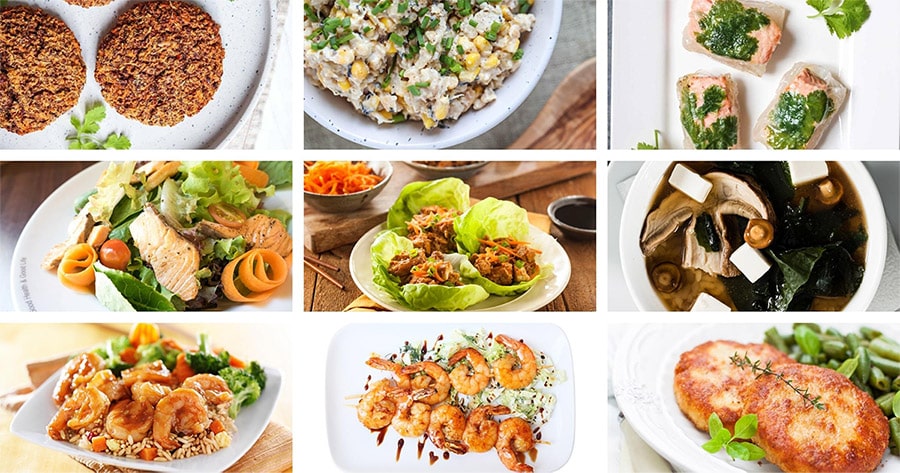
Furthermore, the anti-inflammatory nature of these 12 lunch ideas addresses the "hidden" side of PCOS. Many patients suffer from chronic low-grade inflammation, which contributes to fatigue and joint pain. The high concentration of antioxidants and Omega-3s in these recipes serves to dampen this inflammatory response.
In conclusion, managing PCOS through nutrition requires a move away from the "dieting" mindset and toward a "nourishing" mindset. These 12 lunch ideas provide a framework for a lifestyle that supports hormonal health, maintains steady energy levels, and reduces the long-term health risks associated with the syndrome. For the millions of women living with PCOS, these dietary choices represent a powerful form of self-care and medical management.
