
Canadian protein giant Maple Leaf Foods has announced a major strategic overhaul of its plant-based manufacturing footprint in the United States, a move that highlights the ongoing financial pressures and operational shifts within the alternative protein sector. The company confirmed it will wind down operations at two of its foundational manufacturing facilities—located in Seattle, Washington, and Turners Falls, Massachusetts—by the end of 2027. Production for its prominent alternative meat brands will instead be consolidated into a single facility in Indianapolis, Indiana, which will serve as the company’s designated Plant Protein Centre of Excellence.
The restructuring comes in response to prolonged market headwinds, characterized by shifting consumer demand and declining sales volumes across the broader plant-based meat category. Despite making significant strides in modernizing its operations and improving brand performance, Maple Leaf executives noted that maintaining three separate manufacturing sites under current capacity utilization rates has introduced structural overheads that are unsustainable over the long term.
This operational consolidation coincides with the company’s recent relaunch of Yves Veggie Cuisine, a 41-year-old plant-based brand recently acquired from Hain Celestial. The juxtaposition of a factory shutdown alongside a major brand revival underscores a broader industry pivot: companies are abandoning aggressive, decentralised expansion strategies in favor of streamlined efficiency, lean supply chains, and higher-margin output.
Chronology and Evolution of Maple Leaf’s Plant Protein Portfolio
The decision to shutter the Seattle and Turners Falls plants marks the culmination of nearly a decade of aggressive investment and subsequent realignment by Maple Leaf Foods within the alternative protein market.
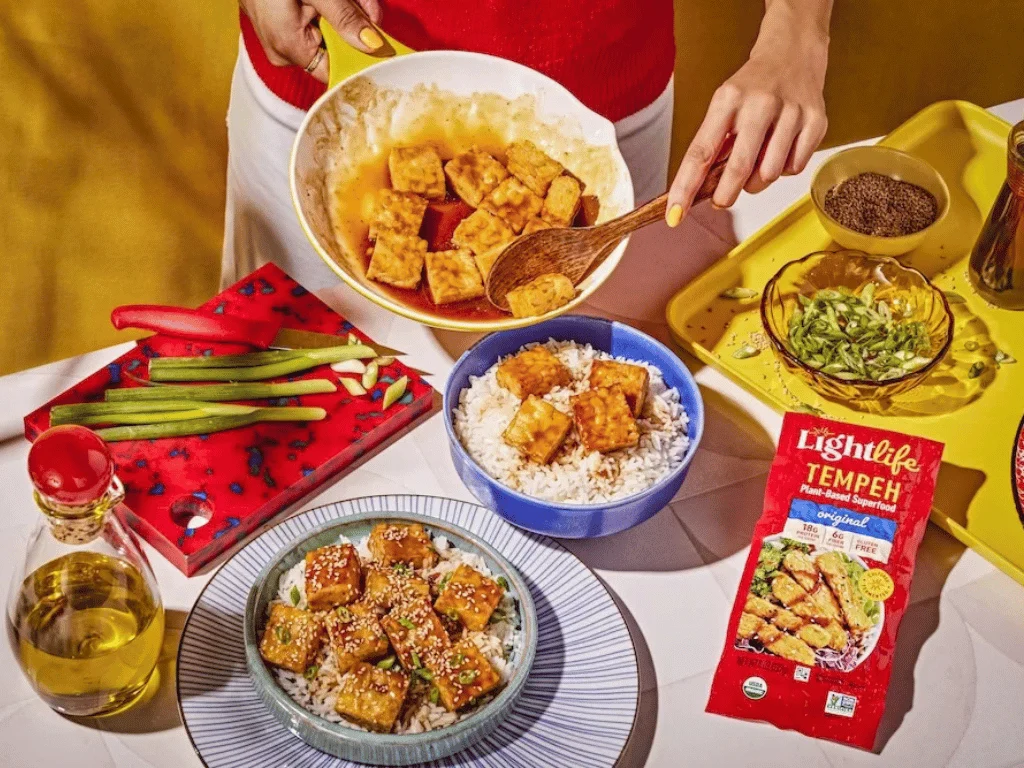
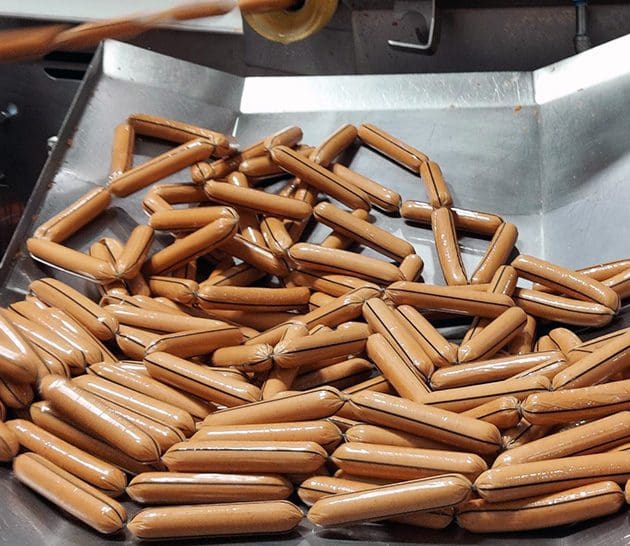
In 2017, Maple Leaf acquired LightLife, a veteran player in the plant-based space founded in 1979. LightLife had established its primary production base in Turners Falls, Massachusetts, in 1998, specializing in tempeh, plant-based hot dogs, and deli alternatives. The facility currently employs between 120 and 150 workers.

Shortly thereafter, in 2018, Maple Leaf expanded its footprint further by acquiring Field Roast, a Seattle-based brand established in 1997 known for its gourmet grain-and-lentil-based sausages, roasts, and deli slices. The Seattle manufacturing facility currently supports a workforce of approximately 120 employees.
As part of its strategy to scale up and modernize, Maple Leaf acquired a massive, state-of-the-art facility in Indianapolis, Indiana, in 2021, initiating production there in 2022. Described by the company as the largest tempeh manufacturing facility in the world, the Indianapolis plant currently employs around 54 workers and is slated to receive further capital investment to handle the massive influx of consolidated production.
The transition plan is designed to be methodical. Production at the Seattle and Turners Falls facilities will continue uninterrupted during a phased 12-to-18-month wind-down period. This timeline is intended to ensure business continuity, protect retail relationships, and facilitate the orderly transfer of specialized manufacturing equipment and protocols to the Indianapolis hub.
Financial Rationalization and the Fuel for Growth Initiative
The manufacturing consolidation forms a critical pillar of Maple Leaf’s broader "Fuel for Growth" corporate initiative. This internal program is engineered to streamline operations, optimize the company’s manufacturing competitiveness, and reinforce structural profitability across both its traditional meat and plant-based divisions.
According to Maple Leaf President and CEO Curtis Frank, the category-wide slowdown in consumer adoption forced the company to reevaluate its cost structures. Over the past several years, the plant-based protein sector has faced a cooling-off period following the hyper-growth phase observed between 2019 and 2021. Inflationary pressures have also caused consumers to scrutinize grocery spending, disproportionately impacting premium-priced meat alternatives.
By consolidating production into the Indianapolis Centre of Excellence, Maple Leaf aims to significantly improve the unit economics of its plant protein network. Operating three distinct facilities with suboptimal capacity utilisation created high fixed costs. Centralizing operations in Indiana will reduce operational complexity, maximize manufacturing throughput, and provide the necessary scale to support the company’s 2030 financial targets.
Furthermore, management has emphasized that the integration of newly acquired brands—such as Yves Veggie Cuisine, which was rescued from Hain Celestial and brought back to the market due to sustained popular demand—will directly feed into the Indianapolis facility. Bringing additional volume into a single, high-capacity site is expected to improve cost efficiency and margins across the entire portfolio.
Workforce Implications and Community Impact
While the operational logic behind the restructuring is clear from a corporate finance perspective, the human cost is substantial. The closure of the Seattle and Turners Falls plants will result in layoffs for approximately 240 to 300 employees combined.
CEO Curtis Frank addressed the human toll during the announcement, emphasizing that the decision is a reflection of macro-level market conditions rather than the performance of the workforce. Both the Seattle and Turners Falls teams have maintained high operational standards and demonstrated long-standing loyalty to the company’s brands.
Maple Leaf has stated that it will work closely with affected employees, labor representatives, and local stakeholders. The company plans to offer transition support, severance packages, and, where feasible, internal transfer opportunities to other parts of the Maple Leaf network. Conversely, the Indianapolis facility is expected to add new team members to support the expanded production lines, though the net change in total employment across the company’s plant protein division will likely remain negative.
Local economic development agencies in Massachusetts and Washington are expected to monitor the wind-down closely, as the departure of these long-standing food manufacturing operations will leave significant industrial real estate vacant by late 2027.
Broader Market Context and Industry Implications
Maple Leaf’s strategic pivot reflects a mature, pragmatic phase in the global alternative protein industry. The initial gold-rush mentality, which saw legacy meat producers and venture-backed startups invest heavily in redundant manufacturing capacity, has given way to rigorous cost control and operational consolidation.
Competitors across the globe have similarly pulled back from over-expansion, prioritizing profitability over top-line revenue growth. High capital expenditure requirements, coupled with consumer pushback against ultra-processed ingredient lists and elevated price points, have forced companies to right-size their supply chains.
By doubling down on a single, highly specialized North American hub in Indianapolis, Maple Leaf is positioning its alternative protein division for long-term viability. Rather than abandoning the sector—a step some legacy food corporations have considered amid sluggish sales—Maple Leaf is attempting to build a lean, resilient business model capable of weathering consumer market fluctuations.
Ultimately, the success of this transition will depend on whether the Indianapolis facility can successfully absorb the complex, disparate production processes of LightLife and Field Roast without sacrificing product quality or consistency. As the 18-month transition timeline unfolds, industry analysts will closely watch whether Maple Leaf’s gamble on centralized efficiency succeeds in securing a sustainable future for its plant-based brands.
