
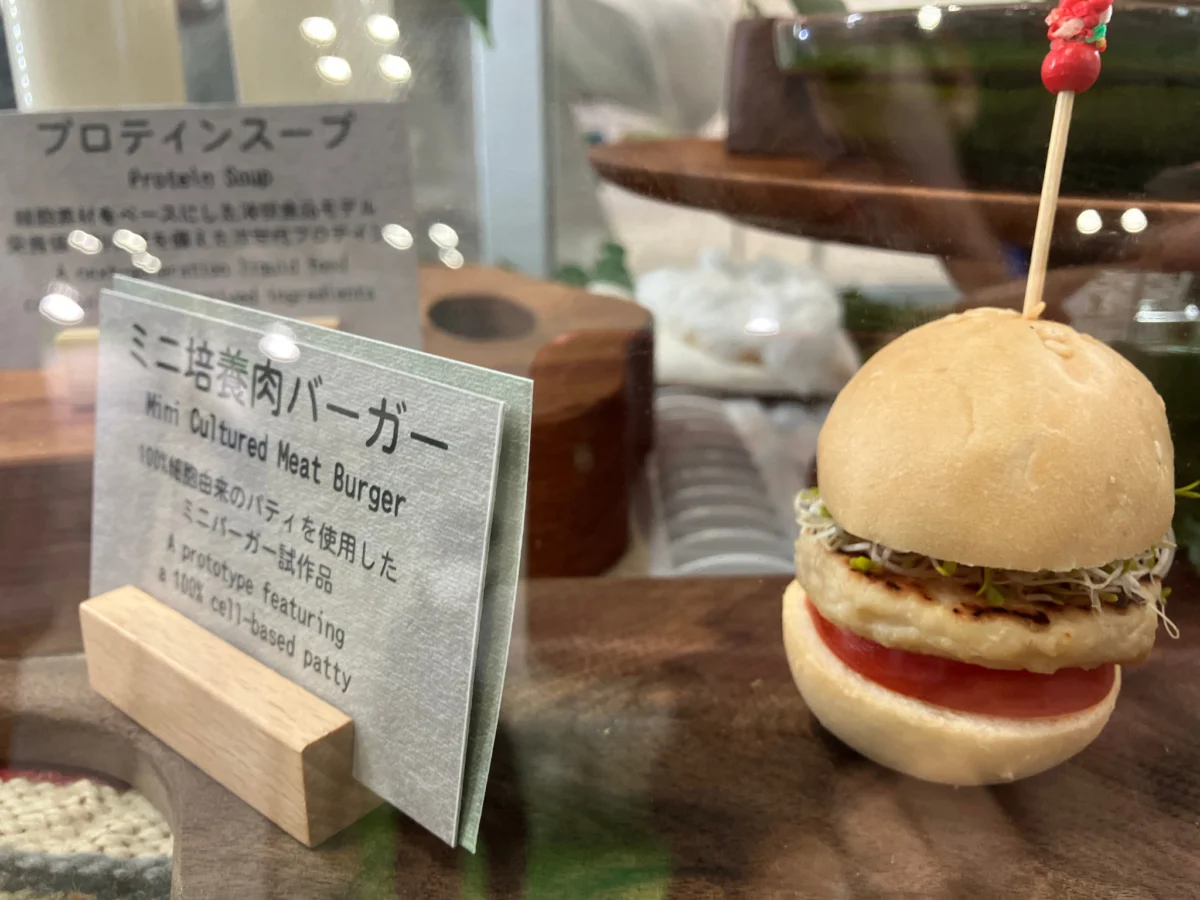
Japan’s burgeoning cellular agriculture sector has reached a significant milestone as local startup Organoid Farm, a subsidiary of JGC Holdings Corporation, successfully concluded a 200-liter demonstration run for its cultivated beef. This achievement marks one of the most substantial cellular agriculture tests conducted in Japan to date, encompassing the entire production lifecycle from initial cell culturing to the final harvesting of cultivated beef. The successful demo run is a critical step for Organoid Farm as it gears up to open a new, larger production plant in 2028, positioning the company to capitalize on the evolving regulatory environment for novel foods in Japan.
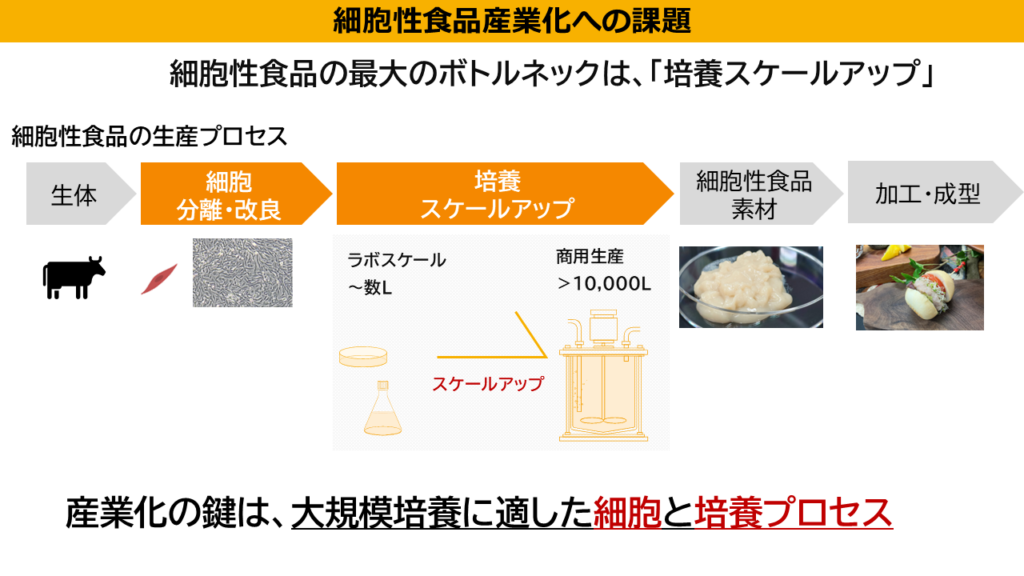
The Fujisawa-based startup’s comprehensive test, conducted in state-of-the-art 200-liter bioreactors, provided invaluable data crucial for scaling up to commercial production. Organoid Farm emphasized that this demonstration was instrumental in establishing a robust technological foundation necessary for future scale-up initiatives and, crucially, for driving down production costs. This advancement comes at a pivotal moment for Japan, where governmental and industry bodies are actively engaged in shaping the regulatory framework for cultivated meat, signaling a growing commitment to fostering innovation in the alternative protein space.
A Scaffold-Free Approach to Streamlined Cultivated Meat Production
A key innovation highlighted by Organoid Farm’s successful demo is its adoption of a scaffold-free production process. This technique eschews the use of traditional scaffolding materials, such as fine particles or gel-like compounds, which are often employed to provide a structure for animal cells to attach and proliferate. While scaffolds have historically played a vital role in promoting cell growth in cultivated meat production, they introduce significant complexities into the manufacturing process, including more elaborate preparation and recovery stages. Furthermore, these added components contribute to higher overall production costs.
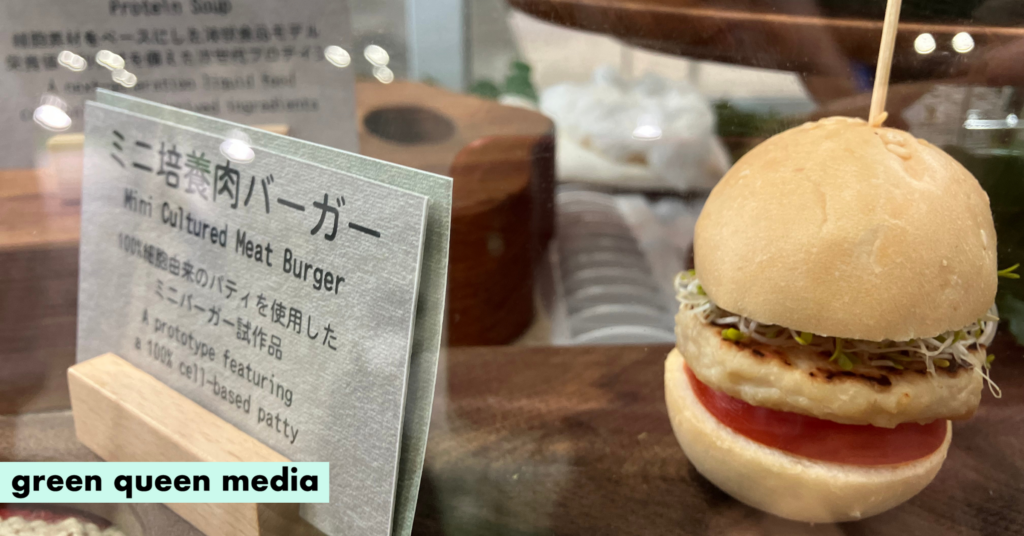
By opting for a suspension culture process that bypasses scaffolding, Organoid Farm has effectively streamlined its operational procedures. This strategic decision not only reduces raw material expenses but also simplifies the recovery of the cultivated meat product. The elimination of scaffolding contributes to a more uniform agitation within the bioreactor, fostering a stable and efficient cell culture environment conducive to robust cell proliferation. Moreover, the simplified process enhances the efficiency of operational aspects such as equipment cleaning and sterilization, crucial for maintaining hygiene and compliance in food production.
The cell culture phase of the demonstration took place between January and February of the current year. Organoid Farm reported acquiring a substantial yield of proliferated cells during this initial run. A significant factor contributing to this success is the company’s proprietary cell line, which is designed to overcome limitations inherent in ordinary bovine muscle cells. Unlike conventional cells that may experience a halt in division midway through the culture process, Organoid Farm’s patented cells are engineered for continuous multiplication. This intrinsic capability is expected to translate into significantly greater production volumes as the company moves towards commercialization, a critical factor for achieving economies of scale in the competitive cultivated meat market.
Strategic Expansion and the Evolving Regulatory Landscape
Organoid Farm’s strategic vision extends beyond the successful demo run. The company is actively focused on industrializing the production of cell-cultured foods by leveraging its advanced suspension culture scale-up technology and its proprietary bovine cell lines. This endeavor is further bolstered by the extensive expertise of its parent company, JGC Holdings Corporation, which brings considerable scale-up experience in bioreactor technology and specialized engineering know-how gained from its involvement in sectors such as pharmaceuticals and regenerative medicine.
The startup is currently engaged in rigorous verification of the improvements achieved in cell culture efficiency and is actively exploring opportunities for strategic collaborations with industry partners. These collaborations are expected to accelerate product development, refine manufacturing processes, and potentially open new market channels. The company’s ambitious plan includes the construction of a new, state-of-the-art facility. This facility, slated to open in 2028, will be dedicated to scaling up production to commercial levels, developing innovative new product prototypes, and conducting extensive demonstrations of cell-cultured foods for practical consumer applications.
This significant development by Organoid Farm unfolds against a backdrop of proactive regulatory discussions and advancements in Japan. The Japanese government, through bodies such as the Consumer Affairs Agency’s Subcommittee on Newly Developed Foods and the Japan Association for Cellular Agriculture (JACA), is actively working to establish a comprehensive regulatory framework for the approval and sale of cultivated meat. The establishment of clear guidelines is paramount for providing industry players with the certainty required for significant investment and for ensuring consumer confidence and safety.
Japan’s Growing Cultivated Meat Ecosystem
Organoid Farm is not alone in its pursuit of commercializing cultivated meat in Japan. The nation is witnessing a surge of interest and investment in this innovative food technology. Tokyo-based IntegriCulture, another prominent player in the field, has announced its own manufacturing trials in preparation for a planned product launch in the spring of 2027. This timeline suggests a concerted effort among Japanese companies to bring cultivated meat to market in the near future.
The international cultivated meat community is also setting its sights on the Japanese market. Hoxton Farms, a United Kingdom-based startup specializing in cultivated pork fat, has expressed interest in seeking approval for its products in Japan, indicating the country’s growing appeal as a key market for alternative proteins. The potential for regulatory approval in Japan could unlock significant opportunities for global companies looking to expand their presence in the Asia-Pacific region.
Furthermore, the broader Japanese food industry is actively contributing to the advancement of cultivated meat technology. Ajinomoto, a global food and biotechnology conglomerate, has recently developed a plant-derived transferrin alternative. Transferrin is a critical component in cell culture media, and its high cost has been a significant barrier to reducing the overall production costs of cultivated meat. Ajinomoto’s innovation in developing a more cost-effective, plant-based alternative has the potential to dramatically lower media expenses for cultivated meat producers, making the technology more economically viable. The company aims to bring this crucial ingredient to market in the coming years, further bolstering the ecosystem for cultivated meat production in Japan.

Implications for the Future of Food
The advancements by Organoid Farm and the broader ecosystem in Japan underscore a global shift towards more sustainable and ethical food production methods. Cultivated meat offers the potential to reduce the environmental impact associated with traditional livestock farming, including greenhouse gas emissions, land use, and water consumption. As regulatory frameworks mature and production technologies become more efficient, cultivated meat is poised to play an increasingly important role in addressing global food security challenges and meeting the growing demand for protein in a sustainable manner.
The successful completion of Organoid Farm’s large-scale demo run is a testament to the rapid progress being made in cellular agriculture. The company’s focus on a scaffold-free, suspension culture approach, combined with its proprietary cell line technology, positions it as a strong contender in the emerging cultivated meat market. With a clear roadmap towards commercialization, including the planned opening of a new production facility in 2028, Organoid Farm is strategically aligning its technological capabilities with the evolving regulatory landscape and market demand in Japan and beyond. The collaborative efforts within Japan, involving both startups and established corporations, alongside international interest, signal a dynamic and promising future for cultivated meat in the East Asian nation. The coming years will likely witness further breakthroughs in production efficiency, cost reduction, and regulatory approvals, paving the way for cultivated meat to become a significant component of the global food system.
