
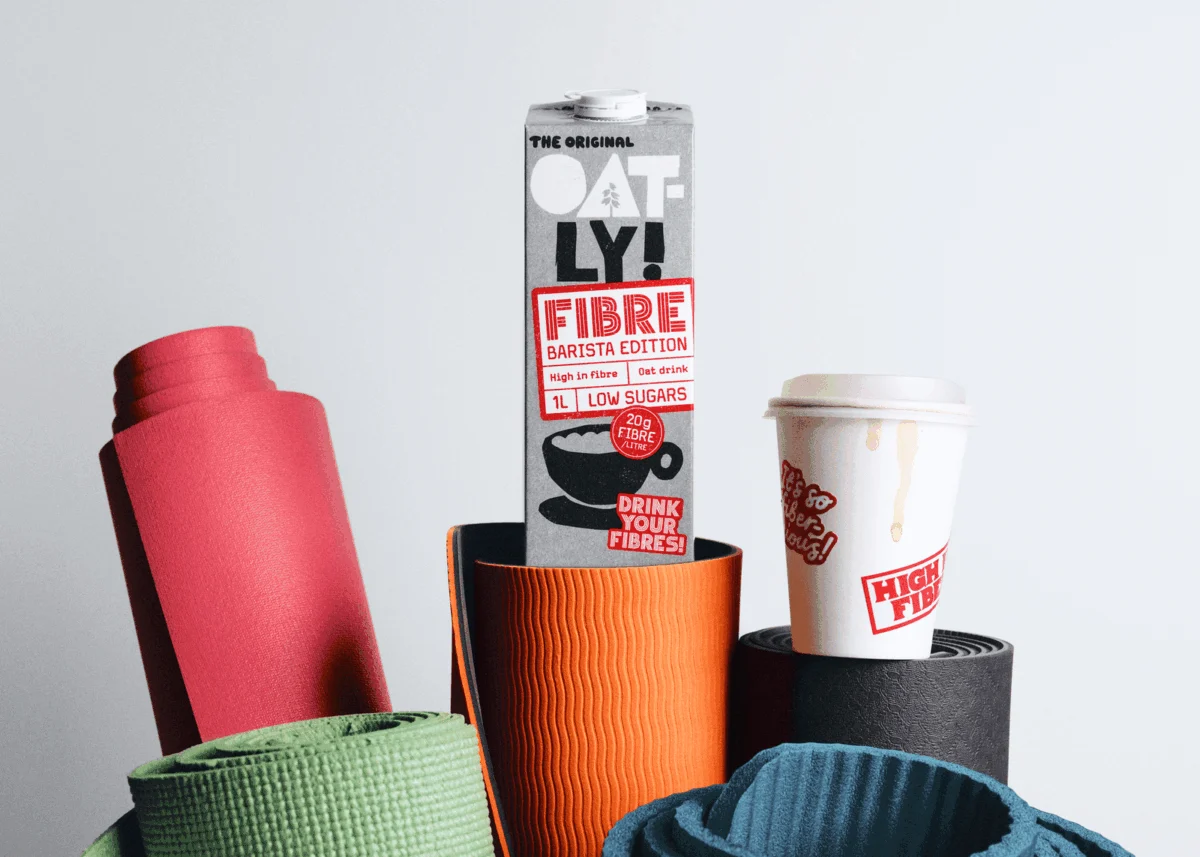
Swedish oat milk pioneer Oatly is officially turning its back on the prevailing industry obsession with protein fortification, choosing instead to address a far more pervasive nutritional shortfall across Europe: dietary fibre. While numerous competitors in the plant-based dairy market rush to market protein-boosted alternatives, Oatly has officially launched a new range of barista and low-calorie oat milks explicitly formulated to close the continent’s widening fibre gap.
The move marks a definitive step in executing a strategy the company first signaled in 2025, when executives warned that dietary fibre was rapidly "coming for protein’s crown." Rather than chasing a macronutrient that the vast majority of consumers already consume in adequate or even excessive amounts, Oatly is capitalizing on a surging cultural and physiological demand for gut-healthy ingredients.
The Nutritional Reality: Confronting the European Fibre Deficiency
Dietary data underscores the rationale behind Oatly’s strategic pivot. In the United Kingdom, for instance, a staggering 96% of consumers fail to meet the government-recommended daily intake of 30 grams of fibre, with the average Briton consuming a mere 14 grams per day. Similar nutritional deficits are documented across the wider European Union. Conversely, population studies consistently show that most citizens ingest more protein than their bodies require through standard, balanced diets.
This disconnect has prompted public health advocates and nutritional scientists to sound the alarm on low fibre consumption, linking it to rising rates of gastrointestinal disorders, cardiovascular disease, and metabolic issues. Capitalizing on this awareness, Oatly’s newly introduced barista and low-calorie oat milks deliver 5 grams of fibre per 250-milliliter serving. This nutritional enhancement is achieved through the integration of chicory root and soluble corn fibre, transforming a routine daily beverage into a functional health product.

Kate Overy, a registered nutritionist and Oatly’s nutrition science and communications lead, emphasized the simplicity of the intervention. She noted that for the average consumer struggling to reach daily targets, obtaining an additional 5 grams of fibre can be as effortless as swapping out their regular milk for a purpose-designed alternative, eliminating the need for dramatic or disruptive dietary shifts.
Chronology and Regional Rollout
The launch of the high-fibre line follows months of carefully calculated corporate signals. During Oatly’s Q2 earnings call, Chief Operating Officer Daniel Ordóñez hinted at upcoming product innovations tailored to the burgeoning consumer interest in gut health. Ordóñez pointed out that both in the United States and across Europe, public search interest and retail uptake regarding digestive wellness and fibre had reached unprecedented highs.
By late 2026, those internal developments materialized into concrete retail availability. The rollout is not restricted to the UK market; Oatly has confirmed that the high-fibre oat milks are presently hitting shelves in the Netherlands, Sweden, Belgium, France, Germany, and Austria, with additional international markets slated for entry in the subsequent quarters.
In the UK, the products debuted at major retailer Sainsbury’s at a price point of £2.40 per litre—representing a modest upcharge compared to the standard £2.20 price tag of Oatly’s classic barista edition. Broader distribution across competing supermarket chains is scheduled to scale up in the coming month.
Product Formulation and Technical Innovation
Developing the new range required sophisticated food science to alter nutritional profiles without compromising taste, texture, or performance in coffee—a critical metric for cafe owners and baristas.
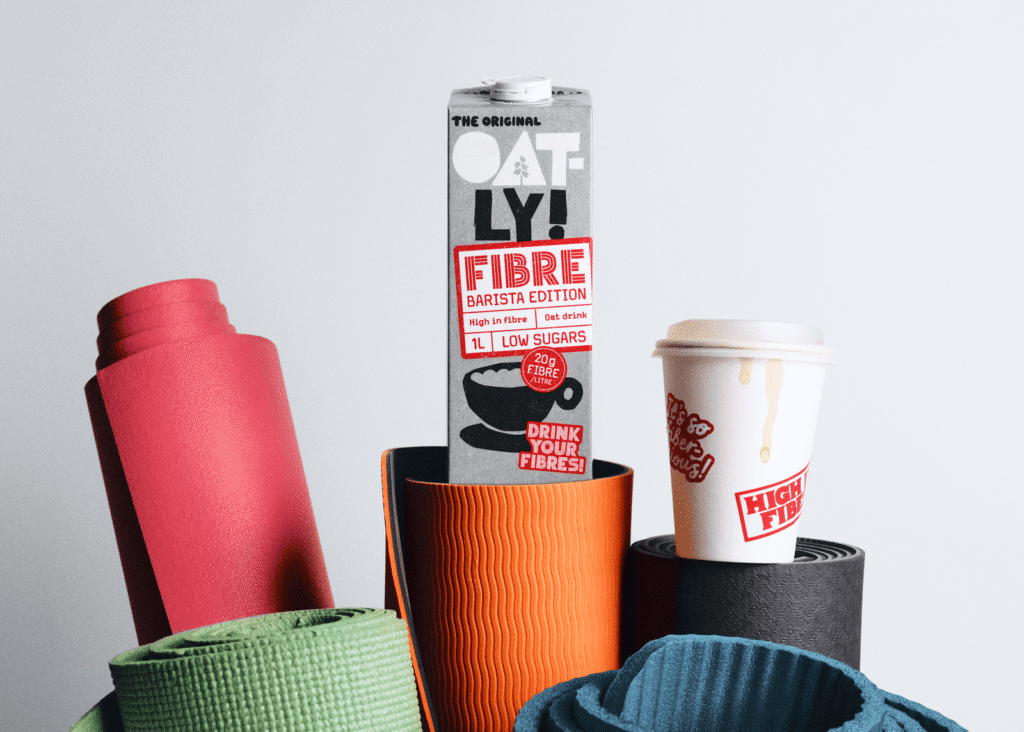
The fibre barista edition closely mirrors the culinary performance of Oatly’s flagship barista milk, designed to foam seamlessly in hot beverages. However, its formulation swaps dipotassium phosphate for tripotassium citrate as an acidity regulator and incorporates the aforementioned plant fibres. Crucially, this version contains significantly less sugar—just 0.6 grams per 100 milliliters—compared to 3.4 grams found in the standard barista recipe.
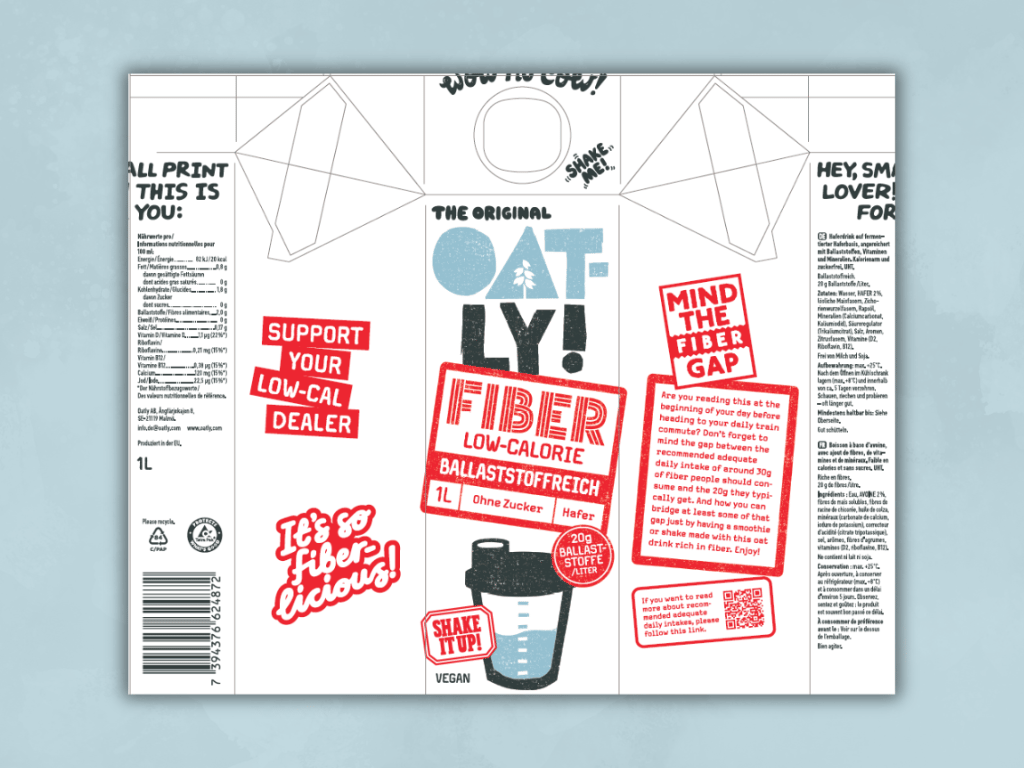
Meanwhile, the low-calorie fibre variant represents an entirely novel formulation. Featuring an oat content of just 2%—the lowest in Oatly’s corporate history—the recipe blends chicory root and corn fibre with citrus fibre, utilizing natural flavorings to round out the taste profile. This iteration is virtually sugar-free and contains only 1.8 grams of carbohydrates per 100 milliliters, targeting health-conscious consumers and those monitoring caloric intake.
Oatly stresses that this transition toward functional fibre is not merely a reactionary marketing ploy, but a logical extension of its three-decade history specializing in oat science. Oats are naturally rich in beta-glucans, a soluble fibre known to help maintain normal blood cholesterol levels. The company’s extensive research and development infrastructure has allowed it to preserve these native properties while engineering targeted nutritional enhancements.
The Macroeconomic and Cultural Tailwinds of "Fibremaxxing"
Oatly’s strategic pivot arrives amid a profound cultural shift in how consumers view digestion, longevity, and weight management. Recent retail data highlights a sweeping transformation in shopping habits. Research published by Ocado revealed that 52% of UK adults were actively trying to increase their fibre intake, a figure that surges to 62% among Generation Z shoppers. A subsequent survey by HelloFresh demonstrated that 65% of Britons have intentionally increased their plant and fibre consumption over the past five years.
Several distinct cultural phenomena are driving this trend:
- The Gut Health Media Wave: High-profile documentaries, such as Netflix’s Hack Your Health, have brought the human microbiome into mainstream public discourse.
- Personalized Nutrition Platforms: Digital health applications like Zoe and viral online movements such as the "30 plants a week" challenge have educated consumers on the importance of diverse dietary fibre sources.
- Online Health Trends: Social media platforms have popularized terms like "fibremaxxing" and "fibrelayering," inspiring younger demographics to optimize their digestive health through strategic eating.
- The Rise of GLP-1 Medications: The explosive popularity of weight-loss drugs has introduced a new consumer mindset focused on satiety and metabolic support. In the UK alone, approximately 9% of consumers have experimented with weight-loss medications, while 18% are actively considering them.
Nutritional science notes that dietary fibre naturally stimulates the body’s endogenous GLP-1 response. Fermentation of fibre by gut bacteria produces short-chain fatty acids, which play a vital role in regulating appetite and prolonging the sensation of fullness. Oatly’s formulations speak directly to this pharmacological and nutritional intersection.
Global Industry Shift and Future Implications
Oatly is not alone in recognizing the commercial viability of functional fibre. While the broader plant-based milk sector has seen an influx of high-protein formulations derived from soy, peas, and nuts, a parallel movement toward fibre-enriched alternatives is gaining global momentum.
In the UK market, brands like Plenish have introduced calcium- and fibre-enriched oat milks. In the United States, companies such as Máizly are scaling natural high-fibre corn milks, while in Australia, So Good has rolled out prebiotic- and fibre-packed oat and almond beverages. Furthermore, Oatly’s focus on dual-fibre technology is not entirely new to its global portfolio; the company has successfully retailed a specialized high-fibre oat milk in China for months, delivering 7.5 grams of fibre per 250 milliliters utilizing advanced enzymatic hydrolysis.
The broader market implications of Oatly’s European rollout are significant. By steering clear of the protein arms race, the company is redefining the value proposition of plant-based milks. Rather than competing directly with dairy on a macronutrient metric that consumers are already satisfying, Oatly is positioning its products as functional wellness tools.
As regulatory bodies continue to spotlight chronic lifestyle diseases linked to poor nutritional habits, food manufacturers that successfully bridge dietary gaps without demanding lifestyle overhauls are likely to capture substantial market share. For Oatly, the bet is clear: by turning everyday coffee creamers and morning cereals into vehicles for gut health, the company can cement its relevance for a health-conscious consumer base for decades to come.
