
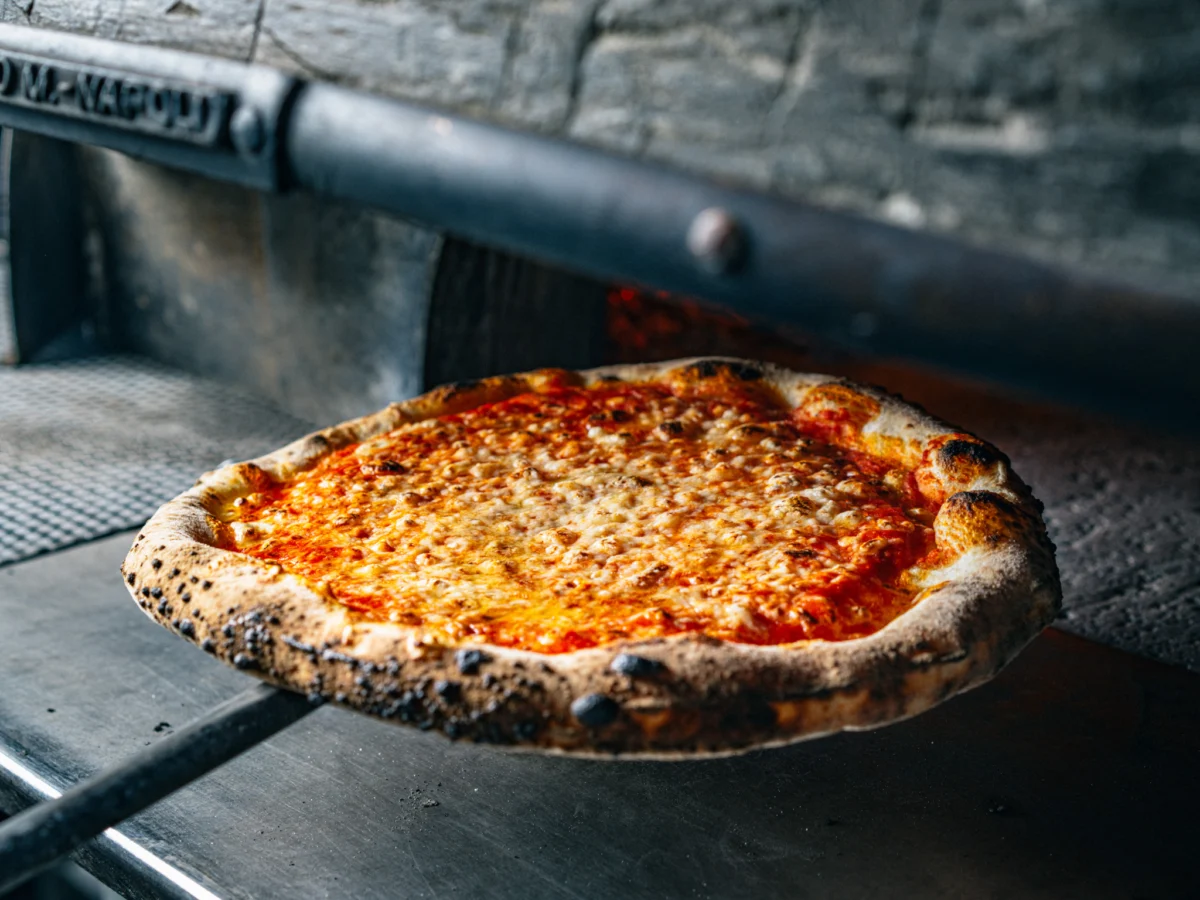
New Culture, a pioneering force in the alternative dairy sector, has achieved a significant milestone with the granting of a new U.S. patent. This latest intellectual property protection specifically covers their flagship mozzarella product, a testament to the company’s innovative approach to animal-free dairy. The patent solidifies New Culture’s position in the burgeoning market for plant-based and precision-fermented alternatives, ahead of the anticipated launch of their mozzarella in pizza restaurants across California.
This new patent is a crucial addition to New Culture’s expanding intellectual property portfolio. It reinforces the company’s claim over its unique formulation that masterfully blends its animal-free casein protein with plant-based ingredients. This synergistic combination is designed to meticulously replicate the desirable characteristics of conventional mozzarella, including its meltability, stretch, texture, and flavor profile, without relying on animal agriculture.
The strategic acquisition of patents is a cornerstone of New Culture’s growth strategy. The company’s IP framework extends beyond this latest U.S. patent, encompassing a broad spectrum of cheese products derived from casein bioidentical to that found in various mammalian species, including cows, sheep, goats, buffalo, and camels. This comprehensive approach signals a long-term vision to offer a diverse range of animal-free dairy alternatives that can cater to a wide array of consumer preferences and culinary applications.
Further bolstering their IP strength, a 2023 patent broadly protects their animal-free cheeses, emphasizing the development of products that possess dairy-like qualities such as adhesiveness, stretch, texture, mouthfeel, melt, hardness, creaminess, and flexibility. This broad protection is independent of the specific type of cheese, its formulation, or the production process employed, highlighting the foundational nature of their casein technology.
Inja Radman, co-founder, Chief Scientific Officer, and Chief Technology Officer at New Culture, elaborated on the company’s strategic IP development. "Our IP portfolio includes several patents and pending families protecting applications of our animal-free alpha-casein across a range of dairy products, both within the U.S. and around the world," Radman stated in an interview. "As we have an incredibly sophisticated understanding of our ingredient, we have developed high-quality products spanning the dairy industry using our animal-free casein as the key functional ingredient. This is reflected in our portfolio."
New Culture continues to actively pursue additional patents, signaling an intent to protect not only edible applications but also potential non-edible uses of their proprietary casein. This forward-thinking approach underscores their commitment to innovation and market leadership in the rapidly evolving alternative protein landscape.
The Science Behind Animal-Free Casein
Casein, a complex family of proteins inherent to mammalian milk, plays a pivotal role in conferring desirable textural and functional properties to dairy products. It is the essential component responsible for the characteristic melt, stretch, bubbling, and browning observed in traditional cheeses. Historically, the vast majority of casein has been sourced from cow’s milk, an industry that carries a significant environmental footprint, demanding substantial land and water resources and contributing to greenhouse gas emissions.
Precision fermentation offers a groundbreaking alternative. This advanced biotechnology involves the use of microorganisms, such as yeast or bacteria, that are genetically programmed to produce specific molecules. By introducing the DNA sequence for alpha-S1 casein, the most abundant protein in dairy milk, into these microbes, New Culture can effectively harness microbial fermentation to produce this key dairy ingredient without the need for animal involvement. This technology is not new to the dairy industry; it is commonly employed to produce rennet, a crucial enzyme for cheesemaking. New Culture, however, is scaling this process to produce powdered alpha-S1 casein in high volumes for direct incorporation into cheese.
"We use high-density, aerobic bacterial fermentation to produce our casein," explained Radman. "Then, we use a custom-developed downstream process to isolate our high-purity and high-quality animal-free casein powder." This meticulous process, refined over several years, ensures the production of a premium ingredient.

The final animal-free cheese product is created by combining this precision-fermented casein powder with other essential cheesemaking components, including plant-derived fats and salts. The company is currently focusing its efforts on mozzarella for the foodservice sector, recognizing its widespread appeal and demand.
Nutritionally, New Culture’s mozzarella is formulated to be competitive. It contains approximately 5 grams of protein and 2 grams of carbohydrates per serving. Notably, the formulation requires less than half the amount of casein compared to conventional mozzarella, a factor that contributes to mitigating the inherently higher costs associated with precision fermentation technology. This efficiency in ingredient utilization is a critical step towards achieving cost parity with traditional dairy products.
The company highlights its leadership in optimizing the strain development, fermentation, and downstream processing necessary for the cost-effective, large-scale production of recombinant alpha-S1 casein. Their core expertise lies in leveraging this animal-free casein as the sole protein source in their dairy alternatives, enabling the creation of products that genuinely mimic the sensory and functional attributes of conventional dairy.
Scaling Production Through Strategic Partnerships
To meet the growing demand and scale production, New Culture is collaborating with global manufacturing partners. "We work with global manufacturing partners to produce our animal-free casein and have successfully deployed our manufacturing process at multiple commercial sites," Radman confirmed. Key collaborations include partnerships with CJ CheilJedang, a significant investor in the startup, and ADM (Archer Daniels Midland), a global leader in human and animal nutrition.
These strategic alliances are instrumental in New Culture’s mission to achieve cost-competitiveness. "We’ve achieved dramatic cost reductions through both process improvements and scale-up, demonstrating our ability to produce cheese that is cost-competitive," Radman stated. The ultimate goal is to surpass the cost of commodity cheese, a feat that hinges on achieving mass-market scale in manufacturing. "Bringing our costs down further to undercut commodity cheese is a matter of manufacturing at mass-market scale, which we’re on track to achieve thanks to relationships with our world-class contract manufacturing organizations and ingredient manufacturers."

Navigating Regulatory Landscapes and Market Entry
The path to market for innovative food technologies often involves complex regulatory hurdles. New Culture has proactively raised $28.5 million in venture capital to fuel its development and expansion. In the preceding year, the company secured $5 million in early demand from U.S. pizza purveyors, indicating strong market interest and validation for their product. Addressing financial standing, Radman indicated that the company is in a robust position regarding its financial runway.
A critical step for New Culture in the U.S. market was its self-determination of its ingredient as Generally Recognized as Safe (GRAS). This designation, established under the Food, Drug, and Cosmetic Act, allows for the use of certain food ingredients without premarket approval from the Food and Drug Administration (FDA). However, the regulatory landscape for such ingredients is evolving. The FDA is reportedly reviewing the existing GRAS framework, and businesses may soon require a "no questions" letter from the regulator before introducing new ingredients to the market. New Culture has stated there are no current updates regarding their standing with this evolving regulatory process.
Beyond federal regulations, New Culture is also awaiting crucial label approval and registration from the California Department of Food and Agriculture (CDFA). The CDFA oversees the production of Products Resembling Milk Products (PRMP), a category that includes both plant-based and animal-free dairy alternatives manufactured within the state. Obtaining PRMP approval involves a multi-faceted process, requiring product registration, a production facility license, and an approved product label.
"CDFA regulates animal-free and plant-based dairy products that are manufactured in the state of California," Radman explained. "Securing a PRMP approval includes three components: a product registration, a production facility license, and an approved product label."
New Culture believes it was the first company to submit a PRMP approval package for animal-free dairy derived from precision-fermented casein. The comprehensive nature of their submission, detailing every aspect of their cheese manufacturing process, reflects the thoroughness required for this pioneering application. "CDFA is a very thorough and intentional organization, and all the more so when it comes to reviewing a first-ever PRMP without a parallel or precedent. We will have more to share about the process in the coming months," Radman commented, acknowledging the deliberative nature of the review process.
Future Prospects and Market Expansion
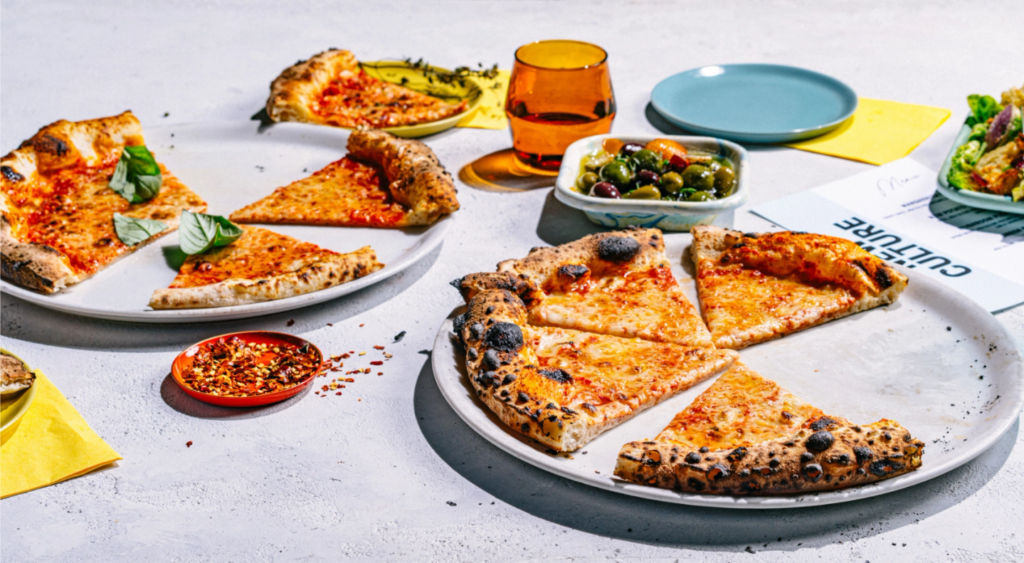
Upon receiving the necessary CDFA approvals, New Culture plans to launch its animal-free mozzarella in pizzerias. The company is also exploring broader market applications by partnering with consumer packaged goods (CPG) companies. These collaborations aim to showcase the versatility of their casein as a foundational ingredient for a range of dairy innovations, including yogurts, creamers, and beverages. Furthermore, New Culture is eyeing product categories such as performance nutrition and metabolic health, driven by the increasing consumer interest in functional foods.
The high-protein profile of casein also positions it favorably within the rapidly growing GLP-1 nutrition category. As the use of weight-loss drugs like GLP-1 agonists has surged, there is a concurrent rise in demand for dietary solutions that support satiety and muscle maintenance. Data indicates a significant increase in the adoption of these drugs in the U.S., with users nearly doubling from 10% in 2024 to an estimated 18% in 2025, creating a substantial market opportunity for casein-rich products.
Among its initial foodservice partners, New Culture has previously announced a collaboration with Pizzeria Mozza, owned by renowned chef Nancy Silverton, located in Los Angeles. "The team is hard at work preparing for launch and getting an endless number of details in place to bring our animal-free mozzarella to market," Radman stated.
She acknowledged that the regulatory process, particularly the first-of-its-kind CDFA application, has extended beyond their initial expectations. "Factoring in the first-of-its-kind CDFA application, it’s certainly taken longer than we wanted or expected, so we really can’t wait for our fans and everyday consumers to become repeat purchasers of our cheese."
New Culture is positioned among a select group of companies actively engaged in the precision-fermented casein market in the U.S. Currently, only four companies, including New Culture, Those Vegan Cowboys, Eden Brew, and Formo, have obtained GRAS status for their precision-fermented casein ingredients, marking them as pioneers in this advanced food technology sector. This competitive landscape underscores the innovative drive within the industry to redefine dairy production for a more sustainable and ethical future.
