
The global alternative protein and sustainable food sector continues to undergo structural evolution, characterized by strategic retail expansions, shifting regional consumer data, and critical regulatory milestones. In the latest edition of Future Food Quick Bites, developments span international supermarket launches, novel fermentation technologies, and policy shifts across Europe, North America, and the Asia-Pacific region. While categories like plant-based dairy face short-term volume contractions in specific Western markets, innovators in cellular agriculture, precision fermentation, and whole-food alternatives are pressing forward with commercial scale-up and infrastructure investments.
New Product Introductions and Major Retail Placements
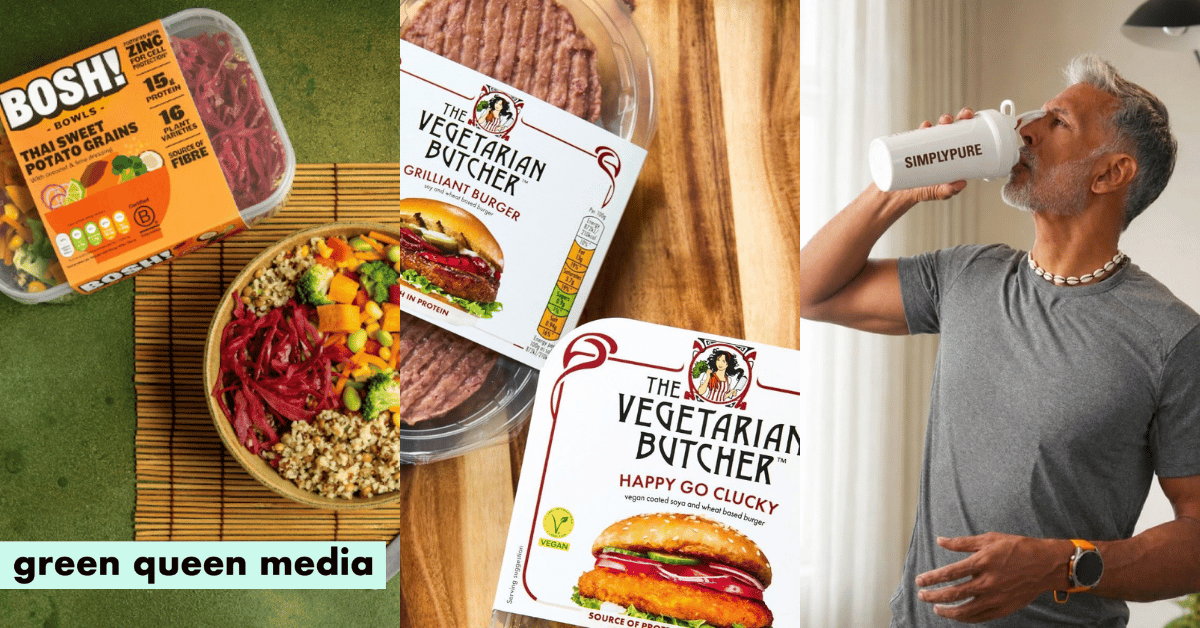
Major supermarket chains across the UK and North America are expanding their sustainable grocery aisles to accommodate a broader range of sustainable formulations. The Vegetarian Butcher, a plant-based subsidiary of multinational meat processing giant JBS, has rolled out its vegan beef and chicken burgers—marketed as Grilliant and Happy Go Clucky, respectively—into Tesco stores across the United Kingdom. This placement underscores the ongoing mainstreaming of alternative proteins through legacy meat companies utilizing their extensive distribution networks.
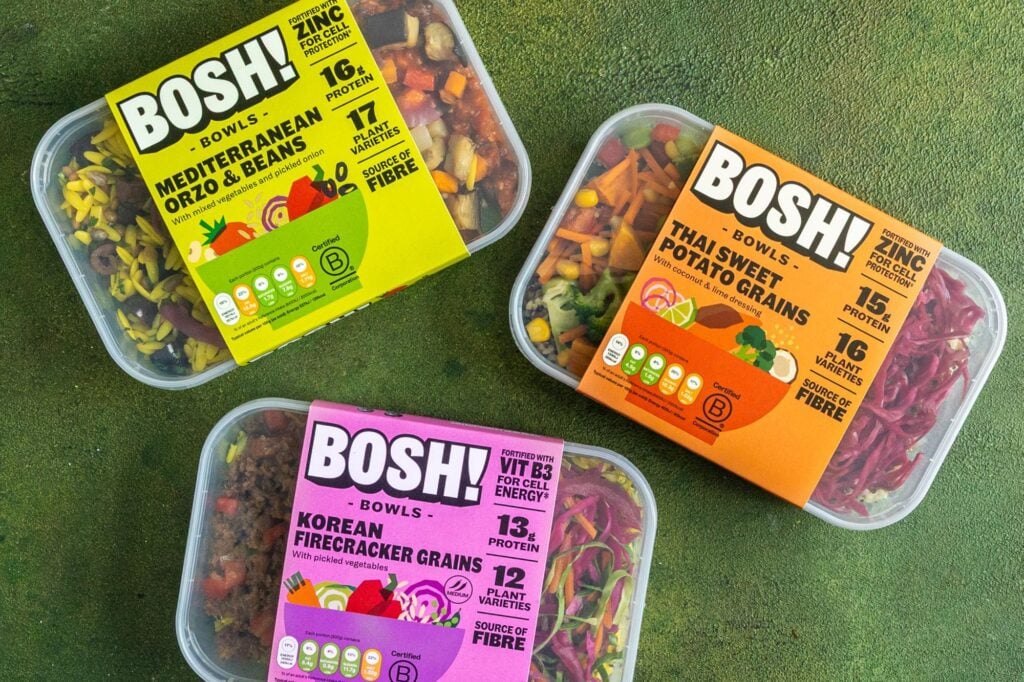
Simultaneously, UK-based brand Bosh! has introduced a line of nutrient-dense grain bowls into Tesco, focusing on the concept of "plant points" to highlight dietary diversity. The product lineup includes the Mediterranean Orzo & Beans meal, containing 17 distinct plant varieties; the Thai Sweet Potato Grains, featuring 10; and the Korean Firecracker Grains, boasting nine. Also appearing on Tesco shelves nationwide is Minor Figures’ regenerative oat milk, produced in partnership with agricultural pioneer Wildfarmed. This launch highlights a growing consumer and corporate interest in supply chain transparency and regenerative farming practices that improve soil health.
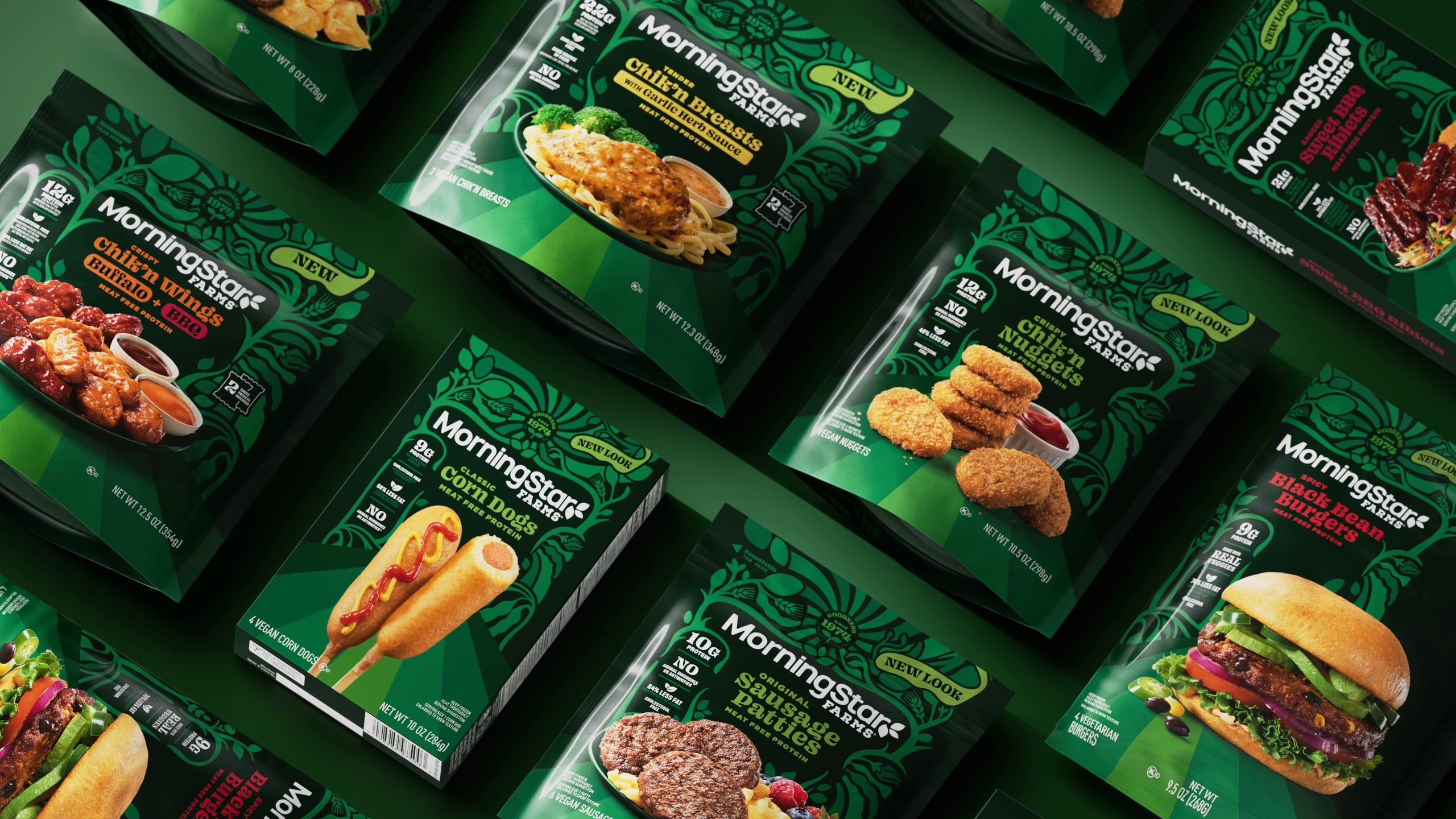
In Germany, ingredient specialist Planteneers has introduced "Culinary Balls," a novel plant-based concept designed to break away from traditional meat-mimicry. Instead of replicating animal protein, the product utilizes a three-layer format engineered specifically to emphasize distinct flavor profiles and textures. Across the Atlantic, Kellanova-owned MorningStar Farms has unveiled a brand-refresh campaign, adopting the tagline "Where Goodness Grows" and updating its packaging to pay homage to its 1974 founding heritage.

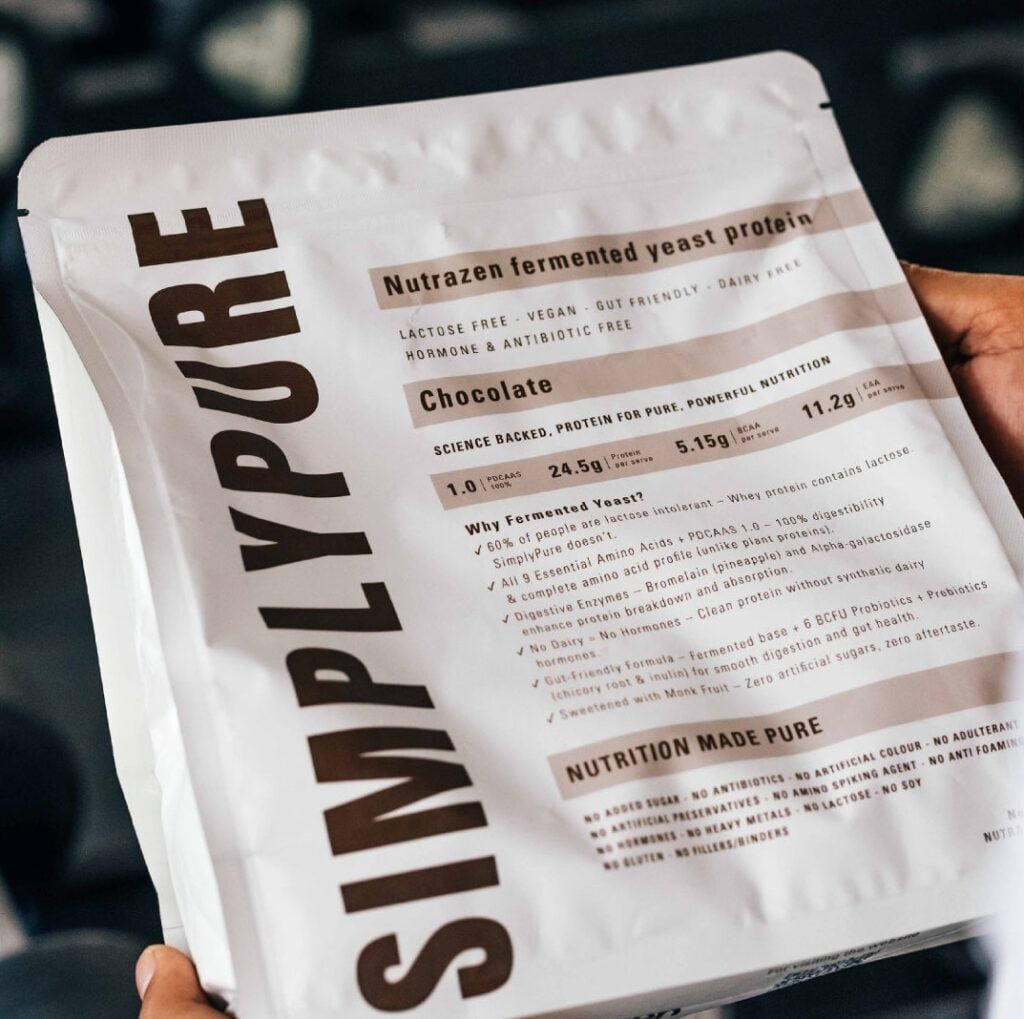
Meanwhile, Elmhurst 1925 has expanded its Clean Protein plant-based milk line into Canada. The four core flavors—pistachio, chocolate-sea salt, vanilla, and strawberry—are entering major Canadian retail chains including Loblaws, Sobeys, Metro, Farm Boy, Save-On-Foods, Longo’s, and Fortinos. In India, functional food startup Nutrazen has launched "Simply Pure," a fermented yeast protein powder available in flavors such as plain, cold coffee, chocolate, chocochino, and matcha-chocolate. Delivering 24.5 grams of complete protein per 36-gram scoop, the product taps into India’s rapidly growing alternative nutrition market. In the Asia-Pacific region, Singaporean food technology enterprise Coa has extended the geographic reach of its high-protein chocolate clusters, introducing matcha-white chocolate and coconut-dark chocolate variants to consumers in Australia and New Zealand.
Infrastructure and Corporate Landscape Developments
To bridge the gap between laboratory-scale research and commercialization, the Australian Food and Beverage Accelerator has granted industry access to the QUT Pioneer BioPilot facility in Mackay’s Pioneer Valley. This pilot-scale precision fermentation infrastructure allows emerging food tech companies to validate production methodologies and test scalable bioprocesses prior to investing in full-scale manufacturing plants.
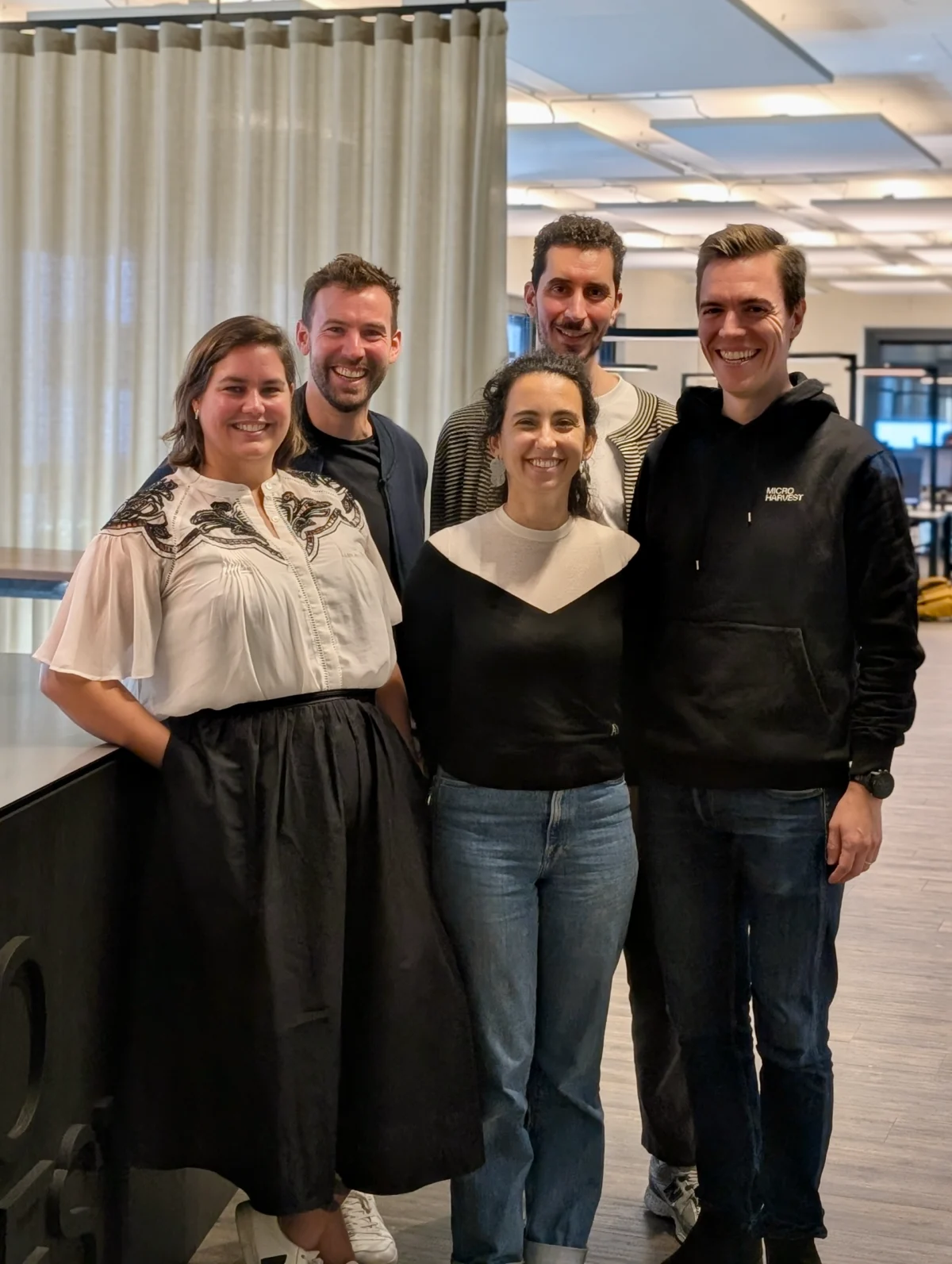
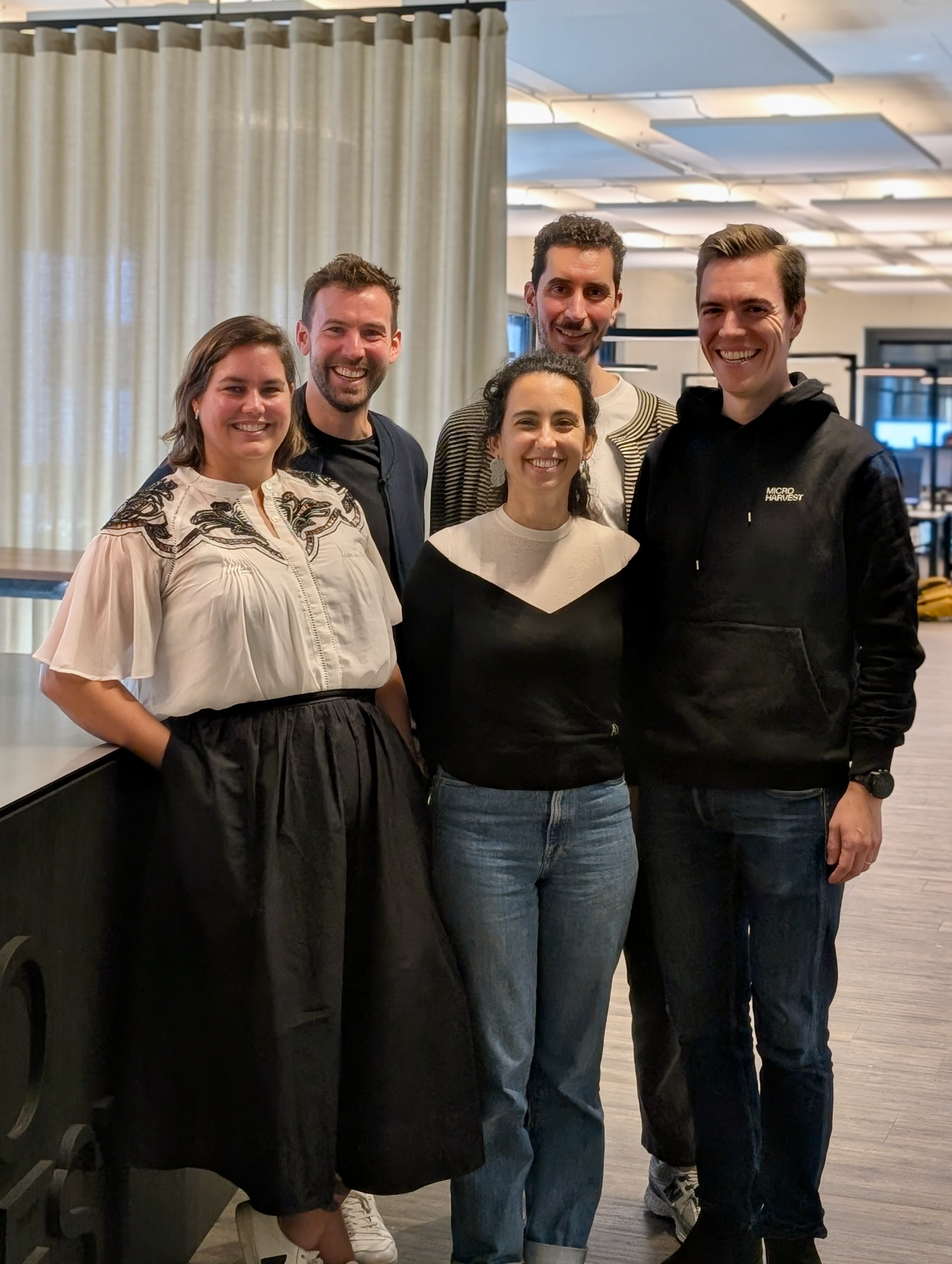
Corporate leadership changes are also signaling readiness for industrial expansion. German mycoprotein enterprise MicroHarvest has restructured its executive committee, appointing co-founders Katelijne Bekers and Jonathan Roberz as co-CEOs to direct commercial expansion and European scale-up operations, respectively. Fellow co-founder Luisa Cruz remains Chief Technology Officer, while Jan-Philipp Birke transitions to Chief Operating Officer, and Justus Reich assumes the role of Chief Financial Officer. In India, precision fermentation startup PreferCo—which is currently collaborating with Germany’s Glatt to construct an integrated facility in Hyderabad—has appointed Shakthi M Nagappan, former CEO of the Telangana Life Sciences Foundation, as its chairman and managing director.
Market Dynamics and Sales Fluctuations
The commercial landscape for alternative proteins presents a divergent picture across different geographies and product categories. According to recent market data from Circana, volume sales of plant-based milk declined by 5.4% in the United States over the preceding year, with almond milk seeing a sharper drop of 7.9%. In the United Kingdom, liquid plant-based volumes contracted by 2.5% in the twelve months leading up to June, while growth rates in France, Italy, the Netherlands, and Spain experienced notable deceleration.

Conversely, the European meat alternative sector demonstrates regional resilience. In Germany, Europe’s largest market for plant-based foods, volume sales of meat substitutes grew by 15.7% between January and August, contrasting with a 0.5% decline in conventional meat sales over the same timeframe.
Despite pockets of growth, market headwinds continue to impact legacy operators. US-based whole-food plant-based startup NoBull Burger announced its closure after 15 years of operation, reflecting the persistent economic pressures facing independent brands amid high capital costs and shifting retail demands.
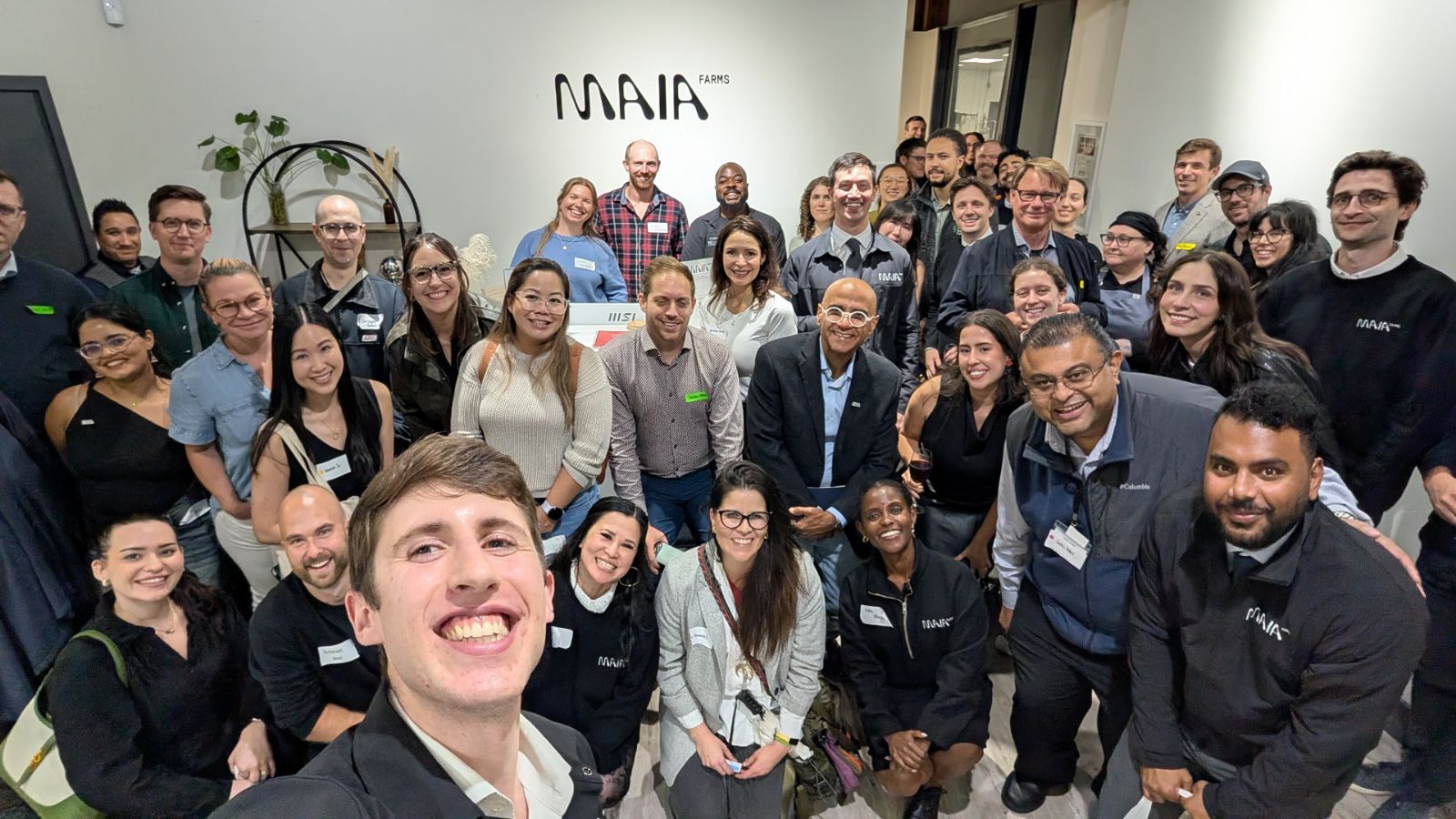
In the cellular agriculture and hybrid protein sectors, companies continue to refine production techniques. Canadian mycelium specialist Maia Farms hosted an industry Open Lab event, uniting government stakeholders, customers, and food manufacturers to evaluate the commercial potential of blended meat products. Concurrently, Scottish cellular agriculture firm Roslin Technologies developed a hybrid pork manufacturing method, incorporating induced pluripotent stem cell biomass into Swiss biotech startup Sallea’s plant-based Protein Pure scaffolds, achieving inclusion rates of up to 78%.
Policy Shifts, Awards, and Industry Recognition
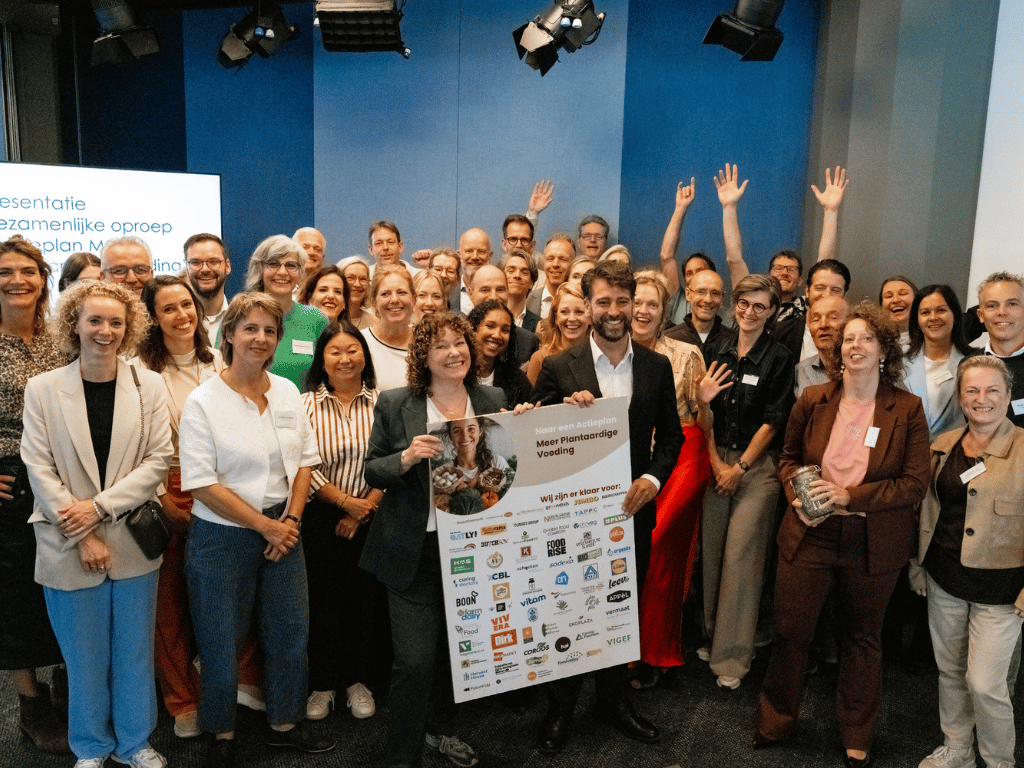
Regulatory frameworks and policy support mechanisms are increasingly factoring alternative proteins into national food and agricultural strategies. The Dutch House of Representatives voted in favor of a motion to integrate a dedicated plant-based action plan into the nation’s nitrogen package and national food strategy. This legislative step follows coordinated advocacy from numerous civil society and industry organizations calling for a structured transition framework supported by a €65 million annual acceleration fund.
In industry accolades, Swedish hemp protein startup Hemisphere Technologies was named a winner at the 2026 Global Food Tech Awards EMEA, hosted by FoodNavigator. Meanwhile, US climate-smart rice farming startup Mitti Labs was selected as one of eight victors for the Climate Curve Prize: Methane, reinforcing its market position following a $9.5 million funding round and a four-year carbon credit agreement signed with Google.
As the sector looks toward upcoming industry gatherings, preparations are underway for the second edition of the Vegan Summit Budapest on November 7. Claiming to be Europe’s largest event of its kind, the summit will feature an expanded awards ceremony recognizing excellence across 16 operational and product categories within the sustainable food ecosystem.
