

Hyaluronic acid (HA), alongside its commonly encountered derivative sodium hyaluronate, stands as a cornerstone ingredient in contemporary skincare and cosmetics, celebrated for its remarkable hydrating capabilities. Beyond its topical applications, this naturally occurring polysaccharide plays a pivotal role in numerous physiological processes within the human body, from maintaining skin integrity to lubricating joints and facilitating wound healing. Its pervasive presence in the extracellular matrix, the complex scaffold supporting cells throughout various tissues, underscores its fundamental biological importance.
The Scientific Genesis and Biological Imperative of Hyaluronic Acid
The journey of hyaluronic acid from biological curiosity to a global cosmetic and medical staple began in 1934. It was then that Karl Meyer and John Palmer, researchers at Columbia University, first isolated a novel polysaccharide from the vitreous humor of bovine eyes. They named it hyaluronic acid, deriving "hyaloid" from the Greek word for glassy, referring to the vitreous humor, and "uronic acid" due to its uronic acid sugar component. This discovery laid the groundwork for decades of research into its unique properties.
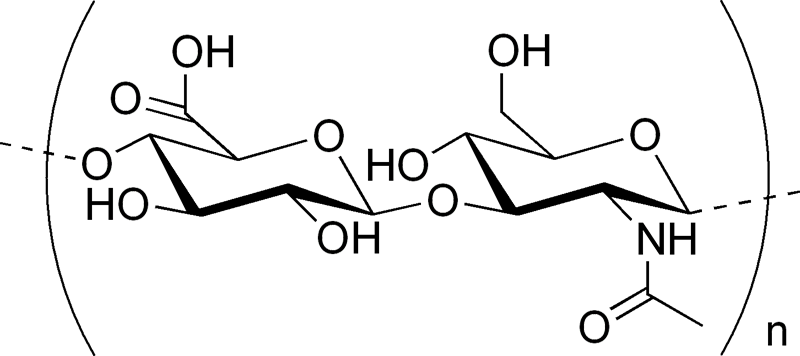
Chemically, hyaluronic acid is a glycosaminoglycan (GAG), a long, unbranched carbohydrate polymer composed of repeating disaccharide units of D-glucuronic acid and N-acetyl-D-glucosamine. What makes HA exceptionally efficient at water retention is its highly polar nature, attributed to the abundance of hydroxyl (-OH) and carboxyl (-COOH) groups along its molecular chain. These groups form strong hydrogen bonds with water molecules, allowing a single gram of HA to attract and hold a significant volume of water, though the oft-cited "six liters" figure has been largely debunked as an unsubstantiated claim, highlighting the need for scientific rigor in reporting even seemingly innocuous facts. This unique hydrophilic property is central to its biological functions, enabling tissues to maintain hydration, elasticity, and structural integrity.
Within the human body, HA is ubiquitous, found in high concentrations in the skin (both epidermis and dermis), synovial fluid of joints, vitreous humor of the eye, and umbilical cord. In the skin, HA contributes significantly to hydration, metabolic processes, cellular repair, and offers a degree of protection against environmental stressors like free radicals and ultraviolet (UV) radiation. It acts as a crucial component of the extracellular matrix, providing volume and elasticity, and facilitating cell migration and proliferation—processes vital for tissue repair and regeneration. The body maintains a dynamic balance of HA through continuous synthesis by hyaluronan synthases and degradation by hyaluronidases, ensuring its levels are precisely regulated.
Hyaluronic Acid in Skincare: A Deeper Dive into Topical Efficacy
In the realm of skincare, hyaluronic acid is predominantly valued as a humectant. Humectants are substances that attract and draw moisture from the air and deeper layers of the skin into the stratum corneum, the outermost layer. This mechanism effectively hydrates the skin, leading to a plumper, smoother appearance. For individuals experiencing dehydrated skin, which can manifest as fine lines and a tired complexion, the hydrating effect of HA can be visually transformative, imparting a more youthful and refreshed look. While other humectants like glycerin are also widely used, HA is often favored or combined with glycerin due to its ability to provide a lighter, less sticky feel on the skin.
A critical aspect of HA’s efficacy in topical applications is its molecular weight. Hyaluronic acid molecules can vary significantly in size, leading to different effects when applied to the skin. These are generally categorized into:
- High Molecular Weight (HMW-HA): These larger molecules typically remain on the skin’s surface, forming a breathable, moisture-binding film. This film acts as a barrier, reducing transepidermal water loss (TEWL) and providing immediate, superficial hydration. HMW-HA is excellent for surface plumping and creating a smooth canvas.
- Low Molecular Weight (LMW-HA) and Ultra-Low Molecular Weight HA: These are HA molecules that have been fragmented into smaller sizes. Due to their reduced size, LMW-HA can penetrate more deeply into the epidermis, delivering hydration to lower layers of the skin. This deeper penetration is believed to offer more sustained hydration and potentially influence cellular processes. Sodium hyaluronate, the salt form of HA, is often a smaller molecule and is frequently used in formulations for enhanced skin penetration and stability. Hydrolyzed hyaluronic acid consists of even smaller fragments, designed for maximum absorption.
The discussion around LMW-HA has included debates regarding its potential to act as an "inflammatory signal." While inflammation is often perceived negatively, it is a complex biological response essential for wound healing and defense against pathogens. Research suggests that certain LMW-HA fragments can indeed stimulate immune responses, which, in the context of skin repair and defense against microbial attack, can be beneficial. Studies have indicated that LMW-HA may improve the skin’s ability to repair itself and enhance its defense mechanisms, even showing promise in managing conditions like seborrheic dermatitis. The nuanced understanding is that context is key; not all inflammatory signals are detrimental, and some are crucial for maintaining skin health and resilience. However, the claim that topical HA can "replenish" the body’s natural stores is largely unfounded, as even LMW-HA primarily penetrates only the lower epidermis, not reaching the deeper dermis where much of the endogenous HA resides. Its primary benefit remains its exceptional hydrating capacity, with some evidence of ancillary anti-inflammatory and antioxidant activities.
Sourcing and Ethical Considerations for Topical HA
The origin of hyaluronic acid used in cosmetic products is another important consideration. Historically, HA was often sourced from animal tissues, most notably rooster combs, which are rich in the compound—containing approximately 15 times more HA than human skin. However, advancements in biotechnology have made biofermentation the predominant method for producing HA today. This process involves using bacteria, such as Streptococcus equi, to produce HA through fermentation. Biofermented HA is generally considered more sustainable, offers higher purity, and is suitable for vegetarians and vegans, addressing ethical concerns associated with animal-derived ingredients. Consumers with dietary or ethical restrictions may wish to verify the source of HA in their products.
Beyond the Bottle: Hyaluronic Acid’s Diverse Medical and Cosmetic Applications
The utility of hyaluronic acid extends far beyond topical skincare, underscoring its versatility and broad biological impact.
-
Dermal Fillers: One of the most prominent non-topical applications is in injectable dermal fillers. Chemically modified, cross-linked HA is meticulously injected into the skin to plump up deep wrinkles, restore lost volume, and enhance facial contours. Brands like Juvéderm, Restylane, and Voluma utilize HA with varying degrees of cross-linking to achieve different levels of firmness and longevity, typically lasting from six months to over a year before the body naturally metabolizes the HA. The temporary nature of these fillers, coupled with their biocompatibility and reversibility (through hyaluronidase injections), makes them a popular choice for aesthetic enhancements. However, like any medical procedure, they carry risks, including bruising, swelling, and, in rare cases, more serious complications such as vascular occlusion. The use of large-volume HA fillers, such as Macrolane for breast and buttock enhancement, has been more controversial, with concerns raised about potential interference with medical imaging (e.g., mammography) and limited long-term safety data.
-
Ophthalmology: HA is widely used in ophthalmology. It is a key ingredient in many lubricating eye drops for dry eye syndrome, providing sustained moisture and comfort. In ophthalmic surgery, particularly cataract removal, highly viscous HA solutions are used as viscoelastic agents to maintain space, protect delicate tissues, and facilitate surgical maneuvers.
-
Orthopedics: For individuals suffering from osteoarthritis, HA is utilized in viscosupplementation injections. Administered directly into affected joints (e.g., knee), HA acts as a lubricant and shock absorber, mimicking the natural role of synovial fluid, which often degrades in osteoarthritic joints. These injections aim to reduce pain and improve joint function, offering an alternative for patients who have not responded to conventional therapies.
-
Wound Healing and Tissue Engineering: Given its role in the extracellular matrix and cell migration, HA is incorporated into various wound dressings and gels to promote healing. It creates a moist environment, supports cell proliferation, and can reduce scarring. In tissue engineering, HA scaffolds are explored for their potential to support tissue regeneration and repair in various organs.
-
Oral Supplements: Oral hyaluronic acid supplements are available in nutrition stores, marketed for skin hydration, joint health, and anti-aging benefits. However, the scientific community largely remains skeptical about their efficacy. There are significant questions regarding whether HA can survive the harsh digestive process intact, whether it can be absorbed effectively into the bloodstream, and if absorbed, whether it can specifically target and benefit the skin or joints. Robust, large-scale clinical trials demonstrating clear, reproducible benefits of oral HA for these purposes are still largely lacking.
The Evolving Landscape and Future Outlook
The market for hyaluronic acid products continues to expand globally, driven by ongoing research and innovation. Cosmetic chemists are continuously exploring new HA derivatives, improved delivery systems, and synergistic combinations with other active ingredients to enhance penetration and efficacy. The development of HA fragments with specific biological activities, such as signaling molecules for skin repair, represents a promising area of future research.
From a regulatory standpoint, the oversight of HA products varies significantly depending on their application. Injectable fillers are classified as medical devices and undergo rigorous evaluation by bodies like the FDA in the United States and the EMA in Europe, ensuring safety and efficacy. Topical skincare products, while generally less regulated, are subject to cosmetic regulations that ensure ingredient safety and accurate labeling. This multi-tiered regulatory framework aims to protect consumers while fostering innovation.
The enduring popularity of hyaluronic acid also highlights the broader implications for scientific communication and consumer education. The original article’s correction regarding the "1 gram holds 6 liters of water" myth serves as a potent reminder of how easily unsubstantiated claims can propagate, even within scientific discourse, if not critically examined. For consumers, navigating the vast array of HA products requires a degree of scientific literacy and an understanding of what the ingredient can realistically achieve. Dermatologists and cosmetic scientists continually emphasize the importance of seeking out products from reputable manufacturers that provide transparent ingredient lists and base their claims on sound scientific evidence, rather than anecdotal reports or marketing hype. As research progresses, hyaluronic acid is poised to remain a pivotal ingredient, not only in the quest for healthy, youthful skin but also in advancing diverse medical therapies.
