

Polycystic Ovary Syndrome (PCOS) currently stands as one of the most prevalent endocrine disorders globally, affecting an estimated 8% to 13% of women of reproductive age. According to the World Health Organization (WHO), up to 70% of affected women remain undiagnosed, highlighting a significant gap in public health awareness and clinical intervention. A primary clinical manifestation of this condition is metabolic dysfunction, which frequently results in significant weight gain and a decreased ability to lose weight through traditional caloric restriction alone. Recent clinical literature and endocrinology studies have increasingly focused on the role of targeted supplementation to address the underlying physiological drivers of PCOS-related obesity, specifically insulin resistance, hyperandrogenism, and chronic low-grade inflammation.
The Pathophysiology of PCOS and Weight Retention
The challenge of weight management in PCOS patients is rooted in a complex interplay of hormonal and metabolic imbalances. Central to this issue is insulin resistance, a condition where the body’s cells become less responsive to insulin, leading the pancreas to overproduce the hormone to compensate. High levels of circulating insulin, or hyperinsulinemia, act as a fat-storage signal, particularly in the abdominal region. Furthermore, insulin stimulates the ovaries to produce excess androgens, such as testosterone. This hormonal cascade creates a "vicious cycle" where weight gain exacerbates insulin resistance, which in turn drives further weight gain and worsens symptoms like hirsutism, acne, and ovulatory dysfunction.
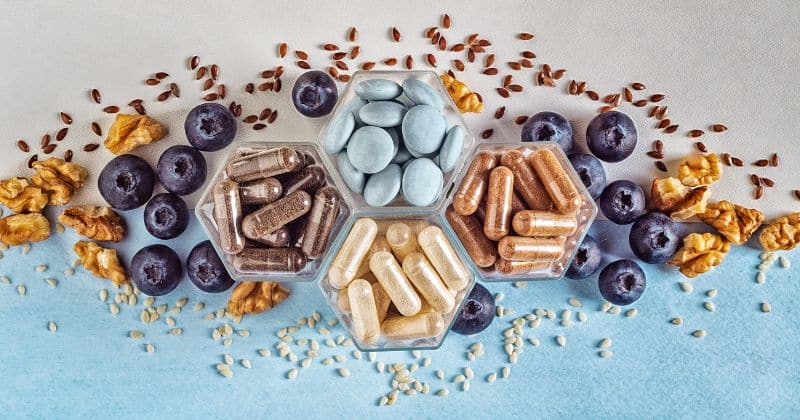
Research indicates that approximately 60% to 80% of women with PCOS exhibit some degree of insulin resistance, regardless of their Body Mass Index (BMI). This metabolic reality necessitates a multi-faceted treatment approach that transcends basic lifestyle modifications. While diet and exercise remain foundational, the integration of specific nutraceuticals has shown promise in clinical settings for improving metabolic flexibility and supporting sustainable weight loss.
The Evolution of PCOS Treatment: A Chronology of Research
The medical community’s understanding of PCOS has evolved significantly since the condition was first described as "Stein-Leventhal Syndrome" in 1935. Initially viewed primarily as a gynecological issue involving ovarian cysts, the 1980s and 1990s saw a shift toward recognizing the syndrome’s metabolic underpinnings. The introduction of the Rotterdam Criteria in 2003 expanded the diagnostic framework, and by the 2010s, international guidelines began emphasizing the management of cardiovascular and metabolic risks.
In the last decade, there has been a notable surge in clinical trials investigating non-pharmaceutical interventions. This shift is driven by a growing patient demand for holistic options and a clinical need for alternatives to Metformin, which, while effective, is often associated with gastrointestinal side effects. Today, supplements like Inositol and Berberine are being rigorously tested against pharmaceutical standards, providing a data-driven foundation for integrative PCOS care.

Inositol: The Standard in Insulin Sensitization
Inositol, specifically in its Myo-inositol (MI) and D-chiro-inositol (DCI) isoforms, has emerged as a cornerstone supplement for PCOS management. Often categorized as a pseudo-vitamin (Vitamin B8), inositol serves as a second messenger in insulin signaling. Clinical data suggests that women with PCOS often have a deficiency in the enzyme that converts MI to DCI, leading to impaired glucose uptake.
A landmark study published in the journal Endocrine Practice demonstrated that a 40:1 ratio of Myo-inositol to D-chiro-inositol is the most effective dosage for restoring ovulation and improving metabolic parameters. By enhancing insulin sensitivity, inositol reduces the need for high insulin production, thereby lowering androgen levels and facilitating the breakdown of stored adipose tissue. Medical professionals note that the standardized 4g daily dose of MI, when combined with DCI, can produce results comparable to Metformin in improving BMI and menstrual regularity, often with a superior safety profile.
N-acetylcysteine (NAC) and Oxidative Stress Management
N-acetylcysteine (NAC) is a derivative of the amino acid L-cysteine and a precursor to glutathione, the body’s most potent endogenous antioxidant. In the context of PCOS, NAC addresses both metabolic and reproductive hurdles. Chronic inflammation and oxidative stress are known to impair insulin receptor activity; by neutralizing free radicals, NAC helps restore normal cellular function.

Systematic reviews of clinical trials have indicated that NAC supplementation (typically 600mg to 1,800mg daily) significantly improves pregnancy rates and ovulation in women with PCOS. Regarding weight loss, NAC’s impact on adiponectin—a hormone that regulates glucose levels and fatty acid breakdown—makes it a valuable tool. Increased adiponectin levels are associated with lower body fat percentages and improved metabolic health. Furthermore, NAC has shown efficacy in reducing "fatty liver," a common comorbidity in women with PCOS.
Omega-3 Fatty Acids: Combating Systematic Inflammation
Omega-3 polyunsaturated fatty acids, primarily Eicosapentaenoic acid (EPA) and Docosahexaenoic acid (DHA), are essential for cardiovascular and endocrine health. For women with PCOS, who are statistically at a higher risk for dyslipidemia and heart disease, Omega-3s provide critical protection.
Supporting data from a 2018 meta-analysis published in Reproductive Biology and Endocrinology revealed that Omega-3 supplementation significantly reduced serum testosterone and regulated menstrual cycles. By decreasing the production of pro-inflammatory cytokines, Omega-3s improve the body’s response to insulin. Furthermore, these healthy fats are known to regulate leptin, the "satiety hormone." For patients struggling with the intense hunger and "carb cravings" characteristic of PCOS, high-quality fish oil or algae oil supplements can help stabilize appetite, making caloric adherence more manageable.
Berberine: The Natural Alternative to Metformin
Berberine is a bioactive compound extracted from several plants, including goldenseal and barberry. In the realm of metabolic medicine, it is frequently referred to as "natural Metformin" due to its ability to activate the AMP-activated protein kinase (AMPK) pathway. AMPK is often called the "metabolic master switch," as it regulates energy homeostasis and stimulates glucose uptake in the muscles.
Clinical trials comparing Berberine to Metformin in women with PCOS found that Berberine was more effective at reducing waist circumference and improving the waist-to-hip ratio. Beyond its insulin-sensitizing effects, Berberine has been shown to modulate the gut microbiome. Emerging research suggests that an imbalance in gut bacteria (dysbiosis) may contribute to the development of PCOS; Berberine helps promote the growth of beneficial bacteria that produce short-chain fatty acids, which further support weight loss and reduce systemic inflammation.
Vitamin D: The Pro-Hormone Deficiency Epidemic
Vitamin D functions more like a pro-hormone than a traditional vitamin, influencing over 200 genes, including those responsible for insulin secretion and glucose metabolism. Epidemiological data indicates that 67% to 85% of women with PCOS suffer from Vitamin D deficiency. This deficiency is strongly correlated with higher BMI, increased insulin resistance, and lower success rates in fertility treatments.
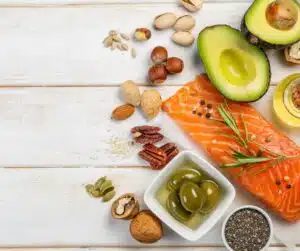
Correcting Vitamin D levels is essential for any PCOS weight loss strategy. Adequate Vitamin D (typically requiring 2,000 to 5,000 IU daily, depending on blood serum levels) helps modulate the calcium-dependent pathways required for insulin signaling. Furthermore, Vitamin D plays a significant role in mental health; given that women with PCOS are three times more likely to suffer from anxiety and depression, the mood-stabilizing effects of Vitamin D can prevent emotional eating and improve the motivation required for lifestyle maintenance.
Expert Analysis and Clinical Implications
The integration of these five supplements represents a shift toward a more nuanced, personalized approach to PCOS care. Medical experts emphasize that while these supplements are powerful, they are not "magic pills." The broader impact of these interventions is maximized when they are part of a comprehensive "PCOS-friendly" lifestyle, which includes a low-glycemic diet, resistance training to improve muscle insulin sensitivity, and adequate sleep hygiene to manage cortisol levels.
Health analysts suggest that the widespread adoption of evidence-based supplementation could significantly reduce the long-term economic burden of PCOS. By managing weight and insulin levels early, healthcare systems can potentially lower the incidence of Type 2 diabetes and gestational complications in this population. However, practitioners caution that supplement quality varies significantly. Patients are encouraged to seek "third-party tested" products to ensure the absence of contaminants and the accuracy of labeled dosages.
Future Outlook and Conclusion
As research continues to unfold, the role of nutraceuticals in managing PCOS is expected to become even more prominent in standard clinical guidelines. Future studies are currently looking into the synergistic effects of combining these supplements, such as the dual administration of Berberine and Inositol, to determine if they offer a compounding benefit for metabolic restoration.
In conclusion, the battle against PCOS-related weight gain is a physiological struggle that requires more than willpower. By addressing the root causes—insulin resistance, inflammation, and hormonal imbalance—through targeted supplementation with Inositol, NAC, Omega-3s, Berberine, and Vitamin D, women with PCOS can reclaim control over their metabolic health. These interventions provide a scientifically backed framework for achieving sustainable weight loss and improving the overall quality of life for millions of women worldwide. Medical consultation remains imperative before beginning any new regimen to ensure safety and efficacy tailored to individual hormonal profiles.
