
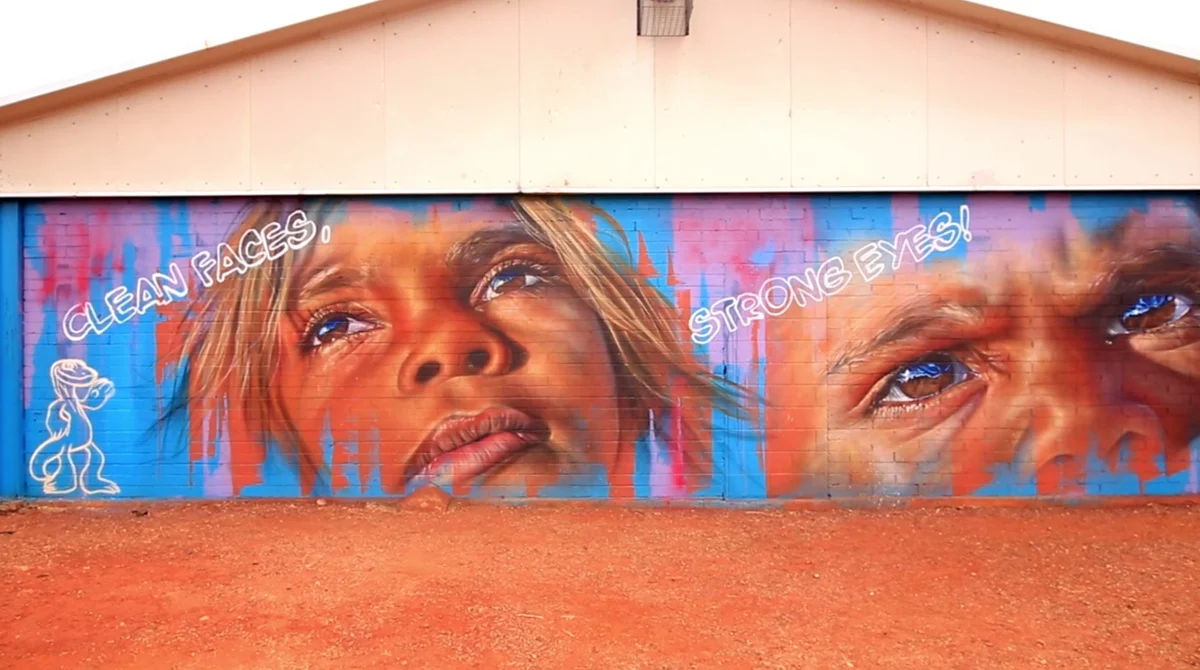
The World Health Organization (WHO) has officially validated Australia for having eliminated trachoma as a public health problem, marking a monumental achievement in the nation’s public health history and a significant victory for global efforts to eradicate neglected tropical diseases (NTDs). This milestone is particularly poignant as it addresses a long-standing health inequity affecting Aboriginal and Torres Strait Islander communities. Trachoma, an infectious eye disease that has been the world’s leading cause of preventable blindness for centuries, no longer represents a public health threat on the Australian continent.
Australia now joins a prestigious and growing list of nations that have successfully dismantled the transmission of trachoma, aligning with the ambitious targets set forth in the WHO’s 2021–2030 roadmap for neglected tropical diseases. The validation serves as a testament to decades of bipartisan political commitment, sustained financial investment, and, most importantly, the leadership of Indigenous health organizations that spearheaded the movement toward elimination.
Understanding the Burden of Trachoma
Trachoma is a neglected tropical disease caused by infection with the bacterium Chlamydia trachomatis. The infection is highly contagious and spreads through direct contact with eye and nose discharge from infected individuals, as well as through contact with contaminated surfaces such as towels or clothing. In many regions, eye-seeking flies also act as vectors for the bacteria.
The disease typically begins in childhood, often presenting as mild conjunctivitis. However, repeated infections over many years lead to a condition known as trachomatous trichiasis. In this advanced stage, scarring of the inner eyelid causes the eyelashes to turn inward, scratching the cornea with every blink. This process is excruciatingly painful and, if left surgically untreated, leads to irreversible corneal opacification and total blindness.
Globally, trachoma remains a significant challenge, with millions of people at risk in some of the world’s most impoverished settings. Australia’s success is unique because it was the only high-income country where the disease remained endemic, specifically within remote Indigenous populations, highlighting the stark disparities in health outcomes that the nation has worked for decades to bridge.
A Decades-Long Journey Toward Elimination
The path to elimination in Australia has been a long and arduous one. While trachoma disappeared from the broader Australian population in the early to mid-20th century due to improvements in general living standards, it persisted in remote Aboriginal and Torres Strait Islander communities. The persistence of the disease was largely attributed to overcrowded housing, limited access to clean water, and inadequate sanitation facilities—the "social determinants of health" that allow the bacteria to thrive.
The modern effort to tackle the disease gained significant momentum in the 1970s, led by the pioneering work of ophthalmologist Professor Fred Hollows. His National Trachoma and Eye Health Program conducted a massive screening and treatment campaign across remote Australia, bringing national attention to the crisis. However, it was the formalization of the National Trachoma Management Programme in 2006 that provided the sustained, structured approach required for elimination.
Over the last 18 years, the Australian government, in collaboration with state and territory health departments and Aboriginal Community Controlled Health Organisations (ACCHOs), intensified its efforts. This period saw a shift from sporadic interventions to a systematic, data-driven strategy that integrated clinical treatment with environmental improvements.
The SAFE Strategy: The Blueprint for Success
Australia’s success was built upon the WHO-recommended SAFE strategy, an acronym for a comprehensive four-pillar approach:
- S – Surgery: Providing surgical interventions for individuals suffering from trichiasis to prevent the onset of blindness.
- A – Antibiotics: The distribution of antibiotics (typically azithromycin) to treat active infections within communities.
- F – Facial Cleanliness: Educational programs promoting hygiene practices to reduce the transmission of the bacteria among children.
- E – Environmental Improvement: Enhancing access to clean water, improving sanitation, and maintaining "health hardware" (such as functioning showers and sinks) in remote households.
Australia’s implementation of the SAFE strategy was distinguished by its focus on community-led solutions. Rather than relying solely on mass drug administration—a common practice in many endemic countries—Australia utilized a more targeted approach. Health workers conducted regular screenings in at-risk communities, and treatment was administered based on specific prevalence data. This ensured that resources were directed where they were most needed and allowed for a more nuanced understanding of the disease’s movement through different regions.
Technical Benchmarks and Supporting Data
The WHO’s validation of trachoma elimination is not merely a symbolic gesture; it is based on rigorous technical criteria. To be validated, a country must demonstrate three key achievements:
- A prevalence of trachomatous trichiasis (TT) "unknown to the health system" of less than 0.2% in adults aged 15 years and older.
- A prevalence of active trachoma (trachomatous inflammation—follicular, or TF) in children aged 1–9 years of less than 5% in every formerly endemic district.
- The existence of a robust surveillance system capable of identifying and managing new cases of trichiasis.
In Australia, the data reflects a dramatic decline. In the early 2000s, some remote communities reported active trachoma prevalence rates as high as 15% to 20% among children. By the time of validation, these rates had plummeted to well below the 5% threshold nationwide. This decline was mirrored by a significant reduction in the backlog of patients requiring trichiasis surgery, as screening programs became more effective at catching the disease in its earlier stages.
Leadership and Official Responses
The announcement has been met with widespread acclaim from both international health leaders and Australian officials. Dr. Tedros Adhanom Ghebreyesus, WHO Director-General, praised the nation’s persistence.
"WHO congratulates Australia on this important achievement," Dr. Tedros stated. "This success reflects sustained commitment, strong partnerships, and a focus on reaching populations most affected by health inequities. It brings us closer to a world free from the suffering caused by trachoma."
Domestically, the achievement is being hailed as a milestone for Indigenous health. Mark Butler, Australia’s Minister for Health and Ageing, emphasized the role of community leadership.
"Elimination of trachoma is a win for the eye health of communities across Australia, particularly those whose lives have been impacted by a disease that is entirely preventable," Butler said. "This major milestone is thanks to Aboriginal and Torres Strait Islander leadership, community commitment, and sustained investment over many decades."
Malarndirri McCarthy, Minister for Indigenous Australians, also highlighted the cultural importance of the delivery of care. She noted that the work of local health workers in remote First Nations communities was "critical" to ensuring that interventions were culturally safe and widely accepted by the population.
Broader Implications for Neglected Tropical Diseases
Australia’s validation is a significant boost for the global fight against NTDs. Trachoma is one of 21 diseases and disease groups categorized by the WHO as NTDs, which collectively affect more than 1 billion people worldwide. Australia is now the 63rd country globally and the 16th in the Western Pacific Region to have eliminated at least one NTD.
This success provides a roadmap for addressing other endemic NTDs within Australia and the region. Diseases such as scabies, leprosy, and Buruli ulcer remain present in certain Australian populations. The infrastructure and partnerships developed to combat trachoma—particularly the collaboration between government and Aboriginal Community Controlled Health Organisations—are expected to be leveraged to tackle these remaining health challenges.
Dr. Saia Ma’u Piukala, WHO Regional Director for the Western Pacific, reflected on the regional significance of the news. "Tackling neglected tropical diseases in the Western Pacific Region has long been a challenge for countries across the socioeconomic spectrum, given the complexities in reaching the most vulnerable communities," he said. "I commend Australia on eliminating trachoma as a public health problem and urge all involved to remain vigilant to ensure this status is maintained."
Sustaining the Progress and Looking Ahead
While the validation of elimination is a cause for celebration, public health experts warn against complacency. The status of "eliminated as a public health problem" does not mean the bacteria has been entirely eradicated from the environment. Continued surveillance is essential to prevent a resurgence of the disease.
The Australian government has committed to maintaining its screening and environmental health programs to ensure that the prevalence of trachoma remains below the threshold. The lessons learned from the trachoma campaign—specifically the importance of improving housing and sanitation—will remain central to broader efforts to close the gap in life expectancy and health outcomes between Indigenous and non-Indigenous Australians.
As the global community looks toward the 2030 target for the global elimination of trachoma, Australia stands as a beacon of what can be achieved through political will, community empowerment, and a relentless focus on health equity. The elimination of the world’s leading infectious cause of blindness in Australia is more than just a medical victory; it is a profound step toward social justice for the nation’s First Peoples.
