
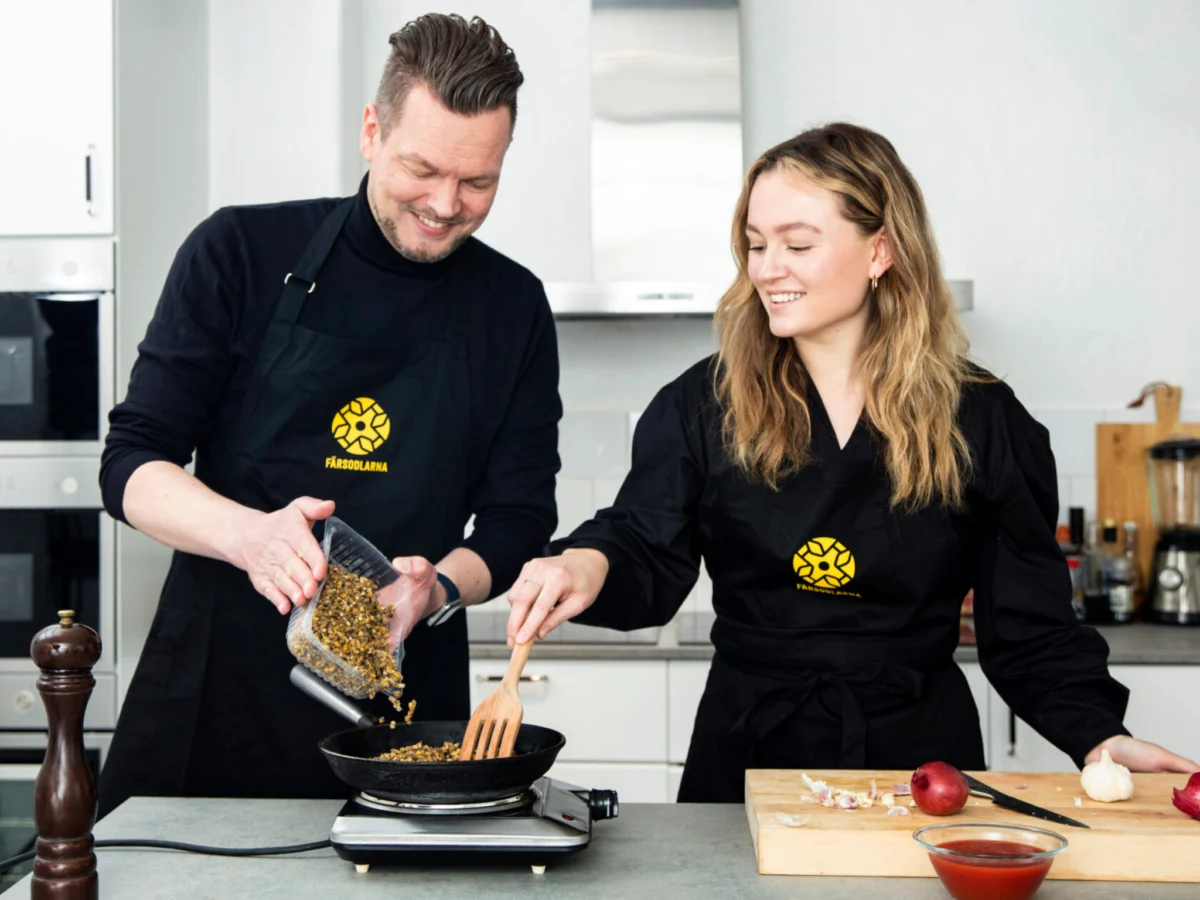
Kale Foods, a prominent Swedish distributor in the burgeoning plant-based food sector, has officially acquired the Fårsodlarna brand, a recognized name in plant-based meat alternatives. This strategic acquisition, facilitated by investment company Novax, marks a significant move by Kale Foods to expand its market presence and solidify its position within Sweden’s evolving food landscape. The deal, which took effect immediately, signifies a shared vision for growth and innovation in the rapidly expanding alternative protein market.
Kale Foods, operating as the distribution arm of Kale United, a Swedish agrifood tech investor, views this acquisition as a pivotal step in its long-term strategy. The integration of Fårsodlarna’s brand and retail operations is expected to leverage Kale Foods’ established infrastructure and extensive network to propel Fårsodlarna into its next phase of development. Oddgeir Hole, CEO of Fårsodlarna, expressed confidence in the partnership, stating, "Kale Foods is the perfect buyer to manage and further develop Fårsodlarna. They have the right infrastructure, passion, and ecosystem required to take the brand to the next level." This sentiment underscores the synergistic potential envisioned by both entities.
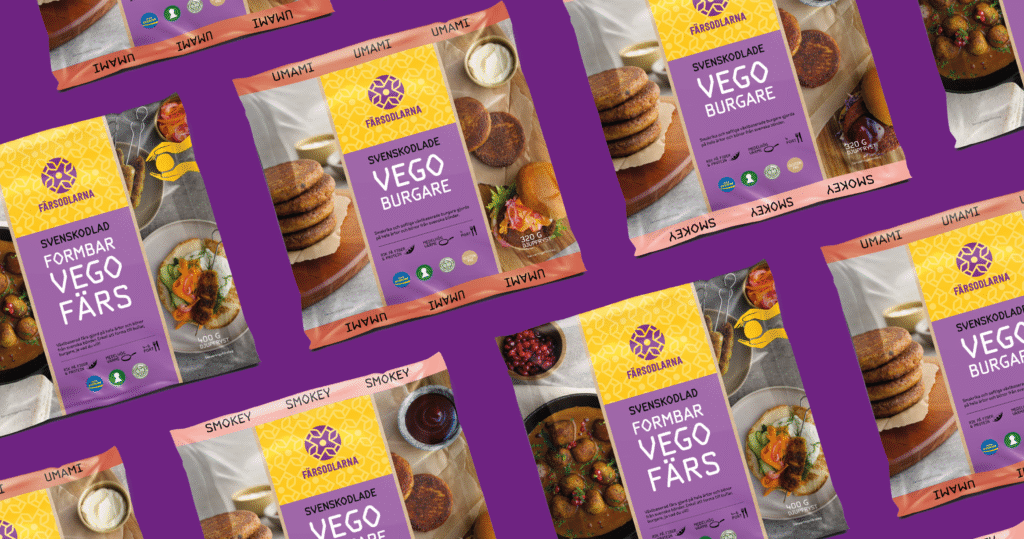
Fårsodlarna, established in 2020, has carved out a niche by producing clean-label meat alternatives primarily from Swedish-grown crops. Its product portfolio includes a diverse range of offerings such as plant-based mince, meatballs, burgers, and kebabs, all formulated using ingredients like sweet lupin beans, grey peas, field beans, and rapeseed. The brand’s commitment to utilizing local, sustainable protein sources resonates with the growing consumer demand for transparency and environmental responsibility in food production. Fårsodlarna’s products are currently available across both retail supermarkets and foodservice establishments, indicating a well-established market penetration. "We are incredibly proud of the journey we have made with Fårsodlarna and how we have managed to put Swedish-grown proteins on the map," added Hole, reflecting on the brand’s accomplishments under Novax’s stewardship.
The acquisition by Kale Foods occurs against a backdrop of significant shifts in Swedish dietary habits. Data from the Swedish Board of Agriculture indicates a steady decline in meat consumption. In 2025, meat intake per capita reportedly fell by 1%, with chicken consumption experiencing a more pronounced decrease of nearly 3%. This trend is closely aligned with evolving dietary recommendations and a growing awareness of the environmental impact of food choices.
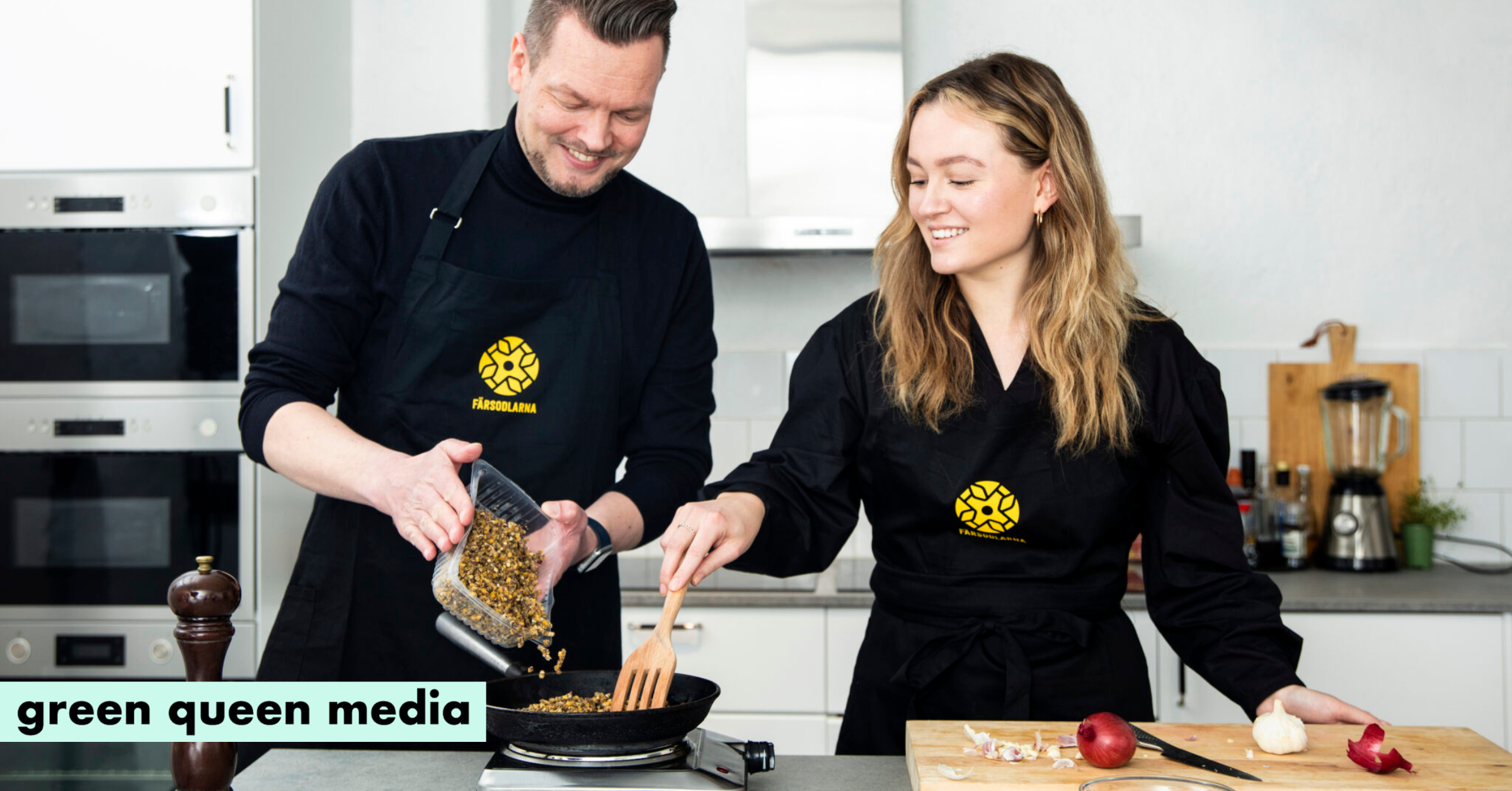
A landmark update to Sweden’s dietary guidelines, released in the preceding year, explicitly integrated sustainability considerations. The National Food Agency emphasized the importance of increasing the consumption of plant-based whole foods. This recommendation was further substantiated by a 2025 study conducted by Swedish researchers. Analyzing the dietary patterns of over 26,000 participants, the study found a direct correlation between climate-friendly diets and a reduced intake of animal-sourced foods. Diets characterized by lower consumption of animal products exhibited significantly lower environmental footprints, specifically in terms of emissions, land use, and freshwater consumption.
Further reinforcing this dietary shift, recent polling across the Nordic region highlights a growing consumer consciousness regarding meat consumption. Approximately 21% of consumers reported reducing their meat intake, with 14% identifying cutting back on meat as one of the most effective climate actions they can undertake. This sentiment is also supported by research published in 2024, which revealed that Swedish diets rich in plant-based alternatives were associated with substantial reductions in environmental impact, including 30-52% lower emissions, 20-45% less land use, and 14-27% reduced freshwater consumption. These statistics underscore a robust and growing market opportunity for plant-based food companies.
Kale United’s Consolidation Strategy in the Future Food Sector
For Kale Foods and its parent company, Kale United, the acquisition of Fårsodlarna is more than just a brand acquisition; it is a strategic maneuver designed to consolidate the Nordic plant-based food market. Kale United has been actively pursuing a strategy of building a comprehensive platform of premium plant-based brands through targeted mergers and acquisitions. The integration of Fårsodlarna’s sales and retail operations is set to commence immediately, aligning with this overarching M&A roadmap.
Conny Swahn, CEO of Kale Foods, articulated the strategic importance of this acquisition: "This acquisition is a direct continuation of our outlined M&A strategy. By adding Fårsodlarna to the Kale Foods family, we not only broaden our retail offering, but we also create clear synergies in distribution, marketing, and sales. We see enormous potential in further scaling up Fårsodlarna’s fantastic products." This statement indicates a focus on leveraging existing operational strengths to enhance the market reach and commercial success of the acquired brand.
Kale United’s investment portfolio already includes a number of established Swedish plant-based brands, such as Lily & Hanna’s, Astrid & Aporna, and VegMe. Beyond its distribution and brand ownership interests within Sweden, Kale United is also a significant investor in leading global alternative protein startups. These include prominent names like Impossible Foods, Eat Just, Heura Foods, Livekindly Collective, This, and Opalia, signaling a broad and deep commitment to the future of food technology and sustainable protein sources.
Market Dynamics and Industry Consolidation
The acquisition of Fårsodlarna by Kale Foods is emblematic of a broader trend towards consolidation within the alternative protein sector. Since September 2024, the future food industry has witnessed a significant wave of M&A activity. Reports indicate that over 70 alternative protein firms have either merged, been acquired, or faced insolvency and closure. This dynamic market environment reflects a period of maturation and rationalization, where established players are seeking to strengthen their market positions through strategic acquisitions.
Within Sweden specifically, this trend is observable. Last year saw the cessation of operations for potato milk maker Dug Foodtech and the alternative seafood startup Hooked Foods. In another instance of market restructuring, vegan cheesemaker Stockeld Dreamery underwent a significant operational shift. Its technology and equipment were sold to PlanetDairy, while its brand was acquired by Bettani Farms, following the company’s decision to close its operations due to funding challenges. These events highlight the competitive pressures and the critical need for robust financial backing and strategic partnerships for emerging food technology companies.
The Fårsodlarna acquisition by Kale Foods represents a positive development for the brand and the broader Swedish plant-based market. It signals continued investment and growth in a sector that is increasingly aligned with consumer preferences for healthier, more sustainable food options. The consolidation of brands under strong distributors like Kale Foods is likely to lead to greater market efficiency, expanded product availability, and potentially accelerated innovation in the plant-based food space. The success of this integration will be closely watched as a barometer for the health and trajectory of the Nordic alternative protein industry.
