
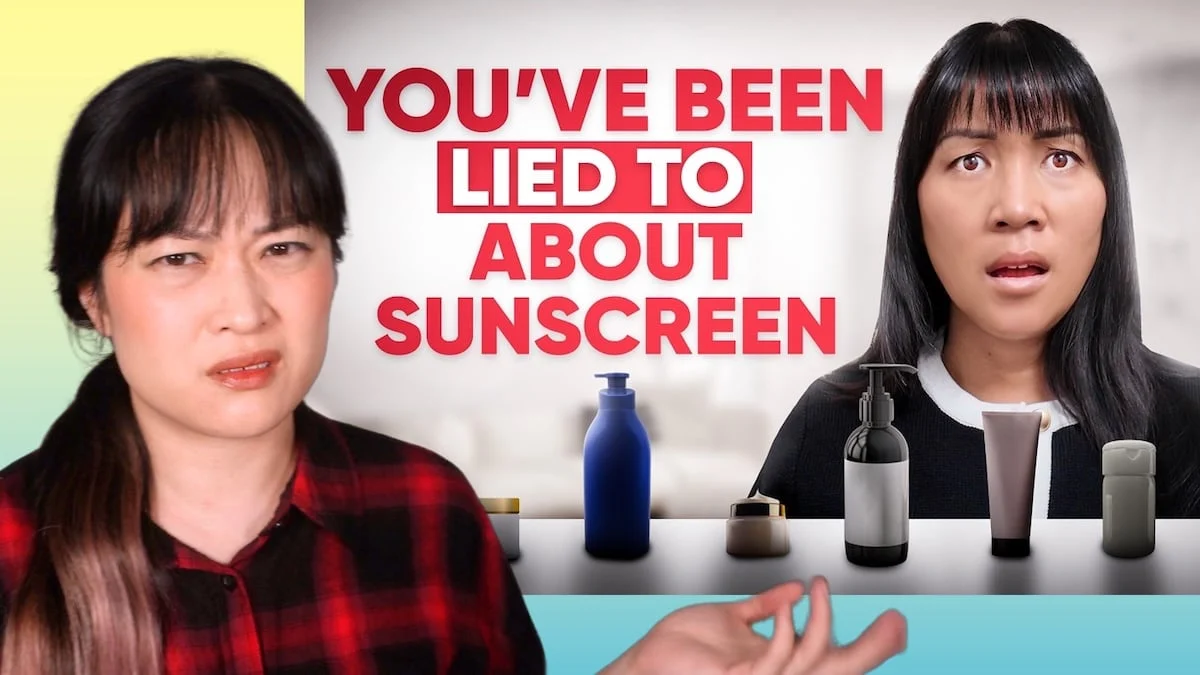
A persistent myth claiming that retinyl palmitate, a common vitamin A derivative found in sunscreens, increases the risk of skin cancer has been widely debunked by leading scientific experts. This assertion, frequently promoted by influential "clean beauty" organizations such as the Environmental Working Group (EWG) in their annual sunscreen guides, recently gained renewed traction following a viral video by toxicologist Dr. Yvonne Burkart. However, a comprehensive rebuttal, spearheaded by cosmetic chemist Michelle Wong of Lab Muffin Beauty Science and toxicologist Mohammed Kanadil of MoSkinLab, decisively refutes these claims, emphasizing the ingredient’s safety based on extensive scientific review and regulatory consensus.
The controversy surrounding retinyl palmitate resurfaced with Dr. Burkart’s video, titled "You’ve been lied to about sunscreen: Toxicologist reveals 6 things you should know about sunscreen," where she listed the potential carcinogenicity of retinyl palmitate as her primary concern. In response, Wong and Kanadil, whose collaborative work was further peer-reviewed by experienced toxicologists Dr. Norbert Kaminski and Dr. Lyle Burgoon, have systematically addressed and dismantled the arguments suggesting harm. Their detailed analysis, presented both in video and article format, highlights a critical distinction between preliminary research findings and established scientific consensus, particularly in the realm of cosmetic safety.
The Allegation: Retinyl Palmitate as a Photocarcinogen
Dr. Burkart’s claims mirror those often cited by clean beauty advocates. She stated, "Some [sunscreen] ingredients can actually promote skin cancer. This one is really shocking because that’s the exact opposite of what sunscreen is supposed to do. Retinyl palmitate is a synthetic form of vitamin A that’s often added to sunscreens for its so-called anti-aging benefit. You’ll see it often promoted as helping to reduce wrinkles or even to improve the texture of your skin."
Her central argument revolved around the ingredient’s purported instability under sunlight: "But here is what is most shocking. When exposed to sunlight, retinyl palmitate becomes highly unstable, breaks down into free radicals, which are extremely reactive. These free radicals damage DNA and lipids, as well as proteins, accelerate skin aging and may even increase the risk of tumor formation over time. In fact, studies show that retinyl palmitate when applied to the skin and exposed to sunlight generates reactive oxygen species or ROS and lipid peroxides, two well-established drivers of oxidative stress and photocarcinogenesis, which is the formation of cancer in response to sunlight."
These statements, particularly the phrase "when applied to the skin," create an impression that direct evidence of skin cancer promotion in humans or human skin exists. However, as Wong and Kanadil elucidate, the evidence cited is far more nuanced and considerably weaker than such strong assertions imply.
Deconstructing the Evidence: The Limitations of Early Research
The scientific arguments against retinyl palmitate typically stem from three main categories of studies, each with significant limitations when extrapolated to real-world human use:
-
In vitro experiments: These are "test tube" studies where retinyl palmitate, when exposed to UV radiation, has been shown to break down and form reactive oxygen species (ROS). ROS are indeed known to damage cellular structures, including DNA, contributing to oxidative stress—a pathway implicated in skin cancer development. However, the crucial flaw in relying solely on these studies is their artificial environment. In vitro experiments isolate chemicals, removing them from the complex biological matrix of human skin. Human skin is replete with natural antioxidants and intricate biochemical pathways that can neutralize ROS, meaning retinyl palmitate’s behavior in isolation does not accurately reflect its activity within the skin. In fact, in a complex environment, retinyl palmitate, itself an antioxidant, is more likely to contribute to overall antioxidant defense.
-
Cell studies: Research involving cells grown in petri dishes has indicated that when these cells are exposed to UV light, the addition of retinyl palmitate can lead to an increase in mutations. While cellular mutations are a precursor to cancer, these studies suffer from similar limitations as in vitro experiments. Cells in a dish are not equivalent to a living, multi-layered organ like human skin. They lack the protective barriers, repair mechanisms, and systemic regulation present in the human body, making direct translation of these findings to human risk highly problematic.
-
Animal studies: Dr. Burkart specifically referenced a particular animal study conducted by the National Toxicology Program (NTP) in 2012. She stated, "What’s even more concerning is that animal studies conducted by the National Toxicology Program found that mice whose skin was treated with retinyl palmitate and exposed to sunlight (simulated sunlight) developed significantly more skin tumors than those animals who were not exposed to the same ingredient, but still had the simulated sunlight. But yet somehow this ingredient is still included in countless mainstream products, including sunscreens, which are marketed for daily use."
While these results appear concerning at first glance, a deeper dive into the methodology and broader context of the NTP study reveals critical distinctions.
The Hairless Mouse Conundrum: Analyzing the NTP Study
The NTP study, which investigated the photocarcinogenesis of retinoic acid and retinyl palmitate in SKH-1 mice, is frequently cited but often misinterpreted. Hairless mice are specifically chosen for such studies because of their extreme sensitivity to UV radiation, which allows for the rapid development of tumors and clear results within a shorter timeframe. This sensitivity, however, means their skin physiology differs significantly from human skin.
Human skin possesses robust natural defenses against UV radiation, including a thicker stratum corneum, different melanin distribution, and a more comprehensive antioxidant system. These adaptations make human skin far more resilient to sun damage than the deliberately sensitized skin of hairless mice. Therefore, a substance that might exacerbate UV sensitivity in a hairless mouse model does not automatically translate to the same effect in humans. In the context of human skin, retinoids, including retinyl palmitate, are actually known for their photoprotective and repair capabilities.
Furthermore, the NTP study itself presented anomalous findings that cast doubt on retinyl palmitate as the sole or primary driver of increased tumor formation. Notably, higher doses of UV radiation paradoxically led to fewer tumors in some groups, a result inconsistent with typical photocarcinogenesis. More tellingly, the cream without retinyl palmitate also caused an increase in tumors compared to untreated controls. This peculiar outcome strongly suggests the presence of another factor in the cream’s base formulation contributing to the observed effects.
Experts point to diisopropyl adipate, an ingredient in the cream’s base, as a potential confounder. Diisopropyl adipate has been shown to cause increased UV sensitivity in hairless mice. Crucially, when tested on human skin, this effect was not observed. This highlights the inherent dangers of extrapolating animal study results to human risk without careful consideration of species-specific differences and confounding variables.
The Human Context: Retinoids in Dermatology
Beyond the limitations of in vitro and animal studies, real-world clinical data provides a powerful counter-narrative. Dermatologists have utilized various forms of retinoids (including retinol and tretinoin, to which many of the cellular and animal findings could also apply) for approximately 50 years. Far from promoting skin cancer, these compounds are actively used in the prevention and treatment of certain precancerous lesions and non-melanoma skin cancers. Patients undergoing retinoid therapy are often under close dermatological supervision, and if retinoids were a significant risk factor for skin cancer, a clear pattern would have emerged over decades of widespread clinical use. The absence of such a pattern strongly supports their safety, and even their protective role, in human skin.
Regulatory Scrutiny: The SCCS Verdict
In the complex landscape of cosmetic safety, regulatory bodies play a crucial role in synthesizing scientific evidence and providing authoritative guidance. The European Union’s Scientific Committee on Consumer Safety (SCCS) stands as a prime example of such an institution. Composed of highly experienced scientists, predominantly toxicologists, the SCCS conducts rigorous safety assessments for cosmetic ingredients sold in the EU, often more detailed and stringent than standard peer-reviewed academic papers.
The SCCS has twice reviewed the safety of retinyl palmitate, specifically in sunscreens, in 2016 and again in 2022. Both assessments meticulously evaluated all relevant studies, including the controversial NTP mouse study. Their conclusions have been consistent: retinyl palmitate is safe for use in sunscreens.
Their 2016 opinion, and its reaffirmation in 2022, outlined several key reasons for their verdict:
- The in vitro experiments do not accurately reflect the complex biochemical environment of human skin, which is rich in antioxidants that can mitigate potential oxidative stress.
- The significant physiological differences between hairless mouse skin and human skin render direct extrapolation of animal study results unreliable for human risk assessment.
- Real-world clinical data, spanning decades of dermatological practice, indicates that retinoids are generally protective against skin cancer, not causative.
- Confounding factors in the NTP mouse study, such as the presence of diisopropyl adipate in the cream base, likely contributed to the observed effects rather than retinyl palmitate alone.
It is important to note that while the SCCS affirmed the safety of retinyl palmitate in sunscreens, their 2022 report did recommend restricting overall levels of vitamin A (including retinol, retinyl acetate, and retinyl palmitate) in leave-on cosmetic products. This recommendation was made out of an abundance of caution, considering the potential for topical application to contribute marginally to the total daily vitamin A intake from food and supplements, which can be significant for some individuals. This demonstrates the SCCS’s cautious approach to safety assessments, underscoring that their green light for retinyl palmitate in sunscreens is based on thorough, unbiased evaluation.
The Broader Landscape: Clean Beauty and Misinformation
The ongoing debate surrounding retinyl palmitate highlights a broader challenge in public health and consumer information: the proliferation of misinformation, often fueled by "clean beauty" narratives. While the clean beauty movement purports to champion transparency and safety, it frequently relies on selective interpretation of scientific data, fear-mongering tactics, and an oversimplified "chemical vs. natural" dichotomy. Organizations like the EWG, despite their stated mission, have faced criticism for their methodology and for generating alarm over ingredients that regulatory bodies and mainstream science deem safe.
Such narratives, when amplified through social media and influencer culture, can erode public trust in established scientific institutions and regulatory bodies. They can lead consumers to make choices based on incomplete or distorted information, potentially steering them away from effective and safe products, such as sunscreens containing ingredients like retinyl palmitate, which offer genuine benefits without substantiated risks.
Expert Consensus and Consumer Guidance
The collective expert opinion, supported by robust regulatory reviews from entities like the SCCS, unequivocally states that retinyl palmitate in sunscreens does not increase the risk of skin cancer. The initial claims, while appearing alarming, do not withstand rigorous scientific scrutiny when considered within the full context of human physiology, clinical experience, and comprehensive safety assessments.
For consumers seeking reliable information on product safety, the advice is clear: prioritize official reports from recognized regulatory bodies (such as the SCCS in Europe, the FDA in the US, or Health Canada) and peer-reviewed scientific literature from reputable journals. Be wary of secondary sources, including reviews or social media content, that cherry-pick individual studies, omit comprehensive regulatory assessments, or lack transparent expert verification. The absence of such authoritative checks is often a significant "red flag" indicating potential bias or a lack of relevant expertise.
In conclusion, the claim that retinyl palmitate in sunscreens promotes skin cancer is a myth. Based on the current scientific and regulatory consensus, there is no credible evidence to suggest that consumers should avoid sunscreens containing this ingredient. Instead, the focus should remain on consistent and proper use of broad-spectrum sunscreen as a critical component of a comprehensive sun protection strategy.
