

Hyaluronic acid (HA), along with its closely related derivative sodium hyaluronate, stands as a cornerstone ingredient in both the cosmetic and medical industries. This naturally occurring glycosaminoglycan is a vital component found throughout the human body, with its most significant concentration residing within the extracellular matrix—the intricate scaffold that provides structural support and organization to cells, particularly abundant in the skin. Present in both the superficial epidermis and the deeper dermis, HA plays a pivotal role in maintaining skin hydration, facilitating essential metabolic processes, aiding in tissue repair, and offering protective mechanisms against free radical damage and the deleterious effects of ultraviolet (UV) radiation. Its remarkable capacity to bind and retain water is the primary driver of its widespread utility and acclaimed benefits.
The Biochemical Marvel: Understanding Hyaluronic Acid’s Structure and Function
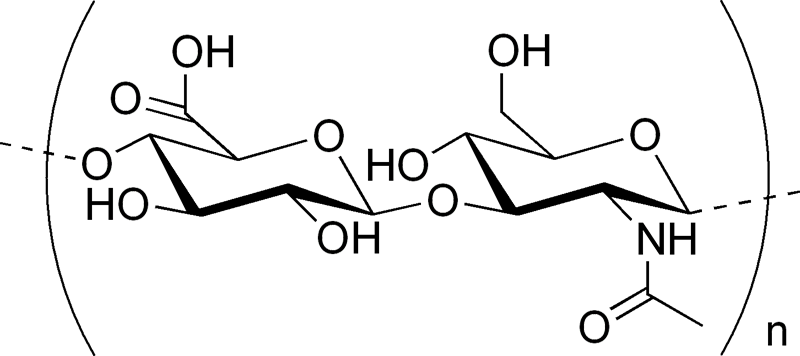
At its core, hyaluronic acid is a linear polysaccharide composed of repeating disaccharide units of D-glucuronic acid and N-acetyl-D-glucosamine. This unique molecular architecture, characterized by numerous hydroxyl groups, imparts a highly polar nature to HA, making it exceptionally hydrophilic. This polarity is the secret to its unparalleled ability to attract and hold vast quantities of water molecules. Historically, it was widely cited that one gram of HA could hold up to six liters of water, a claim that has since been identified as a persistent scientific myth, lacking robust empirical evidence. While the precise ratio remains under scientific scrutiny, its formidable water-binding capacity is indisputable, making it one of nature’s most efficient humectants.
In the skin, HA contributes significantly to its turgor, elasticity, and overall plumpness. For decades, it was widely believed that the visible signs of skin aging, such as thinning and dryness, were directly attributable to a decrease in HA levels. However, contemporary research suggests a more nuanced understanding: while the overall quantity of HA in the skin may not drastically decline with age, its distribution and molecular weight profile undergo significant changes due to both intrinsic (natural) and extrinsic (environmentally induced) aging processes. This redistribution affects its functional efficacy, impacting the skin’s ability to maintain optimal hydration and structural integrity.
A Glimpse into History: The Discovery and Evolution of HA
The journey of hyaluronic acid from a biochemical curiosity to a global industry staple began in 1934. It was then that German biochemist Karl Meyer and his assistant John Palmer first isolated this novel substance from bovine vitreous humor (the jelly-like substance in cow eyes). They named it "hyaluronic acid" from the Greek word "hyalos" (glassy, referring to its transparency) and "uronic acid" (indicating its chemical composition). For several decades following its discovery, HA remained primarily an object of academic interest.
The first significant medical application emerged in the 1960s, with Hungarian ophthalmologist Endre Balazs pioneering its use in eye surgery, particularly in vitreoretinal procedures, due to its viscoelastic properties and biocompatibility. This marked a turning point, demonstrating HA’s potential beyond its hydrating qualities. By the 1980s, HA began to gain traction in orthopedics as a viscosupplementation agent for osteoarthritis, injected directly into joints to improve lubrication and cushion. Its entry into the cosmetic world, initially through injectable fillers, further solidified its status as a revolutionary compound, paving the way for its eventual widespread adoption in topical skincare formulations.
Hyaluronic Acid in Modern Skincare: A Humectant Powerhouse
In the realm of topical skincare, hyaluronic acid is predominantly prized for its exceptional humectant properties. As a humectant, it actively draws moisture from the surrounding environment and the deeper layers of the skin, binding it to the skin’s surface. This influx of hydration plumps up the skin, effectively diminishing the appearance of fine lines and wrinkles associated with dehydration. The result is often a dramatically rejuvenated complexion that appears smoother, firmer, and less fatigued. While glycerin is another widely used and more economical humectant, it can sometimes impart a sticky or heavy sensation. Formulators frequently combine HA with glycerin to achieve a lighter, more elegant feel on the skin without compromising hydration efficacy.
The efficacy of hyaluronic acid in skincare is not monolithic; it is highly dependent on its molecular weight. HA molecules exist across a spectrum of sizes, broadly categorized into high molecular weight (HMW-HA) and low molecular weight (LMW-HA), with "sodium hyaluronate" generally referring to smaller fragments than "hyaluronic acid," though even these categories encompass a range of sizes.
- High Molecular Weight (HMW-HA): These larger molecules typically remain on the skin’s surface, forming a breathable, hydrating film. They act as a protective barrier, reducing transepidermal water loss (TEWL) and offering immediate surface hydration and a smoothing effect.
- Low Molecular Weight (LMW-HA) and Hydrolyzed HA: These smaller fragments are produced by enzymatic or chemical degradation of larger HA molecules. Their reduced size allows for better penetration into the superficial layers of the epidermis. This deeper hydration contributes to improved skin elasticity and internal moisture retention.
The Nuance of LMW-HA: Benefits and Considerations
The discourse surrounding low molecular weight hyaluronic acid often includes discussions about its potential to act as an inflammatory signal. While the term "inflammation" frequently carries negative connotations, it is crucial to recognize that inflammation is a complex biological process that is not inherently detrimental. In fact, controlled inflammatory responses are essential for tissue repair and defense mechanisms. Studies on skin and skin cells have indicated that LMW-HA can indeed modulate cellular responses, potentially enhancing the skin’s intrinsic ability to repair itself, bolstering its defense against microbial invaders, and even aiding in the management of conditions such as seborrheic dermatitis. The scientific community continues to conduct research to fully elucidate the precise effects of various HA molecular weights on normal skin physiology, aiming to optimize formulations for targeted benefits.
Despite the impressive hydrating capabilities of topical HA, it is important to temper expectations regarding its ability to "replenish" the body’s natural HA stores. Even the smallest LMW-HA molecules typically only penetrate into the lower epidermis, not deep enough to significantly impact the dermis where much of the endogenous HA resides. Therefore, while topical HA is an excellent hydrating ingredient that supports optimal skin function, its primary benefits are localized to the superficial skin layers, offering hydration, some anti-inflammatory activity, and antioxidant protection.
Sourcing: From Roosters to Biofermentation
The origin of hyaluronic acid can be a significant consideration for consumers, particularly those with dietary or ethical preferences. Historically, a primary source of HA was animal-derived, specifically from rooster combs—the fleshy, red growth on a chicken’s head. Rooster combs are remarkably rich in HA, containing approximately 15 times more HA than human skin. However, this method of extraction raised ethical concerns for many, especially vegetarians and vegans, and presented scalability challenges.
In response to these concerns and advancements in biotechnology, biofermentation has emerged as the dominant and preferred method for HA production. This process involves cultivating specific strains of bacteria (such as Streptococcus equi) in a nutrient-rich medium. These bacteria naturally produce HA as a byproduct of their metabolic processes. Biofermentation offers a sustainable, highly scalable, and animal-free source of HA, making it suitable for a broader consumer base and aligning with modern ethical and environmental standards. Consumers who adhere to a vegetarian or vegan lifestyle should verify the sourcing of HA in their skincare products to ensure it is bio-fermented.
Beyond Skincare: Diverse Applications of Hyaluronic Acid
Hyaluronic acid’s versatility extends far beyond topical skincare, underscoring its profound significance in various medical and cosmetic fields.
- Injectable Fillers: Perhaps one of HA’s most transformative applications is in cosmetic injectables. Chemically modified, cross-linked HA is the active ingredient in popular dermal fillers like Juvéderm, Restylane, and Voluma. These formulations are designed to be more stable and long-lasting than natural HA, providing volume, smoothing deep wrinkles and folds, contouring facial features, and enhancing lips. The cross-linking process creates a gel-like substance that resists degradation, allowing the filler to persist for several months to over a year. While highly effective, these procedures require administration by qualified medical professionals due to the need for precise placement and understanding of facial anatomy. Macrolane, a controversial HA-based filler, was previously used for larger volume enhancements such as breast and buttock augmentation, but its use has been curtailed in many regions due to safety and efficacy concerns.
- Ophthalmology: Building on its early medical uses, HA continues to be indispensable in ophthalmology. It is used in visco-surgical devices during cataract surgery and corneal transplants to protect delicate eye tissues. Furthermore, HA is a common ingredient in artificial tear formulations and eye drops for dry eye syndrome, providing lubrication and sustained moisture to the ocular surface.
- Orthopedics: In the treatment of osteoarthritis, HA is administered via intra-articular injections (viscosupplementation) to the affected joints, particularly the knee. The aim is to supplement the reduced synovial fluid, improve joint lubrication, reduce pain, and enhance mobility.
- Wound Healing: HA plays a crucial role in the natural wound healing process, facilitating cell migration, proliferation, and tissue remodeling. HA-based dressings and gels are utilized in clinical settings to promote faster and more efficient healing, especially for chronic wounds.
- Drug Delivery: Researchers are exploring HA’s potential as a biocompatible carrier for targeted drug delivery, particularly in cancer therapy, leveraging its specific interactions with cell surface receptors.
- Makeup Primers: In the cosmetics industry, dehydrated hyaluronic acid spheres are incorporated into water-free (anhydrous) makeup primers. Upon application, these dry spheres settle into fine lines and wrinkles. As they come into contact with moisture from the skin and the ambient air, they swell, creating a temporary plumping and smoothing effect that optically blurs imperfections and creates a smoother canvas for makeup.
Oral Supplements: A Question of Efficacy
Despite the widespread availability of hyaluronic acid oral supplements in health and nutrition stores, their demonstrated benefits for skin hydration and anti-aging remain largely unsubstantiated by robust scientific evidence. The primary challenge lies in the digestive process: HA, being a large polysaccharide, is susceptible to degradation by enzymes in the digestive tract. It is highly questionable whether significant amounts of intact or bioactive HA fragments can survive digestion and then be absorbed into the bloodstream in a form that can effectively reach and benefit the skin. While some preliminary studies suggest minor benefits for joint health, conclusive evidence for skin-specific improvements from oral supplementation is currently lacking, making topical applications and medical injections the most reliable routes for HA delivery.
Market Trends and Industry Outlook
The global market for hyaluronic acid continues to expand rapidly, driven by an aging global population, increasing consumer awareness of anti-aging solutions, and ongoing innovations in medical applications. The cosmetic sector, in particular, has seen a surge in HA-infused products, ranging from serums and moisturizers to masks and cleansers. Manufacturers are constantly researching new derivatives and delivery systems, such as acetylated hyaluronic acid (which boasts enhanced moisture retention) and encapsulated forms designed for prolonged release. The emphasis on ethical sourcing and transparent labeling is also growing, as consumers become more discerning about the ingredients in their products.
Expert Perspectives and Broader Implications
Dermatologists universally recognize hyaluronic acid as an excellent humectant and a valuable addition to most skincare routines, particularly for individuals seeking enhanced hydration and a reduction in the appearance of fine lines. However, they consistently stress the importance of understanding its limitations, such as its inability to replenish natural HA stores or act as a standalone anti-aging powerhouse without complementary ingredients like retinoids or antioxidants.
The evolution of hyaluronic acid from a mere scientific discovery to a multi-billion-dollar industry segment has significant implications. For consumers, it underscores the importance of informed decision-making, differentiating between scientifically backed claims and marketing hype. For the skincare industry, it highlights the continuous drive for innovation, sustainable sourcing, and the development of effective, well-tolerated formulations. For scientific research, HA remains a fertile ground for exploration, with ongoing studies into its role in cell signaling, disease mechanisms, and novel therapeutic applications beyond its current uses.
Common Misconceptions and Scientific Scrutiny
One of the most enduring myths about hyaluronic acid, the claim that "1 gram can hold onto 6 liters of water," serves as a prime example of how even well-respected scientific literature can perpetuate unverified "fun facts." This specific claim, widely cited, was eventually traced back to an Int J Toxicol article authored by members of the Cosmetic Ingredient Review panel, which, in hindsight, lacked a primary reference for this extraordinary assertion. This incident underscores the critical importance of scientific skepticism and the need to scrutinize even tangential claims, particularly when they appear as introductory statements rather than core findings. As detailed by Borchers and Pirrung in the Journal of Cosmetic Science, such myths can proliferate, highlighting the need for rigorous verification in scientific communication.
In conclusion, hyaluronic acid stands as a testament to the power of scientific discovery and innovation. From its humble origins as a component of bovine eyes, it has transformed into a cornerstone of modern dermatology, medical treatments, and cosmetic enhancement. Its proven ability to attract and retain moisture makes it an indispensable hydrating agent, while its diverse molecular forms unlock a spectrum of benefits from superficial plumping to deeper tissue repair. As research continues to unravel the complexities of this remarkable molecule, its role in promoting health and beauty is poised to evolve further, cementing its status as a truly multifaceted biological marvel.
