
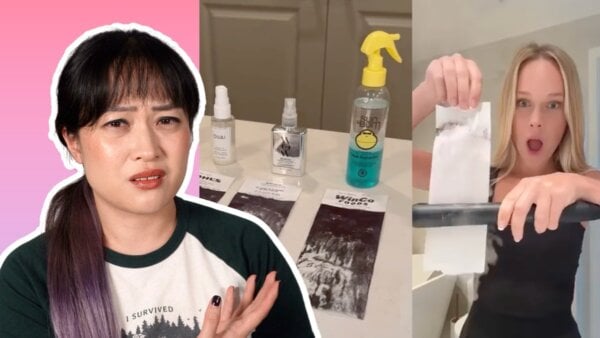
A popular online beauty trend purporting to test the efficacy of heat protectants using thermal paper receipts has been thoroughly debunked by scientific analysis, revealing that the viral method offers no reliable indication of a product’s ability to safeguard hair from thermal damage. Dr. Michelle Wong, a cosmetic chemist behind Lab Muffin Beauty Science, conducted a rigorous investigation that concluded the visual "protection" observed in these tests is primarily due to chemical interactions with the receipt’s thermal ink layer and the cooling effect of residual moisture, rather than genuine heat-protective properties.
The Rise of a Viral Beauty Hack
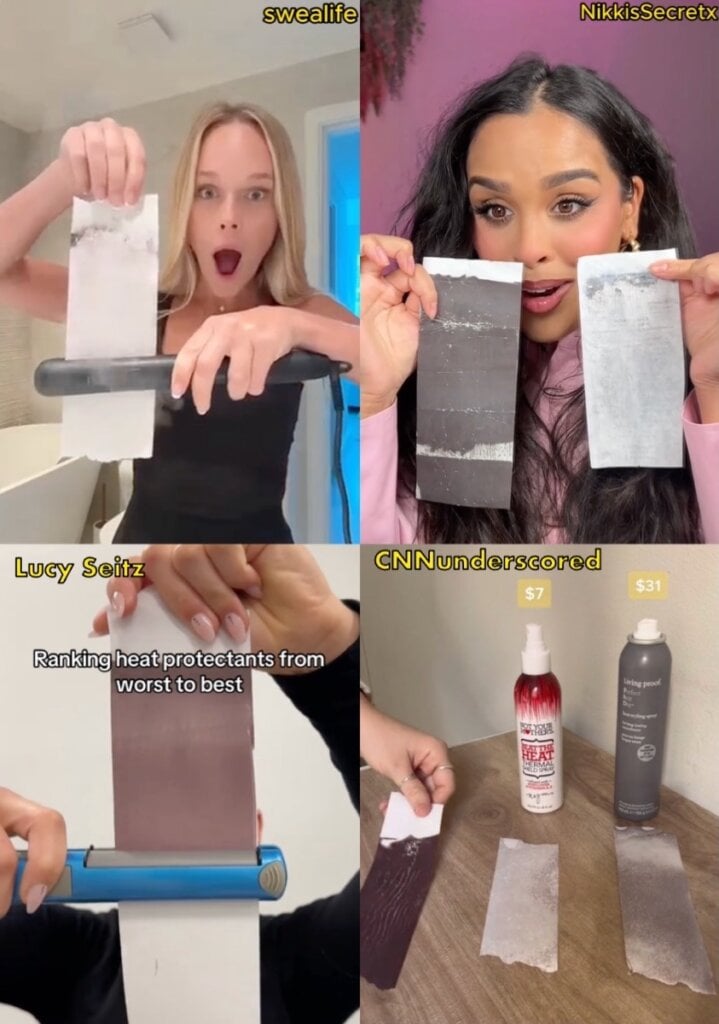
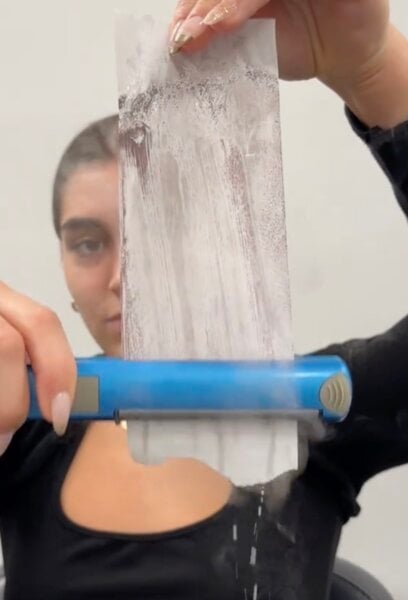
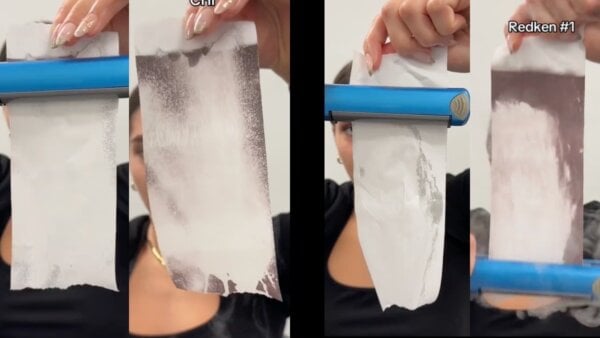
The trend, which gained significant traction on platforms like TikTok, presented a seemingly straightforward way for consumers to evaluate heat protectants at home. The premise was simple: spray a heat protectant onto a thermal paper receipt, then apply a hot flat iron. Since thermal paper darkens upon exposure to heat, proponents of the test argued that receipts remaining white indicated superior heat protection. This visual, immediate feedback resonated with a public eager for quick, accessible product validation in an increasingly complex beauty market. Cosmetologists like Lucy Seitz, who systematically showcased various products using a flat iron at a consistent 340°F (170°C) and included controls, helped popularize the method, lending it an air of credibility.
The appeal of such a "model" test is understandable. In scientific research, models—simplified systems that mimic real-world phenomena—are often used to glean useful information. For instance, medications are tested on animals, and skincare on reconstructed human skin models like EpiSkin. The thermal receipt test seemed to offer a parallel: hair is damaged by heat, and thermal paper reacts to heat. The logical leap was that if the paper stayed white, less heat reached it, implying better protection. However, Dr. Wong’s investigation revealed this analogy to be fundamentally flawed due to critical differences in the underlying mechanisms.
Initial Investigation: Uncontrolled Variables and Early Clues
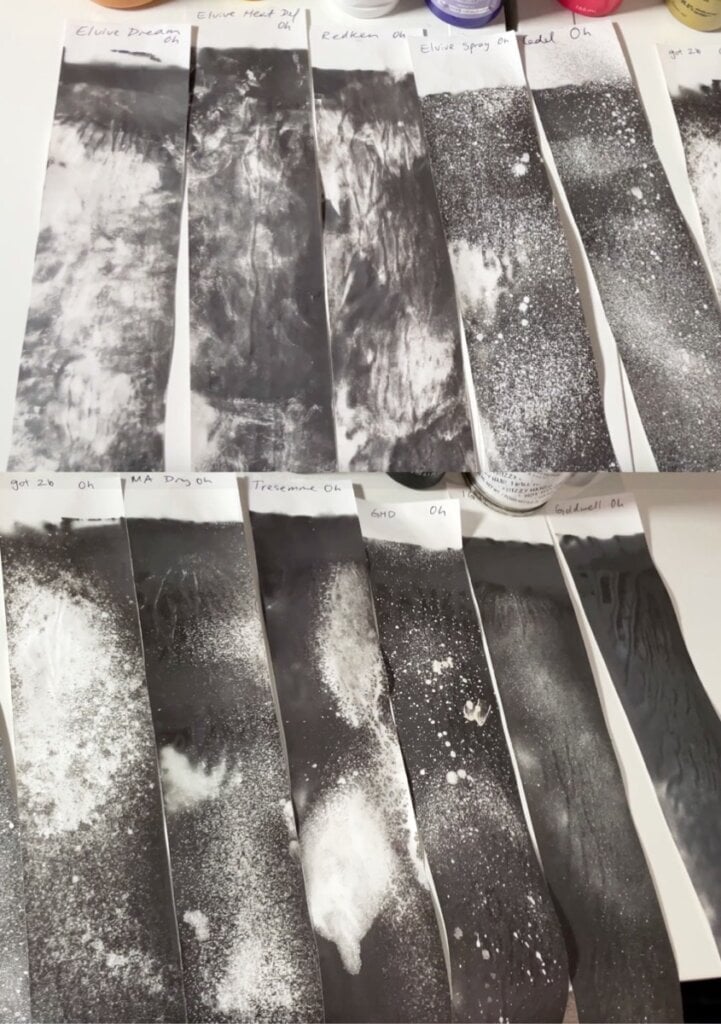
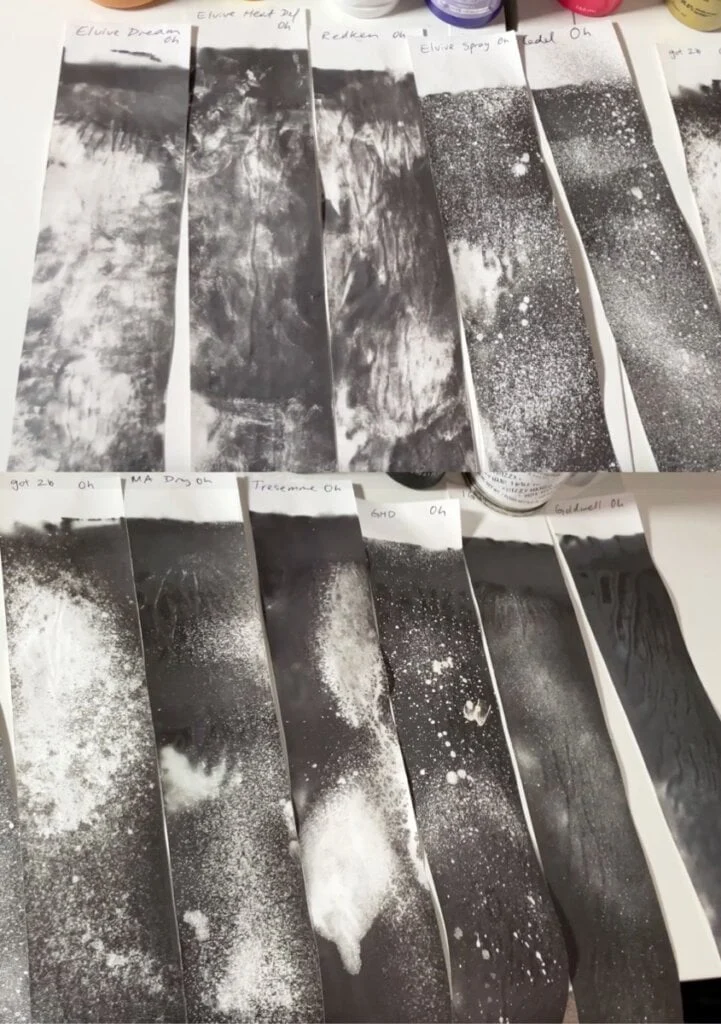
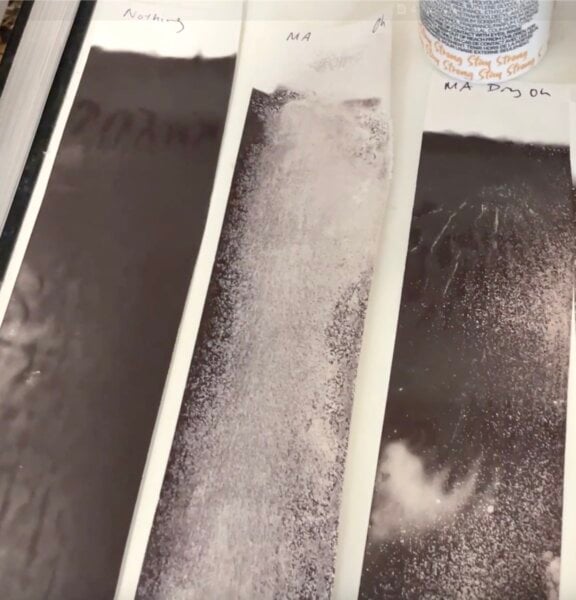
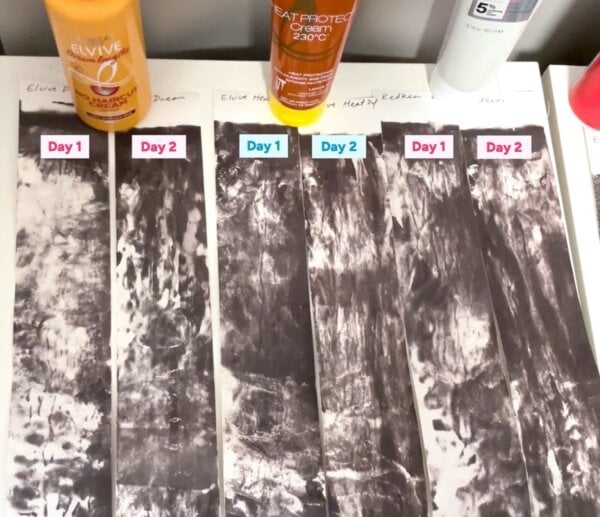
Dr. Wong initiated her investigation by attempting to replicate the viral tests. She gathered 11 products with heat protection claims, encompassing various formulations such as pump sprays, propellant sprays, and creams. Her first attempt using a flat iron set to 170°C (338°F) on a freshly sprayed receipt immediately revealed an issue: the receipt crackled and smoked. This indicated the presence of moisture, leading to an uncontrolled variable.
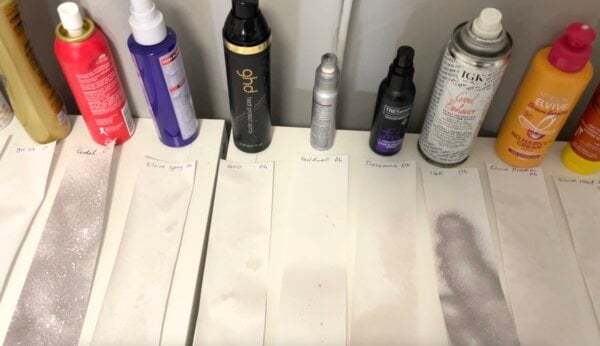
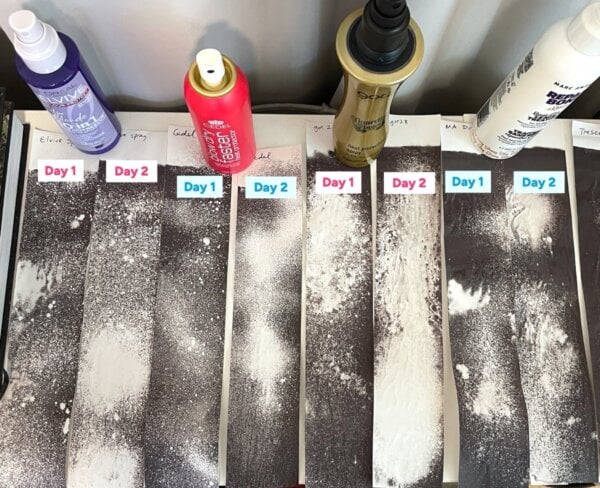
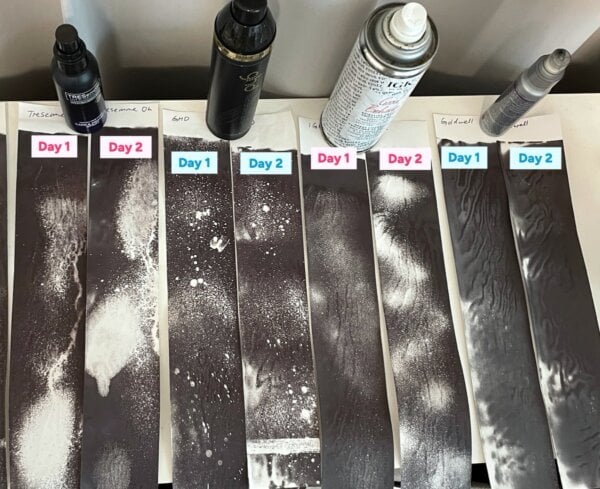
To better mimic typical user application and allow for some drying, she modified her approach, applying products to all receipts and letting them dry for approximately 15 minutes before testing. The results from this initial phase yielded significant observations:
- Drying Time Matters: A receipt tested immediately after spraying was markedly darker than one allowed to dry for 15 minutes, even with the same product. This strongly suggested that residual water played a substantial role in moderating the heat transfer. Water, with its high specific heat capacity and latent heat of vaporization, is an excellent cooling agent. Its evaporation absorbs a considerable amount of thermal energy.
- Product Formulations: Cream-based products generally resulted in lighter receipts than sprays. Creams are typically applied more thickly and contain more water and humectants, leading to greater insulation and slower drying times. Conversely, products with minimal water content high on their ingredient lists (e.g., Goldwell and IGK sprays) produced the darkest results, consistent with less evaporative cooling.
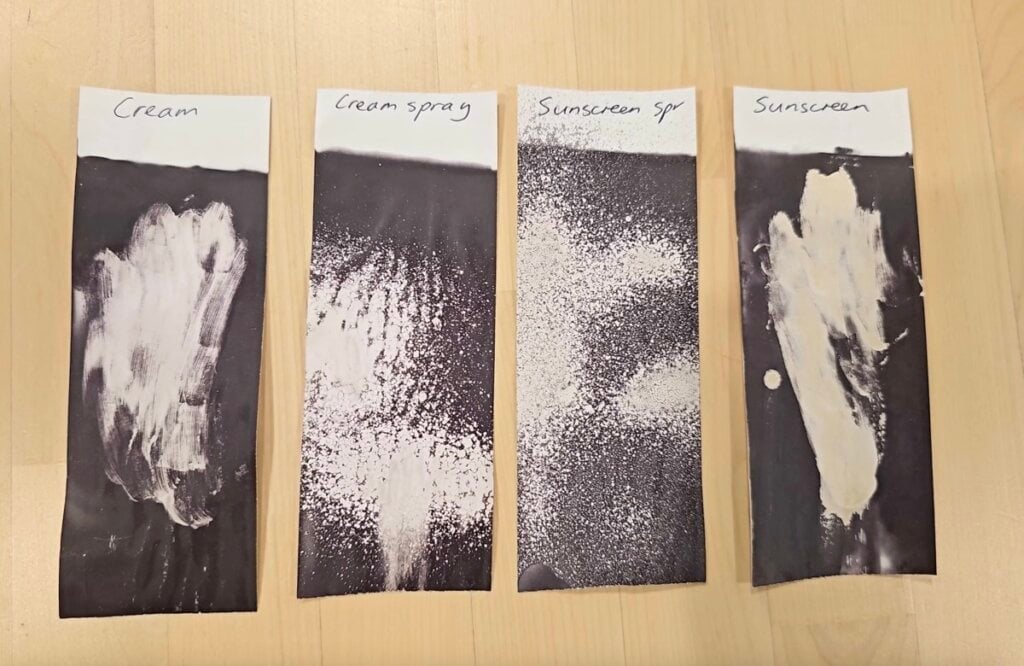
- Unusual Discoloration: Some receipts turned grey immediately upon product application, before any heat was applied. This perplexing observation pointed towards a chemical interaction between the product and the thermal paper, rather than purely a heat-blocking effect.
These initial findings cast doubt on the test’s validity, suggesting that factors other than genuine heat protection were at play.
Delving Deeper: The Role of Moisture and Thermal Paper Chemistry
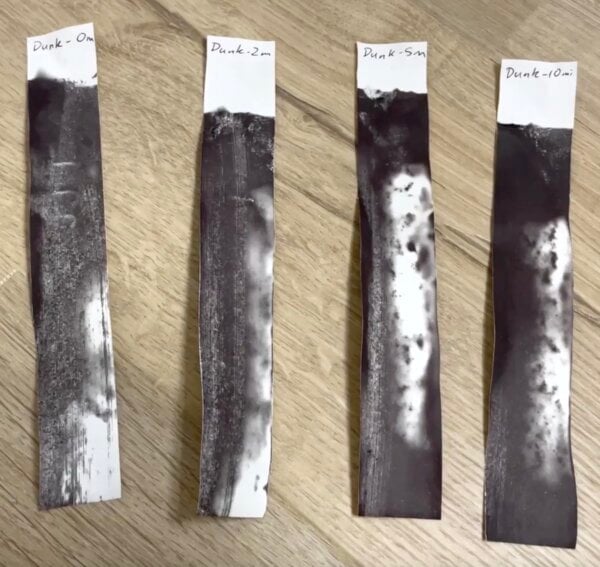
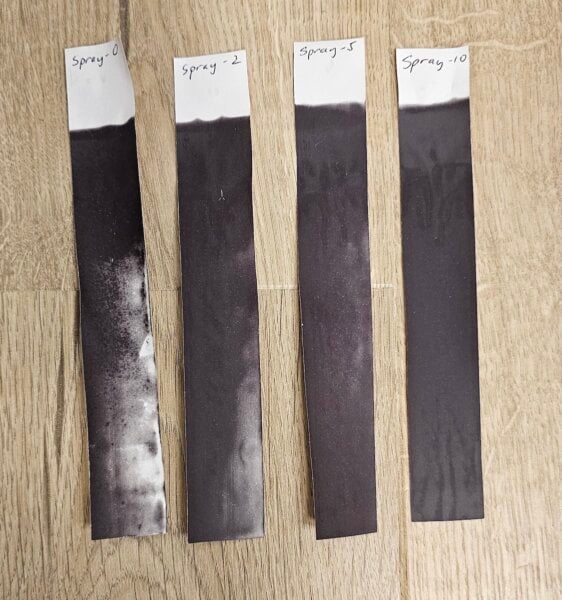
To isolate the effect of water, Dr. Wong conducted dedicated water tests. She dunked and sprayed receipts with plain water, then applied the flat iron after varying drying times (0, 2, 5, and 10 minutes). The results confirmed that water significantly influenced the outcome. Dunked receipts remained white across all tested times, with surprisingly the 0-minute test showing slightly less whiteness, possibly due to insufficient water penetration. Sprayed receipts showed a clear progression: white bits at 0 minutes, grey at 2 minutes, and black by 5 minutes, directly correlating darkness with drying time. This reinforced the hypothesis that water’s cooling effect was a primary driver of the "positive" results in the viral tests. Critically, water is a poor heat protectant for hair; when trapped in hair and rapidly heated, it can explosively evaporate, causing internal damage known as "bubble hair."
A major turning point in the investigation came from researching the actual temperature at which thermal paper reacts. Initial Google searches were misleading, often citing temperatures similar to hair straighteners (150-185°C). However, a more thorough scientific review, particularly a German Wikipedia article referencing a specialized paper, revealed that the melting point of the substances in thermal paper is much lower, typically between 40 to 80°C. Further investigation, referencing thermal paper manufacturing companies, specified that color development begins between 60 to 100°C (140-212°F) and reaches applicable density between 70 and 120°C (158-248°F).
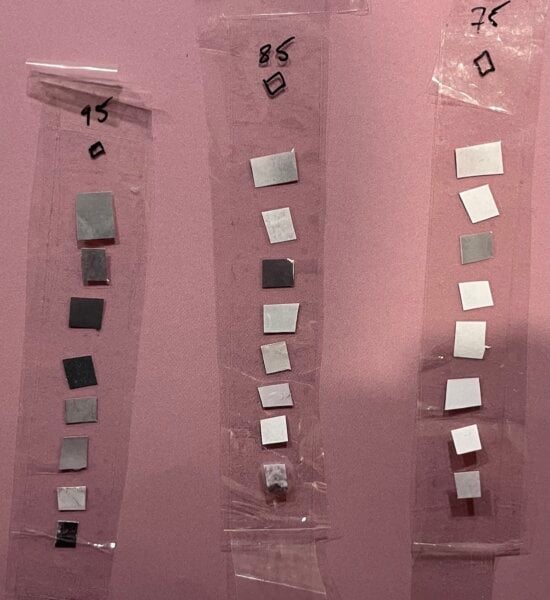
To confirm this, Dr. Wong conducted her own controlled temperature tests, dipping receipts into precisely cooled boiling water. Her findings indicated that most receipts turned black around 95°C. While this temperature range aligns more closely with the threshold for hair damage (which generally begins around 100°C), the initial discrepancy underscored the importance of accurate scientific information. The fact that the paper reacts at such a range, however, still allows for other chemical interactions to override the thermal response.
The Solvent Hypothesis: Unmasking the True Mechanism

The lingering "grey receipts" observation, where discoloration occurred before heating, prompted a crucial shift in hypothesis. Dr. Wong noticed that the products causing this immediate greying were often high in alcohol. This led to her breakthrough: heat protectants that appear to "work" in this test are likely dissolving the ink layer on the receipt.
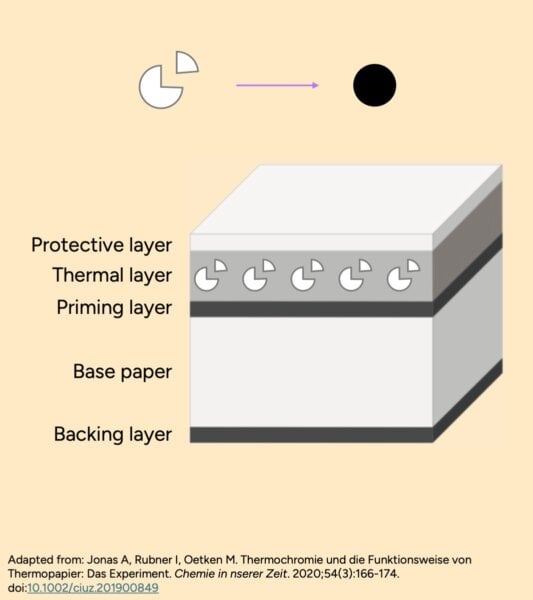
Thermal paper isn’t coated with a visible ink layer. Instead, it features a special coating containing several invisible components: a leuco dye (the color former), a developer (which reacts with the dye), and often sensitizers and binders, all suspended in a solid matrix, sometimes described as a "solvent wax." When heat melts this matrix, the dye and developer mix and react, creating the visible black image. This ink layer is delicate and can be easily disrupted.
Alcohol, being an effective solvent, can dissolve the "solvent wax" matrix, allowing the dye and developer to prematurely mix and form a grey color. If enough alcohol (or other solvents) is present, it can disrupt the layer so thoroughly that the components cannot form a dark, coherent image even when heat is applied. This explains why some products, especially those with high alcohol content or humectants that prolong solvent contact, could keep receipts "white" by literally erasing or preventing the ink from forming correctly.
Dr. Wong’s subsequent experiments provided compelling evidence for this solvent hypothesis:
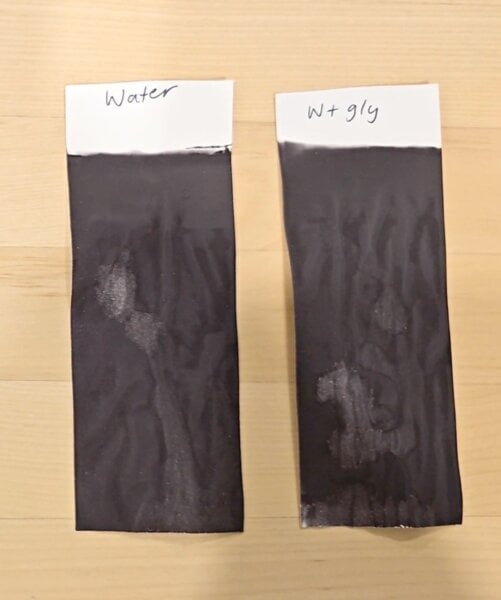
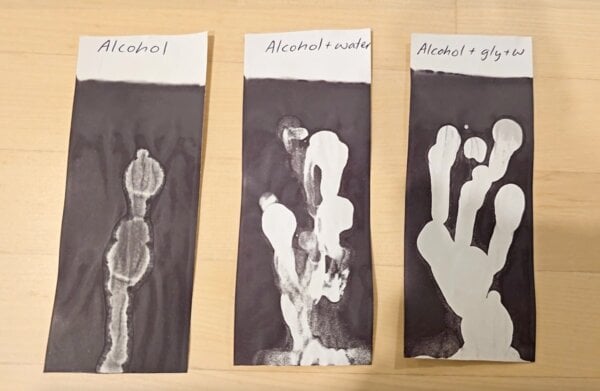
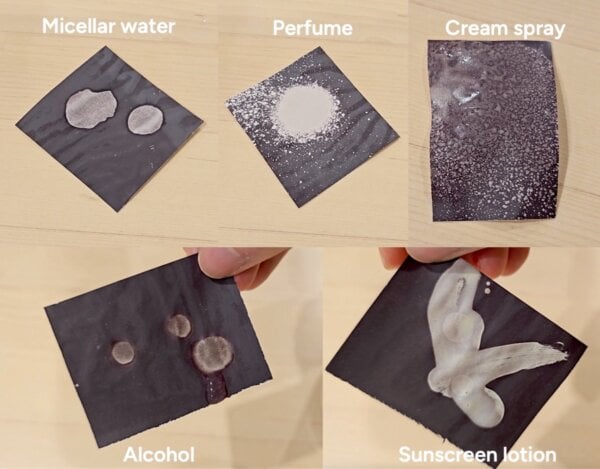
- Alcohol, Water, and Glycerin: Drops of methylated spirits (alcohol), alcohol mixed with water, and alcohol with water and glycerin all kept receipts light after heating (30 minutes drying). Diluted alcohol performed even better than pure alcohol, as the water and glycerin helped the alcohol remain on the receipt longer, increasing its disruptive effect on the ink layer. This also explained why some spray products appeared lighter on Day 2: the prolonged contact allowed more time for the solvents to interact with and disrupt the ink. Conversely, plain water and water with glycerin did not significantly disturb the ink, as thermal inks are typically oily and resistant to water-based dissolution.
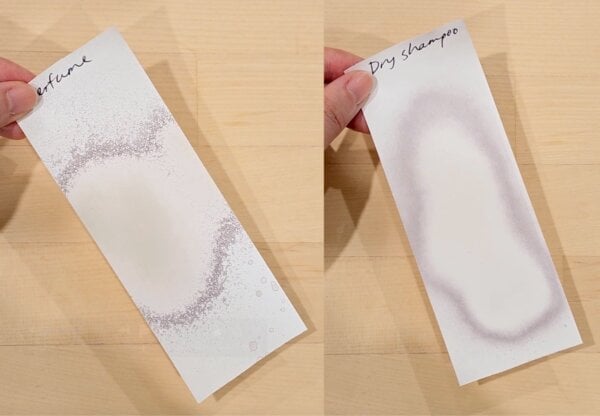
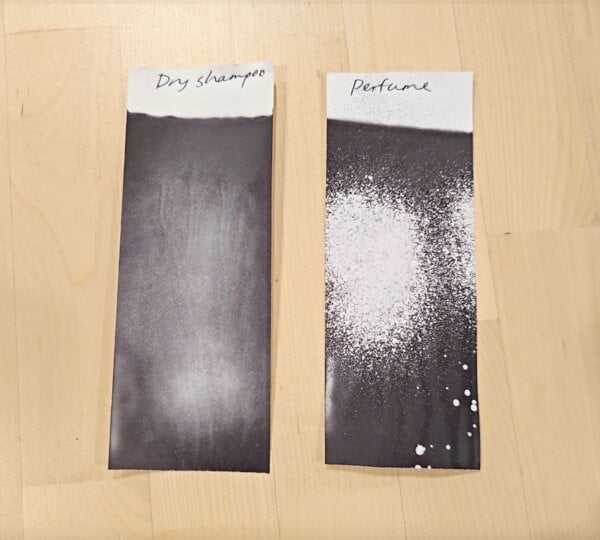
- Other Alcohol-Rich Products: Perfume, which is high in alcohol, immediately turned receipts grey and kept them white after heating. Dry shampoo also caused immediate greying, though it was less effective at keeping the receipt white after heating, likely due to its rapid evaporation and lower humectant content.
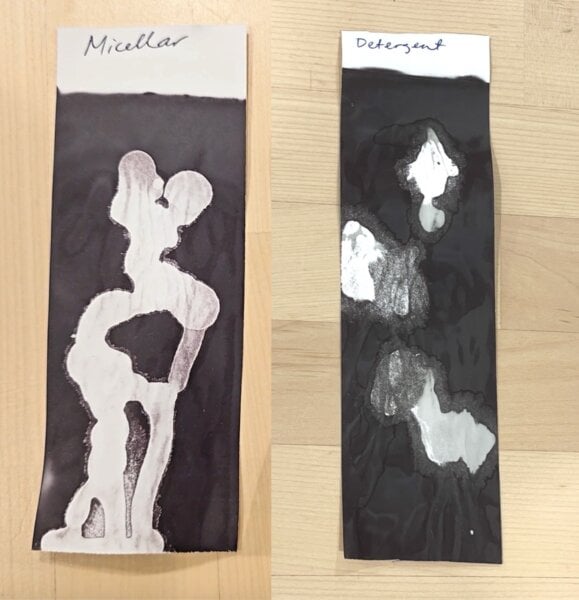
- Surfactants: Many heat protectants that "worked" in the viral tests did not contain high levels of alcohol but did contain surfactants (emulsifiers). Surfactants are also powerful dissolving agents, adept at breaking down oily substances. Tests with micellar water and water with detergent confirmed this; both kept receipts white after application and heating. Moisturizers and cream sprays, rich in emulsifiers, also kept receipts white, with the physical act of rubbing further aiding the disruption of the ink layer.
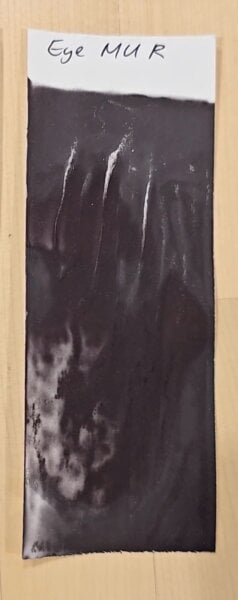
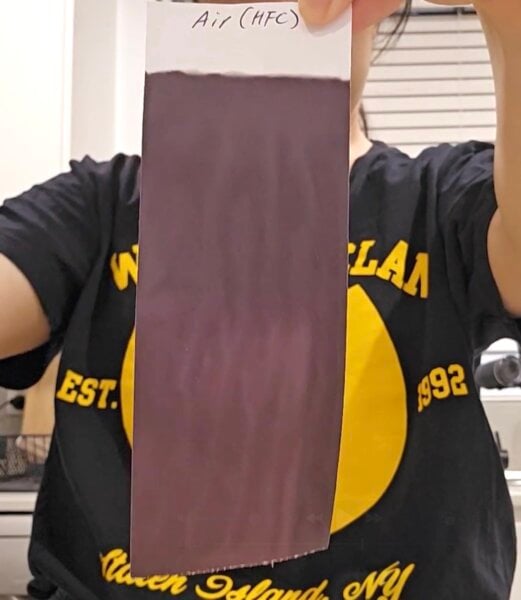
- Volatile Silicones and Propellants: The top silicone layer of a two-phase eye makeup remover (mostly cyclopentasiloxane) had minimal impact on the receipt, likely due to its oily nature and rapid evaporation, explaining why some silicone-based heat protectants "failed" the receipt test. Compressed air (a common propellant like HFC-152a) also showed no effect, ruling out propellants as the primary cause.
- Erasing Existing Ink: To further validate the solvent hypothesis, Dr. Wong demonstrated that alcohol, perfume, sunscreen, micellar water, and moisturizer could erase already darkened thermal ink on a receipt, proving their ability to chemically disrupt the ink layer.
Dispelling the Myth: Why the Test Fails for Hair
The cumulative evidence unequivocally demonstrates that the viral heat protectant receipt test is fundamentally flawed. The observed "protection" is not a measure of a product’s ability to shield hair from heat, but rather a consequence of:
- Chemical Disruption: Solvents (like alcohol) and surfactants (like emulsifiers in creams and cleansers) in beauty products dissolve or disrupt the delicate thermal ink layer on receipts, preventing the heat-activated color change.
- Evaporative Cooling: Residual water, especially in creamier formulations or those applied heavily, evaporates upon heating, absorbing thermal energy and temporarily cooling the receipt. This effect is detrimental to hair, leading to "bubble hair" if styling is done on wet or damp strands.
These mechanisms bear no relevance to how heat protectants function on human hair. Hair, composed primarily of keratin protein, is damaged by excessive heat through protein denaturation, lipid degradation, and cuticle lifting. Effective heat protectants work by:
- Distributing Heat Evenly: Ingredients like silicones (e.g., dimethicone, cyclomethicone) form a smooth, lubricating film on the hair shaft, reducing friction and helping the heat from styling tools spread more evenly, preventing localized "hot spots."
- Reducing Friction and Snagging: The smooth film created by silicones and polymers also allows styling tools to glide more easily, minimizing mechanical damage (snagging, pulling) that can exacerbate heat damage.
- Forming a Protective Barrier: Some polymers and hydrolyzed proteins can form a light barrier that slows down heat transfer slightly or provides a sacrificial layer that absorbs some of the thermal impact.
- Conditioning: By improving the overall condition of the hair, heat protectants can make it more resilient to damage.
Heat protectants are not designed to block heat entirely, as heat is necessary for styling. A product that genuinely "blocked" heat would prevent hair from changing shape.
Broader Implications for Consumers and Science Communication
Dr. Wong’s comprehensive investigation serves as a critical reminder of the importance of scientific literacy and critical thinking in evaluating online trends, especially in the beauty space. Viral "hacks" often offer visually compelling but scientifically unsound demonstrations, leading consumers to make misinformed purchasing decisions or misuse products.
For consumers, relying on robust, scientifically validated testing is paramount. Reputable beauty brands, such as Amika, conduct extensive instrumental tests on actual hair samples, often involving specialized machinery that simulates repeated styling (e.g., combing treated hair in a "hamster wheel" apparatus) and measures parameters like tensile strength, elasticity, and surface integrity. When selecting heat protectants, look for:
- Specific Claims: Packaging that details specific temperatures protected against or mentions "instrumental tests" or comparisons "vs. non-conditioning shampoo alone."
- Key Ingredients: Effective ingredients typically include silicones (e.g., amodimethicone, dimethicone, cyclopentasiloxane), polymers (e.g., polyquaterniums, PVP), and hydrolyzed proteins (e.g., hydrolyzed wheat protein, keratin).
- Application Instructions: If a product contains water, ensure hair is fully dry before using hot tools to prevent "bubble hair."
The debunking of the viral receipt test highlights the invaluable role of independent science communicators in cutting through misinformation and promoting evidence-based understanding in the beauty industry. It underscores that what appears to be a simple, intuitive test can hide complex chemical interactions that render it utterly irrelevant to its intended purpose. Consumers are encouraged to approach such demonstrations with a healthy dose of skepticism and seek out information from qualified scientific sources.
