
The year 2022 was a pivotal period for discussions surrounding food and nutrition, with significant attention drawn to the White House Conference on Hunger, Nutrition, and Health. This landmark event, the first of its kind since 1969, culminated in the unveiling of a comprehensive national strategy. The strategy’s ambitious goal is to eradicate hunger and significantly boost healthy eating and physical activity levels across the United States by the year 2030. While the plan proposes numerous promising initiatives, such as enhancing nutrition assistance programs and extending Medicare coverage to medically tailored meals, experts from Harvard’s Department of Nutrition have also highlighted critical omissions. These include the crucial need to shield children from the pervasive marketing of unhealthy foods and the imperative to reorient the food system to address the escalating challenges posed by climate change. Drs. Frank Hu, Walter Willett, and Lilian Cheung, reflecting on the conference’s outcomes, emphasized that achieving a meaningful impact necessitates a collaborative effort. They stated, "To have a significant impact, the administration must bring together the public and private sectors, along with philanthropists, academia, and individuals to develop truly sustainable food systems that support both public and planetary health."
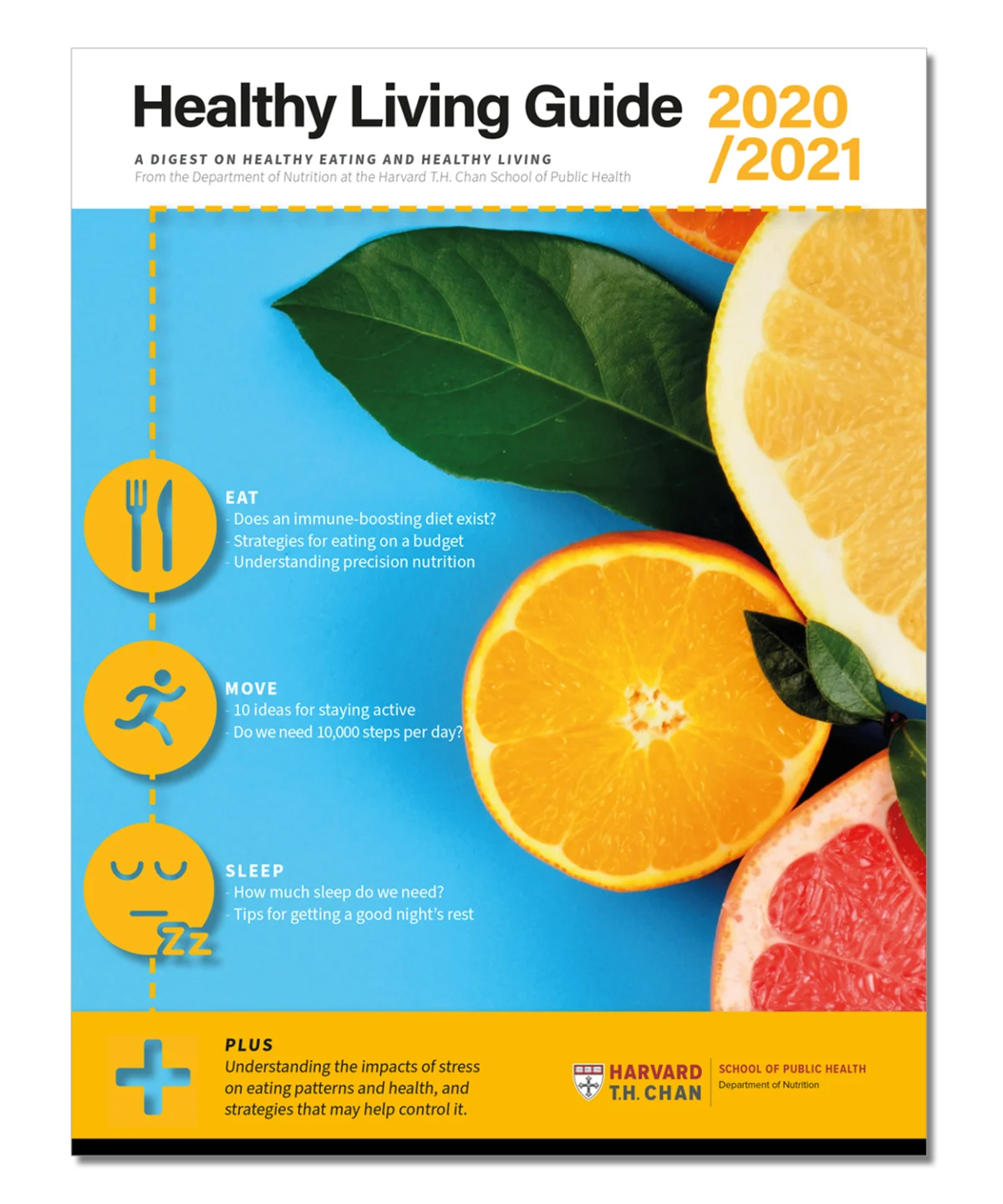
The gravity of the task ahead cannot be overstated. The development of effective policies is essential to ensure not only the sufficiency of food resources for current and future generations but also to guarantee that optimal dietary choices are both accessible and affordable for all segments of the population. In the interim, individuals are encouraged to integrate healthy practices into their daily routines, recognizing that even minor changes can contribute to overall well-being. This sentiment is underscored by the release of the "Healthy Living Guide," a resource designed to empower individuals with actionable advice and summaries of key health information. The guide, available for download as a printable PDF, offers a compilation of insights and tips, encouraging a proactive approach to personal health.
The White House Conference: A Historic Reimagining of Food Policy
The White House Conference on Hunger, Nutrition, and Health, held on September 28, 2022, marked a significant moment in the nation’s dialogue on food security and public health. The conference brought together a diverse array of stakeholders, including policymakers, researchers, community leaders, and individuals impacted by hunger and diet-related diseases. Its primary objective was to chart a course toward a future where all Americans have access to nutritious food and the knowledge and resources to make healthy choices. The subsequent national strategy, released by the Biden-Harris Administration, outlined a multi-faceted approach to tackling these complex issues.
The strategy’s core pillars include:
- Ending Hunger: This involves strengthening and expanding federal nutrition assistance programs, such as SNAP (Supplemental Nutrition Assistance Program) and WIC (Special Supplemental Nutrition Program for Women, Infants, and Children), to ensure that no American goes hungry.
- Increasing Healthy Eating: The strategy aims to promote diets rich in fruits, vegetables, and whole grains, while reducing the consumption of processed foods high in sugar, salt, and unhealthy fats. This includes initiatives to improve access to healthy food in underserved communities and promote nutrition education.
- Increasing Physical Activity: Recognizing the interconnectedness of diet and exercise, the plan encourages increased opportunities for physical activity, particularly for children and adolescents, in schools and communities.
The proposed expansion of Medicare to cover medically tailored meals represents a groundbreaking step in addressing the dietary needs of individuals with chronic health conditions. This initiative acknowledges that for certain populations, specific therapeutic diets are not just beneficial but medically necessary for managing disease and improving quality of life. By integrating such interventions into mainstream healthcare, the strategy seeks to prevent costly hospitalizations and improve long-term health outcomes.
Expert Analysis: Identifying Gaps and Charting a Path Forward
Despite the laudable goals and promising elements of the White House strategy, nutrition experts have voiced concerns regarding certain omissions that could hinder its overall effectiveness. The pervasive influence of marketing, particularly on children, remains a significant challenge. The constant bombardment of advertising for high-calorie, low-nutrient foods can undermine even the most well-intentioned efforts to promote healthy eating habits among young people. Dr. Hu, Dr. Willett, and Dr. Cheung highlighted this issue, emphasizing that "protecting children from unhealthy food marketing" is a critical area that requires more robust policy interventions.
Furthermore, the strategy’s engagement with the broader food system’s impact on climate change has been identified as an area needing deeper integration. The production, distribution, and consumption of food have substantial environmental footprints, contributing to greenhouse gas emissions, deforestation, and water pollution. A truly sustainable food system must not only nourish people but also protect the planet. The experts’ call for "truly sustainable food systems that support both public and planetary health" underscores the urgent need to align food policies with climate action goals.
The implications of these omissions are significant. Without concerted efforts to regulate food marketing directed at children, the battle against childhood obesity and diet-related diseases will be considerably more challenging. Similarly, a food system that does not actively mitigate its environmental impact will exacerbate the climate crisis, posing long-term threats to food security and human health.
Timeline of Key Developments
The journey toward the White House Conference and its subsequent strategy involved several key milestones:
- September 28, 2022: The White House Conference on Hunger, Nutrition, and Health is convened, bringing together a wide range of stakeholders to discuss solutions.
- Late September 2022: The Biden-Harris Administration releases the national strategy on hunger, nutrition, and health, outlining a roadmap for action.
- Throughout 2022: Discussions and research on the links between diet, health, and the environment gain increasing prominence in public discourse and policy circles.
- Ongoing: The implementation of the national strategy is expected to unfold over the coming years, with ongoing evaluation and adaptation of policies.
Supporting Data and Evidence
The urgency of addressing hunger and promoting healthy eating is underscored by compelling data:
- Food Insecurity: According to the USDA’s Household Food Security in the United States 2022 report, 10.2% of U.S. households (13.5 million people) were food insecure at some point during 2022. This highlights the persistent challenge of ensuring basic nutritional needs are met for millions of Americans.
- Diet-Related Diseases: Chronic diseases such as heart disease, type 2 diabetes, and certain cancers are heavily influenced by diet. The Centers for Disease Control and Prevention (CDC) reports that these conditions are leading causes of death and disability in the United States, with significant economic and social costs. For instance, heart disease alone accounts for over 697,000 deaths annually in the U.S., and its economic impact is estimated at $239.9 billion per year.
- Childhood Obesity: The prevalence of childhood obesity remains a critical public health concern. Data from the CDC indicates that obesity prevalence among children aged 2-19 was 19.7% in 2017-2020, affecting about 14.7 million children and adolescents. This has long-term implications for their health and well-being into adulthood.
- Climate Change and Food Systems: The agricultural sector is a significant contributor to greenhouse gas emissions, accounting for approximately 10-12% of total U.S. greenhouse gas emissions. Shifting towards more sustainable food production and consumption patterns is therefore essential for climate mitigation efforts.
Broader Impact and Implications
The national strategy, despite its identified shortcomings, represents a significant step forward in prioritizing food and nutrition policy at the federal level. Its success will hinge on the effective implementation of its proposed initiatives and the willingness of various sectors to collaborate. The inclusion of medically tailored meals in Medicare could revolutionize care for individuals with chronic conditions, potentially reducing healthcare costs and improving patient outcomes.
However, the long-term impact will also be shaped by how effectively the administration addresses the identified gaps. A robust approach to regulating food marketing to children is crucial for fostering healthier generations. Integrating climate resilience and sustainability into the food system is not just an environmental imperative but also a matter of long-term food security. As Drs. Hu, Willett, and Cheung articulated, a holistic approach that unites public and private sectors, academia, and individuals is paramount for building food systems that are both equitable and environmentally responsible.
The "Healthy Living Guide" serves as a valuable complement to these larger policy efforts, empowering individuals with practical tools and knowledge. By encouraging small, consistent changes in eating habits and lifestyle, the guide aims to foster a culture of health and well-being that can contribute to the broader goals outlined in the national strategy. The ongoing pursuit of healthy eating and living is a continuous journey, requiring both systemic change and individual commitment. The insights and resources provided by initiatives like the White House Conference and the "Healthy Living Guide" offer a roadmap for navigating this complex terrain, with the ultimate aim of creating a healthier future for all.
