
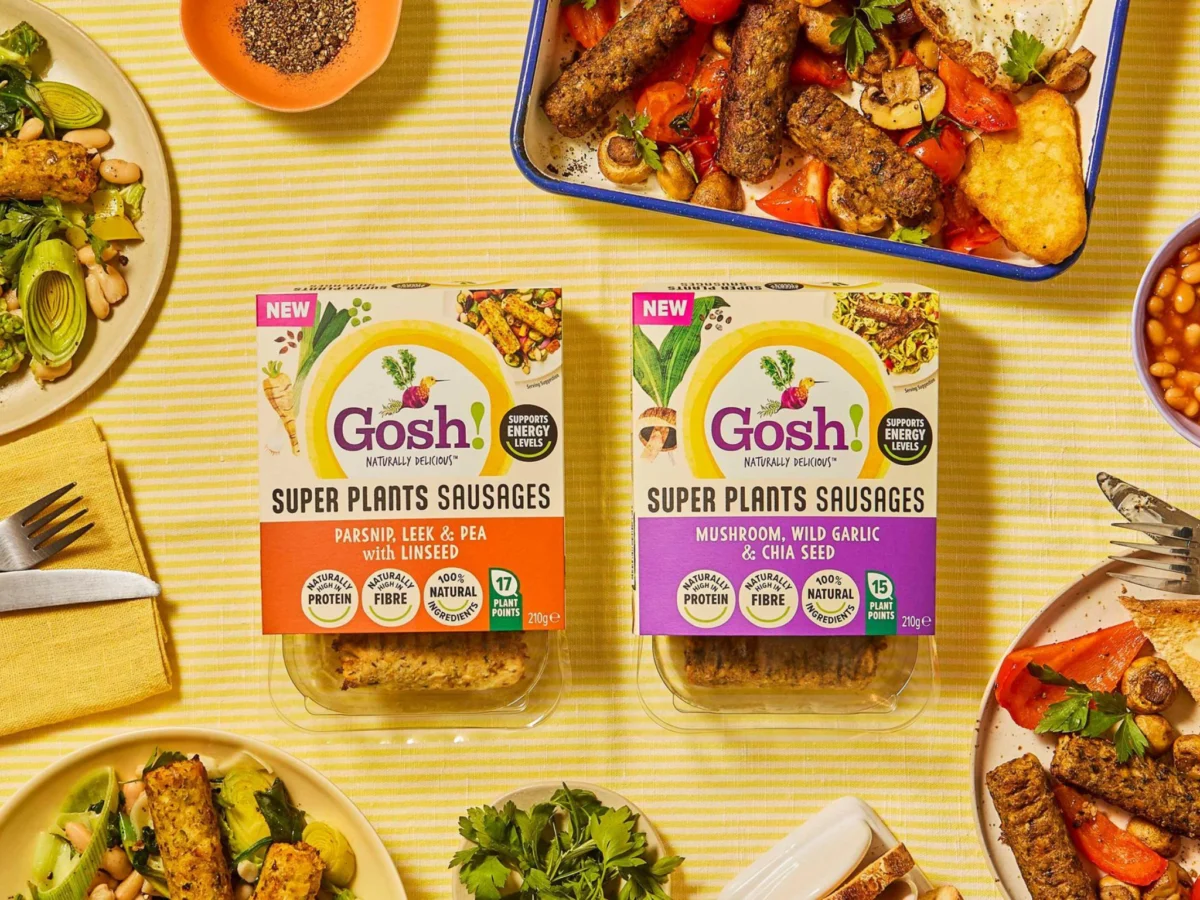
British plant-based food brand Gosh has launched its innovative Super Plants Sausages, a new range meticulously crafted from whole foods, designed to be rich in fibre and contribute significantly to the increasingly popular "plant points" or "30 plants a week" dietary goal. This development signals a strategic alignment with evolving consumer preferences in the UK’s dynamic plant-based food market, which is witnessing a pronounced shift towards minimally processed, nutrient-dense options.
The introduction of the Super Plants Sausages by Gosh represents a deliberate departure from the trend of plant-based products designed solely to mimic meat. Instead, the brand is championing the inherent goodness of vegetables, legumes, and seeds, a philosophy that resonates with the growing "veg-led" movement gaining traction across the nation. This approach positions Gosh not just as a producer of meat alternatives, but as a proponent of a holistic, plant-forward approach to nutrition.
Developed in close collaboration with registered nutritionist Becca Meadows, the Super Plants Sausages are available in two distinct flavour profiles: Parsnip, Leek, and Pea with Linseeds, and Mushroom and Wild Garlic with Chia Seeds. Both varieties are marketed as containing "all-natural, nutrient-dense ingredients," emphasizing their wholesome composition. This commitment to natural ingredients aligns with a broader consumer demand for transparency and perceived health benefits in food choices.
Caroline Hughes, Gosh’s marketing director, articulated the brand’s vision behind this new product line: "Consumers today are driven by more than just taste; they’re looking for food that delivers real value to their health and wellbeing. With our new Super Plants Sausages, we’re leading with this health-first mindset, creating a product that helps people feel their best without compromising on flavour." This statement underscores Gosh’s strategic positioning in a market where health and wellness are increasingly paramount drivers of purchasing decisions.
Building on a Foundation of Plant Diversity: The "Plant Points" Philosophy
Gosh’s new Super Plants Sausages are a tangible manifestation of its established "plant points" strategy, a concept that has been central to the brand’s marketing and product development since the previous year. This initiative encourages consumers to increase their intake of diverse plant-based foods, a movement popularized by health experts such as Tim Spector, co-founder of the personalized nutrition app Zoe. By assigning "plant points" to its products, Gosh provides consumers with a quantifiable measure of their plant consumption, making the ambitious "30 plants a week" goal more accessible and engaging.
The new sausages are formulated from a carefully selected blend of vegetables, pulses, seeds, and herbs. This composition directly addresses the UK market’s observable shift towards whole-food formats. Data from Nielsen analysis supports this trend, indicating that chilled plant-based food volume demand experienced a modest but consistent rise across UK supermarkets in the past year, growing by just under 1% overall and accelerating to 1.7% in the final quarter.
Tesco, the UK’s largest grocery retailer, has publicly attributed the recent revival in the plant-based food sector to a heightened consumer demand for "veg-led foods" that are rich in protein and fibre. Bethan Jones, plant-based food buyer at Tesco, commented on this phenomenon: "A growing micro-trend focused on whole-food plant proteins – including beans, lentils, chickpeas, tofu, and whole grains – is helping to drive renewed sales, signalling a shift from short-term trend to lasting dietary change." This insight from a major retailer highlights the structural shift occurring within the market, moving beyond fleeting fads to more ingrained dietary habits.

Gosh has itself experienced the positive impact of this consumer pivot. The brand reported a 6% growth in sales for its Moroccan Falafel product last year, a testament to the consumer appetite for naturally derived, plant-forward options. The new Super Plants Sausages are a natural extension of this successful philosophy. Each 100g serving of the sausages offers a substantial 7.8g of fibre and 8.4g of protein. Crucially, they are packed with an impressive diversity of 15-17 different plants, further reinforcing the brand’s commitment to the "30 plants a week" objective. The product is set to roll out at Tesco stores nationwide this week, marking a significant distribution milestone.
Hughes further elaborated on the brand’s ethos: "By celebrating plant diversity and championing a natural, veg-led approach, we’ve developed something that goes beyond the typical plant-based sausage." This statement underscores Gosh’s ambition to differentiate itself by focusing on the inherent nutritional and culinary merits of plants, rather than merely replicating existing products. The collaboration with registered nutritionist Becca Meadows was instrumental in embedding meaningful health benefits into the sausages. Meadows stated that the products are "naturally rich in nutrients, helping consumers boost their fibre intake with ingredients that support overall health." The nutritionist’s involvement has ensured that the sausages are not only palatable but also demonstrably beneficial for consumer wellbeing, being "high in fibre and protein, minimally processed, and designed to support both physical and emotional wellbeing."
Addressing the Growing Demand for Protein, Fibre, and Non-Ultra-Processed Foods
The launch of Gosh’s Super Plants Sausages arrives at a pivotal moment for UK food trends, as consumers increasingly prioritize protein and fibre intake and express concern over ultra-processed foods (UPFs). Recent consumer behaviour data reveals a significant upswing in protein consumption. Over two in five (43%) Britons reported increasing their protein intake between 2024 and 2025. Looking ahead to the current year, 14% of consumers are actively seeking to incorporate more protein into their diets, while a parallel 13% aim to increase their fibre consumption.
The burgeoning popularity of GLP-1 drugs, such as those used for weight management, has demonstrably contributed to this heightened focus on protein. With more than 1.5 million Britons now utilizing weight-loss medication, a figure that has nearly doubled in the past two years, the need to preserve muscle mass during weight loss has become a critical dietary consideration. Scientific understanding indicates that users of these medications can experience a significant decrease in muscle mass, making protein an essential dietary component to mitigate these effects.
Simultaneously, dietary fibre has emerged as a key player in supporting gut health and can also help trigger the body’s natural GLP-1 response. Despite its recognized benefits, a staggering 96% of the British population fails to consume adequate amounts of fibre. This widespread fibre deficiency has propelled it to the forefront of nutritional discourse, featuring prominently in health and wellness platforms such as the Zoe app, documentaries like Netflix’s "Hack Your Health," and the influential "30-plants-a-week" movement. This movement has, in turn, spawned online health trends such as "fibremaxxing" and "fibrelayering," particularly among younger demographics seeking tangible improvements in their dietary habits.
Gosh’s commitment to whole foods directly addresses the growing consumer concern surrounding ultra-processed foods (UPFs). Government polling indicates that UPFs are a significant worry for a large segment of the population, with up to 78% of Britons expressing concern – a figure second only to inflation. This apprehension about the health implications of highly processed food products is driving a demand for simpler, less-processed alternatives.
This backlash against UPFs has also subtly influenced the perception of meat alternatives. Some products in this category have faced criticism for being perceived as overly processed and containing lengthy ingredient lists. While experts acknowledge that not all UPFs are inherently detrimental to health, and that substituting processed meat with plant-based alternatives can indeed offer significant health advantages such as increased fibre intake and reduced saturated fat and salt consumption, the consumer preference is clearly leaning towards less processed options.
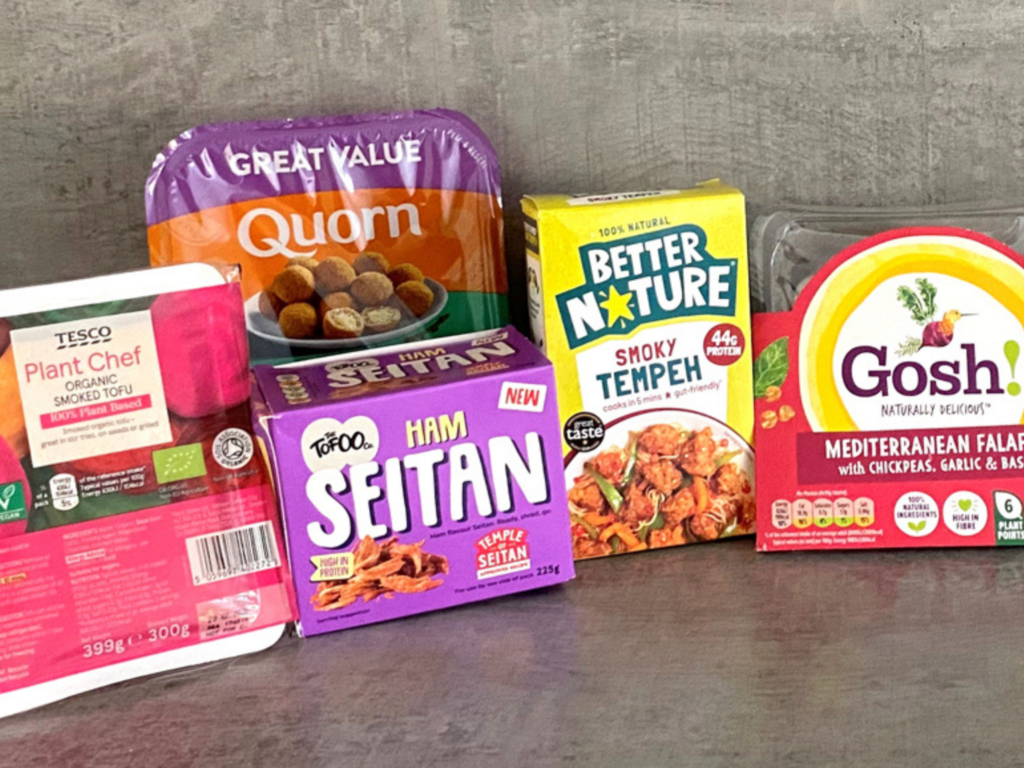
Gosh’s strategic decision to prioritize whole foods aligns with a broader trend observed among other plant-based brands in the UK market. Companies like "This isn’t Meat" have introduced their "Super Superfood" line and a chickpea tofu range in collaboration with Omami. Similarly, Oh So Wholesome launched its "Veg’chop" product, Juicy Marbles introduced a veg-forward "Umami Burger," and Symplicity Foods debuted its fermented-vegetable-based meat alternatives at Waitrose. This collective industry movement towards whole-food, minimally processed plant-based offerings signifies a maturing market that is increasingly responsive to consumer demands for health, transparency, and nutritional integrity. The Super Plants Sausages from Gosh are poised to be a significant contributor to this evolving landscape, offering consumers a delicious and health-conscious way to embrace a more plant-rich diet.
