
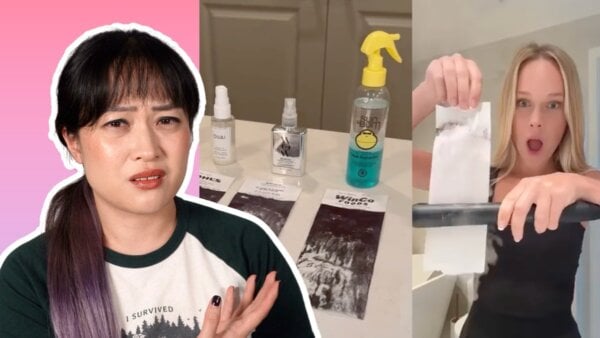
A widely circulated social media trend purporting to test the efficacy of hair heat protectants by applying them to thermal paper receipts and exposing them to flat irons has been definitively debunked by a rigorous scientific investigation. The study, led by beauty scientist Dr. Michelle Wong of Lab Muffin Beauty Science, concludes that the observed "protective" effects are not indicative of actual heat protection for hair but rather chemical interactions with the thermal paper’s ink layer or simple evaporative cooling from residual moisture. This finding carries significant implications for consumer understanding of product efficacy and highlights the dangers of misinformation in the digital age.
The Rise of a Viral Phenomenon
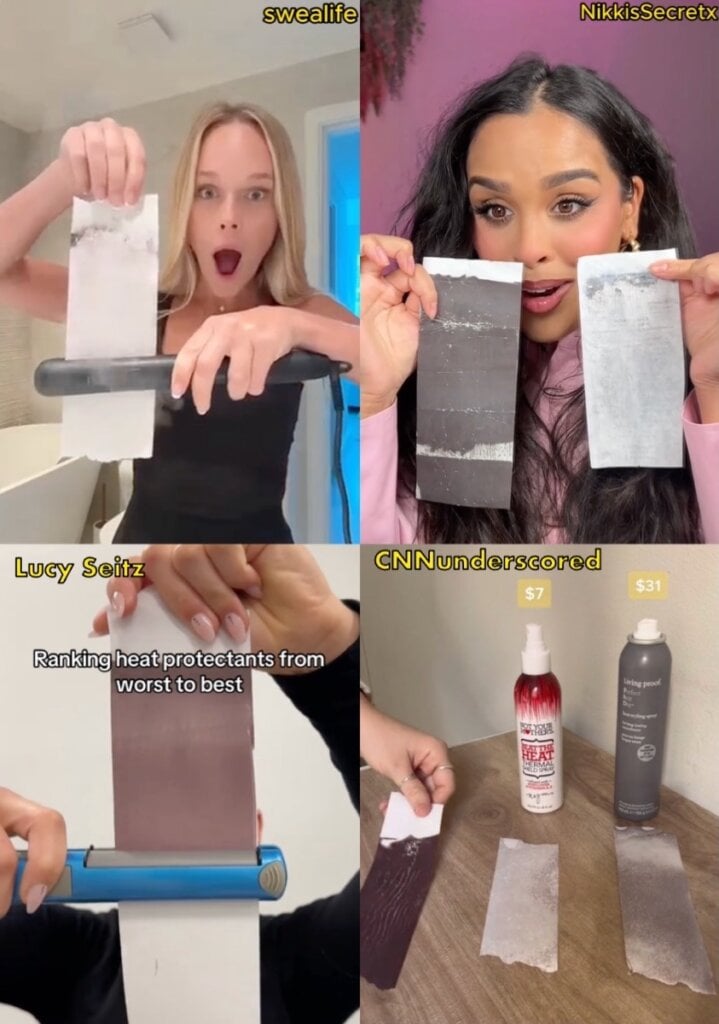
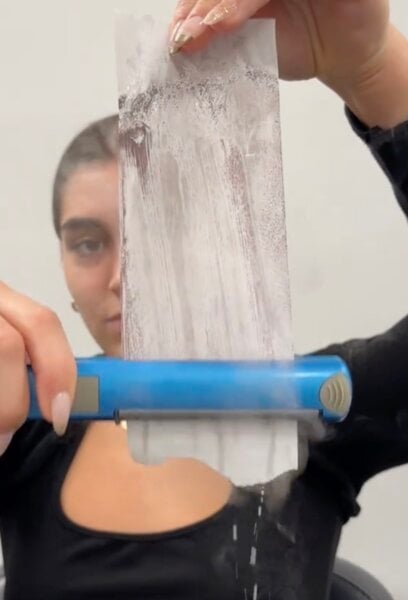
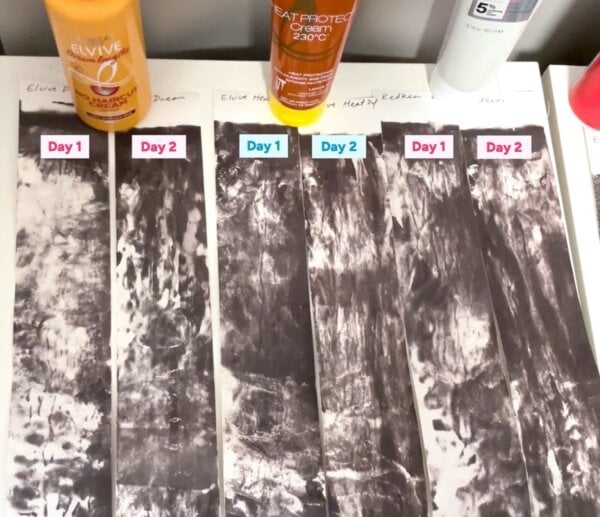
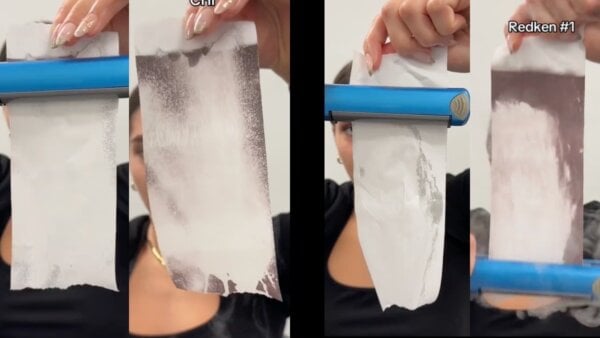
The thermal receipt test gained immense traction across platforms like TikTok, YouTube, and Instagram, captivating millions of viewers with its seemingly simple and visually compelling methodology. Users would spray various heat protectant products onto strips of thermal receipt paper, then run a hot hair straightener over the treated areas. The logic presented was straightforward: since thermal paper darkens upon exposure to heat, areas remaining white or lighter indicated superior heat protection. This visually intuitive premise, often demonstrated with dramatic differences between products, resonated strongly with a public eager for quick, DIY solutions to evaluate beauty products. Cosmetologists and influencers, such as Lucy Seitz, meticulously documented their tests, often specifying straightener temperatures (e.g., 340°F or 170°C) and including control strips, lending an appearance of scientific rigor to the otherwise unvalidated method. The immediate, stark results made it an ideal candidate for viral content, driving consumer perceptions and influencing purchasing decisions for hair care products.
Initial Skepticism and the Unfolding Investigation
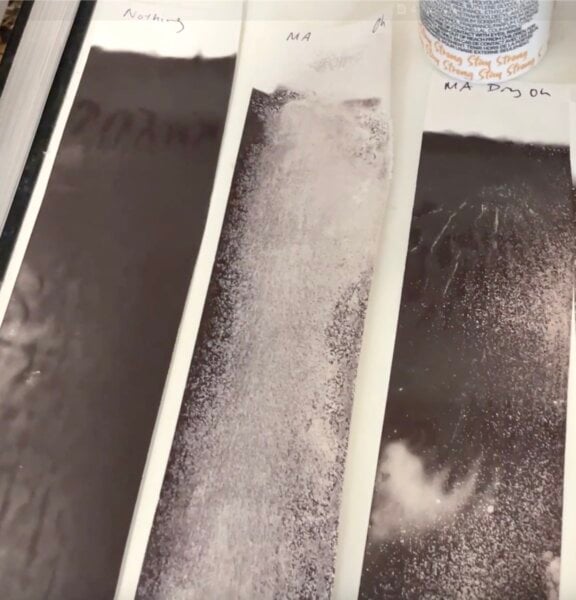
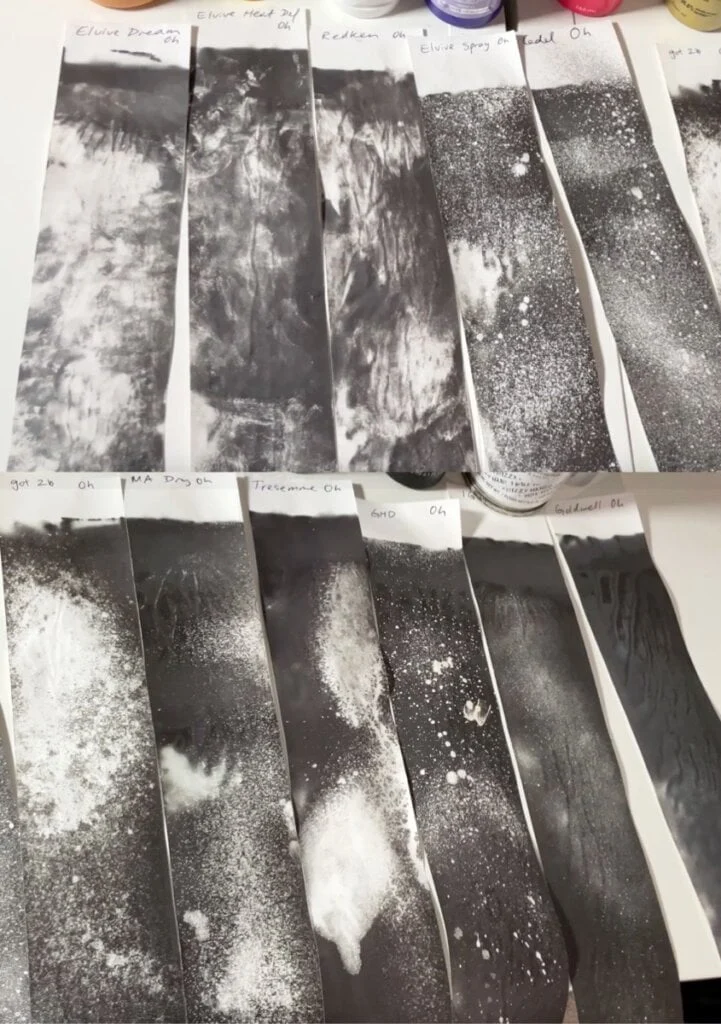
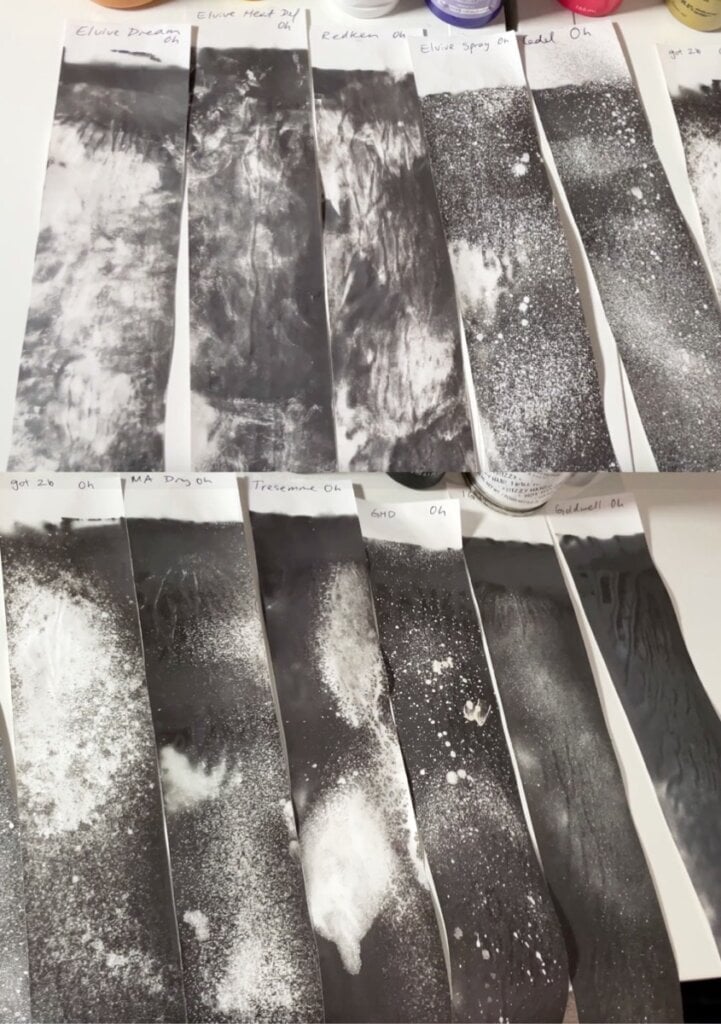
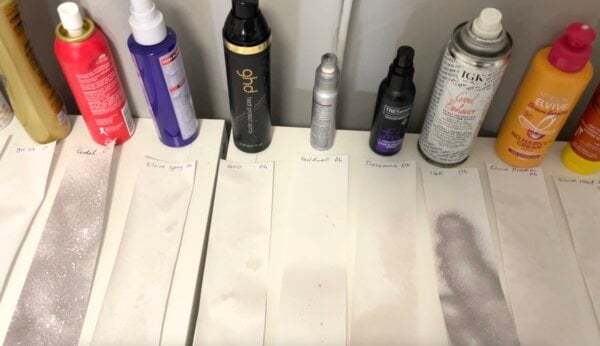
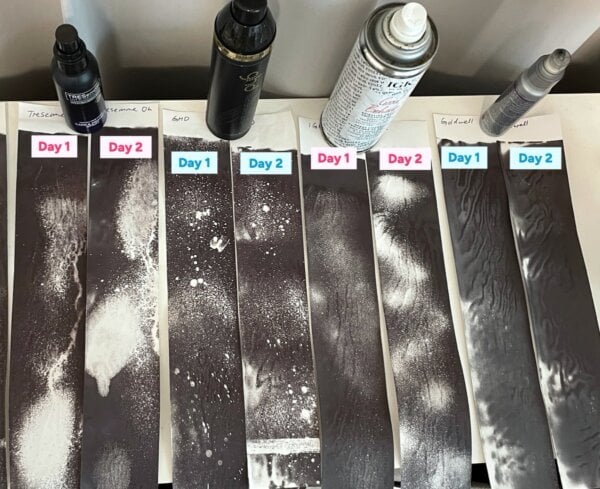
While superficially appealing, the test immediately raised red flags for many scientists and industry professionals. The fundamental principle of testing a beauty product designed for complex biological structures (hair) on a chemically sensitive paper substrate was questioned. Dr. Wong’s investigation commenced as a direct response to the widespread adoption of this trend, aiming to ascertain the scientific validity of the receipt test. The initial phase involved replicating the viral experiments, starting with 11 products ranging from pump sprays to propellant sprays and cream formulations, all claiming heat protection. A flat iron set to 170°C was used to mirror popular demonstrations. Early observations revealed immediate inconsistencies: applying products to wet receipts caused crackling and smoking, and the drying time significantly altered results. Products applied and tested immediately showed different outcomes compared to those allowed to dry for even 15 minutes, hinting at the crucial role of moisture.
The Overlooked Role of Water and Evaporative Cooling
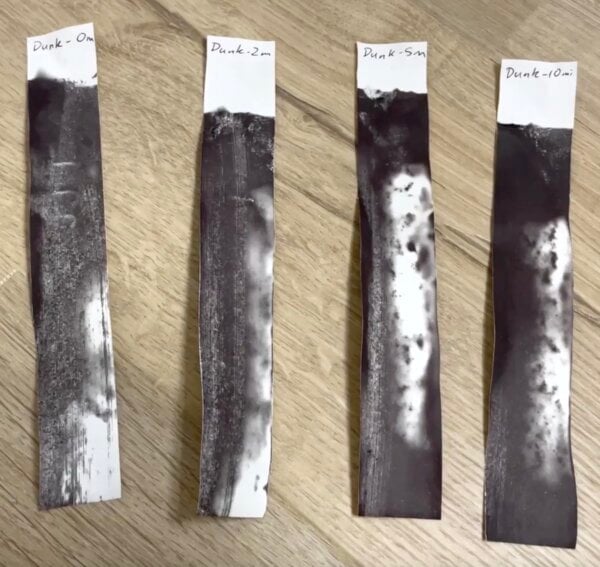
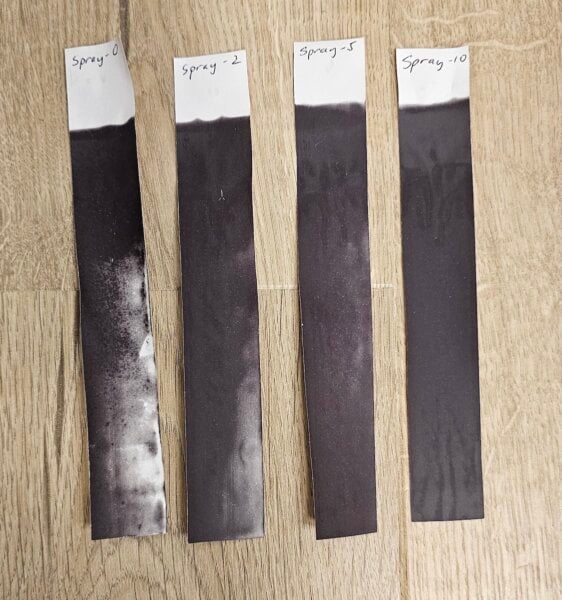
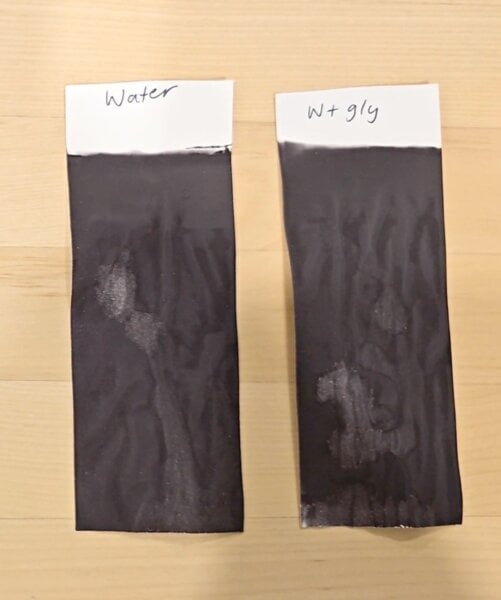
One of the first hypotheses explored was the cooling effect of water, a common solvent in many beauty products. Water is known for its high specific heat capacity and latent heat of vaporization, meaning it can absorb a substantial amount of heat as it evaporates. Experiments involving water-dunked and water-sprayed receipts, tested at various drying intervals (0, 2, 5, and 10 minutes), confirmed this. Receipts heavily saturated with water remained significantly lighter, with the cooling effect diminishing as the water evaporated. This suggested that products with higher water content or those applied more thickly (like creams) might appear "effective" simply by providing a temporary thermal buffer through evaporation, not by genuine heat-protective action. However, water’s interaction with hair at high temperatures is detrimental, leading to explosive evaporation within the hair shaft, a phenomenon known as "bubble hair," which causes severe structural damage. This immediate contradiction underscored the test’s irrelevance to hair health.
A Critical Revelation: Thermal Paper’s True Sensitivity
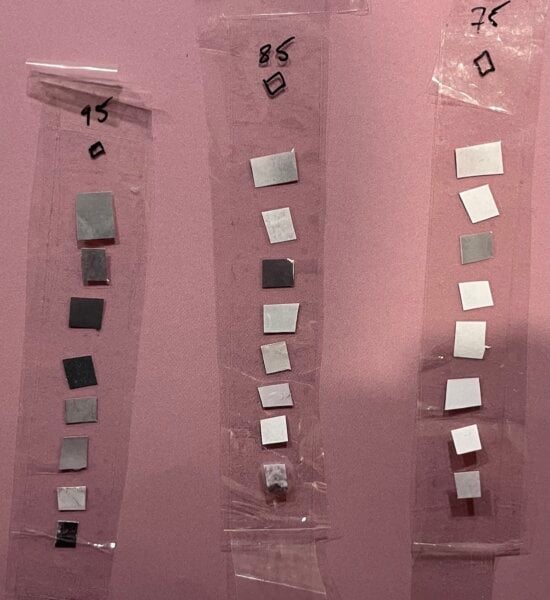
A pivotal moment in the investigation came with the discovery of the actual temperature range at which thermal paper reacts. Initial searches for "thermal paper temperature" had yielded results in the 150-185°C range, seemingly aligning with hair straightener temperatures. However, deeper research into thermal paper chemistry, including obscure academic papers, revealed a far lower activation temperature: thermal paper begins to darken between 60 to 100°C (140-212°F) and achieves full density between 70 and 120°C (158-248°F). To confirm this, Dr. Wong conducted tests by dipping various receipt samples into precisely temperature-controlled water baths, confirming that most receipts changed color around 95°C. This was a critical finding: hair damage typically begins around 100°C, meaning thermal paper reacts at temperatures before significant hair damage occurs. The paper was thus a poor model, reacting to heat thresholds irrelevant to hair protection.
The Solvent Hypothesis: Unmasking the Real Mechanism
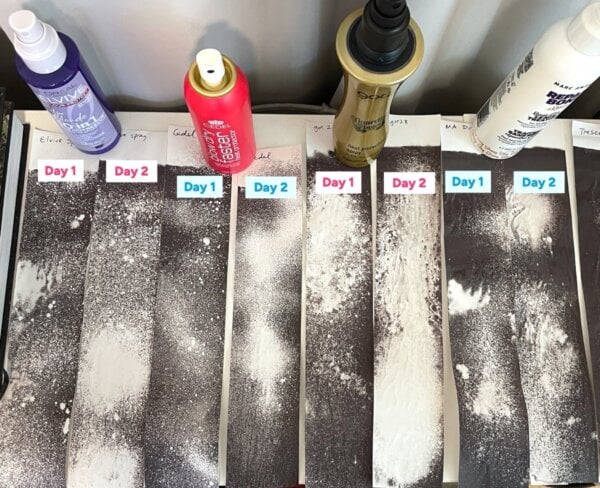
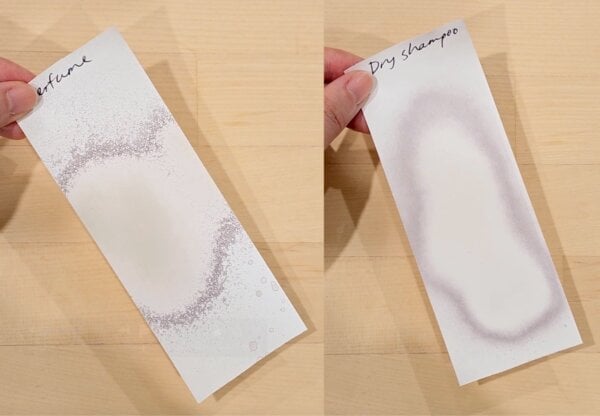
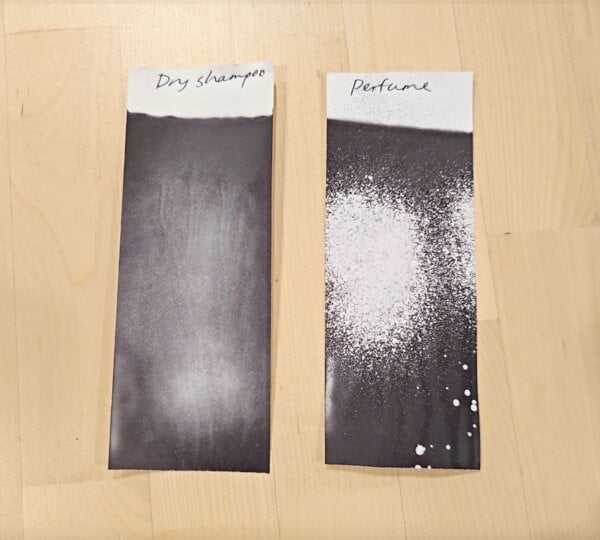
Despite the water effect, several observations remained unexplained, particularly the varied results for dry receipts and the puzzling phenomenon of receipts turning grey before heat application or becoming lighter even after prolonged drying. This led to a new, more comprehensive hypothesis: the "effectiveness" of certain heat protectants in the receipt test stemmed from their ability to dissolve the ink layer on the thermal paper.
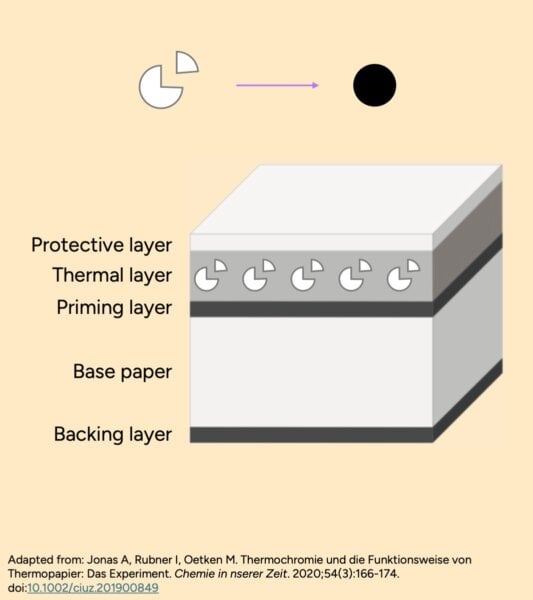
Thermal paper functions through an invisible chemical coating. This coating contains a dye precursor and a developer, frozen in a solid matrix. When heated, the matrix melts, allowing the dye and developer to mix and react, forming the visible black print. If this delicate ink layer is disrupted or dissolved by external substances, the reaction cannot occur properly, leading to a "white" or "grey" result even under high heat.
The investigation systematically tested this solvent hypothesis:

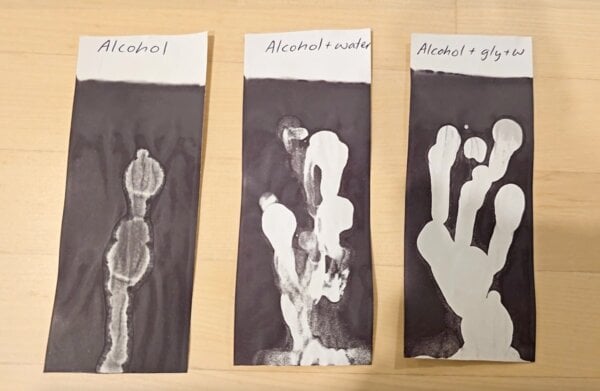
- Alcohol: Products high in alcohol, a potent solvent, consistently made receipts appear lighter. Further tests with pure alcohol, diluted alcohol, and alcohol with glycerin showed that alcohol not only inhibited darkening but could also pre-emptively turn receipts grey by partially reacting with or dissolving the ink layer before heat was even applied. Diluted alcohol was particularly effective, suggesting that water and humectants (like glycerin) could slow alcohol evaporation, allowing more prolonged solvent action on the paper.
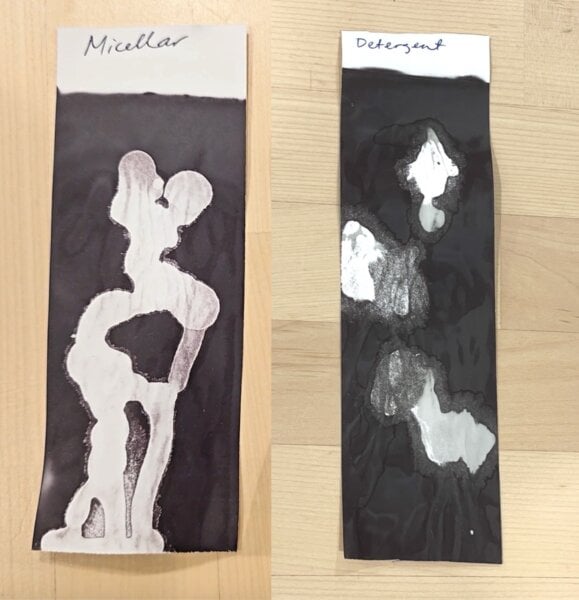
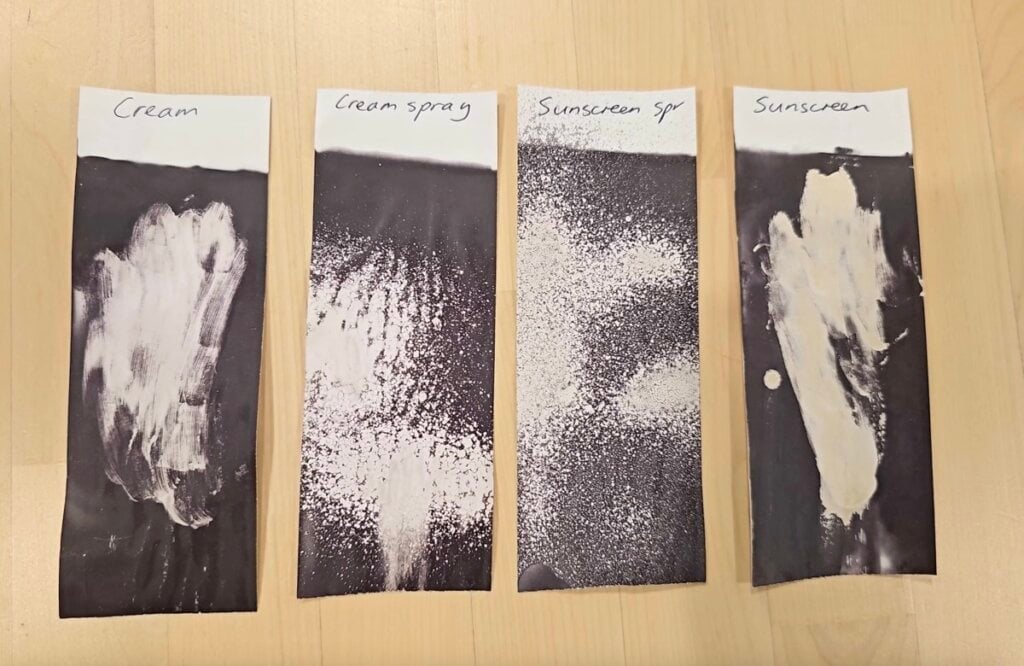
- Surfactants: Many heat protectants, especially creams and emulsions, contain surfactants (emulsifiers) to blend oil and water components. Micellar water and detergent solutions, both rich in surfactants, also kept receipts white, confirming their ability to disrupt the ink layer. Moisturizers and sunscreens, which contain both alcohol and surfactants, similarly produced "white" results.
- Physical Disruption: Even physical rubbing of cream products onto the receipt contributed to disrupting the ink layer, further illustrating that the visual outcome was tied to the product’s physical and chemical interaction with the paper, not its thermal properties.
- Ink Erasing: A final confirmatory test involved applying alcohol, perfume, sunscreen, micellar water, and moisturizer to already darkened receipt paper. These substances successfully erased or lightened the existing print, unequivocally demonstrating their solvent action on the thermal ink.
Expert Commentary and Industry Perspective
Dr. Michelle Wong, reflecting on the comprehensive findings, stated, "Our investigation unequivocally demonstrates that the viral thermal receipt test is fundamentally flawed. It misrepresents the complex science of heat protection by responding to chemical interactions and evaporative cooling, rather than true thermal insulation relevant to human hair. Consumers should not rely on this test for product evaluation."
The beauty industry has long emphasized the importance of validated scientific testing. A spokesperson for the Hair Care Manufacturers Association commented, "While engaging for social media, these viral ‘hacks’ often oversimplify complex biological and chemical processes. Reputable brands invest millions in instrumental testing on hair swatches, utilizing advanced techniques like scanning electron microscopy to assess cuticle integrity, tensile strength measurements to gauge damage, and thermal imaging to understand heat distribution. We urge consumers to look for claims backed by such rigorous, hair-specific scientific data."
Brands like Amika, whose product "failed" the receipt test but is scientifically formulated for heat protection, have actively shared footage of their actual testing processes. These involve specialized machinery that repeatedly exposes treated hair strands to heat, followed by detailed analysis of structural damage, a stark contrast to the receipt method.
Implications for Consumers and the Beauty Industry
The debunking of the viral heat protectant test carries several critical implications:
- Misinformation and Consumer Harm: Consumers relying on this test might choose products that offer no real protection, leading to increased hair damage from styling tools. Conversely, effective products that "fail" the receipt test could be unfairly overlooked.
- Scientific Literacy: The popularity of the test underscores a broader challenge in science communication, where visually appealing but scientifically unsound demonstrations can quickly overshadow expert advice. It highlights the need for greater critical thinking regarding online content.
- Brand Reputation: Brands whose products performed "poorly" in the viral test, despite being effective, faced unfair scrutiny. This investigation helps restore scientific accuracy and protects the integrity of genuinely effective products.
- Rethinking "Models": While scientific models (like EpiSkin for skincare) are valuable, this case serves as a cautionary tale: a model must accurately mimic the relevant characteristics of the real-world subject. Thermal paper, in this instance, failed to model hair’s response to heat.
Recommendations for Authentic Heat Protection
For consumers seeking genuine heat protection, the investigation reinforces established scientific advice:
- Look for Proven Ingredients: Effective heat protectants contain ingredients like silicones (e.g., dimethicone, cyclomethicone), polymers (e.g., polyquaternium-68, VP/DMAPA acrylates copolymer), and hydrolyzed proteins (e.g., wheat protein, keratin). These ingredients form a protective barrier, help distribute heat more evenly, and reduce friction.
- Prioritize Instrumental Testing Claims: Seek out product packaging that mentions "instrumental tests," "clinical trials," or specific data points (e.g., "protects up to 450°F," "reduces breakage by X%") often compared to untreated hair or non-conditioning shampoos.
- Apply to Dry Hair: If a product contains water, ensure hair is fully dry before using hot styling tools. Applying heat to wet hair can cause "bubble hair" and severe damage.
- Understand Function: Heat protectants do not block heat entirely but rather help to evenly disperse it and provide a conditioning layer to prevent mechanical damage and minimize cuticle lift.
The definitive debunking of the thermal receipt test serves as a powerful reminder that while social media can be a valuable source of information, critical scientific evaluation remains paramount, especially when personal health and product efficacy are concerned.
