
The scientific landscape surrounding meat consumption and its health implications is increasingly being shaped by industry-funded research, according to a groundbreaking meta-analysis published in the journal Obesity Reviews. The study, which examined 500 research papers published between 2014 and 2023, revealed a stark disparity in conclusions between studies with ties to the livestock industry and those that are independently funded. Researchers found that industry-linked studies were a staggering 16 times more likely to report favorable outcomes associated with meat consumption, raising significant concerns about potential bias influencing public health understanding and policy.
This revelation comes at a time when a growing body of evidence links meat consumption to a range of serious chronic health conditions. These include obesity, type 2 diabetes, various forms of cancer, dementia, cardiovascular disease – which claims the life of an American every 33 seconds – and an increased risk of premature death. Despite these established health risks, a substantial portion of research continues to present a more optimistic view of meat’s role in the diet, a trend directly attributable to its funding sources, the new analysis suggests.
The Magnitude of Industry Influence
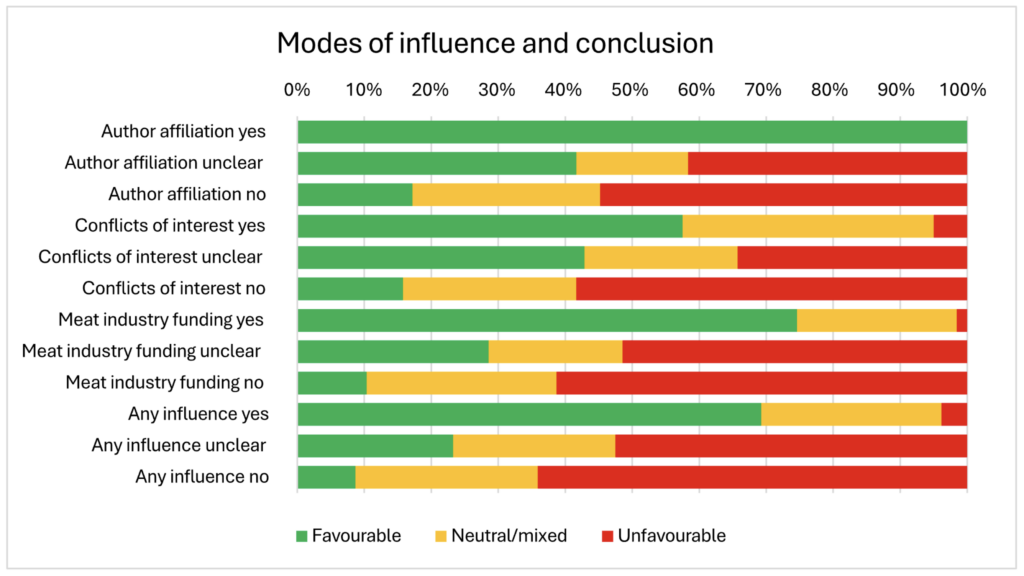
The meta-analysis, conducted by a team of independent researchers, meticulously reviewed the funding sources and conclusions of 500 peer-reviewed studies. Their findings paint a concerning picture: 75% of studies with direct or indirect ties to the meat industry reported positive or beneficial outcomes from eating meat. In stark contrast, only a mere 10% of independently funded studies reached similar favorable conclusions. Conversely, a significant 52% of all studies analyzed acknowledged unfavorable health consequences associated with meat consumption, while 27% presented neutral or mixed findings. The implication is clear: when the livestock industry has a hand in the research, the resulting narrative is overwhelmingly positive.
The researchers employed regression analysis to quantify this bias, identifying a "significant association between meat industry ties and the likelihood of favourable conclusion." This statistical link is a critical indicator of how financial backing can sway research outcomes. The authors of the study emphasized the gravity of their findings, stating, "These findings are concerning and suggest that our statistical findings of industry involvement are underestimates. We therefore encourage caution when interpreting findings where there is a lack of transparency over funding arrangements or conflicts of interest." This call for caution is particularly relevant given that only 15.6% of the studies explicitly declared any form of influence from the meat industry, including author affiliations, declared conflicts of interest, or direct funding. For an additional 20% of the studies, it was impossible to determine if any industry links existed, highlighting a pervasive lack of transparency.
Mechanisms of Influence and Undisclosed Conflicts
Delving deeper into the nature of industry influence, the study identified that direct collaboration or funding from individual meat corporations was relatively rare. Instead, the primary conduits for industry support were found to be industry associations. These umbrella organizations, often funded by numerous companies within the sector, appear to play a more significant role in financing and directing research. Prominent examples of such funders identified in the analysis include US programs like the Beef Checkoff and Pork Checkoff, as well as international trade associations such as Meat & Livestock Australia, the Danish Agriculture and Food Council, and the UK Agriculture and Horticulture Development Board.
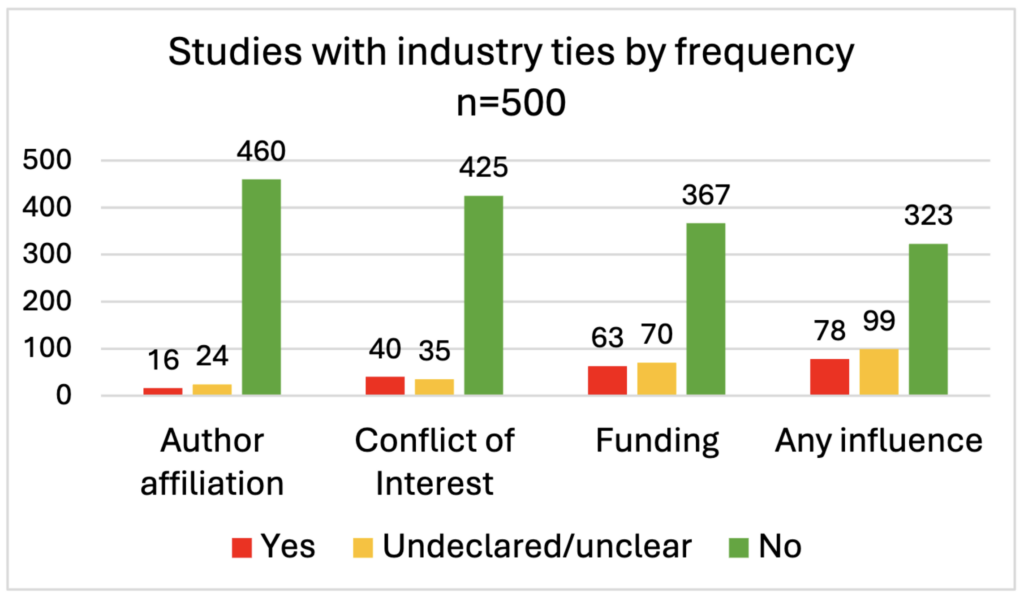
Perhaps one of the most alarming revelations is that nearly half (52%) of the studies that received meat industry funding did not declare any conflict of interest. This suggests a potential blind spot among researchers, where financial sponsorship from industry groups may not be perceived as a relevant conflict. This lack of self-awareness or reporting allows potentially biased research to enter the scientific discourse without adequate scrutiny, further complicating efforts to establish an objective understanding of meat’s health impacts. Author affiliations with the industry were the least frequently disclosed form of influence, reported in only 3% of papers. Declared conflicts of interest appeared in 8% of studies, and direct meat industry funding was noted in 13%. The prevalence of industry associations as research supporters, coupled with the underreporting of conflicts, underscores a sophisticated and often subtle approach to shaping scientific narratives.
Broader Implications for Public Health and Policy
The implications of these findings extend far beyond the realm of academic research. The study’s authors articulate how the livestock industry can leverage these favorable research outcomes. These findings can be disseminated through press releases, a crucial tool for amplifying medical research, attracting media attention, and ultimately influencing public opinion and regulatory frameworks. This strategic dissemination of biased information can play a significant role in shaping dietary guidelines, food labeling policies, and public health campaigns.
The livestock industry has a well-documented history of actively lobbying policymakers and influencers. In the United States alone, millions of dollars are spent annually on such efforts. This lobbying power, combined with the influence of industry-funded research, contributes to the spread of misinformation not only about the health benefits of meat but also about the emerging alternative protein sector. This creates an uneven playing field, where potentially misleading information can gain traction, impacting consumer choices and public health initiatives.
A Call for Enhanced Transparency and Vigilance
In light of these findings, the researchers are issuing a strong call for enhanced transparency in scientific research. They emphasize the critical need for robust enforcement of transparency guidelines by medical and nutrition journals. Journal editors and peer reviewers are urged to remain vigilant in identifying and scrutinizing potential conflicts of interest and their impact on study conclusions. The study authors suggest that experts involved in developing nutritional guidelines, training nutrition professionals, and creating educational materials must exercise heightened care when evaluating evidence with industry ties. This involves a thorough assessment of study design, methodologies, and results, rather than solely relying on the stated conclusions.
"In particular, public health experts should be aware that industry affiliation and funding may influence research conclusions," the authors stated. This advisory is crucial for ensuring that public health messaging is based on objective scientific evidence, free from undue industry influence.
This latest analysis echoes previous research that has highlighted similar patterns of bias. Just months prior, another study revealed that meat-industry-backed studies were nearly four times as likely to conclude that red meat consumption had a neutral or beneficial effect on cardiovascular health, further reinforcing the concerns raised by the Obesity Reviews paper. The consistent pattern across multiple investigations underscores the systemic nature of industry influence in nutrition science and the urgent need for greater accountability and transparency to protect public health. The scientific community, policymakers, and the public alike must remain critical consumers of research, especially when potential conflicts of interest are present, to navigate the complex landscape of dietary science and make informed decisions about health and well-being.
