
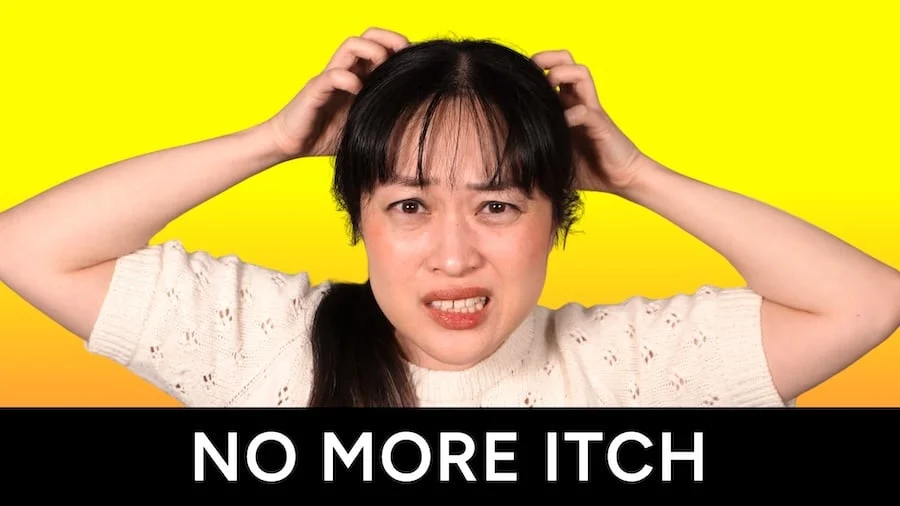
Chronic itchy scalp, a condition far more pervasive and disruptive than commonly perceived, affects millions globally, often leading to discomfort, inflammation, and even hair thinning. Despite the abundance of products marketed for scalp relief, many individuals find themselves trapped in a cycle of temporary fixes and worsening symptoms. This widespread frustration stems from a fundamental misunderstanding of the condition’s multifaceted origins, with many commercial solutions failing to address the root causes and, in some cases, inadvertently exacerbating the problem. A deeper dive into the scientific underpinnings reveals that effective management requires a targeted approach, acknowledging the distinct roles of microbial imbalances, compromised skin barrier function, and allergic reactions.
The Evolving Understanding of Scalp Health
For decades, the primary focus in scalp health revolved around dandruff, often seen as merely a cosmetic nuisance characterized by visible flakes. However, scientific research, particularly over the last two decades, has significantly advanced our understanding, revealing a complex interplay of biological factors that contribute to chronic scalp pruritus (itching) and inflammation. What was once dismissed as simple dryness or poor hygiene is now understood as a nuanced dermatological challenge requiring precise diagnosis and tailored interventions. The journey from rudimentary treatments to sophisticated, science-backed solutions underscores the importance of evidence-based practices in cosmetic science and dermatology.
Three Primary Culprits Behind Persistent Itch
Experts now identify three major, often interconnected, causes of chronic itchy scalp: microbial dysbiosis, impaired scalp barrier function (often mislabeled as "dry scalp"), and unidentified allergens. Differentiating between these is paramount, as a misdiagnosis can lead to ineffective treatments and prolonged suffering.
1. Microbial Imbalance: The Unseen Ecosystem
The human scalp hosts a diverse microbiome, a community of microorganisms that, when balanced, contribute to overall scalp health. A key player in this ecosystem is Malassezia yeast, a genus of fungi naturally present on virtually every human scalp. While typically benign, an overgrowth of Malassezia, particularly species like Malassezia globosa and M. restricta, is a primary driver of various scalp conditions, including dandruff and seborrheic dermatitis.
The misconception that microbial issues are exclusively linked to visible flakes is a significant barrier to effective treatment. Recent studies, such as one published in the International Journal of Cosmetic Science in 2025, have demonstrated that inflammatory markers on the scalp can rise significantly within just three days of Malassezia overgrowth, leading to reported itching, long before visible flakes appear, which may take up to three weeks. This chronological disconnect explains why many individuals experience intense itching without traditional dandruff symptoms, failing to recognize the microbial component of their condition.
Malassezia thrives on sebum, the natural oils produced by the scalp’s sebaceous glands. As the yeast metabolizes these lipids, it produces irritating byproducts, including unsaturated fatty acids and squalene peroxide. These substances trigger an inflammatory response in susceptible individuals, leading to itching, redness, and a compromised scalp barrier. This process can occur irrespective of the scalp’s perceived oiliness; an "oily" scalp can still suffer from dehydration and irritation due to this microbial activity, creating a vicious cycle where inflammation further disrupts the skin barrier.
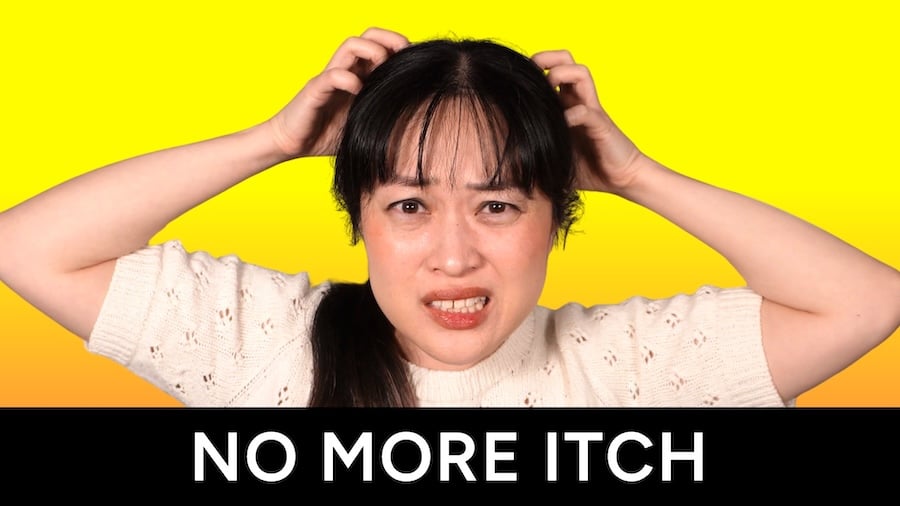
2. Compromised Scalp Barrier: More Than Just Dryness
Beyond microbial activity, the physical integrity of the scalp’s skin barrier is crucial for comfort and health. The scalp, fundamentally, is skin, and like facial or body skin, it relies on a robust barrier to retain moisture and protect against external irritants. When this barrier is compromised, it becomes "leaky," allowing vital water to escape (increased transepidermal water loss) and environmental aggressors, irritants, and even microbial byproducts to penetrate more easily, culminating in itching and inflammation.
One of the most common culprits behind barrier disruption is harsh cleansing. Shampoos, by their nature, contain surfactants designed to cleanse. However, overly aggressive formulations can strip the scalp of its natural lipids, leaving the barrier vulnerable. Cosmetic chemistry research highlights that the wrong cleanser can interfere with barrier function even after rinsing, perpetuating a state of irritation. This is analogous to how harsh facial cleansers can lead to tight, uncomfortable skin.
Beyond product choices, certain habits and environmental factors significantly impact scalp barrier health. Very hot showers, frequent use of high-heat blow dryers, and prolonged exposure to dry, cold weather or artificial heating can dehydrate the scalp. Hormonal fluctuations, such as the drop in oil production post-menopause, can also contribute to increased dryness and barrier vulnerability. It is crucial to understand that an oily scalp can still exhibit barrier dysfunction, leading to the seemingly paradoxical "oily-but-dry" condition where abundant sebum does not equate to adequate hydration.
3. Unidentified Allergens: The Hidden Irritants in Everyday Products
A less commonly recognized but significant cause of chronic itchy scalp is allergic contact dermatitis, triggered by specific ingredients in hair care products. While non-allergic individuals can safely use a vast array of ingredients, those with allergies experience an immune system overreaction to substances that are otherwise harmless. This can manifest as persistent itching, redness, and discomfort, often leading to a frustrating search for relief.
A prominent example of this phenomenon involves the preservatives methylisothiazolinone (MI) and methylchloroisothiazolinone (MCI), colloquially known as "the itchy Ms." These preservatives gained widespread use in the early 2010s following public misconceptions about the safety of parabens. Despite initial enthusiasm, subsequent research revealed a significant rise in allergic reactions. PubMed, a leading database for biomedical literature, contains numerous articles using the term "epidemic" to describe the surge in MI/MCI allergies, a term rarely used lightly in scientific discourse. Studies estimate that a few percent of the population, including those already suffering from chronic scalp issues, are allergic to these compounds. Alarmingly, MI and MCI were historically common in shampoos specifically formulated for "sensitive" or "itchy" scalps, creating a paradoxical situation for allergic users.
The European Union’s precautionary principle has led to stricter regulations, including the banning of certain ingredients (like zinc pyrithione, an active, not an allergen, but it illustrates the regulatory landscape) and stricter concentration limits for others, reflecting a global trend towards greater ingredient scrutiny. This highlights the ongoing challenge for regulators to balance efficacy with safety, especially in the context of emerging allergic reactions.
Other common allergens found in shampoos include certain fragrances, dyes, cocamidopropyl betaine (a surfactant), and formaldehyde-releasing preservatives (e.g., quaternium-15, DMDM hydantoin). For individuals experiencing persistent, unexplained itching after using various products, meticulously reviewing ingredient lists and considering patch testing by a dermatologist are critical diagnostic steps.
Navigating the Diagnostic Maze and Treatment Pathways

The overlapping nature of these causes—a microbial imbalance can weaken the barrier, making it more susceptible to allergens, and harsh treatments for microbes can further damage the barrier—makes accurate diagnosis challenging. A systematic approach is essential:
- Microbial Imbalance Diagnosis: More likely if the scalp is oily, symptoms worsen with less frequent washing, or a family history of dandruff/seborrheic dermatitis exists.
- Dry Scalp Diagnosis: More likely if the scalp feels tight after washing, symptoms worsen in dry climates, or oil production has decreased (e.g., with age).
- Allergen Diagnosis: Suspected if itching is consistently triggered by specific products, or if there’s a history of other contact allergies (e.g., laundry detergent sensitivities). Patch testing by a dermatologist is the gold standard for identifying specific allergens.
Targeted Treatment Strategies
Effective treatment necessitates a multi-pronged approach that addresses the identified causes:
1. Combating Microbial Overgrowth:
The most effective strategy involves anti-microbial shampoos and treatments. It is a crucial insight that one does not need visible flakes to benefit from these products.
- Key Actives:
- Selenium Sulfide: Highly effective, often found in formulations like Dercos Anti-Dandruff DS and Selsun. It works by inhibiting Malassezia growth.
- Zinc Pyrithione: Another potent anti-fungal, historically a staple in Head & Shoulders products. Its efficacy is high, though its insolubility can lead to a gritty feel. Regulatory changes, such as its ban in the EU, highlight evolving safety assessments, though it remains available in other regions like the US.
- Piroctone Olamine: A soluble, odorless active gaining popularity. Found in a wide range of "scalp refresh" or anti-dandruff shampoos, it offers effective Malassezia control without the sensory drawbacks of some older actives. Studies have shown improved scalp condition and reduced hair shedding with its use.
- Ketoconazole and Climbazole: Antifungals, with ketoconazole (e.g., Nizoral) being stronger. Some Malassezia species may show resistance to azoles, necessitating a trial of different actives if initial treatment is ineffective.
- Application Protocol: For optimal efficacy, anti-dandruff shampoos must be massaged thoroughly into the scalp, where microbes reside, and the manufacturer’s instructions, particularly regarding leave-on time, should be strictly followed. Leaving certain formulations on for too long can increase irritation without enhancing active deposition due to complex coacervate delivery systems.
- Conditioner and Regular Washing: Conditioners without anti-dandruff actives should be applied only to hair lengths to avoid washing away beneficial ingredients. Regular shampooing helps remove sebum, irritants, and microbes.
- Anti-Dandruff Serums: These offer targeted delivery of actives between washes, providing continuous relief and support for scalp health without weighing down hair.
2. Restoring Scalp Barrier Function:
Addressing "dry scalp" symptoms requires gentle care and barrier support.
- Gentle Cleansing: Opt for pH-balanced, gentle shampoos that cleanse without stripping the scalp’s natural oils. Many anti-dandruff shampoos are now formulated to be gentle.
- Avoid Scalp Conditioning: Conditioners are formulated for hair lengths, not the scalp, and their surfactants can be irritating.
- Antioxidants: Ingredients like niacinamide, panthenol, green tea extract, and madecassoside can protect the scalp from oxidative stress and inflammation, supporting barrier repair. Many advanced scalp serums incorporate these.
- Water Quality: Hard water, rich in dissolved minerals, can irritate the scalp and exacerbate dryness. Installing a shower filter or a whole-house water softening system can significantly improve scalp and hair health.
3. Managing Allergies:
For individuals with identified allergies, avoidance is key.
- Ingredient Scrutiny: Diligently check product ingredient lists for known allergens.
- Dermatological Consultation: Patch testing remains the most reliable method for identifying specific allergens, guiding product choices.
Ineffective and Potentially Harmful Practices
While many products and habits are marketed for scalp health, some can be counterproductive, particularly for chronic itchy scalp:
- Oils: Plant oils, especially as leave-on treatments, can feed Malassezia yeast, worsening microbial imbalances. While some perceive relief from massaging oils, this is often due to the physical removal of residue rather than genuine hydration or microbial control.
- Dry Shampoo: While useful for oil absorption, dry shampoo cannot replace proper washing. Overreliance or incorrect application can lead to product buildup and further scalp dryness or irritation.
- Scalp Scrubs and Brushes: For many, especially those with thick hair, scrubs struggle to reach the scalp effectively, often just abrading the hair. Physical exfoliation can also irritate an already compromised or inflamed scalp barrier. Silicone scalp brushes, used gently, may help with shampoo distribution but should not be aggressively used on sensitive skin.
- Chemical Exfoliants: While helpful for specific concerns like product buildup, chemical exfoliants (e.g., glycolic acid) should be used cautiously on an inflamed or compromised scalp barrier, as they can exacerbate irritation.
Conclusion
Chronic itchy scalp is a complex dermatological condition that demands a scientific, individualized approach. The days of generic anti-dandruff shampoos and one-size-fits-all remedies are giving way to a more nuanced understanding of microbial ecology, skin barrier physiology, and allergic sensitivities. By accurately identifying the underlying causes—whether microbial overgrowth, barrier dysfunction, or allergic reactions—and implementing targeted, evidence-based treatments, individuals can achieve lasting relief and foster optimal scalp health. For persistent or severe symptoms, consultation with a dermatologist or healthcare professional remains the most reliable path to diagnosis and effective management.
