
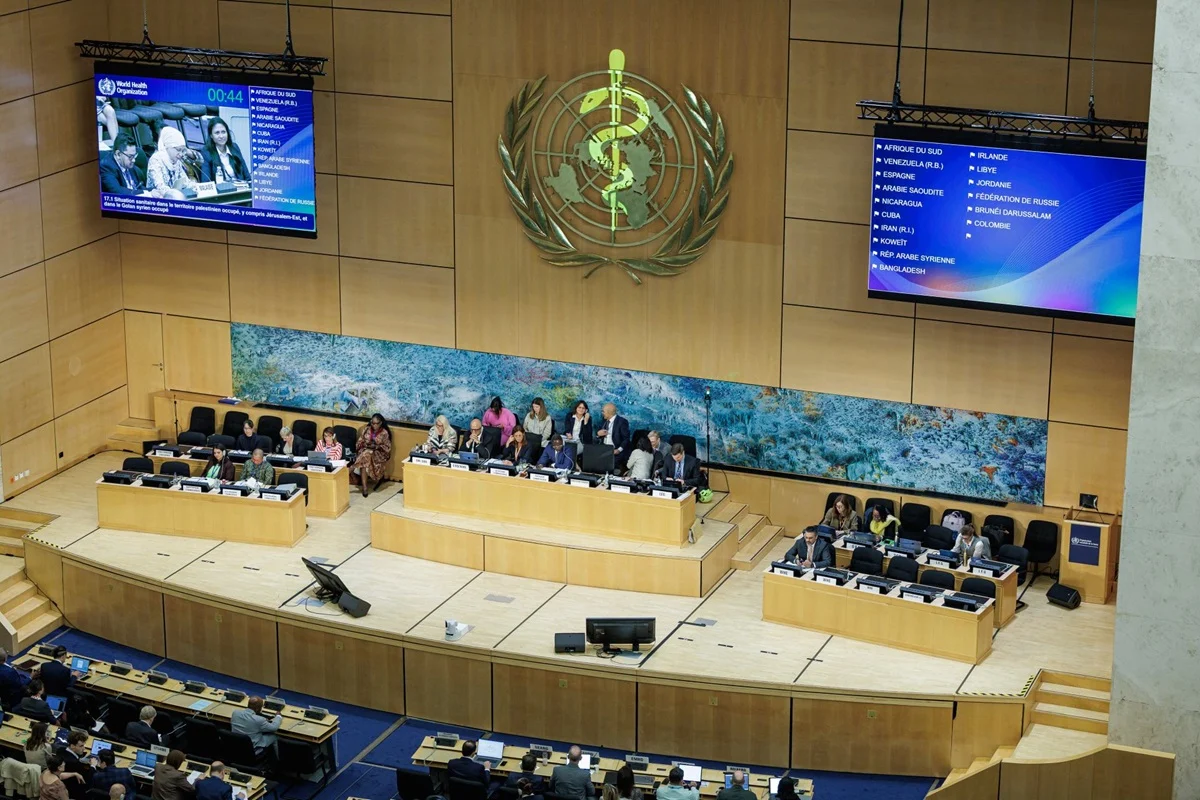
The World Health Assembly has officially endorsed a landmark decision requesting the Director-General to develop a comprehensive post-2030 tuberculosis (TB) strategy, a move that signals a renewed global commitment to eradicating one of the world’s oldest and deadliest infectious diseases. This decision, reached after extensive deliberation among Member States and relevant stakeholders, mandates that the new strategy be submitted to the Eighty-first World Health Assembly in 2028. By looking beyond the current 2030 deadline set by the United Nations Sustainable Development Goals (SDGs), the Assembly aims to create a sustainable roadmap that incorporates emerging scientific breakthroughs, evolving epidemiological trends, and the lessons learned from recent global health crises.
The upcoming strategy is designed to reinforce a holistic approach to public health, emphasizing strong alignment with primary health care (PHC) systems and the advancement of universal health coverage (UHC). This alignment is viewed as critical for ensuring that TB services are integrated into broader health infrastructures rather than remaining siloed. Furthermore, the strategy will play a pivotal role in the global health security agenda, serving as a foundational document for the 2028 United Nations High-Level Meeting on TB. By synchronizing these efforts, the international community hopes to close the gap between current progress and the ambitious targets necessary to end the TB epidemic for good.
Progress and Persistent Challenges in the Global TB Response
During the Assembly’s review of the current End TB Strategy, a report on implementation highlighted a complex landscape of significant triumphs overshadowed by systemic hurdles. On the positive side, the data revealed that between 2000 and 2024, expanded access to TB diagnosis and treatment saved an estimated 83 million lives. Notably, 2024 marked a historic turning point as the first year to see a post-pandemic decline in TB incidence. Additionally, the year saw the highest-ever recorded levels of access to essential TB services, suggesting that health systems are beginning to recover from the disruptions caused by COVID-19.
However, the report also delivered a sobering reality check: TB remains a leading infectious killer globally, and the world remains off track to meet the 2030 targets. The stagnation in progress is attributed to a "polycrisis" of factors, including chronic underfunding of TB research and programs, pandemic-related setbacks that reversed years of gains, and rising levels of inequality. Furthermore, modern challenges such as geopolitical conflict and climate-related displacement have created new pockets of vulnerability, making it difficult for mobile and marginalized populations to access consistent care. The Assembly’s call for a post-2030 strategy is an acknowledgment that the current pace of intervention is insufficient to overcome these multifaceted barriers without a fundamental shift in strategy and resource allocation.
Elevating Steatotic Liver Disease to a Global Health Priority
In a significant shift for the noncommunicable disease (NCD) agenda, delegates at the World Health Assembly approved a resolution recognizing steatotic liver disease (SLD) as a major and rapidly growing contributor to the global disease burden. SLD, which was formerly referred to as fatty liver disease, is estimated to affect 1.7 billion people worldwide—nearly one in four individuals. It is currently identified as one of the fastest-growing causes of chronic liver disease, yet it has historically received less policy attention than other NCDs like heart disease or diabetes.
The resolution emphasizes that SLD is not an isolated condition but is intricately linked to a cluster of metabolic disorders, including obesity, type 2 diabetes, and cardiovascular disease. While metabolic factors drive a large portion of cases, alcohol-associated liver disease continues to be a significant factor in the overall burden of SLD. Without intervention, the condition can progress from simple fat accumulation to liver fibrosis, cirrhosis, and ultimately liver cancer (hepatocellular carcinoma). This progression places immense pressure on health systems, particularly in regions where liver transplantation and advanced oncology services are limited.
To combat this rising tide, the resolution calls on Member States to formally integrate SLD into their national NCD strategies. This involves strengthening primary health care to allow for earlier detection, improving public awareness of the disease, and promoting multisectoral actions. These actions include addressing shared risk factors such as sedentary lifestyles, the consumption of ultra-processed foods, and the harmful use of alcohol. The Assembly also underscored the need for improved screening and management services for high-risk populations, specifically highlighting the increasing prevalence of SLD among children and adolescents, a trend driven by rising global pediatric obesity rates.
Bridging the Equity Gap for Haemophilia and Bleeding Disorders
In another major policy advancement, Member States endorsed a resolution aimed at closing the long-standing equity gap for individuals living with haemophilia and other rare bleeding disorders. These conditions, which include von Willebrand Disease and various clotting factor deficiencies, impair the body’s ability to form clots, leading to prolonged bleeding that can be life-threatening or cause permanent joint damage. It is estimated that nearly 70% of people with haemophilia worldwide remain undiagnosed, a statistic that the Assembly described as a "silent crisis" in global health.
The resolution represents a concrete commitment to improving the quality of life for a community that has often been overlooked in broad health policies. By recognizing these disorders within the framework of NCDs and maternal health, the resolution provides a pathway for better diagnostic capacity and more reliable referral systems to specialized treatment centers. A key component of the resolution is the encouragement of Member States to include life-saving therapies—such as factor concentrates and modern non-factor therapies—on their national Essential Medicines Lists.
Furthermore, the resolution stresses the importance of prophylaxis—preventative treatment to stop bleeding before it starts—as the standard of care. For many in low- and middle-income countries, access to such treatment is currently non-existent due to high costs and supply chain issues. By pledging to strengthen national data collection and reduce the social stigma associated with bleeding disorders, Member States hope to create a more inclusive environment where patients can lead productive lives without the constant fear of spontaneous, debilitating hemorrhages.
Addressing the "Infodemic": Rebuilding Trust in Science and Medicine
Recognizing that medical breakthroughs are only effective if the public trusts them, the Assembly held a high-level Strategic Roundtable on the growing threat of health mis- and disinformation. The session brought together a diverse coalition of government leaders, scientists, civil society representatives, and technology experts to discuss what many now term an "infodemic." The consensus among participants was clear: the spread of false information is not merely a communication hurdle but a direct public health threat that undermines vaccination campaigns, disease prevention efforts, and the overall delivery of healthcare.
The roundtable highlighted that the digital era has fundamentally changed how health information is consumed and shared. Participants shared strategies for building "information integrity," which include whole-of-government approaches and the empowerment of health workers as the most trusted voices in their communities. There was a strong call for proactive engagement—moving away from simply "debunking" myths after they have spread and toward "pre-bunking" or inoculating the public with accurate, evidence-based information before falsehoods take root.
Looking forward, the Assembly identified several priorities for rebuilding trust in science. These include deeper collaboration with technology platforms to manage the algorithmic spread of misinformation and sustained investment in resilient information ecosystems. The World Health Organization (WHO) was tasked with continuing its role as a central convener, providing normative guidance on how countries can protect their populations from the harmful effects of health disinformation while respecting freedom of expression.
Broader Implications for Global Health Governance
The decisions reached during this session of the World Health Assembly reflect a broader shift in global health governance toward integration and long-term sustainability. By addressing TB, SLD, and bleeding disorders through the lens of primary health care and NCD management, the WHO is moving away from disease-specific "vertical" programs and toward "horizontal" health system strengthening. This approach is intended to make health systems more resilient to future shocks while ensuring that no patient is left behind regardless of the rarity or complexity of their condition.
The focus on the post-2030 horizon for tuberculosis acknowledges that the world is entering a new era of public health, where climate change, migration, and antimicrobial resistance will play increasingly dominant roles. The recognition of SLD and the commitment to bleeding disorders further demonstrate an expanding definition of global health priorities that accounts for the changing lifestyles and demographic shifts of the 21st century.
As these resolutions move from the floor of the Assembly to national implementation, the success of these strategies will depend heavily on political will and the mobilization of resources. The reporting requirements established—such as the biennial progress reports on SLD and the 2028 submission for the TB strategy—will serve as essential mechanisms for accountability. For the millions of people affected by these conditions, the actions taken this week represent more than just policy shifts; they offer a promise of a more equitable and scientifically grounded future in global health.
