
The evolution of the chino from a utilitarian military necessity to a cornerstone of modern menswear represents one of the most enduring shifts in fashion history. Originally developed in the mid-19th century as a functional garment for British and French colonial troops, the chino—named after the Spanish term for Chinese, referring to the fabric’s origin—was designed to be lightweight, breathable, and durable enough for arid climates. By the post-World War II era, returning soldiers integrated these trousers into their civilian lives, cementing them as a symbol of practical, elevated style. Today, the chino stands as the quintessential "all-rounder" in a man’s wardrobe, bridging the gap between rigid formal tailoring and overly casual denim.
The Historical Context and Sartorial Evolution
The transition of the chino from the battlefield to the boardroom began in earnest during the 1950s. While denim was associated with counter-culture movements and rebellious youth, the chino maintained an association with stability, higher education, and the burgeoning "Ivy League" aesthetic. By the 1980s and 1990s, the "business casual" movement further solidified the chino’s position, as corporate environments sought a middle ground between the suit and the workwear aesthetic.
Data from recent retail market analyses indicates that the men’s trouser segment continues to prioritize versatility. Consumers are increasingly moving away from fast-fashion denim trends, such as heavily distressed or ultra-skinny cuts, in favor of timeless, durable, and multifunctional garments. In 2026, the demand for chinos has surged as a direct result of "quiet luxury" and "capsule wardrobe" trends, which emphasize quality over quantity.
Defining the Modern Standard: A Color-Coded Guide
To build a functional wardrobe, one must understand that the color of a chino dictates its utility. A curated selection of these six essential shades allows for a wide range of aesthetic combinations, suitable for virtually any professional or social engagement.
Beige: The Foundation of Classic Menswear
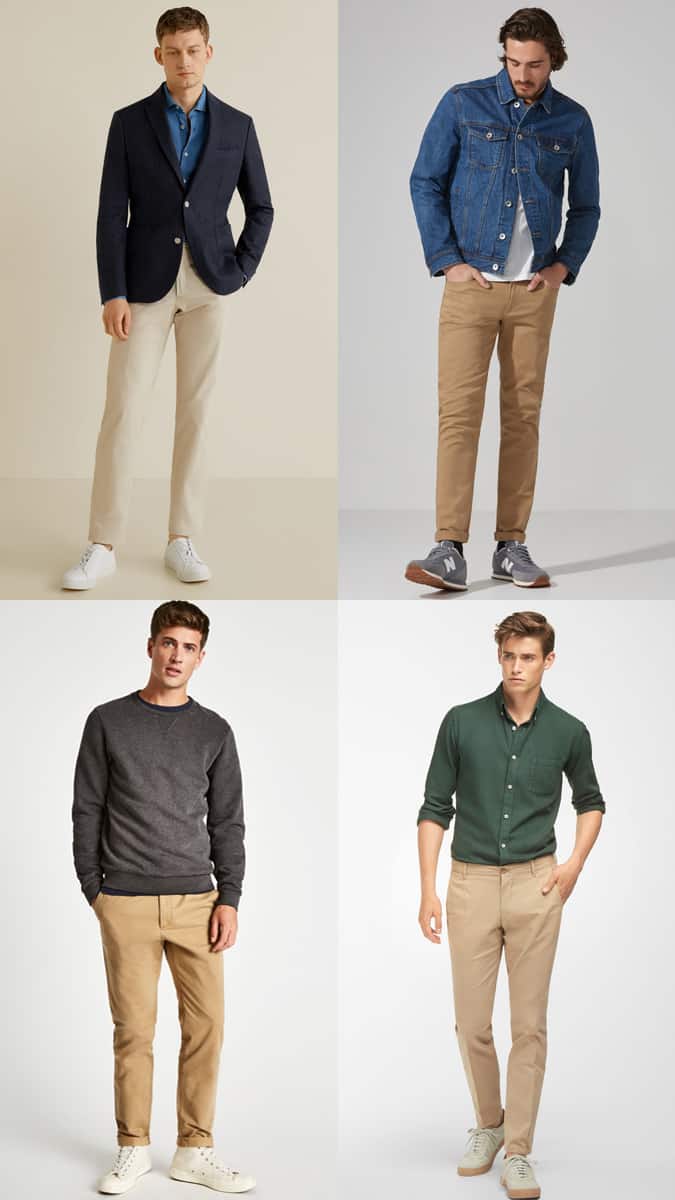
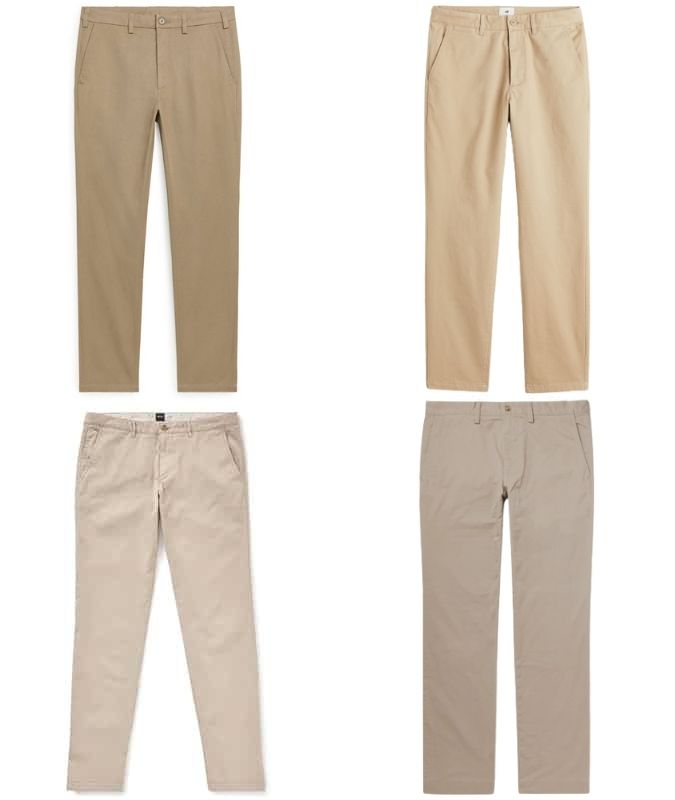
Beige remains the industry gold standard for chinos. Its historical prominence is inextricably linked to figures like Steve McQueen, who popularized the neutral-toned, rugged-yet-refined look in the mid-20th century. From a style analysis perspective, beige serves as a neutral base that allows for bolder textures or colors on the torso.

- Styling Implications: Because lighter colors are inherently less formal, beige chinos are best suited for daytime events, office environments with a relaxed dress code, or social outings. To maintain a contemporary appearance, experts recommend pairing beige with high-contrast, darker tones such as deep navy, burgundy, or charcoal gray. This creates a balanced silhouette that avoids the "washed-out" effect that can occur when pairing beige with white or light pastels.
Navy: The Professional Workhorse
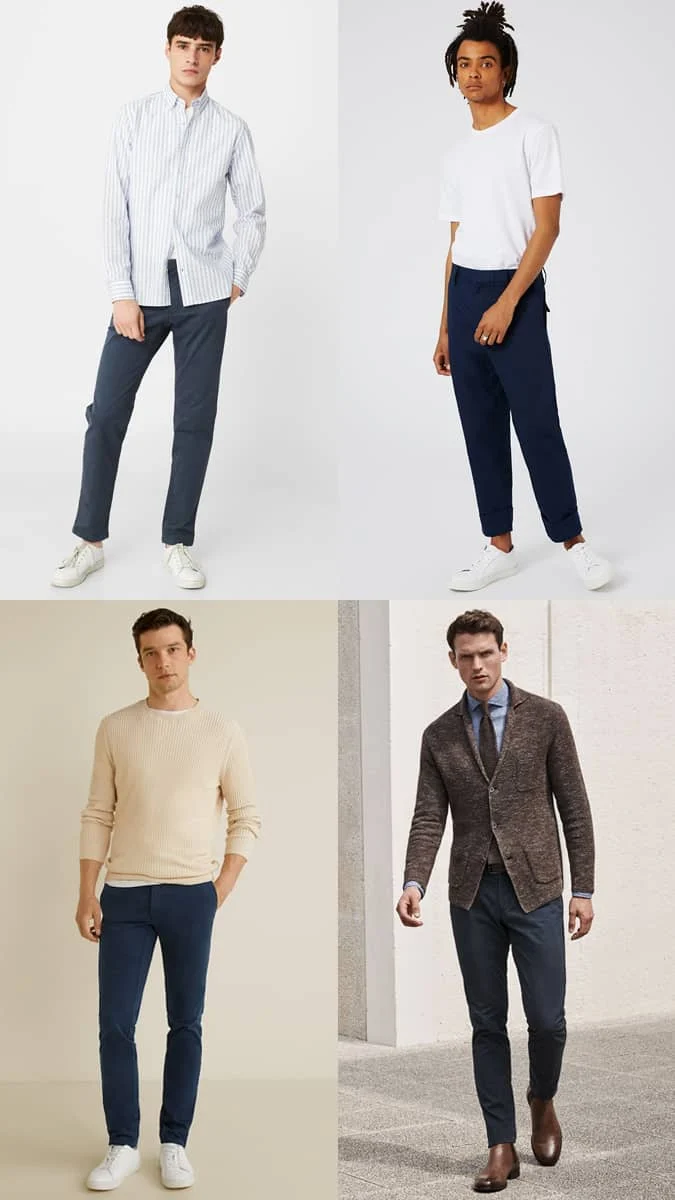
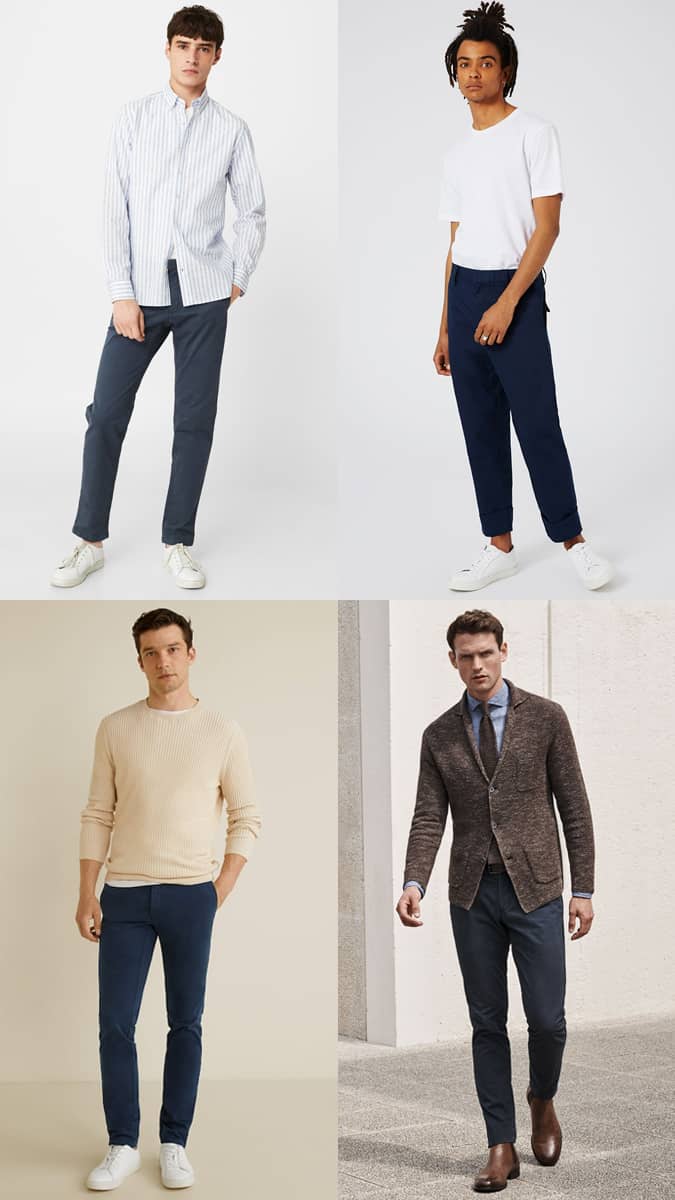
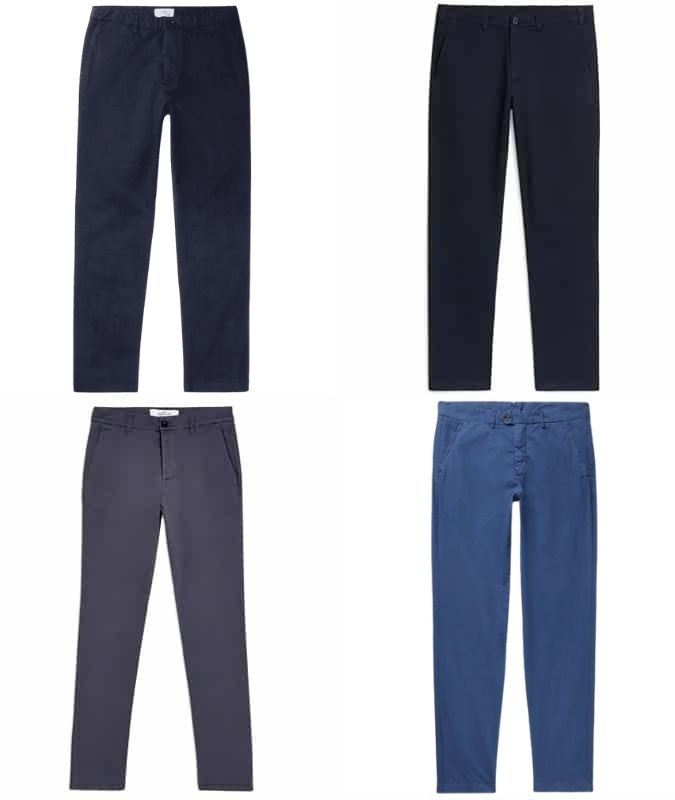
If beige is the casual staple, navy is the professional anchor. Navy chinos are frequently cited by fashion historians and style consultants as the most versatile item in a man’s closet. They possess a depth of color that mimics the formality of dress trousers while retaining the comfort of cotton twill.
- Professional Application: Navy chinos effectively function as a "third piece" in a suit-separate ensemble. When paired with a crisp white shirt, a navy blazer, and brown leather oxfords, they are largely indistinguishable from formal tailored trousers to the casual observer. This makes them an ideal choice for business-casual settings, allowing for a seamless transition from the office to evening commitments.
Khaki and Olive: The Military Heritage
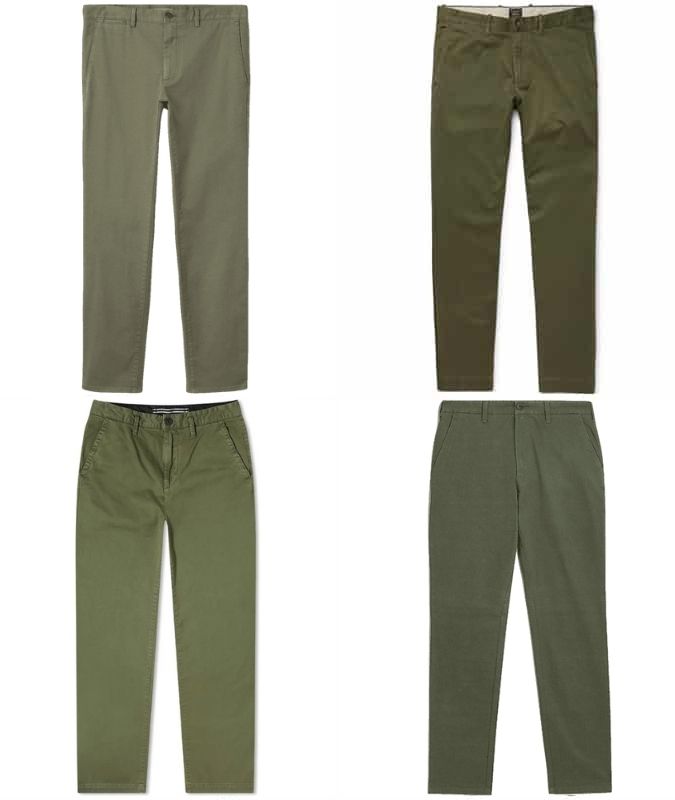
The distinction between khaki and olive green is subtle but significant. While traditional khaki is a light, sandy tan, modern iterations often veer into the "olive" spectrum, paying homage to the garment’s military roots. These colors provide a sophisticated alternative to the standard neutral palette and introduce a subtle, earthy depth to an outfit.
- Strategic Styling: Khaki and olive trousers are highly effective for layering. They pair exceptionally well with monochromatic tops in white, grey, or black. For a more adventurous approach, these colors harmonize with warm, autumnal tones such as camel, burnt orange, or forest green. The key to wearing olive successfully is to ensure the fit is precise; as a military-inspired color, a baggy or unkempt fit can undermine the intended professional authority of the garment.
Grey: The Boardroom Chameleon
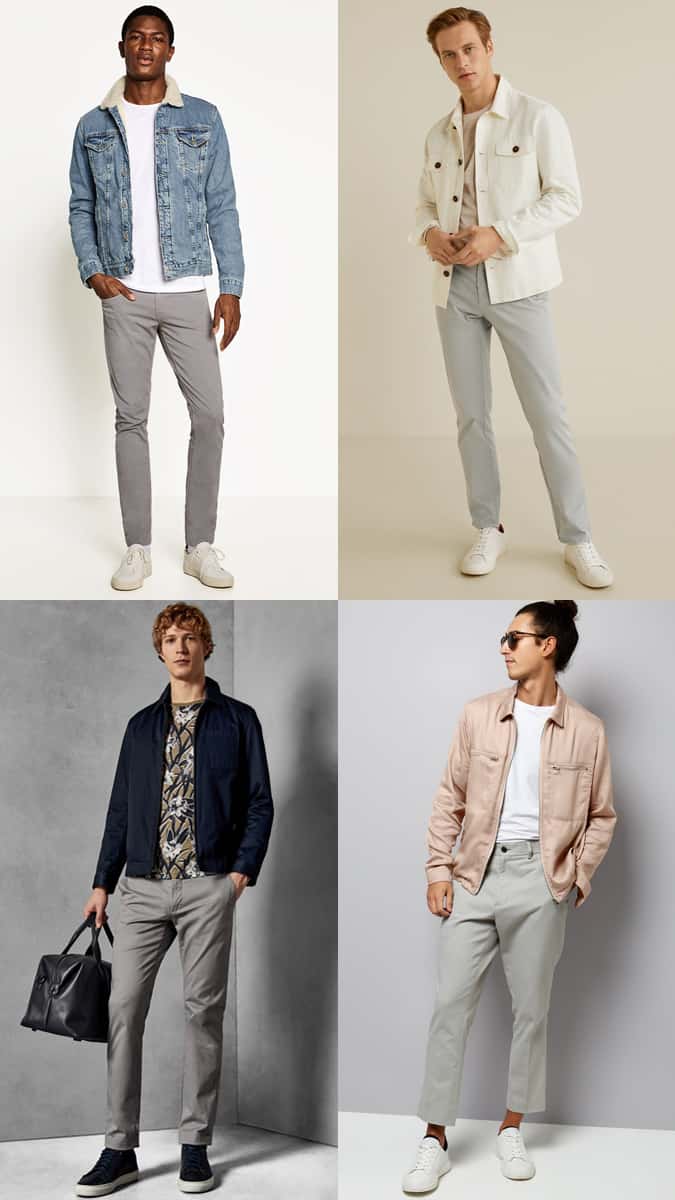
Grey is widely considered the most "boring" color, which is precisely why it is essential. In fashion design, neutral grey acts as a blank canvas. It is entirely color-blind, meaning it does not clash with any other hue in the color wheel. This makes it the most reliable option for men who travel frequently or who require a consistent, low-effort morning routine.
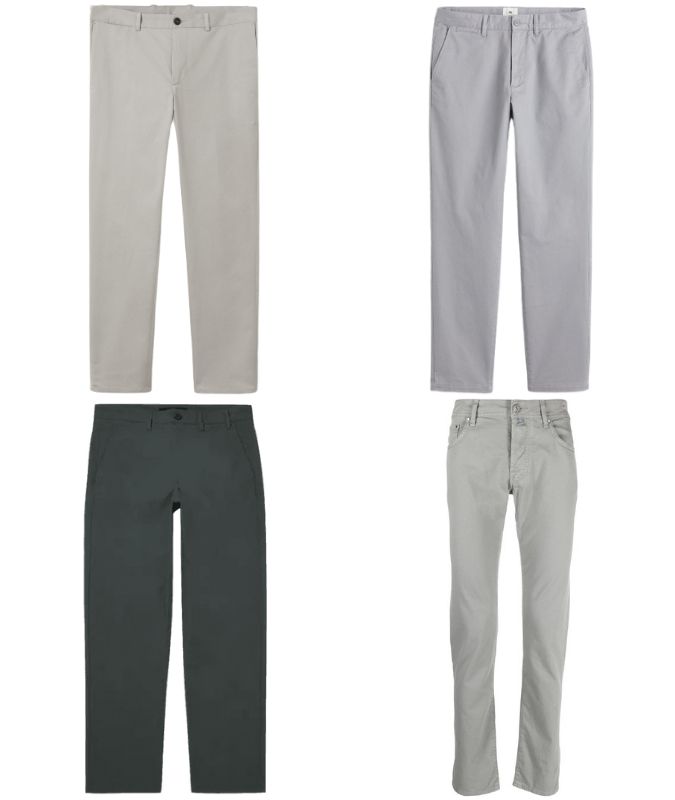
- Analysis of Utility: Grey chinos bridge the gap between business and off-duty style. A charcoal or slate grey chino can easily be paired with a black shirt for a sharp, evening-ready look, or with a denim jacket for a weekend aesthetic. Its neutrality makes it a perfect candidate for testing new color combinations in knitwear or outerwear.
Black: The Modern Essential
Black chinos serve as the direct replacement for denim in more formal or edgy contexts. Unlike denim, black cotton twill does not fade as quickly and maintains a cleaner, more uniform appearance throughout the day.
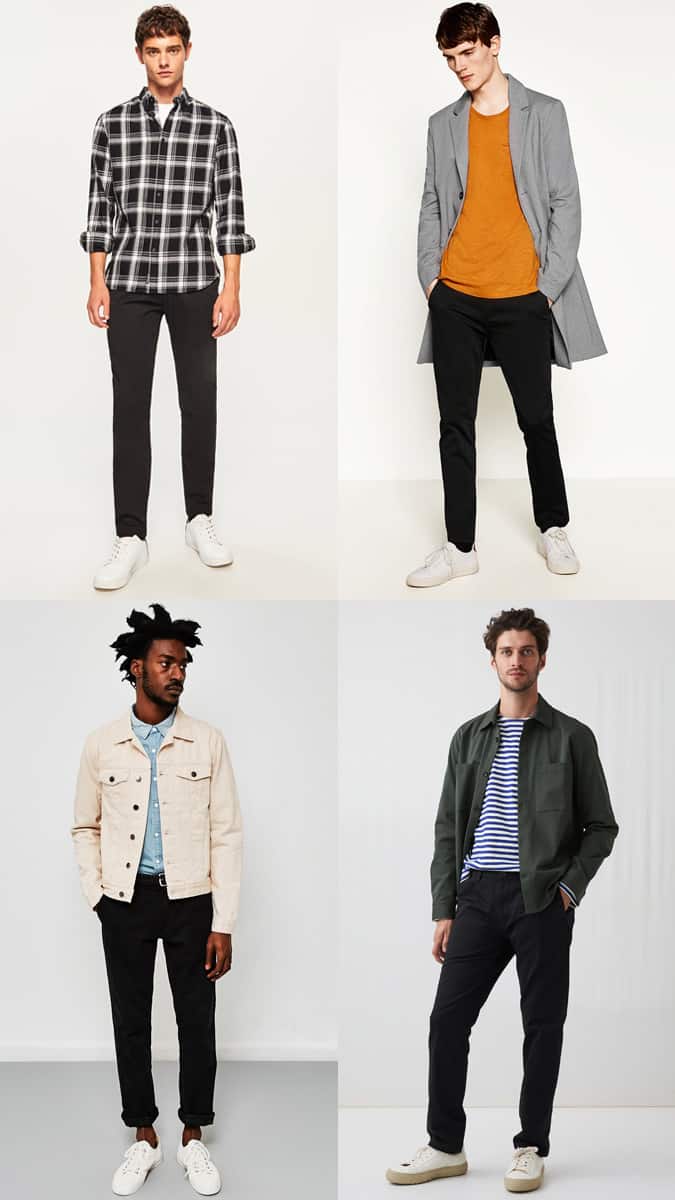
- Practical Considerations: Beyond aesthetics, black is a functional choice for those concerned with maintenance. It is the most effective color for masking minor stains or signs of wear, making it a pragmatic choice for daily commuters or those in high-activity professions. For a sharp, modern silhouette, black chinos are best paired with monochromatic layers or stark white contrast, creating a clean, minimalist look.
The Role of Pastel Tones
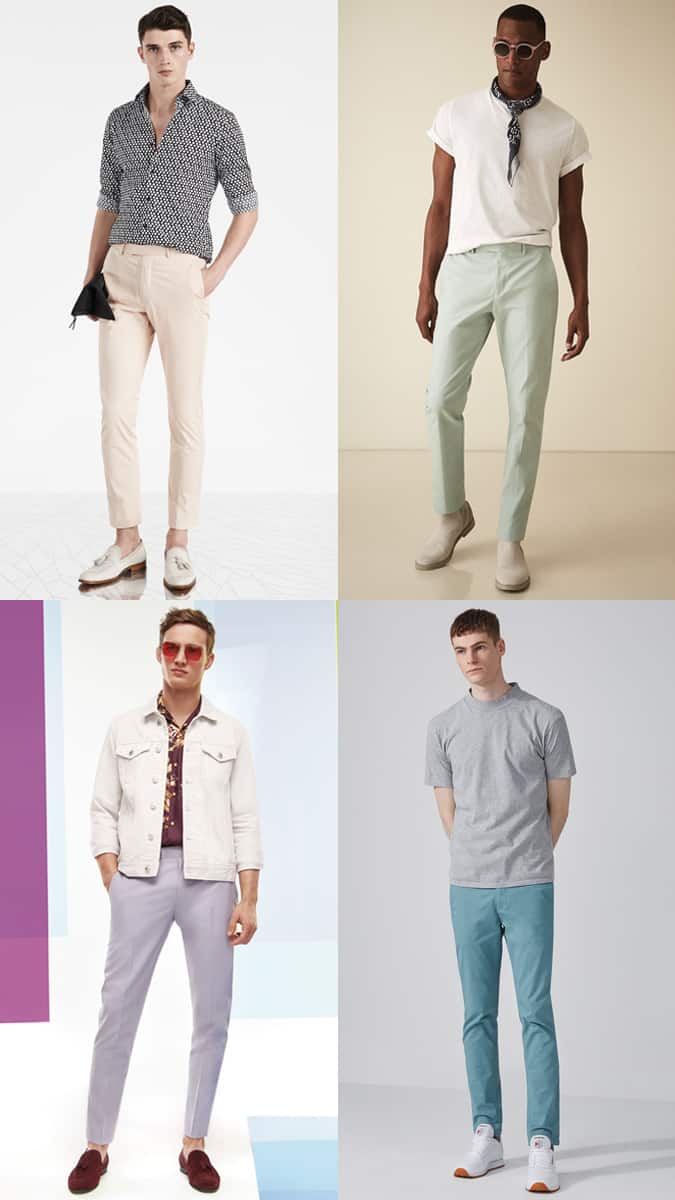
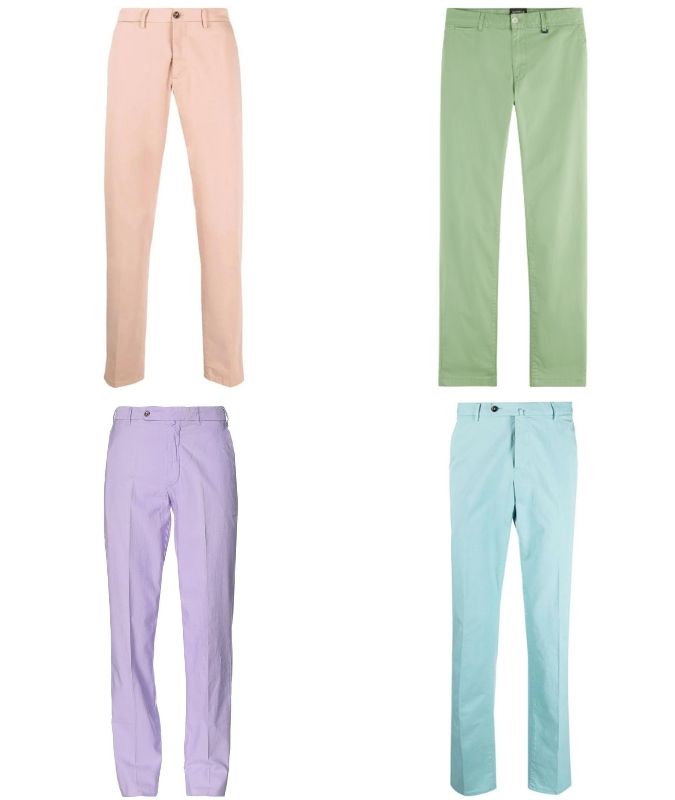
Pastel chinos—ranging from soft lavenders to dusty pinks and light blues—represent the "maverick" end of the spectrum. These colors are traditionally seasonal, typically associated with spring and summer collections.
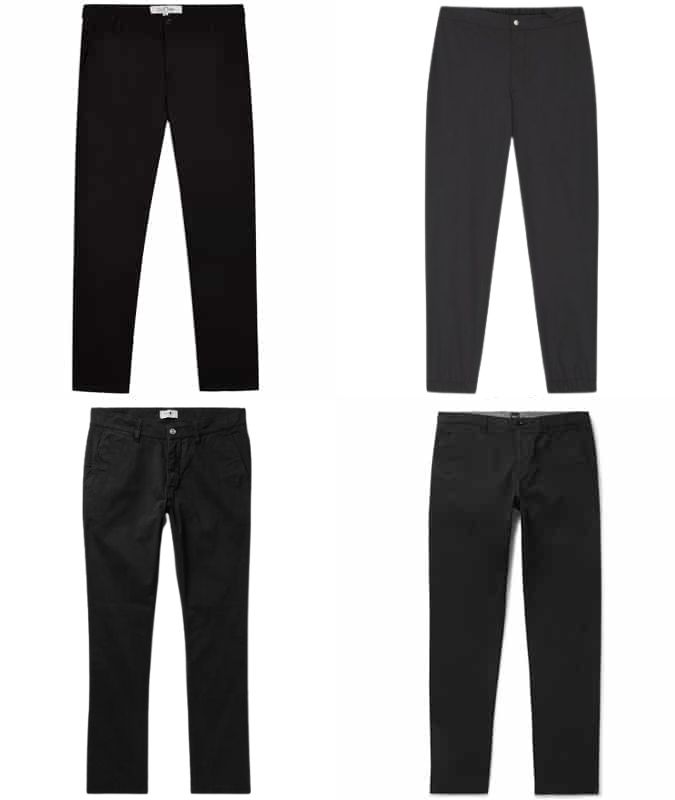
- Styling Caution: While pastel chinos can be a bold fashion statement, they require a disciplined approach to the rest of the outfit. To avoid appearing disjointed, the rule of "one focal point" should be applied. The pastel trousers should be the primary color in the outfit, while the shirt, jacket, and footwear remain in muted, neutral tones such as off-white, navy, or light grey.
Economic and Industry Implications
The focus on these specific colorways is supported by a broader shift in the retail landscape. Major menswear manufacturers, including brands like A.P.C., Bonobos, and J.Crew, have consistently prioritized these six shades in their "core" collections. From an economic standpoint, this signals that consumers are moving away from trend-driven, seasonal color palettes toward a "buy less, wear more" model.
Industry analysts suggest that the rise of high-quality synthetic blends—which add elasticity and wrinkle resistance to cotton—has further extended the lifespan of these trousers. A well-constructed pair of chinos in one of these six colors can last for several years, providing a higher return on investment compared to trend-specific garments.
Summary of Best Practices
To maximize the utility of these colors, one should consider the following professional guidelines:

- Fit is Paramount: Regardless of color, the silhouette should be tapered but not restrictive. A mid-rise waist with a tailored leg provides the most longevity.
- Fabric Integrity: Prioritize high-density cotton twill with a small percentage of elastane (usually 2–3%) to ensure the trousers retain their shape over time.
- Color Pairing: Use a simple grid system: pair light bottoms with dark tops, and dark bottoms with light tops. This creates a natural visual balance.
- Footwear Coordination: Beige and khaki chinos pair best with brown or tan leather; navy, grey, and black chinos are highly versatile and accommodate both black and dark brown leather, as well as white canvas sneakers.
As of 2026, the chino remains the most resilient garment in the male wardrobe. By focusing on these six core colors, an individual can build a modular, efficient, and sophisticated wardrobe that stands the test of time, proving that the most reliable style choices are often the simplest ones.
