
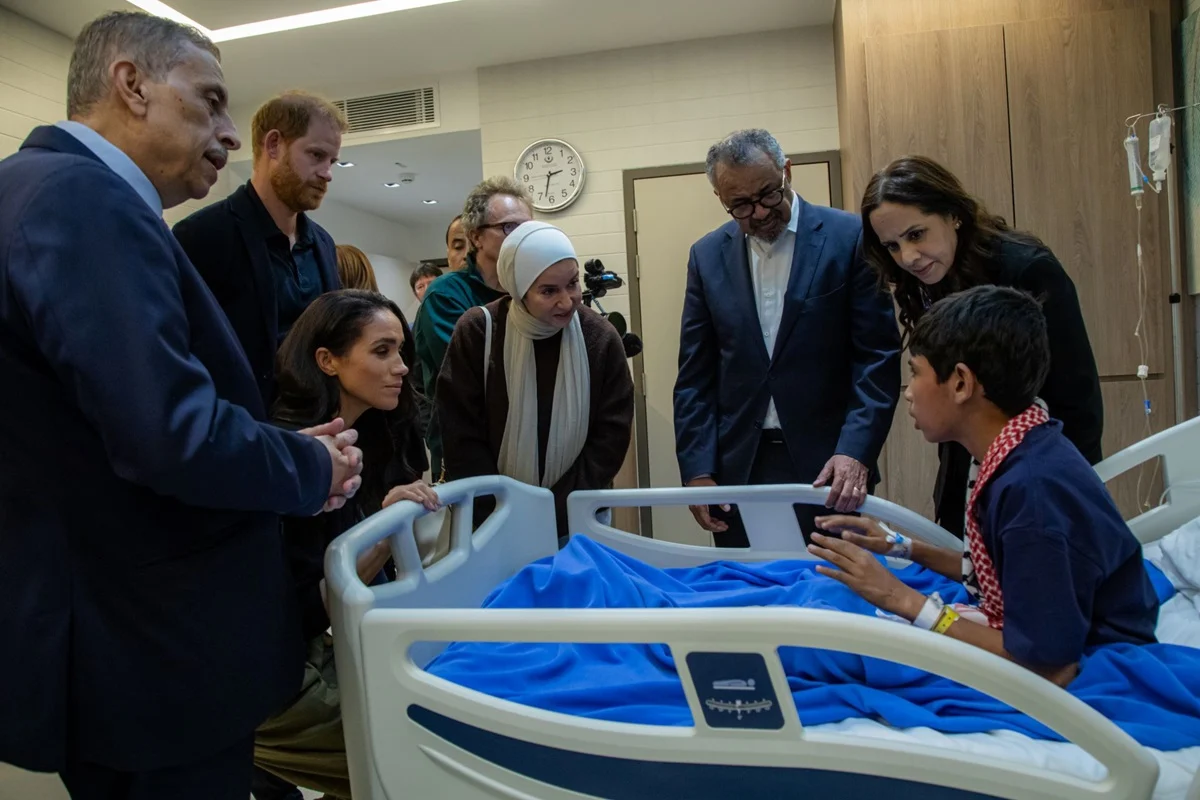
The Director-General of the World Health Organization (WHO), Dr. Tedros Adhanom Ghebreyesus, has completed the first phase of a high-level two-day State visit to the Hashemite Kingdom of Jordan, a diplomatic mission aimed at reinforcing the strategic partnership between the international health body and the Jordanian government. The visit centered on the advancement of universal health coverage (UHC), the integration of mental health services into primary care, and the coordination of humanitarian health responses in a region currently grappling with severe instability and mass displacement.
High-Level Diplomatic Engagement with King Abdullah II
The cornerstone of the visit was a formal audience with His Majesty King Abdullah II of Jordan. The discussions between the WHO Director-General and the monarch highlighted Jordan’s unique geopolitical position as both a stable regional anchor and a primary humanitarian hub. The dialogue specifically addressed the systemic challenges of expanding healthcare access for the nation’s diverse population, which includes over three million refugees—a testament to Jordan’s role as one of the world’s most significant refugee-hosting nations per capita.
A critical point of focus was the ongoing crisis in Gaza and the subsequent humanitarian fallout. King Abdullah II has been a vocal advocate for medical neutrality and humanitarian access, a commitment embodied by the “Medical Corridor” initiative. This logistical and diplomatic framework facilitates the evacuation of critically ill and injured Palestinian patients, particularly children suffering from cancer or acute trauma, into Jordan for specialized treatment. Dr. Tedros lauded this initiative, noting that it represents a global gold standard for how nations can prioritize humanity amidst geopolitical turbulence.
Chronology of the Visit and Humanitarian Site Inspections
The first day of the mission was defined by a mix of high-level policy meetings and direct engagement with frontline health providers. Dr. Tedros spent significant time at a WHO-supported hospital designated for the care of patients evacuated from Gaza. The visit was a stark reminder of the human cost of the conflict; the Director-General interacted with young patients and their families, as well as the medical staff tasked with providing complex care for oncology and trauma cases under extreme duress.
Following this, the Director-General convened a multi-stakeholder roundtable involving donor countries, UN agency representatives, and international philanthropic organizations. The agenda for this summit was the long-term sustainability of Jordan’s health financing model. As host to massive populations from Syria and Palestine, Jordan’s public health infrastructure faces immense fiscal pressure. The meeting sought to secure commitments for the scaling of mental health services, a sector where WHO has been providing technical assistance through the Director-General’s Special Initiative for Mental Health.
The Role of Philanthropic Partnerships
Adding a distinct dimension to the visit was the participation of the Duke and Duchess of Sussex, Prince Harry and Meghan. Representing Archewell Philanthropies, the couple joined Dr. Tedros to highlight the intersection of mental health and emergency crisis response. Their involvement underscored the need for mental health support not just as a clinical requirement, but as a fundamental human right for those experiencing the trauma of displacement and conflict.
Prince Harry, in his capacity as an ally of WHO’s global mental health agenda, emphasized that the psychological impact of war is frequently overlooked in humanitarian budgets. "Mental health is fundamental to recovery, dignity, and long-term peace," the Duke stated during the visit, stressing that the stigma associated with trauma-informed care must be dismantled to ensure that aid reaches men, women, and children effectively in post-conflict or crisis-stricken environments.
Contextualizing Jordan’s Health Infrastructure
Jordan has historically maintained one of the most robust health systems in the Middle East. According to recent WHO data, the Kingdom has made significant strides in achieving UHC, with primary health care (PHC) serving as the backbone of its strategy. By integrating mental health into routine PHC services, Jordan is effectively addressing the "hidden" burden of disease that often accompanies large-scale population migration.
However, the strain of regional crises cannot be overstated. With approximately one-third of the population composed of refugees, the Jordanian Ministry of Health faces a permanent challenge in balancing the needs of its citizens with its international humanitarian obligations. The Ministry’s collaboration with the WHO has been pivotal in creating a resilient system capable of rapid scaling during emergencies, such as the COVID-19 pandemic and the current regional medical evacuations.
Analytical Outlook: The Importance of the Medical Corridor
The "Medical Corridor" model serves as a vital case study in health diplomacy. By acting as a transit and treatment hub, Jordan provides a lifeline that would otherwise be non-existent for patients in conflict zones. Analysts suggest that the success of this model relies on three pillars: political will, international financial burden-sharing, and technical coordination with the WHO.
The presence of international donors at the high-level meeting indicates a growing recognition that supporting Jordan’s health system is not merely a regional issue but a global imperative. Failure to maintain the infrastructure in host countries like Jordan risks a secondary health crisis, where the breakdown of basic services could lead to outbreaks of infectious diseases or the collapse of maternal and child health programs.
Strategic Priorities for Day Two
As the State visit transitions into its second day, the itinerary reflects a shift from emergency response to long-term health system integration. The Director-General is scheduled to visit the National Center for Rehabilitation of Addicts. This facility is a critical component of Jordan’s social welfare strategy, demonstrating the country’s commitment to addressing complex health issues beyond acute care.
Furthermore, Dr. Tedros will engage with the Jordanian Hashemite Fund for Human Development (JOHUD) to discuss community-led development and women’s health. The final leg of the visit will include a tour of the King Hussein Cancer Center (KHCC), a regional leader in oncology care. Discussions at the KHCC are expected to focus on fostering regional research collaboration and ensuring that advancements in cancer treatment are accessible to refugee populations, bridging the gap between high-tech medicine and humanitarian necessity.
Broader Implications for Global Health
The visit by the WHO Director-General is a strategic move to solidify the "Health for All" agenda in a volatile region. By elevating Jordan’s efforts to the global stage, Dr. Tedros is signaling to the international community that sustained investment is required. The partnership is not just about immediate relief; it is about building systems that are inherently resilient to the shocks of the 21st century.
As the global health community looks toward future pandemic preparedness and the management of regional crises, the Jordan model—characterized by the integration of mental health, the expansion of primary care, and the maintenance of humanitarian corridors—provides a blueprint for other nations. The commitment shown by the Jordanian government, coupled with the advocacy of global partners like the Duke and Duchess of Sussex, creates a powerful synergy that draws both resources and public awareness to the plight of the most vulnerable.
Ultimately, the success of this visit will be measured by the continuity of funding for the medical evacuation corridors and the expansion of the mental health services promised under the ongoing WHO-Jordan collaboration. As Dr. Tedros noted, Jordan continues to show the world what it means to put health and humanity first, a sentiment that serves as a call to action for the international community to match that level of commitment with tangible support.
Conclusion of the Mission
The mission underscores the WHO’s ongoing shift toward "proactive health diplomacy." By engaging directly with national leadership and philanthropic partners, the organization is attempting to shift the narrative from reactive emergency aid to sustainable development. As the visit concludes, the focus remains on ensuring that the health of refugees and the stability of the Jordanian health system remain at the top of the international agenda, securing a legacy of resilience and compassion in the face of ongoing regional instability.
