
The global health landscape is undergoing a profound transformation as the World Health Organization (WHO) pivots toward a more diversified and sustainable funding model. Central to this evolution is the increasing reliance on strategic philanthropic partnerships, which are being leveraged to close the funding gap in pandemic preparedness, vaccine accessibility, and primary healthcare delivery. As geopolitical instability and climate-related health risks threaten decades of progress, the role of private capital and charitable foundations has shifted from auxiliary support to a fundamental pillar of the international health architecture.
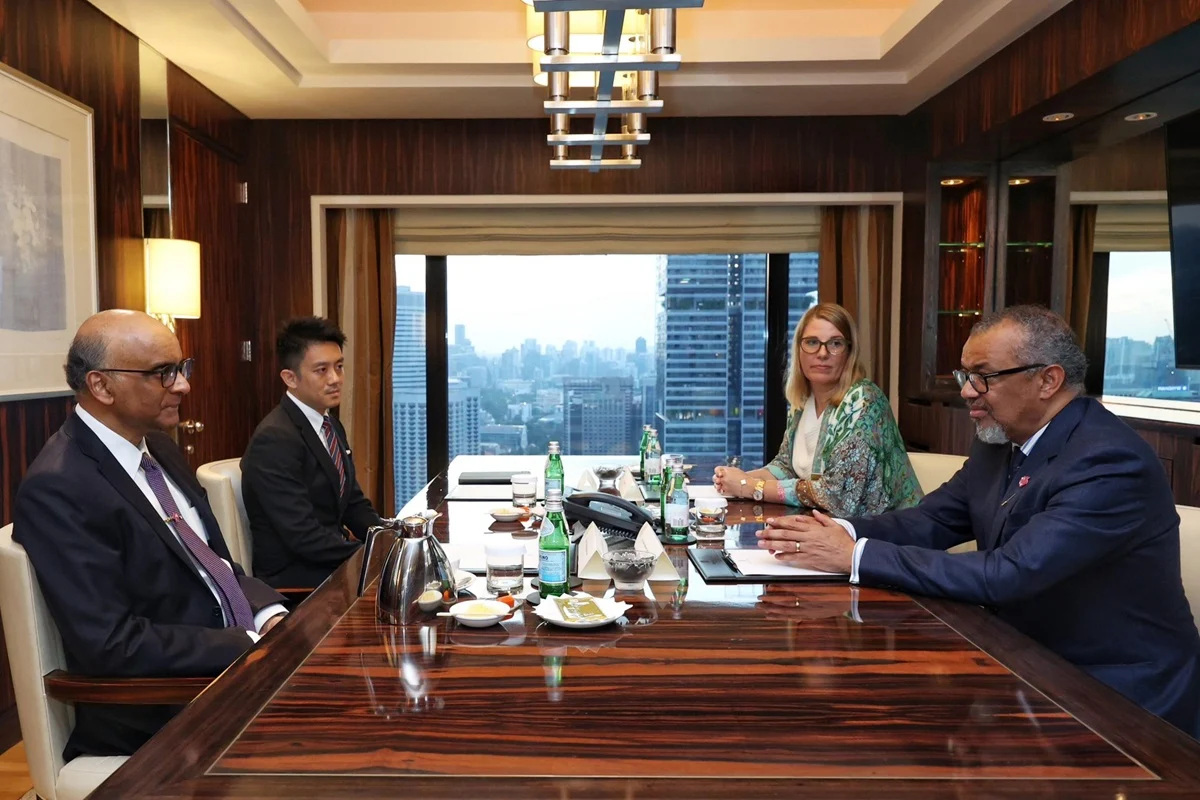
This shift was brought into sharp focus at the 2025 Philanthropy Asia Summit, held in Singapore from May 5 to 7. The event served as a critical platform for Dr. Tedros Adhanom Ghebreyesus, WHO Director-General, to articulate a vision of "health as a right, not a luxury," while formally acknowledging the outsized impact that philanthropic organizations—specifically the Temasek Foundation and the Philanthropy Asia Alliance—are having on the WHO’s current strategic mandate.
The Evolution of the WHO Investment Round
The WHO Investment Round, a multi-year initiative designed to secure predictable and flexible funding, represents a departure from traditional, highly earmarked donor contributions. Historically, the WHO has struggled with "fragmented funding," where the vast majority of resources are tied to specific projects or regions, limiting the organization’s ability to respond to emerging crises.
By engaging strategically with philanthropic actors, the WHO aims to broaden its donor base. These partnerships are not merely transactional; they are designed to provide the core funding necessary for the Fourteenth General Programme of Work. The objective is to achieve a more resilient health architecture that can withstand the shocks of future pandemics while maintaining the momentum of routine immunization and primary care services.
Singapore has positioned itself as a vanguard of this model. During the summit, Dr. Tedros commended President Tharman Shanmugaratnam and the Singaporean government for their proactive leadership. Notably, Singapore and the Temasek Foundation were among the inaugural supporters of the Investment Round, signaling a vote of confidence in the WHO’s administrative reforms and its long-term strategic direction.
Chronology of Strategic Engagement
The integration of philanthropy into global health governance has accelerated significantly over the past decade. A brief timeline of these developments illustrates the changing nature of the sector:
- 2015–2020: The rise of the "Global Fund" model demonstrates the effectiveness of public-private partnerships in tackling specific diseases like HIV, tuberculosis, and malaria.
- 2020–2022: The COVID-19 pandemic exposes severe vulnerabilities in global supply chains. Philanthropic entities, such as the Bill & Melinda Gates Foundation and the Wellcome Trust, become critical intermediaries in funding vaccine R&D and cold-chain logistics.
- 2023: The WHO officially launches the conceptual framework for the Investment Round, emphasizing the need for flexible, multi-year funding to move away from the volatility of annual budget cycles.
- May 2025: The Philanthropy Asia Summit in Singapore serves as the primary stage for consolidating these partnerships, marking a formalization of the WHO’s outreach to non-traditional, private-sector actors.
Supporting Data: The Funding Gap
The urgency of this collaboration is underscored by stark economic data. According to WHO estimates, achieving the Sustainable Development Goal (SDG) 3—which aims to ensure healthy lives and promote well-being for all—requires a massive scale-up in public health expenditure.
Current data suggests that low- and middle-income countries face an annual financing gap of over $170 billion to reach basic health targets. While traditional government-to-government aid remains the largest source of health financing, its growth has stagnated due to fiscal constraints in many donor nations. Philanthropy, while smaller in absolute volume compared to national health budgets, provides "catalytic capital." This funding is often used for high-risk research, digital health infrastructure, and policy advocacy—areas where governmental processes are often too slow or bureaucratic to intervene effectively.
The Multiplier Effect of Philanthropy
Philanthropic entities possess distinct operational advantages that the WHO is increasingly eager to harness. These include:
- Risk Tolerance: Unlike government grants, which require strict accountability and immediate performance metrics, philanthropic funds can be directed toward "high-risk, high-reward" research. This is essential for developing novel vaccines or testing new delivery models in conflict-affected zones.
- Agility: During acute emergencies, philanthropic organizations can deploy resources within days, whereas international intergovernmental processes can take months to clear procurement and legal hurdles.
- Advocacy and Awareness: Private foundations possess the soft power to influence national leaders, shifting the political calculus to prioritize health equity and Universal Health Coverage (UHC) in domestic policy agendas.
Analysts at the summit noted that the "multiplier effect" of these investments is significant. When a foundation invests in a primary healthcare training program, it often triggers secondary investment from local governments, who see the proven success of the pilot and are more likely to scale it across their national health systems.
Official Perspectives and Diplomatic Resonance
The alignment between the WHO and philanthropic actors has not been without its critics; historically, some have argued that private influence could skew global health priorities toward the interests of the wealthy. However, the current leadership at the WHO emphasizes that these partnerships are governed by strict accountability frameworks.
In his remarks at the Singapore summit, Dr. Tedros emphasized that the WHO maintains the moral and technical authority to define the global health agenda. The role of the partner is to support that agenda, not to dictate it. "We are working together to realize our founding vision: the highest attainable standard of health—not as a luxury for some, but a right for all," he noted.
Reaction from regional leaders has been largely positive. By hosting the summit, Singapore has highlighted its own health-tech innovations, suggesting that the future of global health lies at the intersection of private sector ingenuity and public sector governance. Representatives from the Philanthropy Asia Alliance indicated that they view the WHO as the only organization capable of orchestrating such a massive, multi-stakeholder effort, further validating the WHO’s central role in the global health ecosystem.
Implications for the Future of Global Health
The implications of this closer alignment between the WHO and philanthropic foundations are far-reaching.
First, it suggests a move toward "Institutionalized Partnership." The WHO is moving beyond intermittent grant-seeking to a model of sustained engagement, where foundations are treated as essential stakeholders in policy development, rather than mere donors.
Second, there is a clear trend toward Health Sovereignty. By investing in local research, diagnostic capacity, and workforce training, philanthropic partners are helping nations move toward self-reliance. This is a critical transition; if a country can produce its own basic therapeutics and manage its own surveillance systems, the reliance on emergency international intervention is reduced.
Third, the Digital Transformation of Health. A significant portion of current philanthropic investment is being funneled into digital health, including AI-driven epidemiological modeling and electronic health records. These technologies allow for better resource allocation, ensuring that funds reach the populations that need them most, thereby reducing systemic disparities.
As the WHO moves forward with its Fourteenth General Programme of Work, the success of these philanthropic collaborations will be measured by their ability to close the health equity gap. While the challenges—including climate change, antimicrobial resistance, and aging populations—are daunting, the mobilization of private resources provides a critical lifeline. The summit in Singapore has underscored that in an increasingly turbulent world, the synergy between public mandate and private capital is not just an advantage—it is a necessity for the survival and progress of global health.
The path ahead remains complex. Sustaining these partnerships will require transparency, clear communication of impact, and a continued commitment to the ethical principles that guide the WHO. However, if the current trajectory holds, the integration of philanthropy will likely be remembered as one of the most significant strategic pivots in the history of the organization, marking a new era of collaborative global governance.
