
Singapore’s path toward absolute food security has long been a masterclass in strategic foresight and pragmatism. Importing over 90% of its food supply while dedicating a meager 1% of its land to traditional agriculture, the island nation has continually faced structural vulnerabilities. Climate change, geopolitical conflicts, global supply chain bottlenecks, and post-pandemic economic shifts have amplified the urgency of establishing a stable, self-reliant food ecosystem.
For years, the government’s response centered heavily on the ambitious "30 by 30" initiative, which aimed to produce 30% of Singapore’s nutritional needs domestically by 2030. However, the realities of high operating costs, limited land resources, and a nascent agrifood sector prompted a policy pivot. Late last year, the administration transitioned from "30 by 30" to Food Story 2.0, targeting 20% of fiber and 30% of protein consumption from local sources by 2035. Initially, alternative proteins—such as plant-based substitutes and cultivated meats—were pushed out of the primary policy spotlight due to global headwinds, high production costs, and lagging consumer adoption.
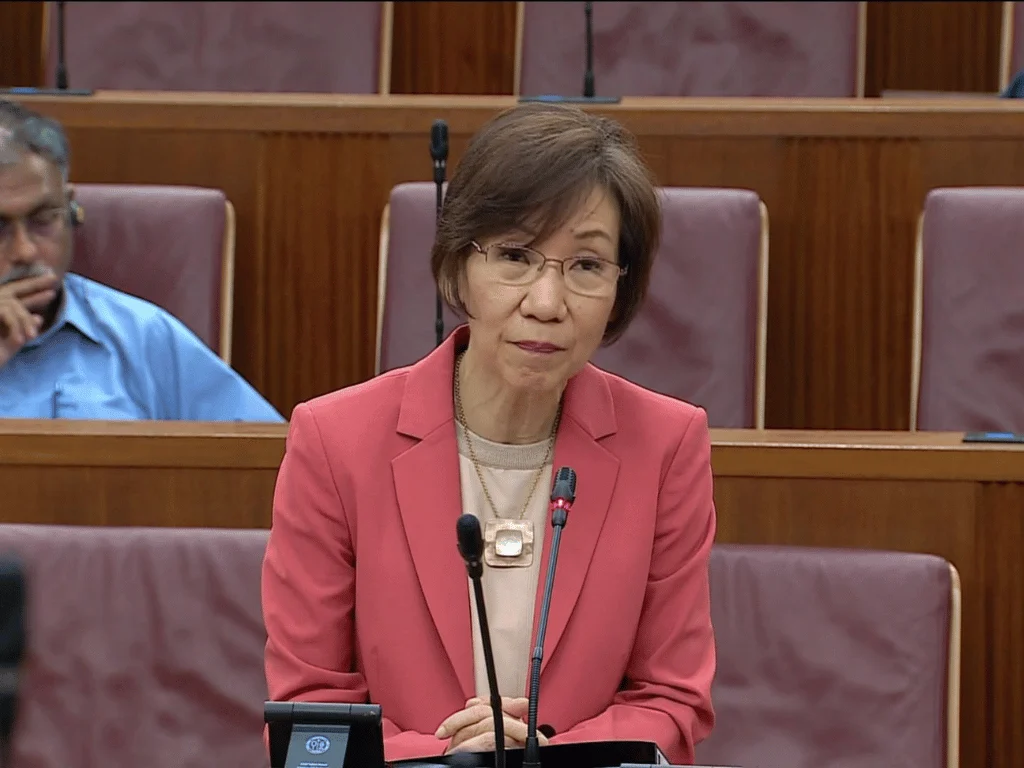
Yet, a recent parliamentary exchange initiated by Member of Parliament Shi Xuan Ng has breathed new life into the alternative protein discourse. Environment Minister Grace Fu restated the government’s view that novel foods remain a critical pillar for Singapore’s long-term food resilience, signaling a nuanced recalibration of how the city-state intends to navigate the future of food.
The Shift from "Grow Local" to "Produce Local"
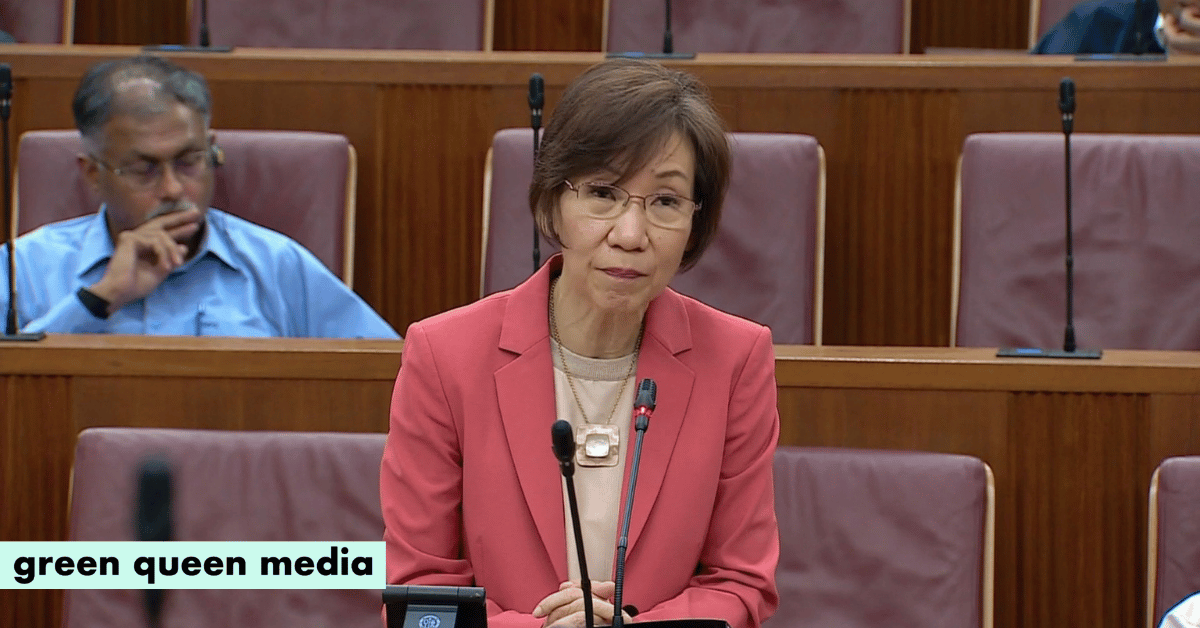
During the parliamentary session earlier this month, MP Ng challenged lawmakers to reframe the national conversation regarding food production. He argued that the conventional "grow local" mindset—which inherently relies on scarce land—must evolve into a "produce local" strategy leveraging high-tech food manufacturing and biotechnology.
"Protein is a daily need, not a daily choice," Ng stated, emphasizing that securing a consistent supply cannot be left to chance. He advocated for a systemic approach mirroring the nation’s robust strategies for water and energy independence. In an environment defined by continuous disruption, Singapore’s resilience depends on maintaining a diverse portfolio of options, operational buffers, and technological redundancies.
Ng introduced three core proposals to fortify the domestic alternative protein sector: clarifying the government’s long-term strategic vision for novel foods, accelerating commercialization pathways for local startups, and preserving the specialized capabilities the country has already established. He stressed that abandoning the sector prematurely merely because initial consumer demand has yet to peak would squander years of foundational investment.
Government Investment and Regulatory Poneering
Singapore’s journey into the alternative protein space is rooted in pioneering regulatory frameworks and substantial financial backing. In 2020, the Singapore Food Agency (SFA) made global headlines by becoming the first regulatory authority in the world to approve the sale of cultivated meat. Since then, the Lion City has greenlit several additional cultivated protein products—including options tailored for the pet food market—and served as the global launchpad for Solar Foods’ innovative air-derived protein, Solein.
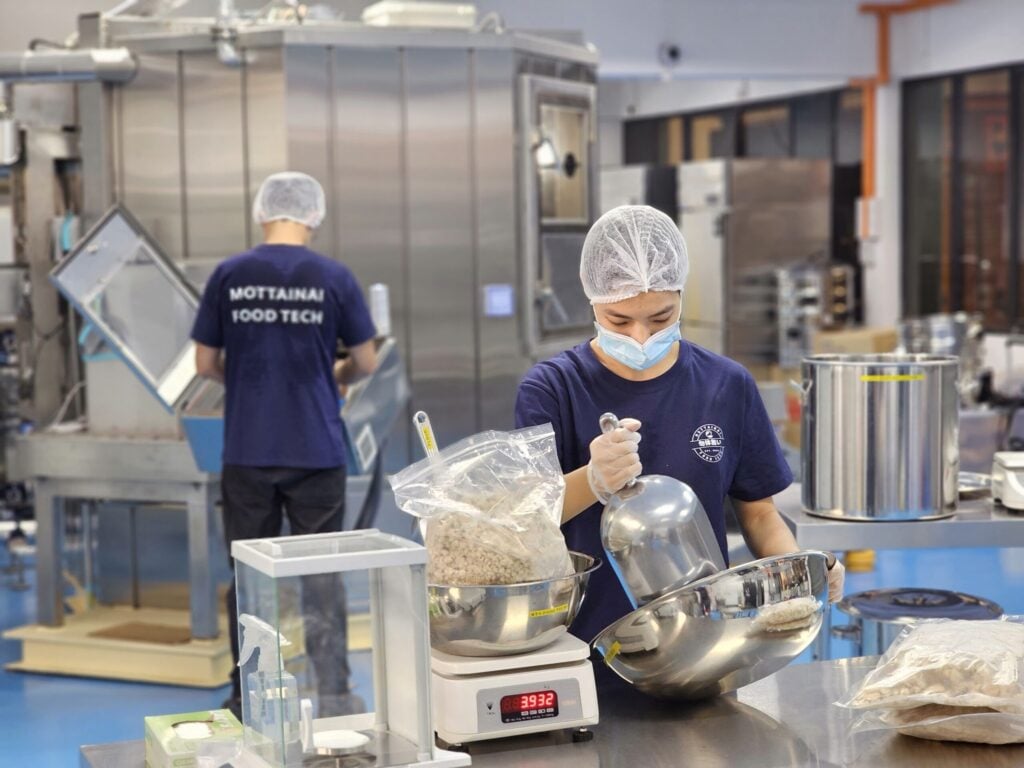
Behind these milestones lies a concerted financial commitment. Environment Minister Fu noted that the Singaporean government has funneled approximately S$130 million into more than 50 alternative protein research and development projects. These funds have targeted critical technical bottlenecks, including lowering the prohibitive production costs of cultivated meat, scaling up bioreactor manufacturing, and enhancing the sensory profiles, taste, and nutritional density of plant-based alternatives.
Despite these investments, the sector faces formidable obstacles. Minister Fu acknowledged that while plant-based alternatives are widely available in retail and food service markets, cultivated proteins remain trapped in early developmental phases. High capital expenditures, scaling difficulties, and weaker-than-anticipated global consumer acceptance continue to impede widespread commercial viability.
Overcoming Commercialization Hurdles and Scaling Up
For food technology companies operating in Singapore, translating scientific breakthroughs into commercially viable products requires navigating a complex gauntlet of regulatory compliance, manufacturing scale-ups, and market entry strategies. To bridge the infamous "valley of death" between innovation and profitability, industry stakeholders argue that government support must extend beyond initial R&D grants.
Ng proposed lowering barriers to entry by leveraging shared infrastructure. Rather than forcing nascent startups to invest heavily in independent manufacturing plants, the SFA could issue credits enabling companies to utilize existing shared facilities and pilot-scale equipment. Institutions such as Nurasa’s Food Tech Innovation Centre (FTIC), Cremer Sustainable Foods, and ScaleUp Bio already provide the specialized infrastructure necessary for precision fermentation and cellular agriculture.

Furthermore, proponents suggest broadening market readiness assistance grants. By expanding financial aid to cover overseas certification processes and international regulatory approvals, Singapore could empower domestic food tech firms to scale globally at an accelerated pace. Aligning public procurement strategies—such as serving innovative proteins at government-backed events and public institutions—would also help build vital consumer familiarity and trust.
Economic and Geopolitical Implications
The ongoing debate in Singapore’s parliament underscores a broader global dilemma: balancing immediate economic realities with long-term existential preparedness. As global food systems face mounting pressures from climate volatility and geopolitical fragmentation, the countries that secure alternative protein supply chains stand to gain a distinct competitive advantage.
Singapore’s strategy reflects a pragmatic middle ground. While the government has tempered its immediate expectations regarding short-term consumer uptake and cost parity, it refuses to dismantle the technological foundation it has painstakingly built. By maintaining regulatory agility, supporting shared R&D infrastructure, and encouraging strategic public-private partnerships, the city-state is ensuring that it retains the capacity to pivot rapidly when market conditions mature.
Ultimately, Singapore’s evolving stance on alternative proteins is not merely about culinary innovation; it is a calculated insurance policy for a nation that cannot afford to leave its nutritional future to the uncertainties of global trade.
