
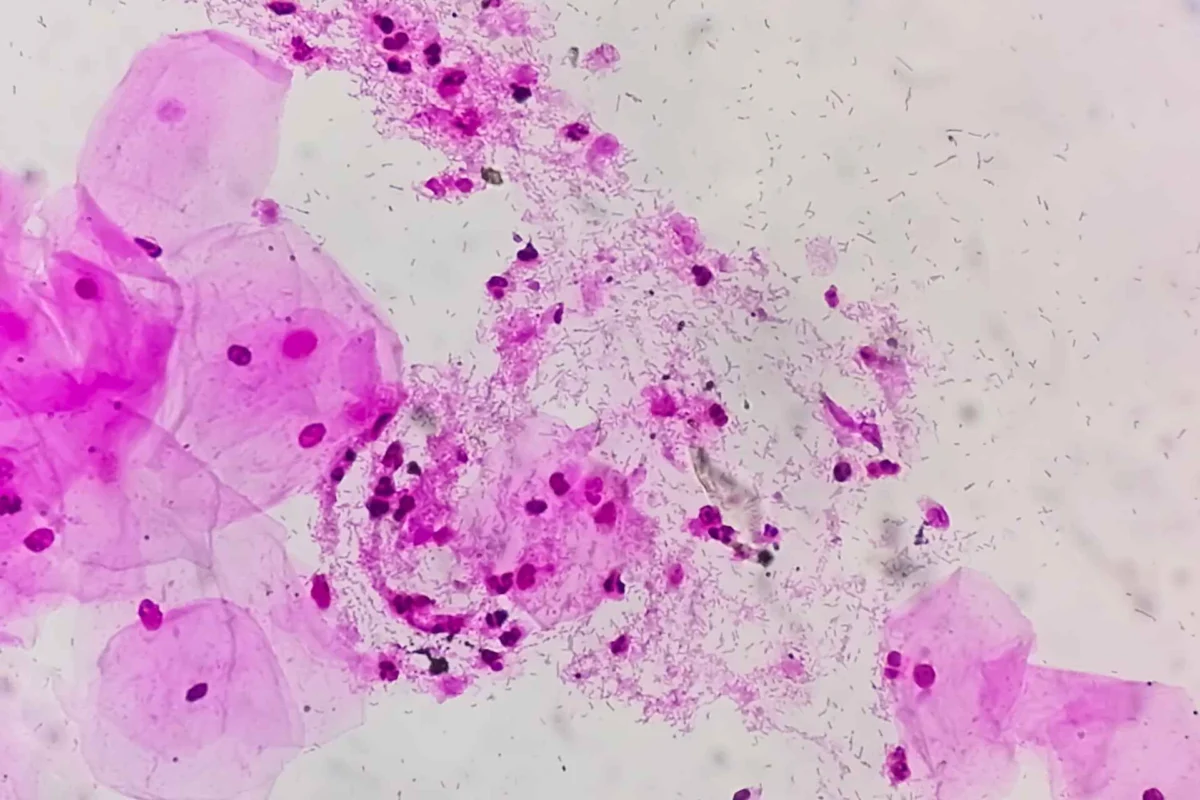
Bacterial vaginosis (BV) remains one of the most prevalent yet frustratingly persistent clinical conditions affecting women of reproductive age worldwide. Characterized by a profound disruption of the vaginal ecosystem, the condition involves a significant reduction in protective lactic acid-producing bacteria, most notably those of the genus Lactobacillus. In their place, a diverse array of anaerobic bacteria flourishes, leading to symptoms such as abnormal discharge, persistent odor, and significant psychological distress. Beyond these immediate symptoms, the biological instability caused by BV is linked to more severe health outcomes, including an increased susceptibility to sexually transmitted infections (STIs), including HIV, and a heightened risk of preterm birth and other pregnancy-related complications.
Despite the availability of standard antibiotic treatments, the rate of recurrence remains alarmingly high, with many women experiencing a return of symptoms within weeks or months of finishing a course of medication. Now, a groundbreaking study published in the journal Cell Host & Microbe offers a potential solution through the use of a specialized vaginal probiotic known as LACTIN-V. Led by Seth Bloom and a team of researchers at the Ragon Institute of Mass General, MIT, and Harvard, the findings suggest that the strategic introduction of beneficial bacteria can reshape the vaginal environment, although the success of such interventions appears to be deeply tied to an individual’s baseline microbial profile.
The Persistent Challenge of Vaginal Dysbiosis
The human vaginal microbiome is a delicate balance of microorganisms. In a healthy state, this environment is typically dominated by specific species of Lactobacillus, which produce lactic acid to maintain a low, acidic pH (usually below 4.5). This acidity acts as a natural defense mechanism, inhibiting the growth of pathogenic bacteria. However, when this balance is disrupted—a state known as dysbiosis—the pH rises, allowing harmful bacteria such as Gardnerella vaginalis, Prevotella, and Atopobium vaginae to colonize the area.
Current medical protocols rely heavily on antibiotics like metronidazole or clindamycin. While these drugs are effective at killing the overgrowth of anaerobic bacteria, they do not necessarily facilitate the regrowth of the "right" kind of protective bacteria. Often, the void left by antibiotics is filled by Lactobacillus iners, a species that is less stable and less effective at preventing the return of BV-associated microbes than the gold-standard protector, Lactobacillus crispatus. This ecological gap is why recurrence rates are estimated to be as high as 50% within six months of antibiotic treatment.
Methodology and Chronology of the LACTIN-V Trial
To address this cycle of recurrence, the research team conducted a randomized, double-blind, placebo-controlled trial involving 213 women aged 18 to 45. All participants had been diagnosed with symptomatic bacterial vaginosis at the start of the study. The trial was structured to test whether the administration of LACTIN-V—a live biotherapeutic product (LBP) containing a specific strain of human-derived Lactobacillus crispatus (CTV-05)—could establish long-term dominance in the vaginal tract.
The chronology of the trial was meticulously designed to track microbial shifts over time:
- Initial Screening and Baseline: Researchers collected vaginal samples to establish the starting microbial composition of each participant.
- Antibiotic Phase: All participants underwent a standard five-day course of intravaginal metronidazole gel to clear the existing bacterial overgrowth.
- Intervention Phase: Following the antibiotic course, participants were randomized to receive either the LACTIN-V probiotic or a placebo. The treatment was self-administered using a vaginal applicator.
- Long-term Monitoring: The team collected follow-up samples at multiple intervals, including week 4, week 12, and week 24, to assess the persistence of the probiotic strain and the overall health of the vaginal environment.
This longitudinal approach allowed the researchers to observe not just the immediate effects of the probiotic, but its ability to survive and thrive through multiple menstrual cycles, which are known to naturally disrupt vaginal chemistry.
Key Findings: The Role of L. crispatus in Prevention
The data revealed a clear distinction between the two groups. In the placebo group, the post-antibiotic environment was frequently dominated by L. iners or quickly reverted to a high-diversity state associated with BV. In contrast, women who received LACTIN-V were significantly more likely to achieve and maintain dominance of the protective L. crispatus.
A pivotal finding was the "one-third" threshold. The researchers discovered that LACTIN-V successfully promoted L. crispatus dominance in approximately one-third of the recipients. While this may seem modest, the clinical implications were profound: among the women who achieved L. crispatus dominance by the fourth week of the trial, the beneficial bacteria remained the dominant species through the six-month mark. Crucially, those who maintained high levels of L. crispatus experienced zero recurrence of bacterial vaginosis throughout the duration of the study.
This suggests that the "colonization" of the vaginal tract by L. crispatus acts as a biological shield. Once the bacteria are successfully established, they appear to create a self-sustaining environment that is hostile to the pathogens responsible for BV.
The Microbiota-Host Interface and Inflammation
One of the most significant aspects of the study was the investigation into how these microbial shifts affected the host’s immune response. The researchers analyzed markers of vaginal inflammation, specifically cytokines—proteins that signal the immune system to respond to perceived threats.
The data showed a direct correlation between the type of bacteria present and the level of inflammation. A vaginal microbiota dominated by Lactobacillus, particularly the strain provided by LACTIN-V, was linked to significantly lower levels of inflammatory cytokines. Conversely, environments dominated by harmful anaerobes were associated with high inflammation.
Chronic inflammation in the vaginal tract is more than just a source of discomfort; it is a known risk factor for tissue damage and increased permeability to viruses. By reducing inflammation through the restoration of L. crispatus, LACTIN-V may provide secondary benefits, such as reducing the biological "open door" that allows STIs like HIV or HPV to take hold.
Personalized Medicine: Why Response Varies
The study highlighted a critical nuance in biotherapeutic treatments: the "starting point" matters. The researchers found that the effectiveness of LACTIN-V varied based on the individual’s pre-existing microbiota and the specific microbial community present immediately after antibiotic treatment.
In some women, the "native" bacteria were more resistant to the introduction of the probiotic, or the antibiotic treatment failed to clear enough of the pathogenic biofilm to allow L. crispatus to gain a foothold. This suggests that a "one size fits all" approach to probiotics may be insufficient. Instead, the findings point toward a future of tailored women’s health treatments, where a patient’s vaginal swab could be analyzed to predict whether they would benefit from a standard probiotic or if they require a more intensive or different microbial intervention.
The researchers noted that the presence of certain "interfering" species could predict treatment failure, while other microbial signatures were highly receptive to LACTIN-V. This data is invaluable for refining future clinical protocols and developing second-generation biotherapeutics.
Expert Perspectives and Broader Implications
The medical community has reacted to these findings with cautious optimism. While the study was relatively small with 213 participants, the depth of the molecular and longitudinal analysis provides a high level of confidence in the results. Experts in the field of reproductive health emphasize that this represents a shift from "killing bad bacteria" to "nurturing good bacteria."
"These findings elucidate live biotherapeutic product microbiota effects and identify predictors of treatment success, informing improved intervention strategies to advance women’s health," the study authors stated. This sentiment reflects a growing movement in microbiology to treat the human body as an ecosystem rather than a simple vessel for infection.
The implications for public health are substantial. If recurrent BV can be effectively managed through probiotics:
- Antibiotic Stewardship: Reducing the need for repeated courses of metronidazole helps combat the global rise of antibiotic-resistant bacteria.
- Economic Impact: BV accounts for billions of dollars in healthcare costs and lost productivity annually. Effective prevention would significantly reduce this burden.
- Maternal Health: By stabilizing the vaginal microbiome, clinicians may eventually be able to reduce the incidence of spontaneous preterm births, which are frequently linked to vaginal dysbiosis.
- HIV Prevention: Especially in high-risk regions, maintaining a healthy, Lactobacillus-dominant vaginal environment is a key pillar of integrated HIV prevention strategies.
Future Directions in Research
The success of the LACTIN-V trial opens several new avenues for investigation. The next steps for the Ragon Institute and their collaborators likely involve larger-scale Phase III clinical trials to satisfy regulatory requirements for widespread clinical use. Furthermore, researchers are interested in whether LACTIN-V could be effective without the prerequisite of a five-day antibiotic course, or if different delivery methods (such as oral versus vaginal) might offer varying levels of efficacy.
There is also the question of "microbial persistence." Why did some women maintain L. crispatus for 24 weeks while others lost it? Investigating the role of diet, sexual activity, hormonal changes, and even the host’s genetic factors will be essential in perfecting these treatments.
In the broader context of women’s health research—a field that has historically been underfunded and overlooked—this study stands as a testament to the power of high-resolution microbiome science. By moving beyond the symptoms and addressing the ecological root of the problem, LACTIN-V represents a promising new frontier in the quest to provide women with lasting relief from a centuries-old condition. The study not only validates the use of L. crispatus as a potent therapeutic agent but also provides the roadmap for a more personalized, data-driven approach to gynecological care.
