
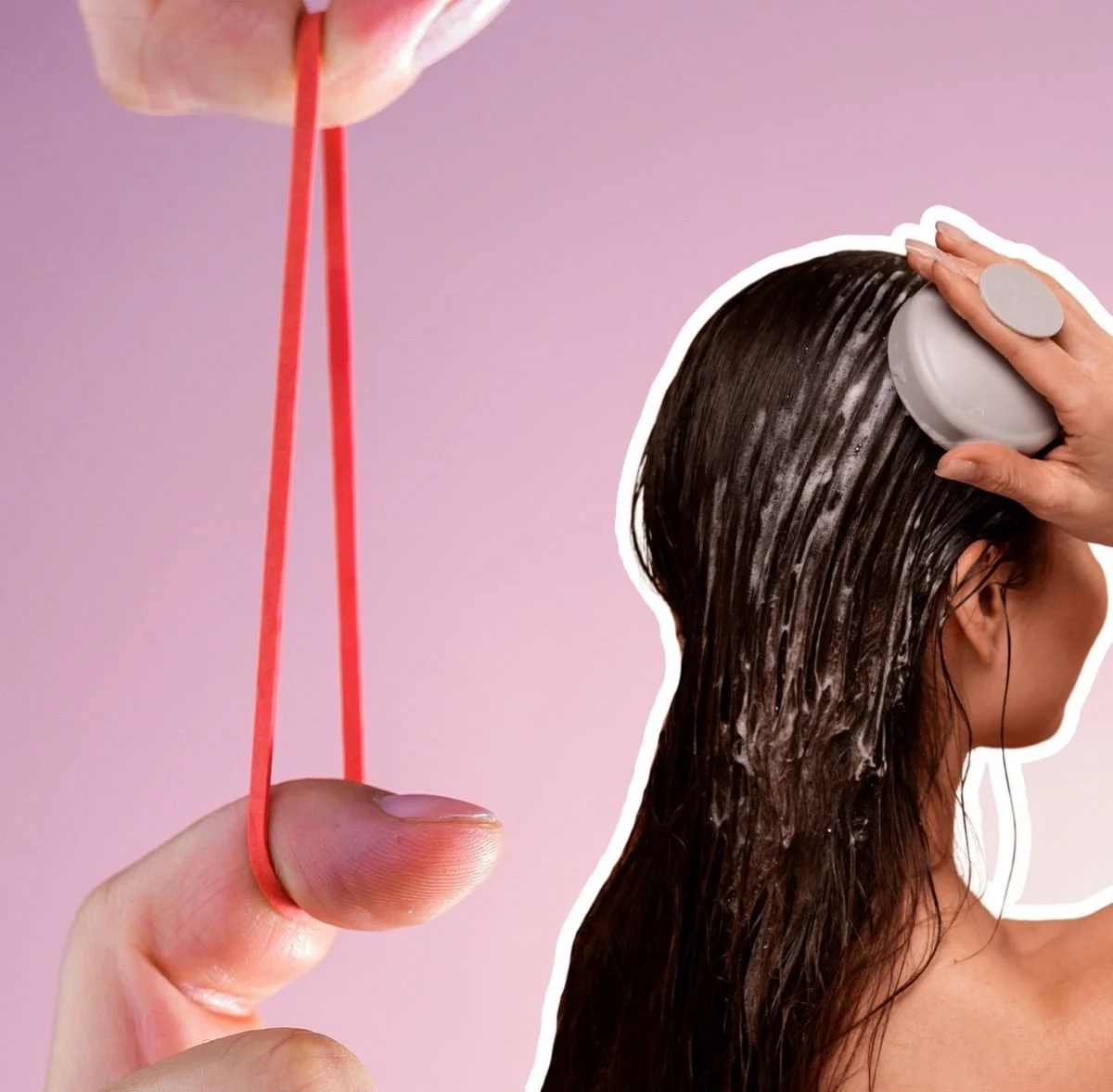
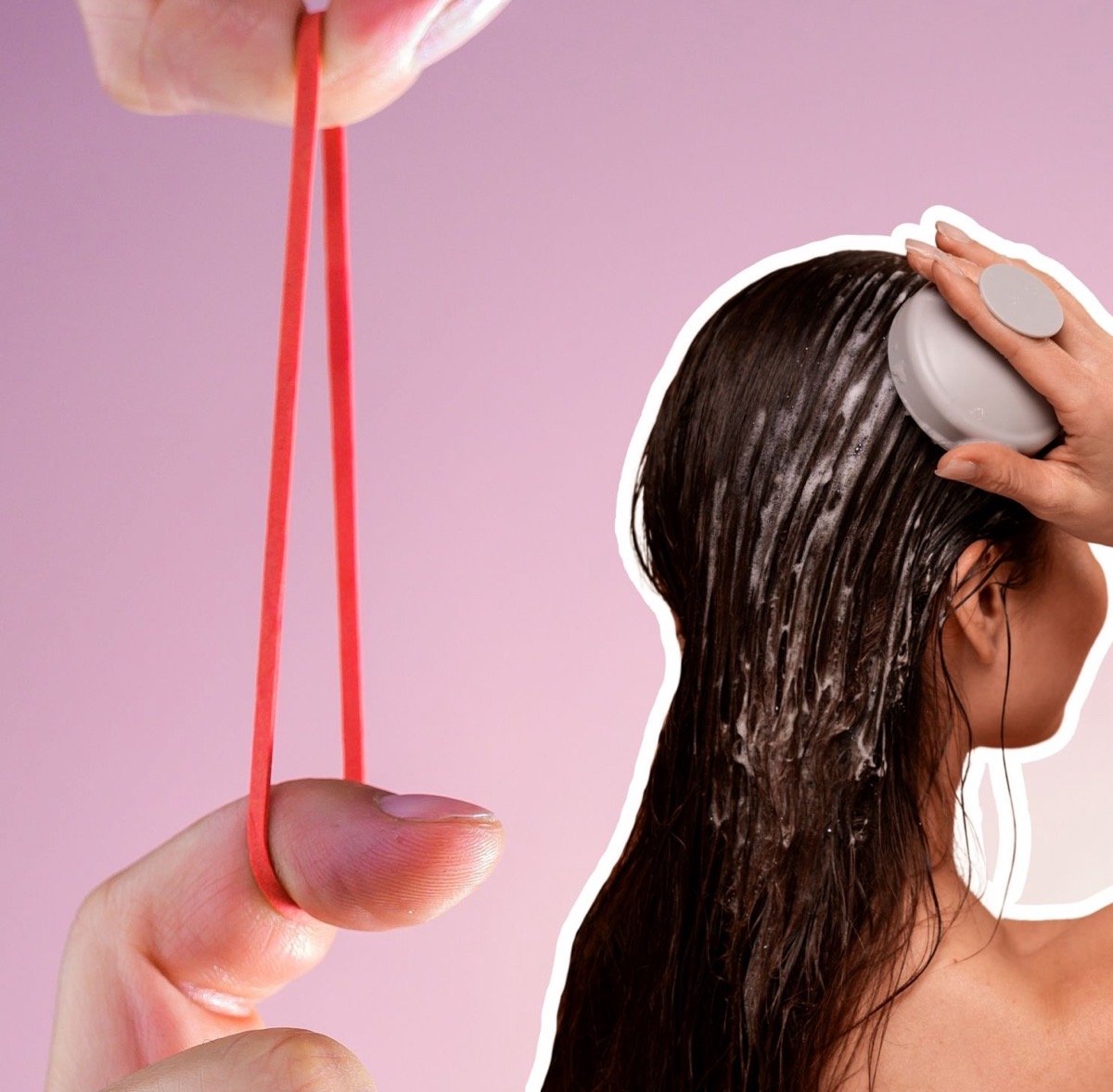
The modern beauty and wellness landscape is saturated with persistent rules regarding hair maintenance, chief among them being the strict admonition against frequent washing. For years, beauty vloggers, dermatological blogs, and even academic literature have warned consumers against the perils of “hygral fatigue”—a widely accepted concept describing the structural breakdown of hair caused by the continuous swelling and deswelling of hair fibers as they absorb and release water. According to this prevailing theory, every time a person wets and dries their hair, the internal bonds are stretched to their limits, eventually weakening the cuticle and cortex much like a rubber band stretched to its snapping point. However, contemporary cosmetic science is challenging this foundational hair-care dogma. A rigorous examination of molecular chemistry, hair bond mechanics, and historical scientific literature reveals that hygral fatigue is largely a myth, upending conventional wisdom about daily hair washing and moisture management.
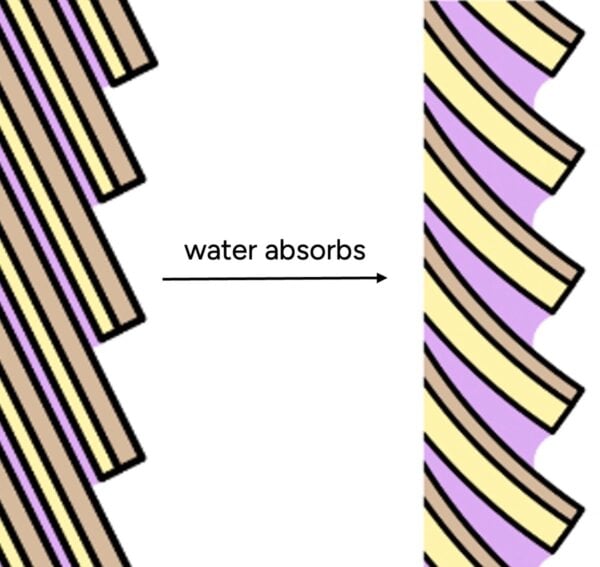
To understand the mechanics of hair and water interaction, researchers must first look at the fundamental chemistry of the hair fiber. Human hair is composed primarily of a tough, fibrous protein called keratin, organized into a complex architecture featuring an outer protective layer of overlapping cells known as the cuticle, and an inner core called the cortex. When hair is exposed to water, molecules penetrate these structures, temporarily disrupting the hydrogen bonds that hold the keratin chains in place. Hydrogen bonds are exceptionally numerous, providing hair with its flexibility and ability to change shape temporarily when wet. Crucially, these bonds are reversible. When the water evaporates and the hair dries, the hydrogen bonds reform effortlessly in their original configurations.
This dynamic differentiates hair fundamentally from elastic materials like rubber bands. In synthetic elastomers, stretching applies mechanical stress that permanently breaks covalent bonds, resulting in cumulative micro-cracks and eventual structural failure. In contrast, the hydrogen bonds in hair operate more like durable microscopic connectors that can be unfastened and refastened indefinitely without wearing down the underlying atomic particles. Consequently, the mere process of water entering and exiting the hair shaft does not inherently cause structural damage or mechanical fatigue. While it is true that hair exhibits heightened vulnerability and fragility while in a wet state—making it more susceptible to physical trauma from aggressive towel-drying, brushing, or styling—the ingress and egress of water molecules on an otherwise untouched strand does not drive progressive degradation.
The persistence of the hygral fatigue myth is reinforced by its appearance in various peer-reviewed dermatological and cosmetic science publications over the past several decades. The historical timeline of this hypothesis traces back through several influential studies that attempted to measure hair degradation under various environmental and styling conditions. One notable anchor in this timeline is a 2011 study published in the Annals of Dermatology, which investigated hair shaft damage resulting from different drying methods, comparing ambient air drying against blow-drying at varying temperatures and distances.
In the course of their observations, the researchers noted unexpected structural anomalies, specifically microscopic bulges in the samples of air-dried hair. They attributed these irregularities to prolonged swelling induced by moisture retention during the natural drying process, interpreting the findings as evidence of moisture-induced structural stress. However, subsequent critiques by independent hair scientists have cast substantial doubt on this interpretation. Air drying is a universal human practice and a standard baseline condition in virtually all trichological research. If natural air drying genuinely caused structural bulges due to prolonged water exposure, such phenomena would be ubiquitous, frequently documented, and readily observed across a vast body of historical and contemporary hair research.
A more plausible scientific consensus suggests that the bulges observed in the 2011 study were anomalous artifacts of the specific experiment, potentially stemming from pre-existing environmental damage—such as ultraviolet radiation degradation or chemical treatments—inflicted upon the specific donor hair samples prior to collection. The lack of verifiable replication for these specific findings highlights the broader challenge within cosmetic literature, where isolated experimental anomalies are occasionally adopted as generalized consumer truths.
Further complicating the discourse surrounding moisture and hair integrity is the extensive body of research dedicated to topical oils, particularly coconut oil, and their purported role in preventing moisture-related damage. For decades, commercial marketing and specific academic papers have promoted coconut oil as an essential barrier that shields hair from hygral fatigue by sealing out water. Some of these studies explicitly invoke the term hygral fatigue to justify the application of pre-shampoo oils, yet a critical review of their bibliographies reveals a frequent absence of primary foundational citations proving that hygral fatigue occurs naturally in human hair to begin with.
Laboratory investigations utilizing dynamic vapour sorption apparatuses have historically attempted to quantify water absorption in oiled versus untreated hair fibers. By measuring weight fluctuations at varying levels of ambient relative humidity, researchers observed that hair treated with coconut oil experienced a smaller percentage increase in total weight compared to bare hair, leading to the conclusion that the oil successfully blocked water penetration.
However, prominent cosmetic scientists, such as Trefor Evans, have pointed out significant methodological oversights in these conclusions. Because the application of coconut oil adds measurable mass to the hair fiber prior to testing, any subsequent volume of absorbed water represents a smaller fraction of the total overall weight when calculated as a percentage. In mathematical terms, the presence of the oil artificially skews the ratio by increasing the denominator, creating the illusion of reduced water intake. Furthermore, physical examination of hair cuticle architecture reveals why total moisture blocking is virtually impossible. The microscopic scales of the cuticle overlap like pinecone bracts, leaving microscopic fissures and spaces through which tiny water molecules can easily diffuse. Because hair is a hygroscopic material, its internal water content is governed primarily by the relative humidity of the surrounding atmosphere rather than superficial oil barriers.
This realization does not diminish the practical benefits of coconut oil and other emollients in a comprehensive hair-care regimen. While oils do not successfully act as waterproof membranes against ambient humidity or washing water, they serve critical mechanical functions on the hair surface. Coconut oil, owing to its unique low molecular weight and linear fatty acid structure, has been demonstrated in radiolabeled studies to penetrate deeper into the hair fiber than many alternative mineral or vegetable oils. Inside the hair matrix, it can effectively integrate into the cell membrane complex—the lipid-rich intercellular cement often described as the mortar between the cellular bricks of the cortex. By lubricating this region and smoothing the exterior cuticle scales, oils significantly reduce the friction coefficient of the hair surface, mitigating the mechanical damage caused by combing, detangling, and daily styling.
The dismantling of the hygral fatigue myth carries substantial implications for consumer habits and the broader beauty industry. For years, the fear of water-induced structural exhaustion has driven restrictive washing schedules, encouraging consumers to stretch the time between washes regardless of scalp health, lifestyle needs, or personal preference. By clarifying that water itself does not compromise the structural integrity of healthy hair, consumers are liberated to adopt hair-washing frequencies that prioritize scalp hygiene, comfort, and aesthetic preferences without unfounded anxiety over molecular breakdown.
At the same time, the scientific community emphasizes the importance of shifting the focus of hair protection away from unproven moisture-blocking techniques and toward mechanical gentleness. Because hair is undeniably more fragile, pliable, and susceptible to tensile breakage when saturated with water, the primary vector of damage during a routine wash cycle is not the water molecule itself, but the physical handling of the wet fiber. Vigorous towel rubbing, aggressive detangling with fine-toothed combs, and high-heat styling applied immediately post-wash represent the genuine threats to hair longevity.
As the cosmetic science sector continues to refine its understanding of keratin biochemistry and fiber mechanics, the dialogue around hair health is transitioning from anecdotal folklore to evidence-based guidance. The retirement of hygral fatigue as a valid pathological concern marks a significant milestone in consumer education, replacing restrictive myths with a clearer, more empowering understanding of how hair interacts with the natural environment.
