
This significant reinforcement of international cooperation comes as the intersection of environmental degradation and public health infrastructure reaches a critical inflection point. By committing an additional €500,000 for the 2024 fiscal year, the Netherlands has solidified its role as a primary benefactor for the World Health Organization’s (WHO) climate initiatives, bringing the total financial support provided under this specific collaborative framework to over €1.1 million since its inception in 2023.
The Nexus of Climate and Health
The global climate crisis is no longer a distant threat but a present reality manifesting in the form of extreme weather events, shifting epidemiological patterns, and the degradation of essential life-support systems. According to the WHO, climate change is the single biggest health threat facing humanity. The partnership between the Netherlands and the WHO focuses on the Alliance for Transformative Action on Climate and Health (ATACH), a secretariat dedicated to translating the global climate commitments made at COP26 into tangible, national-level health system transformations.
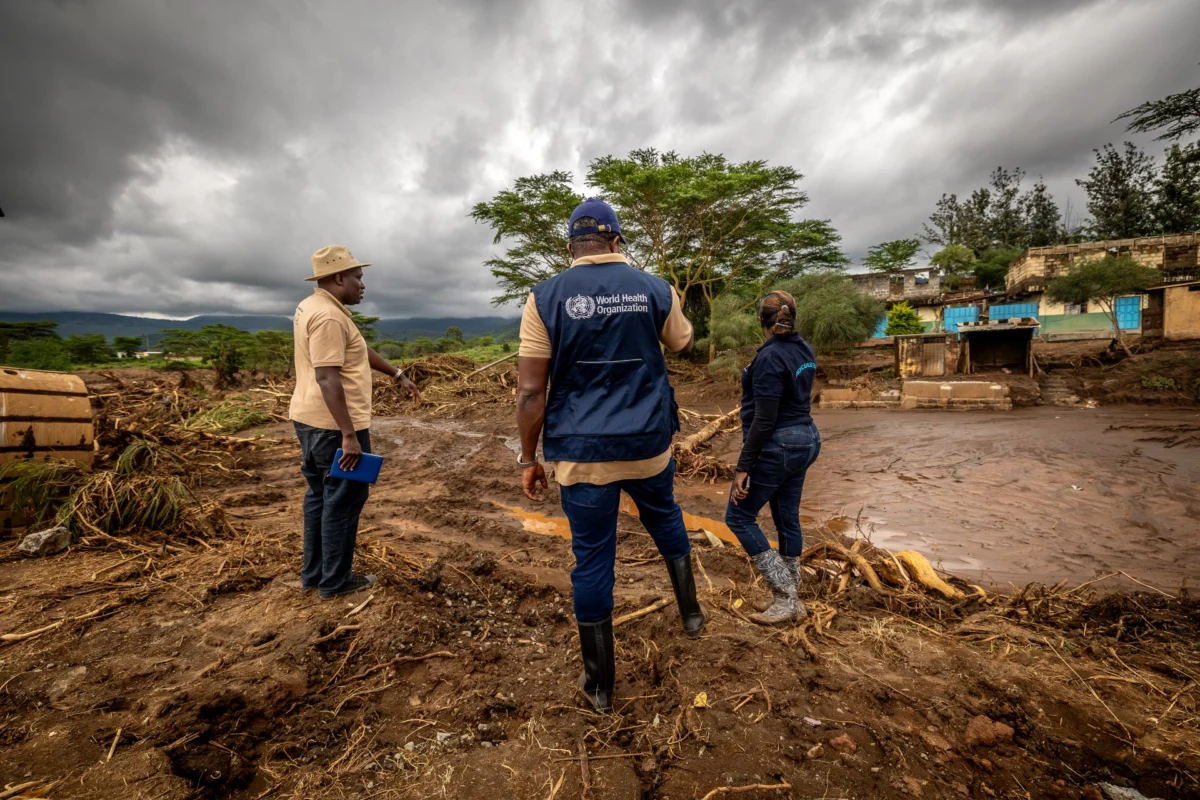
The funding provided by the Netherlands is earmarked for high-impact interventions. These include the deployment of climate-resilient and low-carbon healthcare solutions, the establishment of early warning systems for climate-sensitive diseases, and the training of health personnel to handle the aftermath of environmental disasters. The initiative is particularly critical for vulnerable regions in Africa, Asia, and the Eastern Mediterranean, where the lack of robust infrastructure often exacerbates the lethality of climate-related events, such as the catastrophic flooding recently observed in Kenya.
A Chronology of Cooperation
The current partnership is the culmination of years of escalating concern and policy development within the international community.
- 2008: The World Health Assembly adopts the initial resolution on climate change and health, setting the stage for global awareness.
- 2021 (COP26): Nations commit to the development of climate-resilient and low-carbon health systems, providing the framework for the ATACH initiative.
- 2023: The formal partnership between the Netherlands and the WHO is established, focusing on immediate capacity building in developing nations.
- 2023–2030: The Dutch Global Health Strategy is launched, placing the intersection of climate and health at the center of the nation’s international development policy.
- May 2024: The World Health Assembly 77 adopts a new resolution on climate change and health, co-led by the Netherlands and Peru, effectively updating the 2008 standards to meet modern, intensified challenges.
- Late 2024 (Upcoming): The global health community prepares for COP29 in Azerbaijan, where climate-health integration will serve as a core agenda item.
Fact-Based Analysis of the 2024 Resolution
The adoption of the World Health Assembly 77 resolution represents a landmark shift in how the WHO mandates its member states to address the climate-health nexus. Unlike previous resolutions that focused primarily on awareness, the 2024 mandate calls for the mainstreaming of climate-health objectives into the WHO’s Fourteenth General Programme of Work (GPW 14).
This is a strategic pivot. By integrating climate resilience into the foundational planning of the WHO, the organization ensures that funding and administrative support are not merely peripheral but are woven into the fabric of primary healthcare. The resolution emphasizes the necessity of a "global action plan," which includes mandatory reporting on climate-related health risks, the decarbonization of hospital supply chains, and the adoption of "green" energy standards for public clinics in developing nations.
Financial and Operational Impact
The €1.1 million contributed by the Netherlands since 2023 serves as a catalyst for much larger global investments. By providing seed funding for surveillance systems—which track everything from malaria vector expansion to heatwave mortality—the WHO can present concrete, data-backed evidence to other multilateral development banks and private donors.

Data from the latest WHO Investment Case suggests that if these strategic partnerships reach their full operational capacity, they could contribute to saving approximately 7.5 million lives over the next four years. This projection is based on the assumption that early warning systems can reduce disaster-related mortality by up to 30%, and the shift to renewable-powered health facilities will reduce local air pollution, which currently contributes to millions of respiratory and cardiovascular cases annually.
Official Responses and Strategic Alignment
The Dutch commitment is deeply rooted in the Netherlands’ national foreign policy. Dutch officials have consistently argued that healthcare is the "frontline of climate adaptation." By co-leading the 2024 resolution with Peru, the Netherlands demonstrated a bridge-building approach, connecting the experiences of low-lying, high-income nations with those of mountainous or tropical regions facing immediate hydrological threats.
The WHO, through its leadership, has praised the predictability of the Dutch funding. In diplomatic circles, the partnership is viewed as a model for how medium-sized powers can exert significant influence in international public health by focusing on niche, high-leverage areas. The WHO Secretariat has indicated that this funding will be specifically utilized to strengthen "health system readiness," ensuring that when a heatwave or flood occurs, health facilities are not just functioning, but are equipped to handle the subsequent surge in patient demand.
Broader Implications for Global Health Security
The collaboration addresses the "hidden" costs of climate change—the disruption of medical supply chains, the loss of cold-chain capabilities for vaccines during power outages, and the surge in zoonotic disease transmission as human populations encroach on shrinking wild habitats.
Looking toward COP29 in Azerbaijan, the partnership between the Netherlands and the WHO is expected to advocate for a specific "Health and Climate" financial facility. Current global climate finance, which is often channeled into renewable energy or carbon sequestration, frequently bypasses the health sector. The advocacy efforts supported by this partnership aim to correct this imbalance, ensuring that health ministries have a seat at the table when national climate budgets are determined.
Conclusion: A Path Toward Resilience
As the global community faces an increasingly volatile environmental landscape, the renewal of this partnership signals a long-term commitment to proactive, rather than reactive, health management. The focus on building resilience in the most vulnerable regions is not merely a moral imperative but a strategic necessity for global health security.
By systematically integrating climate change considerations into the Fourteenth General Programme of Work, the WHO, supported by the Netherlands, is transforming the abstract threat of climate change into a manageable set of administrative, medical, and technological challenges. The upcoming discussions at COP29 will serve as the next major test for this alliance, as it seeks to scale these pilot programs into a comprehensive global movement. The evidence remains clear: the survival of modern health systems depends on their ability to adapt to a warming world, and the Dutch-WHO partnership stands as a critical pillar in that monumental effort.
