

Polycystic Ovary Syndrome (PCOS) is one of the most prevalent endocrine and metabolic disorders affecting women of reproductive age, impacting an estimated 6 to 12 percent of women in the United States alone—or as many as 5 million individuals. Characterized by hormonal imbalances, insulin resistance, chronic low-grade inflammation, and ovulatory dysfunction, PCOS is a leading cause of female subfertility. For women managing this complex condition, the journey toward conception and a healthy pregnancy requires specialized physiological support. While standard prenatal supplementation is universally recommended for all expectant mothers, clinical evidence underscores that women with PCOS face unique nutritional challenges that demand a tailored approach to prenatal vitamins.
Understanding the Physiological Impact of PCOS During Pregnancy
The physiological landscape of PCOS introduces several compounding risk factors during the preconception and prenatal periods. Chronic insulin resistance, a hallmark feature experienced by up to 70 percent of women with PCOS, significantly alters how the body metabolizes glucose and utilizes specific nutrients. Furthermore, research indicates that the metabolic disturbances intrinsic to the syndrome can impair oocyte (egg) quality, diminish rates of spontaneous ovulation, and elevate the probability of obstetrical complications.

Clinical data consistently highlights an increased risk profile among pregnant individuals with PCOS. These include a heightened susceptibility to gestational diabetes mellitus (GDM), pregnancy-induced hypertension, pre-eclampsia, and premature delivery. Mitigating these risks requires a proactive multi-pronged strategy that extends beyond standard obstetric care. Nutritional optimization—specifically through targeted preconception and prenatal supplementation—serves as a foundational intervention to address underlying micronutrient deficiencies, modulate inflammatory pathways, support insulin sensitivity, and promote optimal embryonic and fetal development from the earliest stages of gestation.
Essential Core Nutrients for Managing PCOS Pregnancies
Obstetric guidelines and regulatory health organizations, including the American Pregnancy Association, emphasize that all prenatal supplements must contain a baseline of vital micronutrients. However, for women navigating PCOS, the biological demand for specific vitamins and minerals is heightened due to metabolic inefficiencies and chronic systemic inflammation.
Folate and Folic Acid

Folate, a water-soluble B vitamin, is universally recognized for its critical role in preventing neural tube defects (NTDs) such as spina bifida and anencephaly during the first trimester of pregnancy. Beyond neurodevelopment, adequate folate intake supports proper placental formation and cardiovascular development in the fetus. For women with PCOS, who may exhibit specific genetic variations affecting one-carbon metabolism (such as MTHFR polymorphisms), bioavailable forms of folate—such as methylfolate—are frequently recommended to ensure optimal cellular utilization. The standard recommended daily allowance (RDA) sits at 400 micrograms (mcg), though clinical supervision may dictate tailored dosages.
Iron
Iron is indispensable during gestation due to the substantial expansion of maternal blood volume—which increases by nearly 50 percent—and the simultaneous demands of the developing placenta and fetus. Adequate iron delivery prevents maternal iron-deficiency anemia, a condition linked to low birth weight, premature delivery, and postpartum complications. The recommended daily intake for pregnant women is 27 milligrams (mg). Because iron absorption can be compromised by systemic inflammation associated with PCOS, monitoring iron status via routine blood panels is standard clinical practice.
Calcium and Vitamin D

Calcium is vital for maintaining maternal bone density while supplying the foundational minerals required for fetal skeletal mineralization, dental development, and neuromuscular function. The standard RDA during pregnancy is 1,000 mg daily.
Closely tied to calcium regulation is Vitamin D, a nutrient of profound clinical interest in PCOS endocrinology. Clinical studies reveal an inverse relationship between PCOS and Vitamin D status, with approximately 70 to 80 percent of women with PCOS presenting with clinical Vitamin D deficiency. Beyond facilitating calcium absorption, Vitamin D receptors are distributed widely throughout reproductive tissues. Adequate levels of Vitamin D are strongly correlated with improved insulin sensitivity, reduced systemic inflammation, and enhanced follicular development and fertility outcomes. Consequently, clinical formulations designed for PCOS often feature significantly higher concentrations of Vitamin D3—frequently up to 4,000 International Units (IU) daily, aligning with safe upper limits established by health authorities.
Omega-3 Fatty Acids
Omega-3 polyunsaturated fatty acids, particularly docosahexaenoic acid (DHA) and eicosapentaenoic acid (EPA), are essential for fetal neurocognitive and visual development. For women with PCOS, the inclusion of Omega-3s carries a dual therapeutic benefit. Scientific literature demonstrates that Omega-3 supplementation actively combats chronic low-grade inflammation, assists in mitigating insulin resistance, and has been shown to help regulate hyperandrogenism (elevated male hormone levels). Marine-derived Omega-3 sources (fish oil) provide superior bioavailability compared to plant-based alternatives, delivering targeted support for both maternal metabolic health and fetal growth.

Preconception versus Prenatal Supplementation: Targeting Egg Quality
A critical distinction in reproductive endocrinology lies between preconception vitamins and standard prenatal formulations. While prenatal vitamins are engineered to support the physiological demands of an established pregnancy, preconception formulas are explicitly designed to optimize the intrauterine environment and improve oocyte quality prior to fertilization.
Women with PCOS frequently contend with diminished egg quality secondary to hyperandrogenism and oxidative stress within the ovarian microenvironment. Addressing this requires early intervention. Clinical protocols often advocate for the initiation of specialized preconception regimens months before attempting to conceive.
A prominent example of this targeted approach is the combination of specialized preconception vitamins containing antioxidants like Coenzyme Q10 (CoQ10)—which supports mitochondrial function in oocytes—paired with insulin-sensitizing agents such as myo-inositol. Clinical trials have established that myo-inositol administration significantly improves insulin utilization, restores spontaneous ovulatory cycles, and enhances metabolic parameters in women with PCOS, thereby increasing the likelihood of successful conception.
Top Clinical and Consumer Prenatal Recommendations for PCOS
Selecting an appropriate prenatal vitamin requires careful evaluation of ingredient purity, third-party testing, bioavailability, and specific nutrient concentrations. Based on expert clinical consensus and nutritional formulations, several options stand out for individuals managing PCOS:
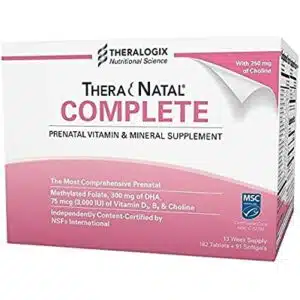
TheraNatal Complete and TheraNatal OvaVite
Manufactured by Theralogix—a brand widely recognized in reproductive endocrinology—TheraNatal formulations are independently tested, certified gluten-free, and free from artificial dyes. TheraNatal Complete provides a comprehensive blend of methylated folate, higher-dose Vitamin D3, choline, and purified marine DHA. For those in the preconception phase, TheraNatal OvaVite incorporates CoQ10 alongside standard prenatal micronutrients to specifically target egg quality and cellular energy production in the ovaries.
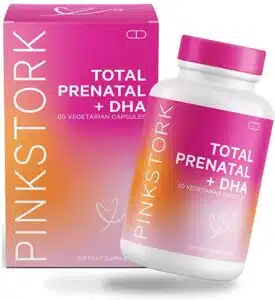
Pink Stork Total Prenatal with DHA and Folic Acid
Pink Stork offers an alternative high-potency prenatal supplement tailored to meet elevated nutritional demands. In addition to robust doses of Vitamin D and Omega-3 fatty acids, this formulation includes a broad spectrum of B-complex vitamins, Vitamin C, Vitamin E, zinc, selenium, copper, and chromium—a trace mineral known to support healthy glucose metabolism in insulin-resistant populations.
Nature Made Prenatal with Folic Acid and DHA
For individuals seeking an accessible, economical option that maintains rigorous quality standards, Nature Made Prenatal delivers essential daily requirements, including adequate folic acid, iron, and DHA, supporting healthy fetal development without specialized clinical markups.

Broader Clinical Implications and Obstetric Monitoring
While targeted prenatal and preconception vitamins are instrumental components of a comprehensive PCOS management plan, healthcare professionals emphasize that supplementation alone is insufficient to entirely eliminate pregnancy-related risk factors.
Expectant mothers with PCOS require comprehensive, continuous obstetric monitoring throughout gestation. Clinical surveillance protocols typically involve early and repeated screening for gestational diabetes through glucose tolerance testing, regular blood pressure monitoring to assess for pre-eclampsia, and longitudinal assessments of fetal growth velocity. Integrating targeted nutritional supplementation, evidence-based insulin-sensitizing agents, structured dietary modifications, and attentive medical oversight provides the most robust framework for achieving a healthy pregnancy and optimal neonatal outcomes for women living with PCOS.
