
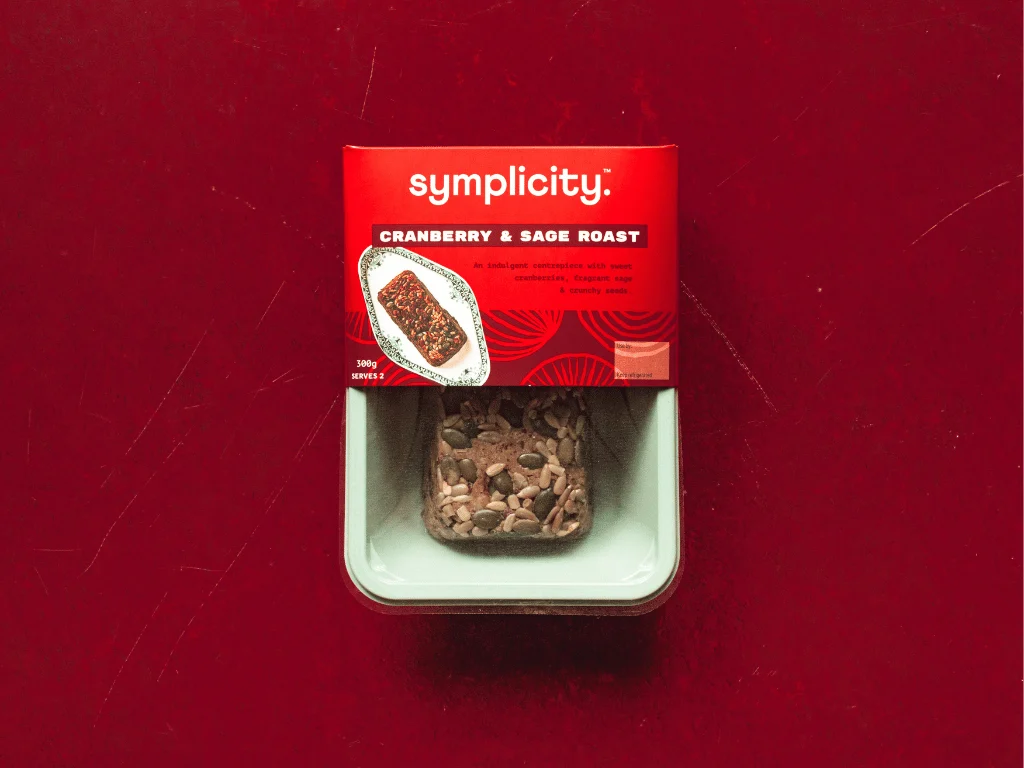
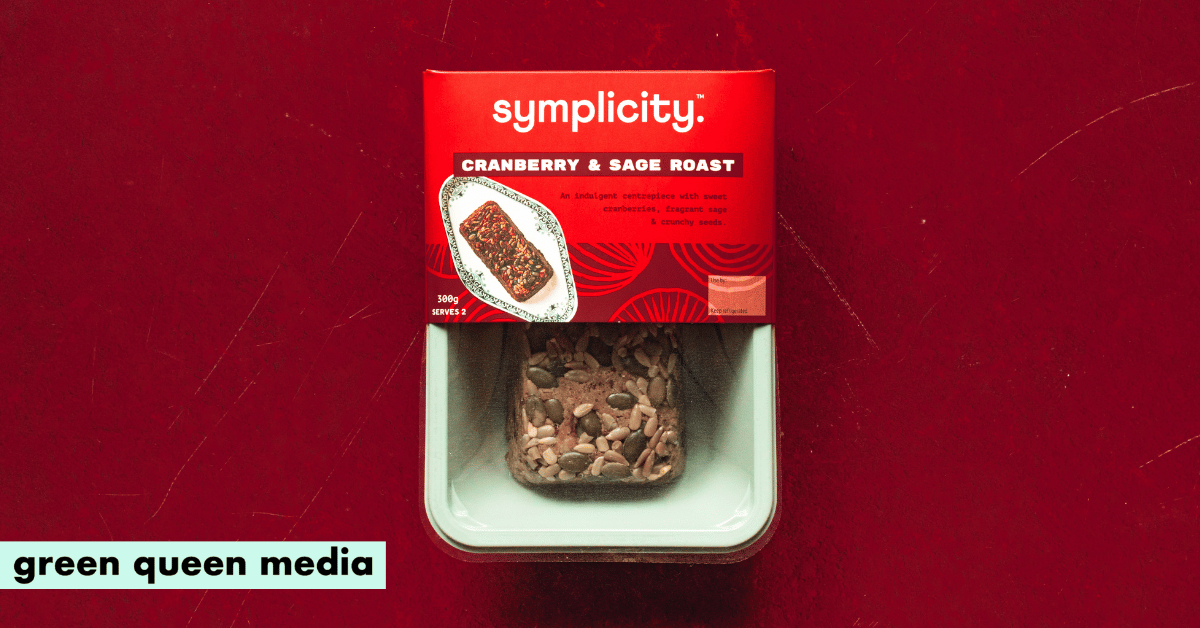
British plant-based food manufacturer Symplicity Foods has officially expanded its retail footprint with the launch of a novel, vegetable-first roast. Co-founded by acclaimed chef Neil Rankin alongside Alan and Mark Wogan, the company is leaning heavily into the growing consumer demand for whole-food alternatives rather than traditional ultra-processed meat analogues. The newly introduced roast combines slow-fermented mushrooms, beetroot, and onions with butter beans, seeds, and cranberries, aiming to capture a significant share of the autumn and winter Sunday lunch market across the United Kingdom.
This latest product release arrives at a critical juncture for the domestic plant-based sector. While hyper-realistic meat substitutes have encountered a plateau and subsequent decline in consumer spending, whole-food options—such as pulses, tofu, tempeh, and vegetable-forward preparations—are experiencing a robust resurgence. Symplicity Foods hopes its unique culinary approach, which relies on lacto-fermentation to build umami depth without excessive reliance on fats or sodium, will resonate with modern shoppers increasingly wary of ultra-processed foods (UPFs).
The Origins and Evolution of Symplicity Foods
The journey of Symplicity Foods began long before its recent grocery store debuts. Chef Neil Rankin spent years refining the brand’s core recipes within the demanding environments of professional restaurant kitchens. Before launching its branded consumer packaged goods (CPG) lines, Symplicity supplied its unique plant-based bases to an array of high-profile culinary establishments across the UK, including kitchens associated with Gordon Ramsay, as well as popular restaurant groups like Dishoom and Mildreds.
These culinary roots heavily influenced the brand’s philosophy. Rankin recognized a distinct gap in both home and professional cooking: while vegetables naturally form the foundation of traditional Sunday roasts, finding a compelling, chef-quality plant-based centrepiece has historically been a challenge. Rejecting dry, traditional nut roasts and heavily processed imitation meats, Rankin and his co-founders turned to fermentation to unlock natural richness and complex savory notes directly from whole vegetables.
In January of this year, Symplicity officially transitioned into the mainstream retail sector, unveiling its first wave of products—including burgers, sausages, and an innovative plant-based nduja—exclusively at Waitrose. The success of that initial supermarket rollout provided the validation and market intelligence necessary to accelerate the development of seasonal offerings, culminating in the introduction of the sage, cranberry, and fermented vegetable roast.
Anatomy of the New Plant-Based Roast
Priced at £6 for a 300-gram package designed to serve two people, the new Symplicity roast is engineered to deliver both nutritional value and elevated culinary performance. More than a quarter of the formulation (26%) consists of slow-fermented mushrooms, onions, and beetroot. These primary ingredients are integrated with butter beans, wheat gluten, dried cranberries, garlic puree, miso, tamari, and an assortment of seeds, spices, and herbs.
Nutritionally, each serving provides 29 grams of plant protein and 9 grams of dietary fibre. Crucially, the deep umami flavor profile is achieved through a proprietary lacto-fermentation process rather than heavy artificial seasoning. This method allows the company to enhance the natural characteristics of the vegetables while maintaining the structural integrity and health benefits associated with whole foods.
Reflecting on the philosophy behind the product, Neil Rankin noted that consumers are no longer satisfied with clever chemical imitations of meat. Instead, there is a distinct market craving for simple cooking, authentic ingredients, and flavor development derived through traditional kitchen craft like fermentation. CEO Alan Wogan echoed this sentiment, emphasizing that fermentation serves as the ultimate flavor unlock, allowing the brand to bypass the heavy additions of butter, oil, and salt often required to make vegetables taste rich in a restaurant setting.
Shifting Tides in the UK Retail Landscape

The launch of Symplicity’s vegetable-first roast coincides with a broader structural shift within the British food and grocery sector. Recent retail data indicates that the plant-based category is undergoing a bifurcated recovery: while processed meat alternatives continue to struggle with consumer fatigue, sales of whole-food plant ingredients and vegetable-led analogues are climbing steadily.
Major supermarket chains have publicly acknowledged this consumer pivot. Retail giant Tesco recently reported positive growth across its plant-based portfolios, explicitly attributing the upward trend to a strong preference for veg-led foods. According to Tesco data from the first half of the year, unit sales for core whole-food ingredients—such as beans, pulses, tofu, and tempeh—grew by 7.3%. Concurrently, vegetable-led analogues like sausages and pies surged by nearly 25% compared to the same period in the previous year. In contrast, traditional meat alternatives experienced a 4.3% reduction in sales volume.
Industry analysts attribute this transition to several converging cultural and dietary movements. British consumers are increasingly conscious of the health implications associated with ultra-processed foods. Furthermore, public health campaigns and nutritional trends—including the popular "30-plants-a-week" challenge and the broader "fibremaxxing" movement centered on gut health—have directed public attention toward dietary diversity and high-fiber whole foods.
Industry Response and the Broader Whole-Food Movement
Symplicity Foods is far from the only company adapting to this renewed consumer appetite. Over the past twenty-four months, numerous plant-based brands have restructured their product pipelines or introduced complementary whole-food ranges to capture market share from shoppers seeking cleaner, less processed ingredient labels.
For instance, prominent plant-based brands have launched dedicated lines of whole-food and chickpea-based tofu products to sit alongside their existing meat-alternative portfolios. Other innovators have introduced vegetable cubes crafted entirely from legumes, seeds, and mushrooms, while high-end startups have expanded their offerings to include umami-rich burgers designed to bridge the gap between ultra-realistic meat analogues and wholesome, plant-derived ingredients.

Supermarket buyers view this evolution not as a transient fad, but as a permanent maturation of the consumer market. The inclusion of diverse plant foods and recognizable ingredients is increasingly viewed as a foundational expectation for modern dining. For Symplicity Foods, this environment presents an ideal opportunity to scale its restaurant-proven philosophy to the mass market.
Looking Ahead: Beyond the Festive Season
While nut roasts and festive centrepieces have traditionally been pigeonholed as seasonal novelties reserved exclusively for Christmas dinner, Symplicity Foods has explicitly designed its latest offering for broader utility. The company is positioning the product as a versatile weekend centrepiece suitable for Sunday lunches throughout the autumn and winter months.
By marrying traditional fermentation techniques with accessible retail packaging, Symplicity aims to normalize the consumption of chef-crafted, vegetable-forward proteins in everyday home cooking. As consumer preferences continue to trend away from heavy processing in favor of transparent, nutrient-dense ingredient lists, brands utilizing culinary craft to elevate humble vegetables are well-positioned to lead the next chapter of the plant-based industry.
